Reef Stories

Seahorses &
Pipefish & Sea Moths
Seahorses, Pipefish & Sea Moths
Fish Index
Fish
Sharks & Rays
Anenome Fish
Anthias
Angelfish
Batfish
Barracuda & Travallies
Box-, File-& Pufferfiish
Blennies
Butterflyfish
Cardinalfish
Dartfish
Dragonets
Dottybacks
Eels
Flatfish
Frogfish
Gobies
Ghost Pipefish
Hawkfish
Jawfish
Sand-Divers
Scorpionfish
Seahorses
Snappers
Surgeonfish
Sweetlips
Triggerfish
Wrasse
Seahorses, pipehorses & pipefish, ghost pipefish, sea moths and shrimpfish are all related.
With their pointed tubular mouths, they are able to suck in water so suddenly that copepods, mysid shrimps and other tiny crustaceans near the mouth opening are sucked in with the water.
Species with a very restricted distribution such as Hippocampus colemani and H. wallea are at risk due to any disturbance to their habitat.
Suchen
Zeige Ergebnisse für
1 Ergebnis
Ergebnisse
nichts gefunden
Gängige Wörter werden weitgehend ignoriert
1 Suchbegriff zu kurz
Sollte 3 Zeichen oder mehr sein
Pygmy Seahorses
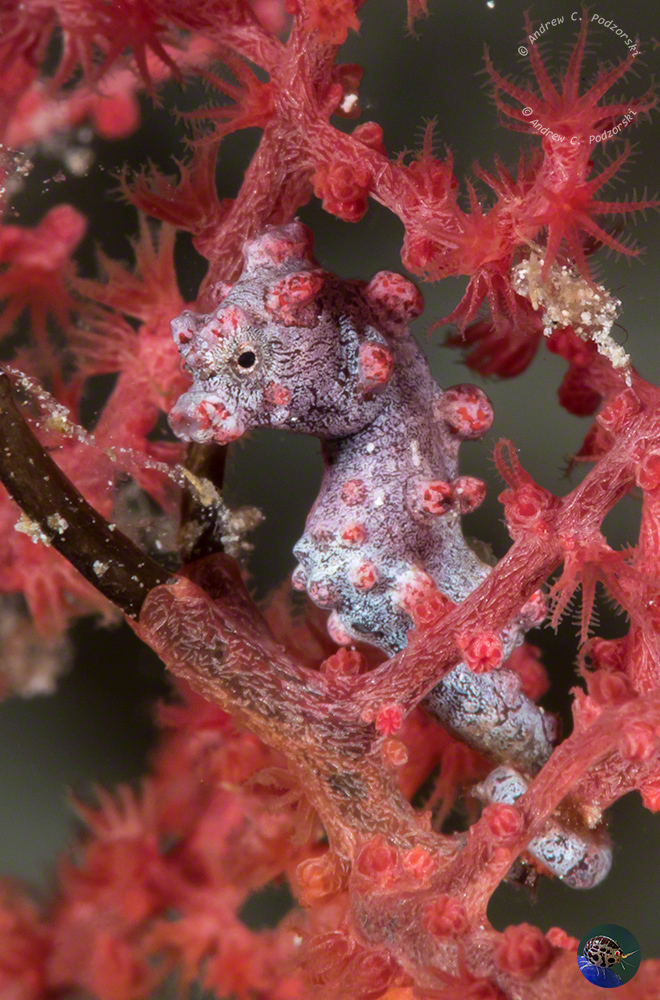
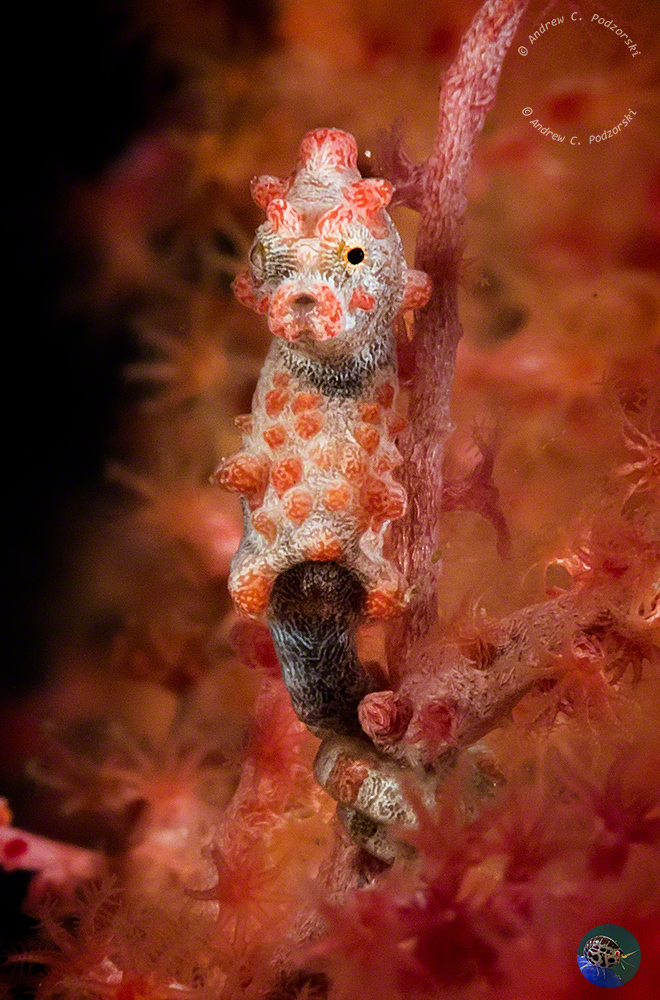
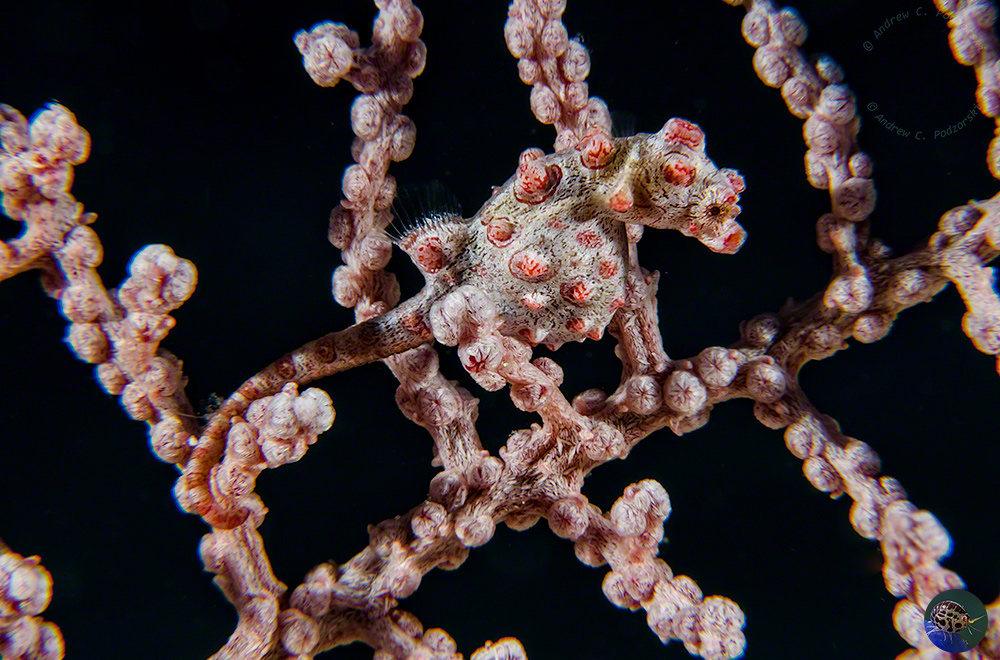
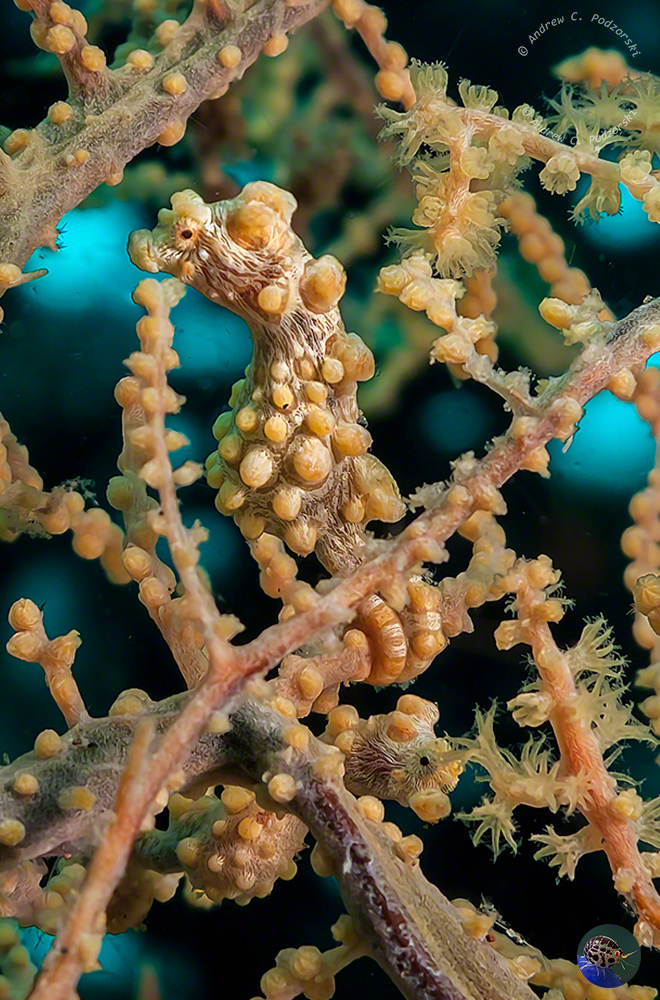
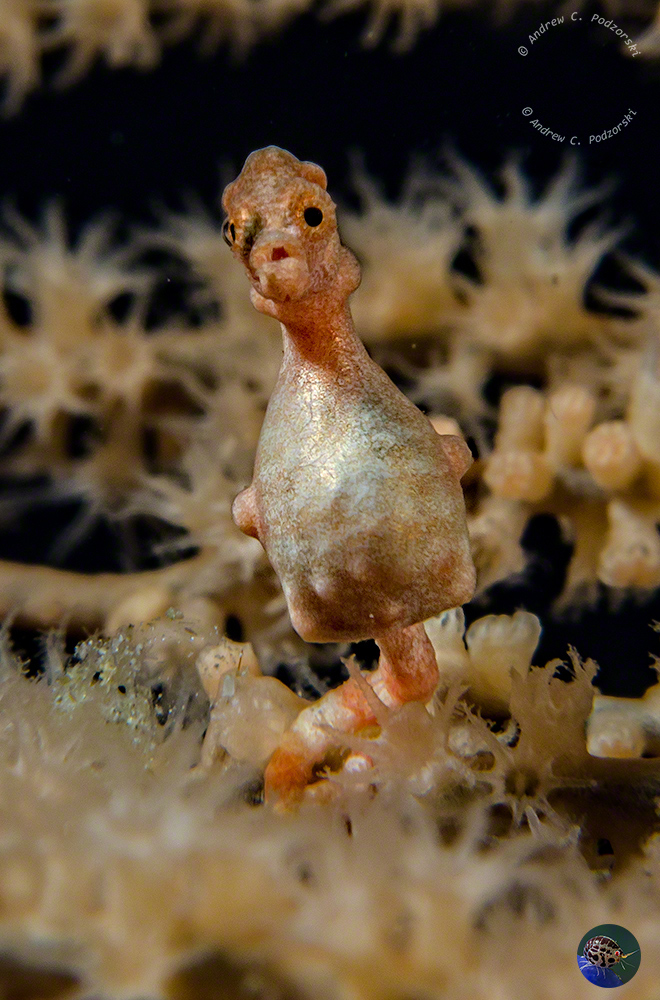
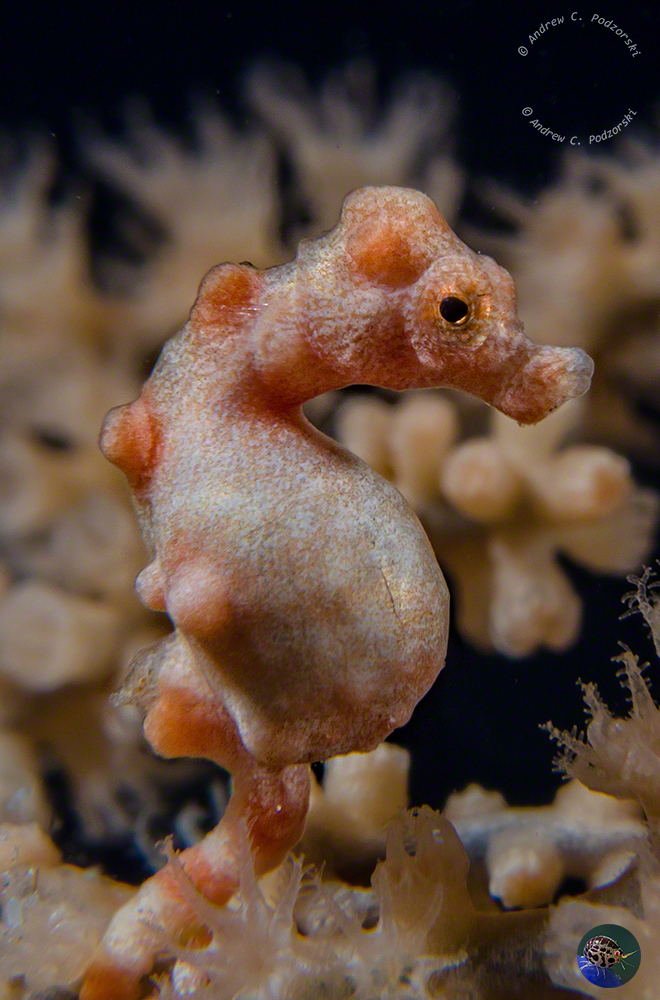
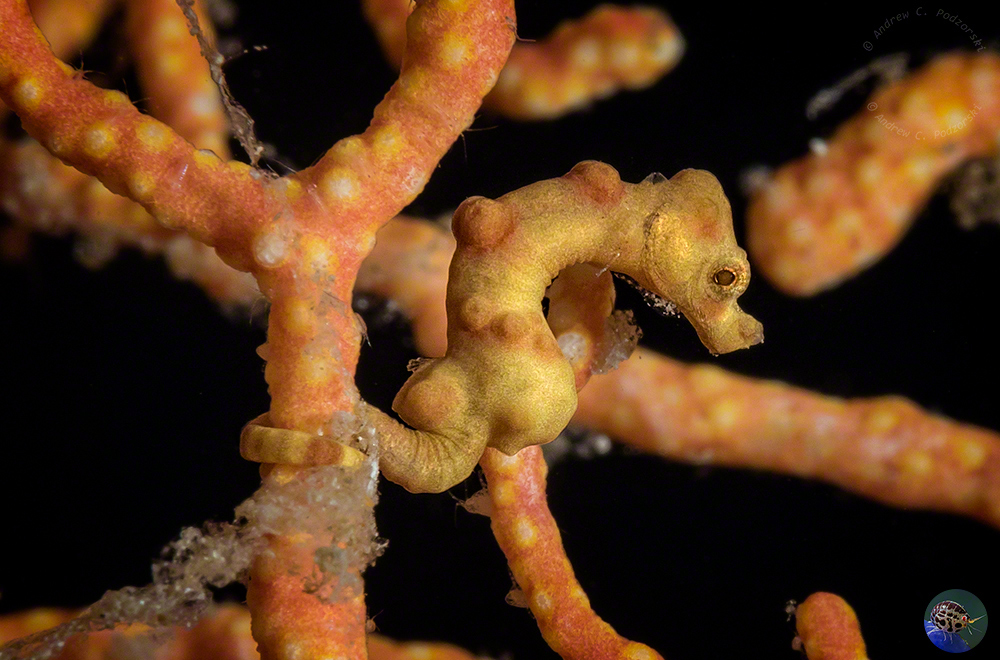
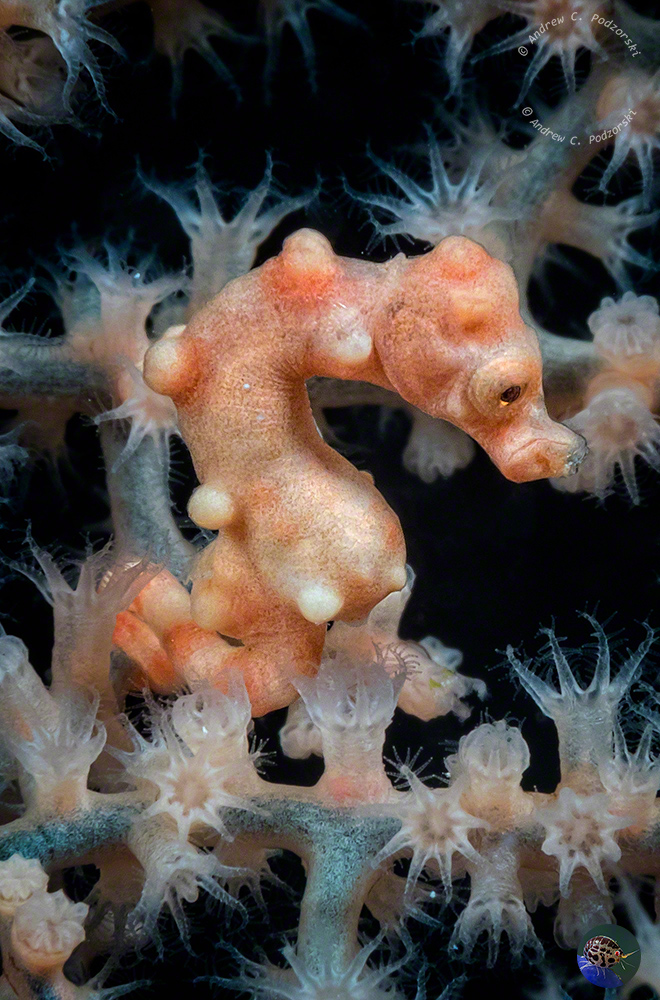
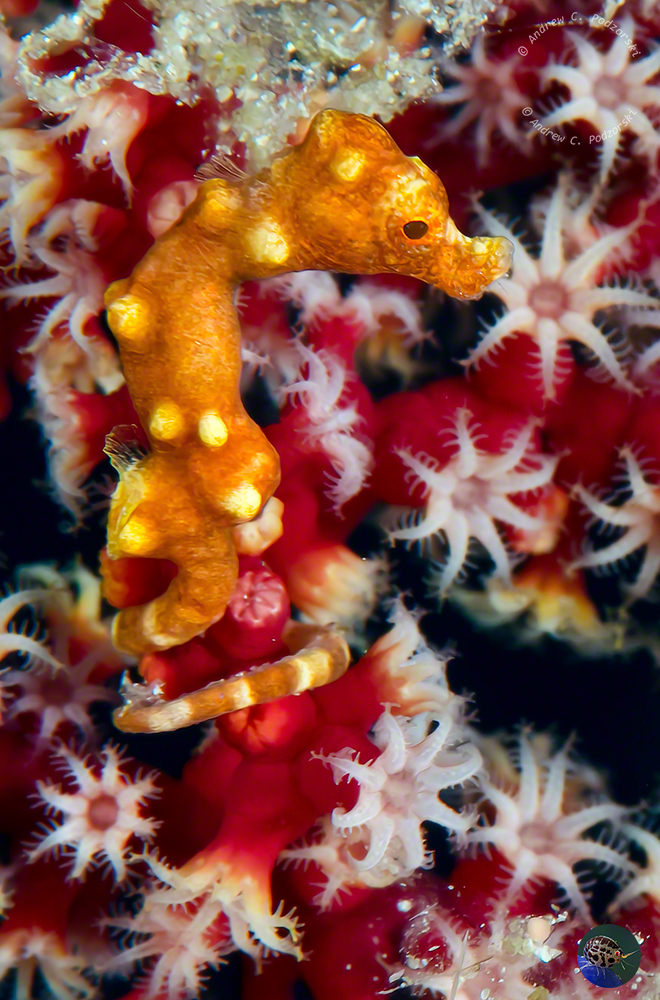
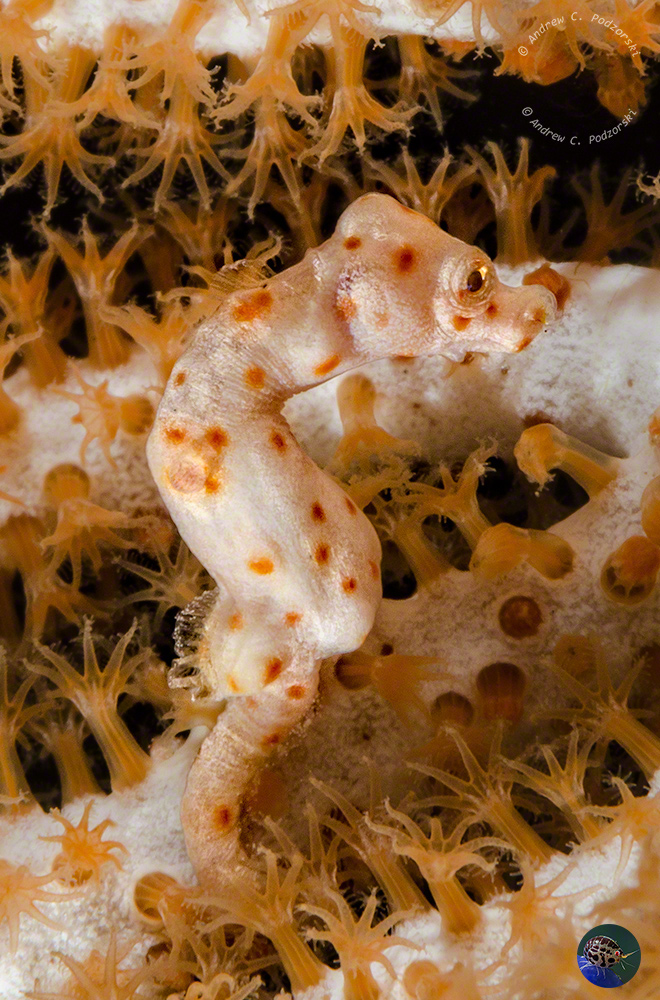
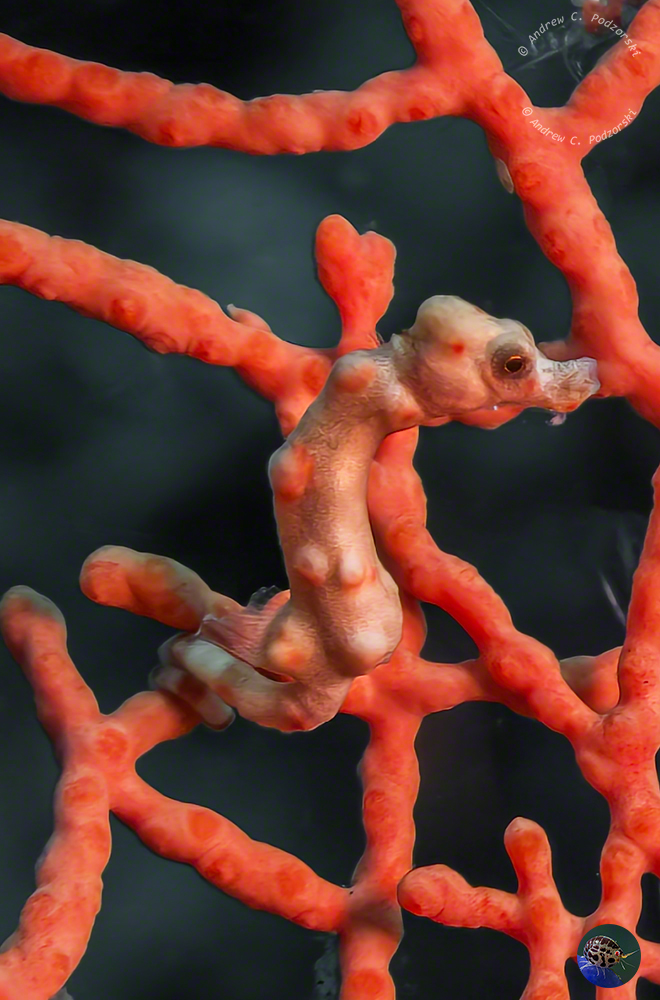
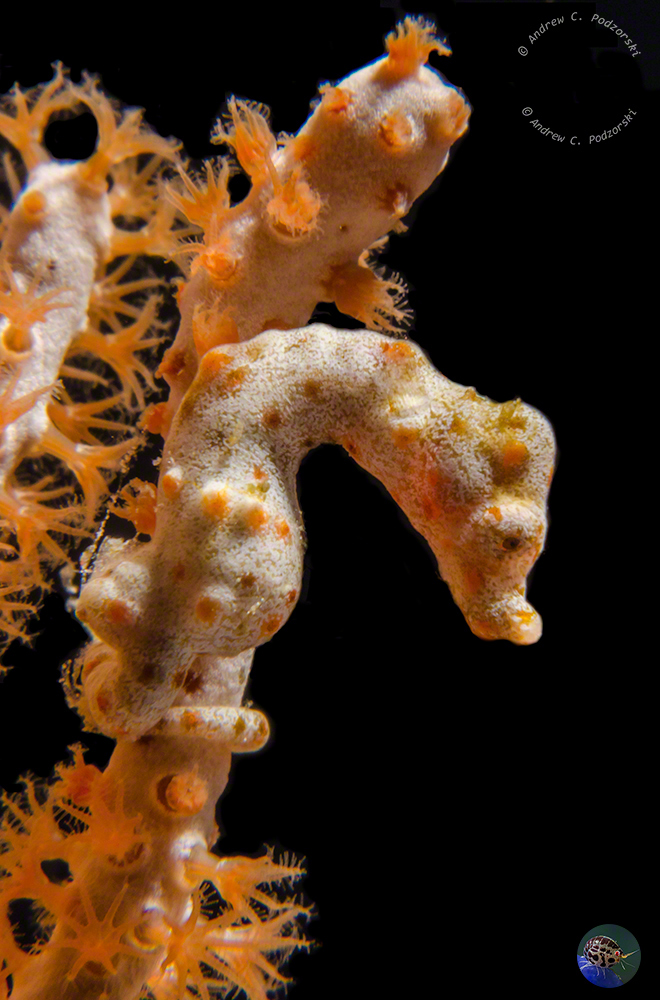
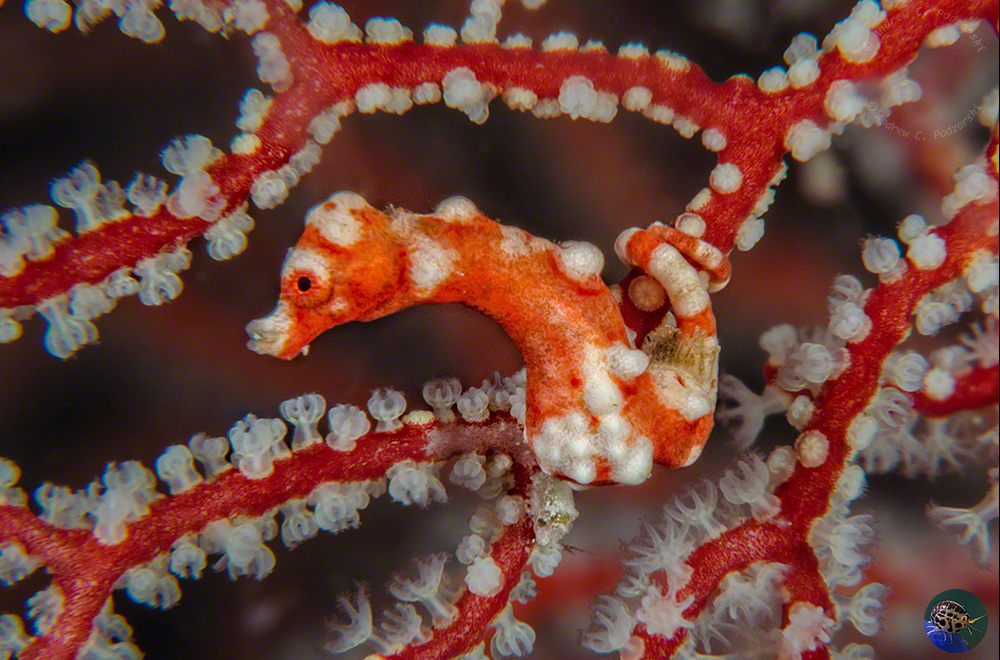
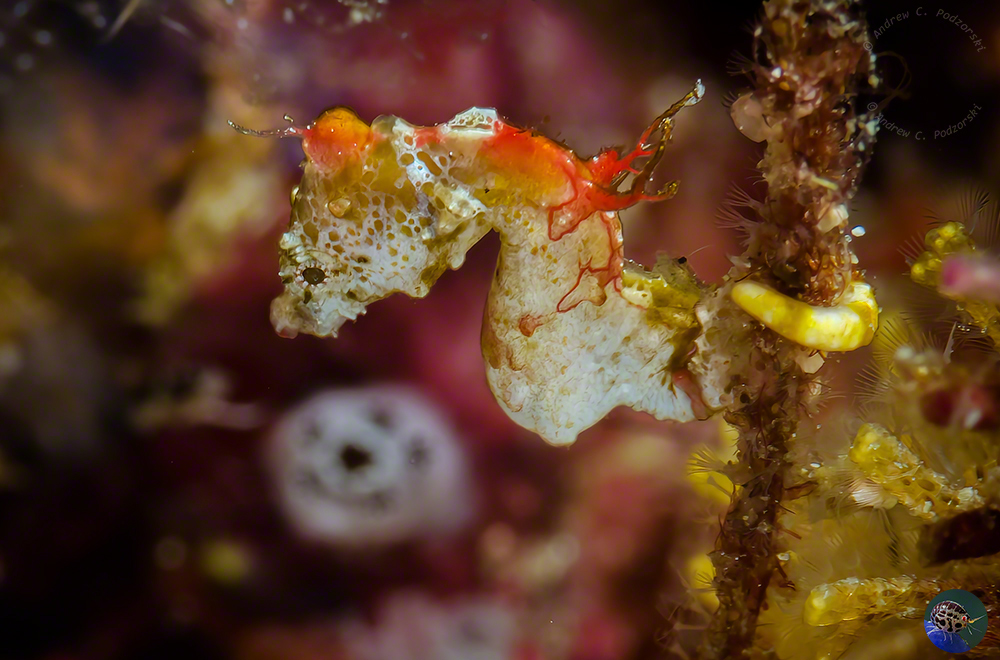
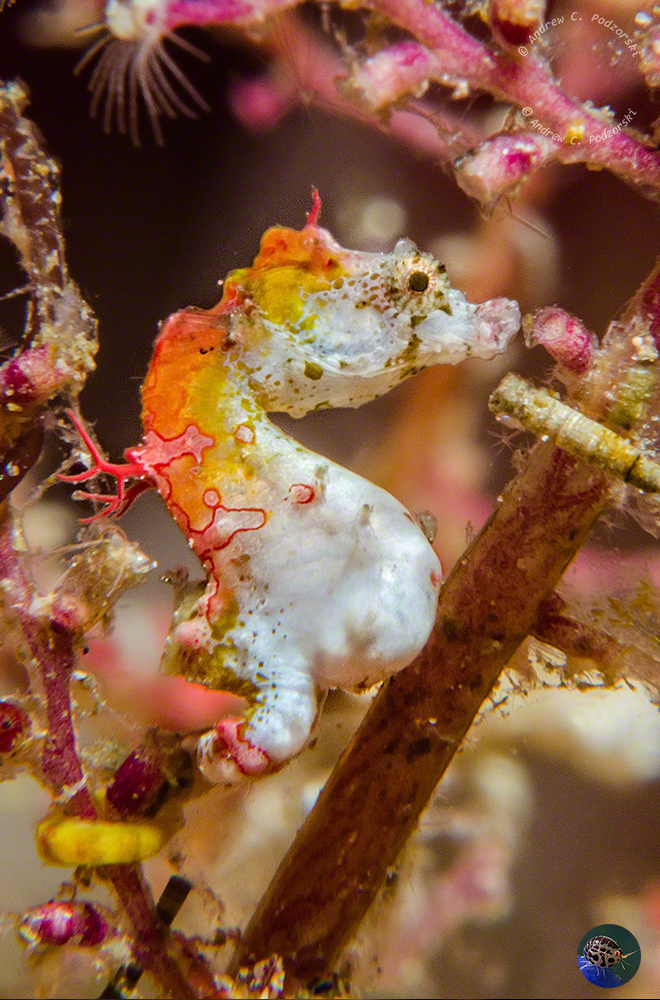
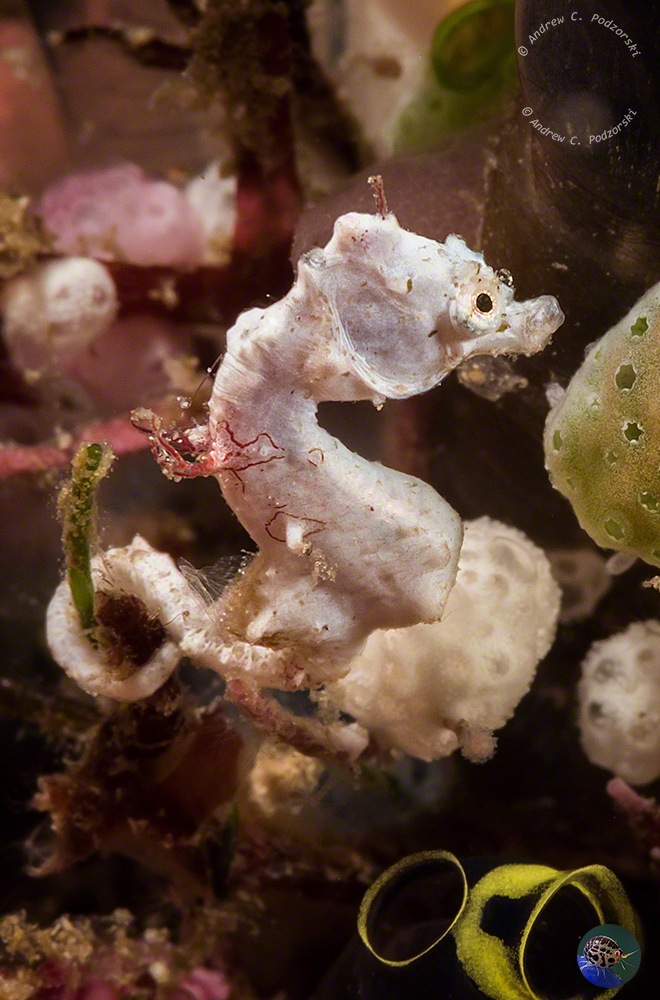
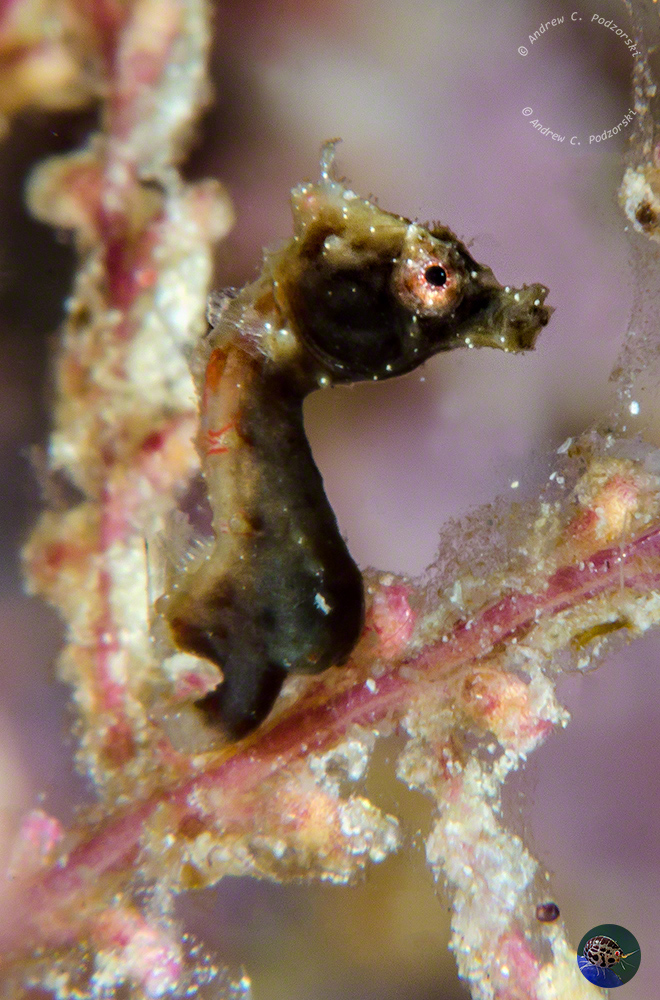
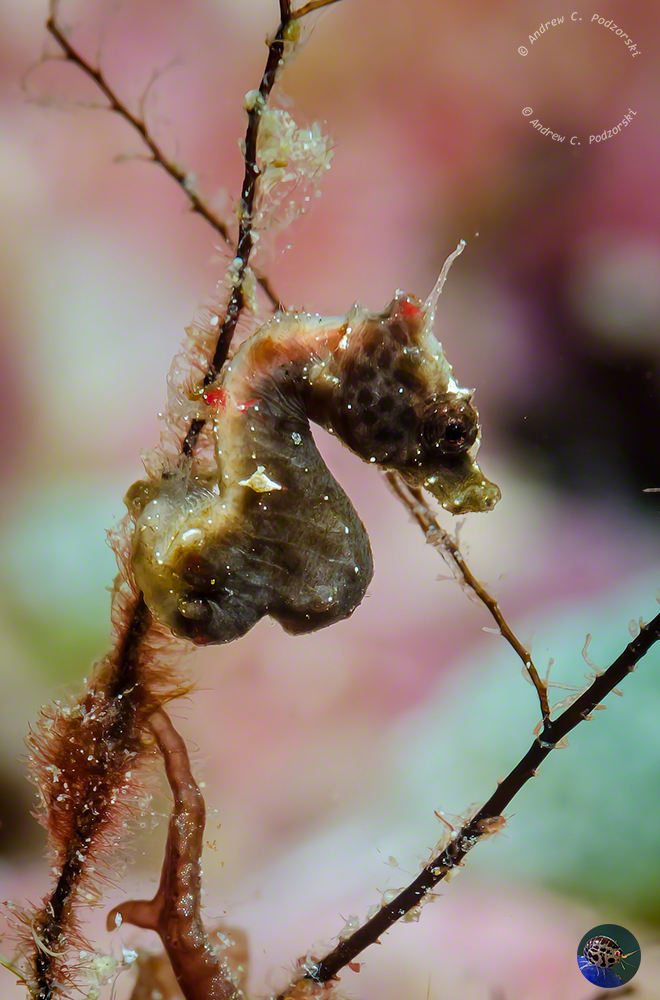
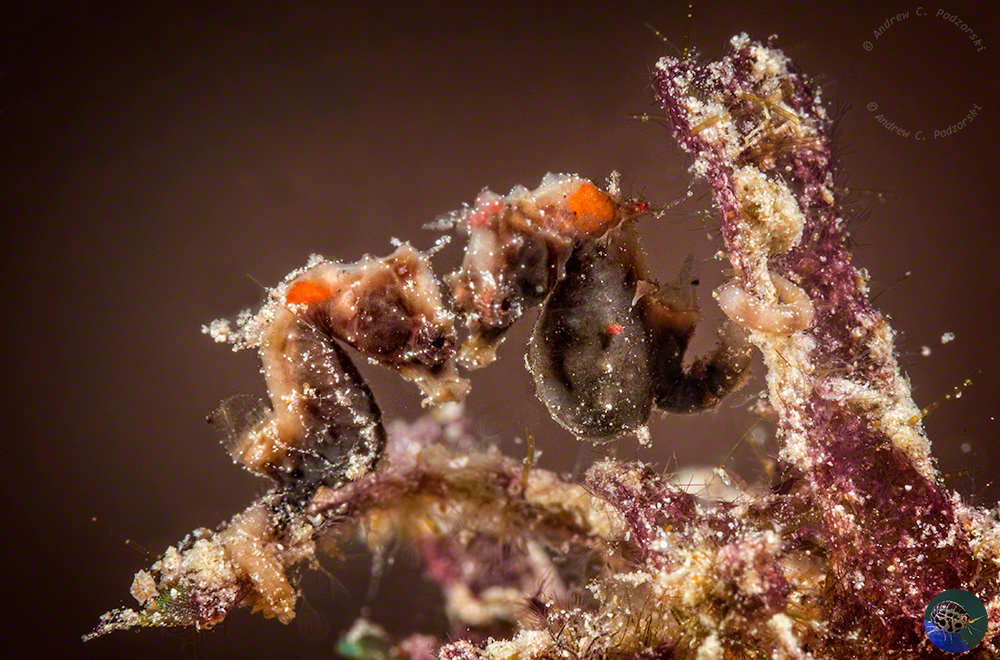
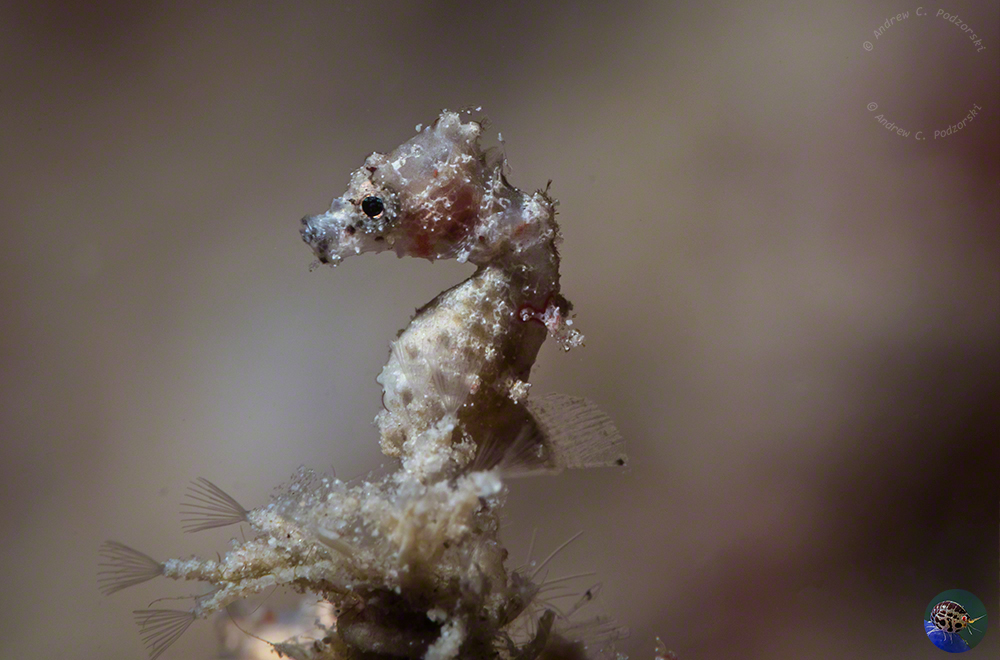
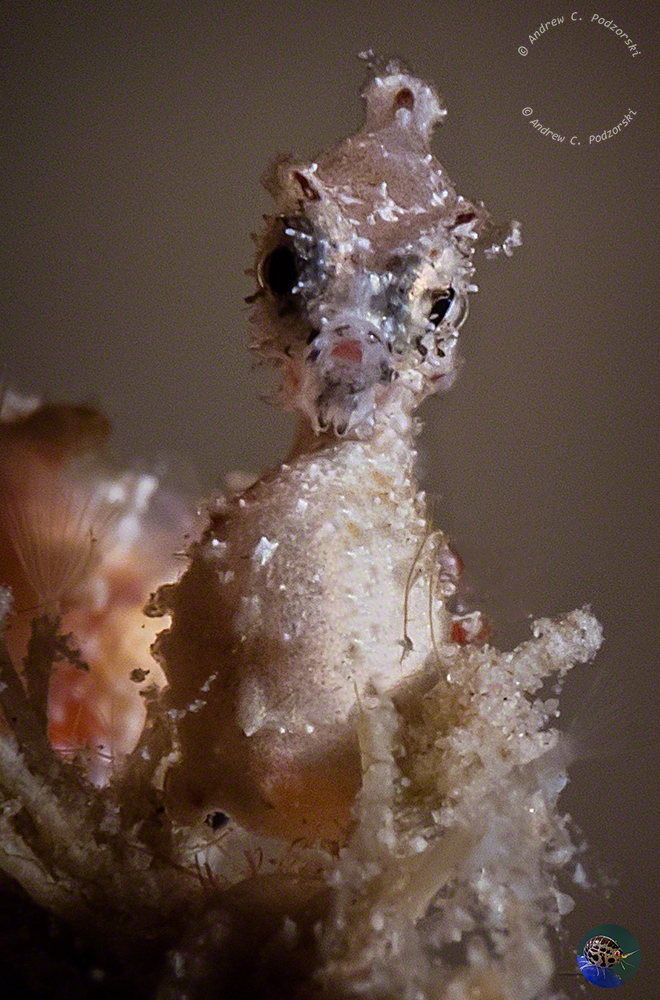
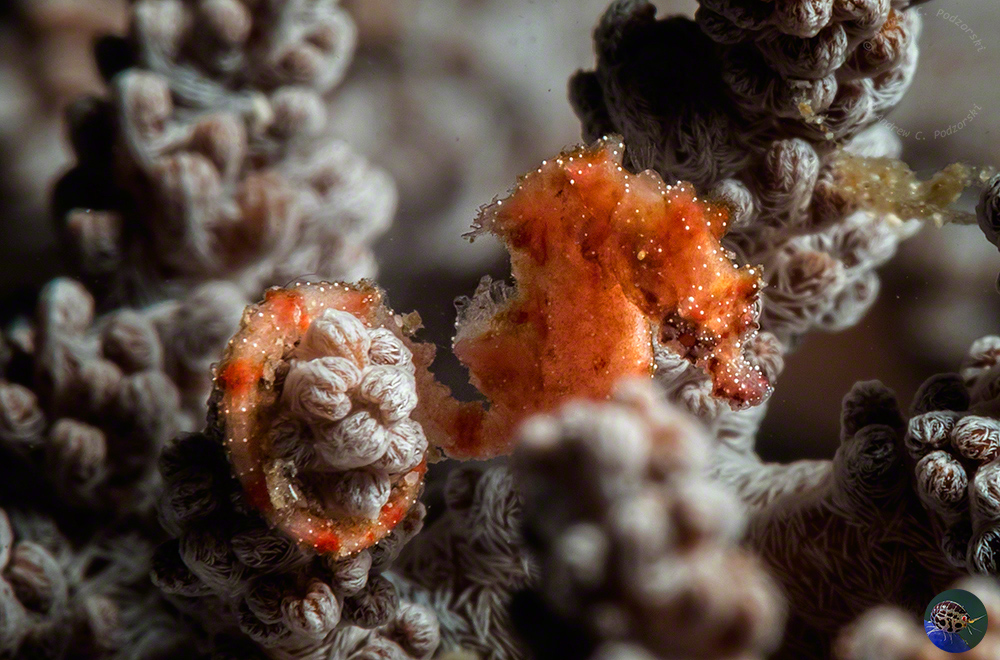
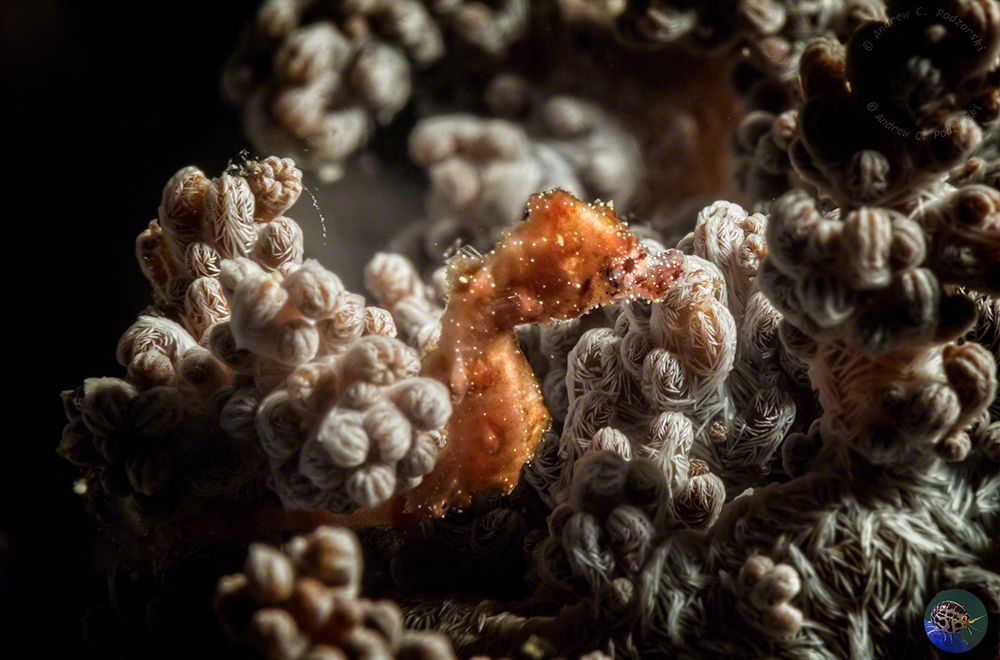
Pygmy seahorses are so small and well camouflaged that no one noticed them until a researcher in New Caledonia found them by accident when he was dissecting a Muricella gorgonian. Nine species have been described to date
They are all quite different to other seahorses in that: 1. they have only a single gill opening, and that at the back of their heads; 2. the males have no brood pouch; and 3. the females appear to brood the rather large eggs internally.
Hippocampus bargibanti was the first species found. It's warty surface results from tissue of the Muricella gorgonian growing in it's skin. The camouflage is extremely good. H. satomae is often found on soft corals or hydroids in protected pockets on the side of reef blocks. They are often very pale, and if disturbed, drop down onto the sand below the soft coral and are next to impossible to find.
Seahorses
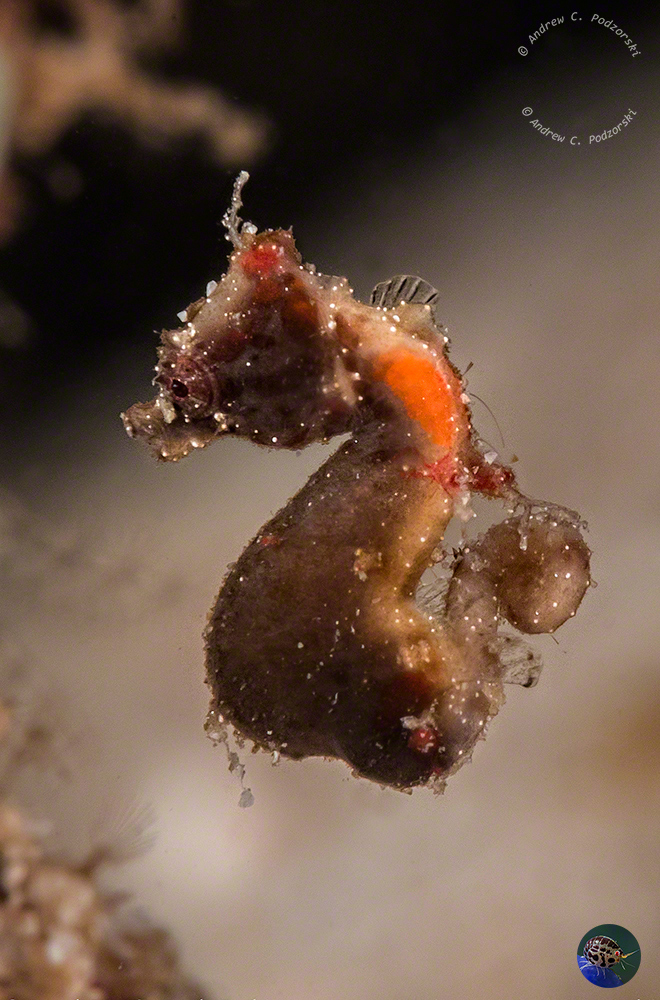
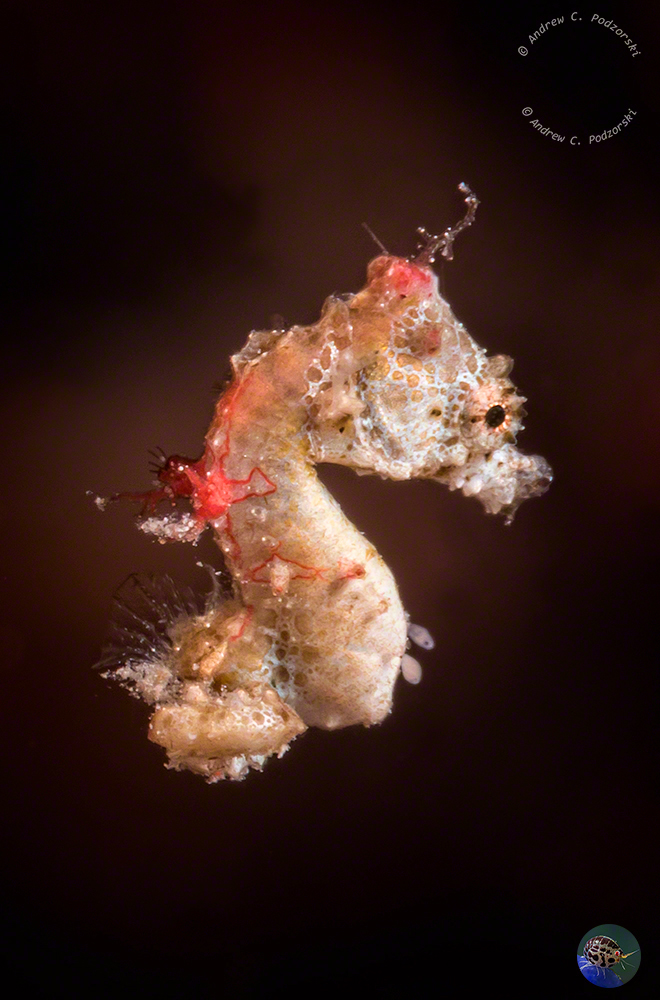
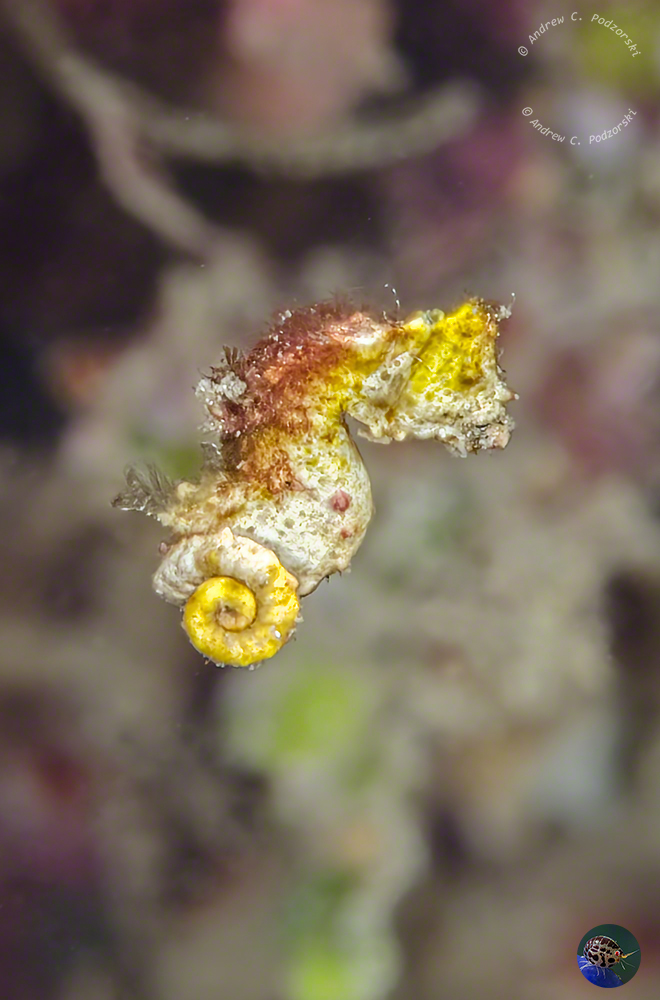
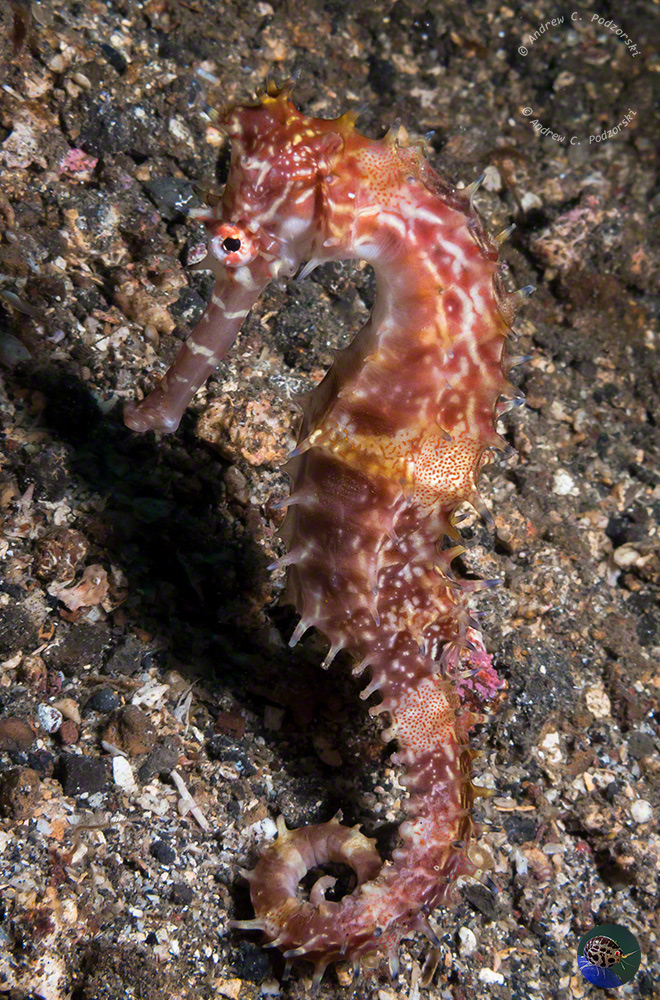
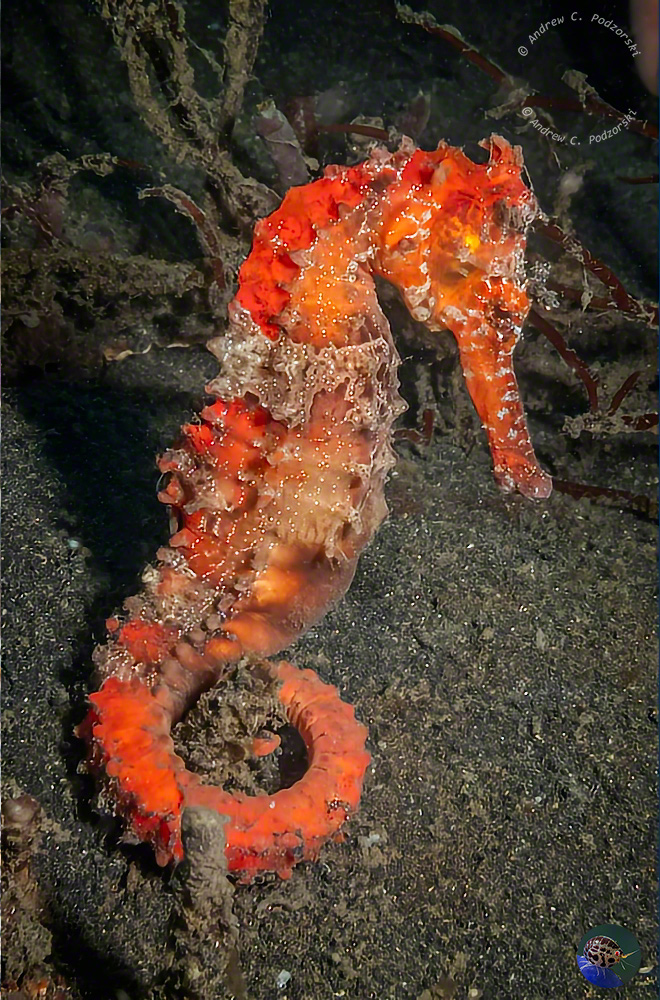
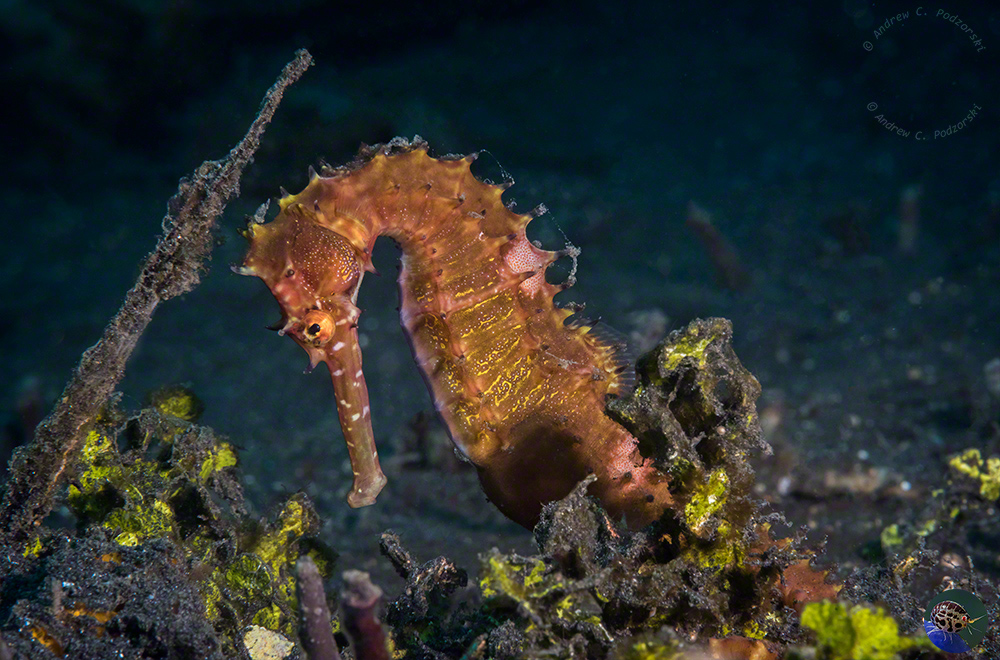
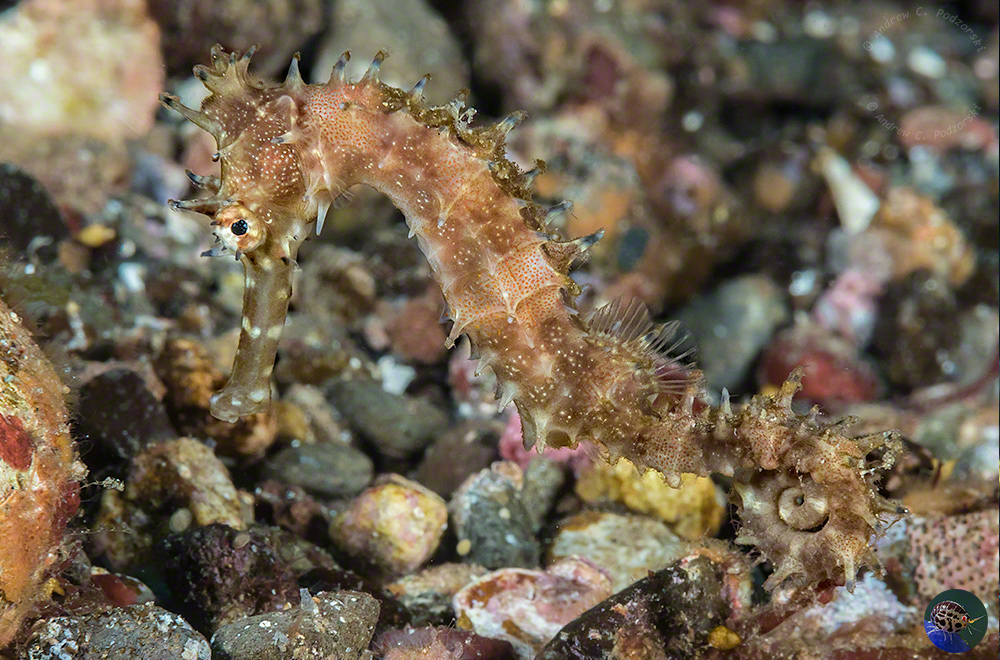
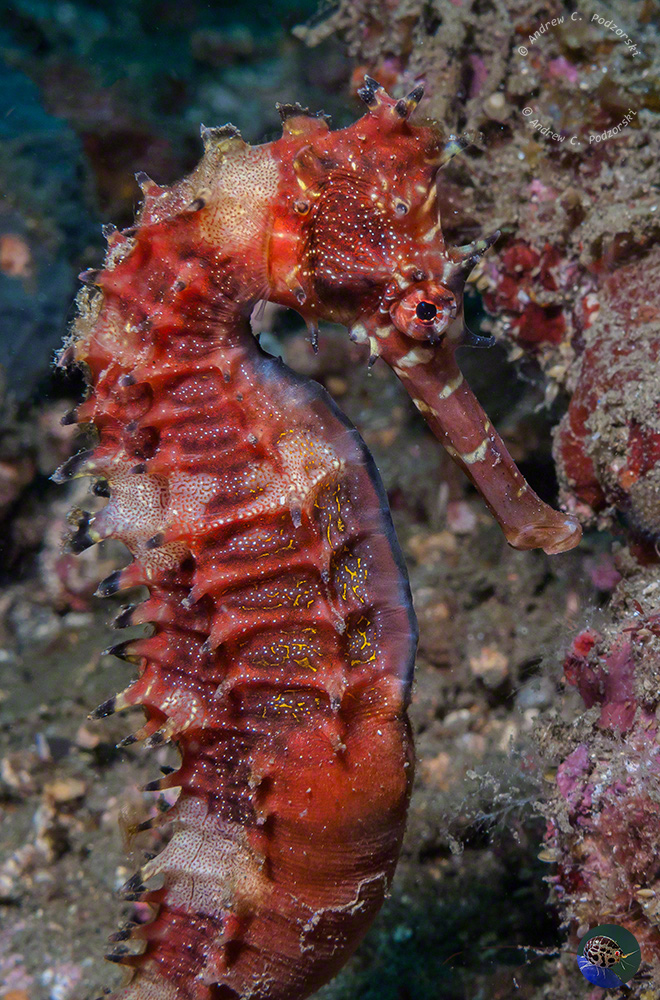
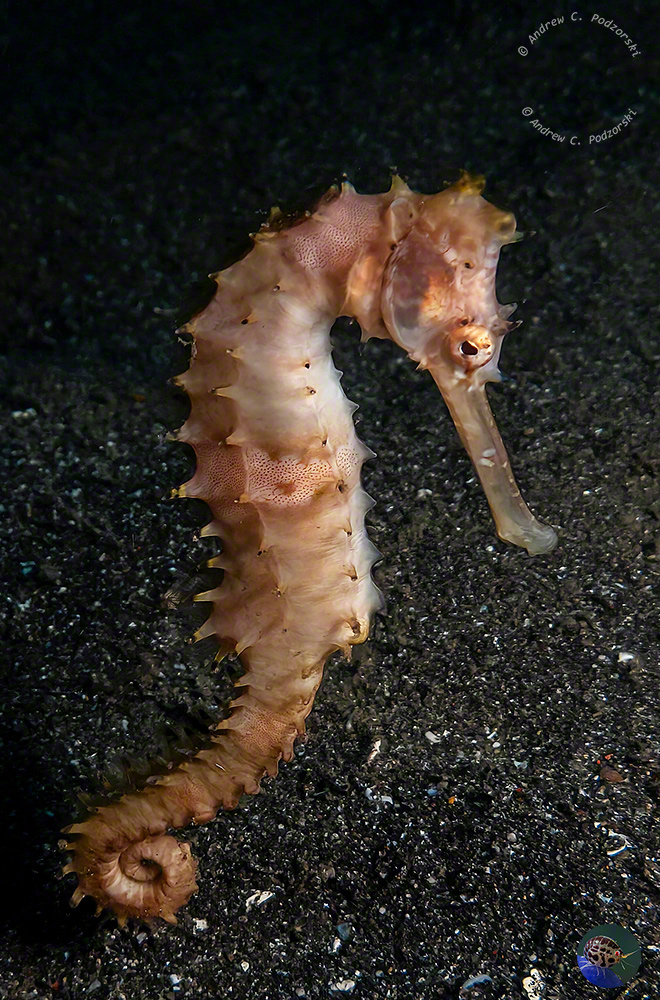
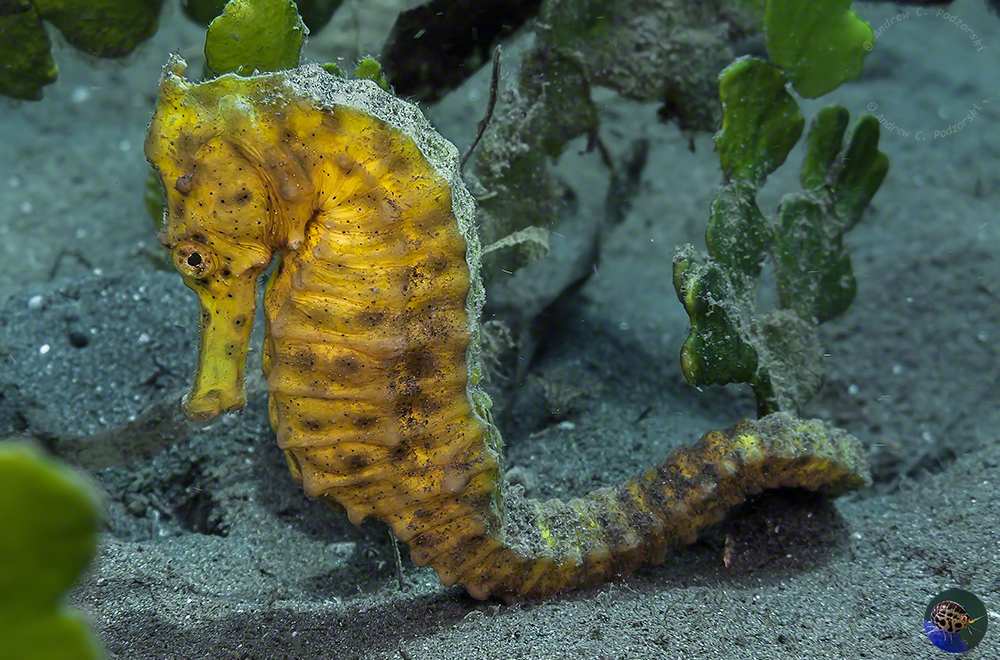
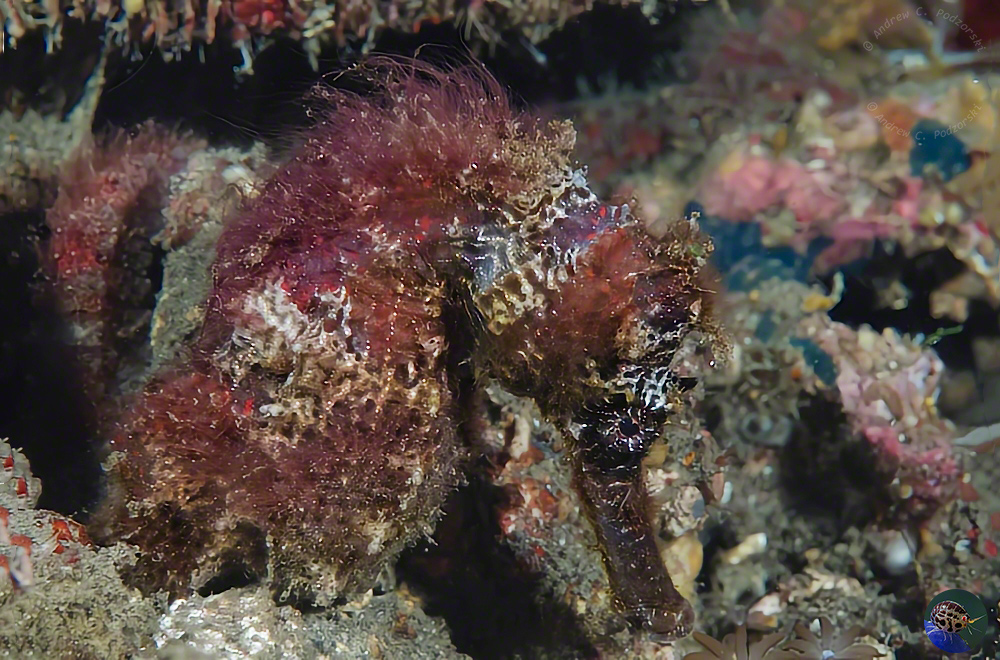
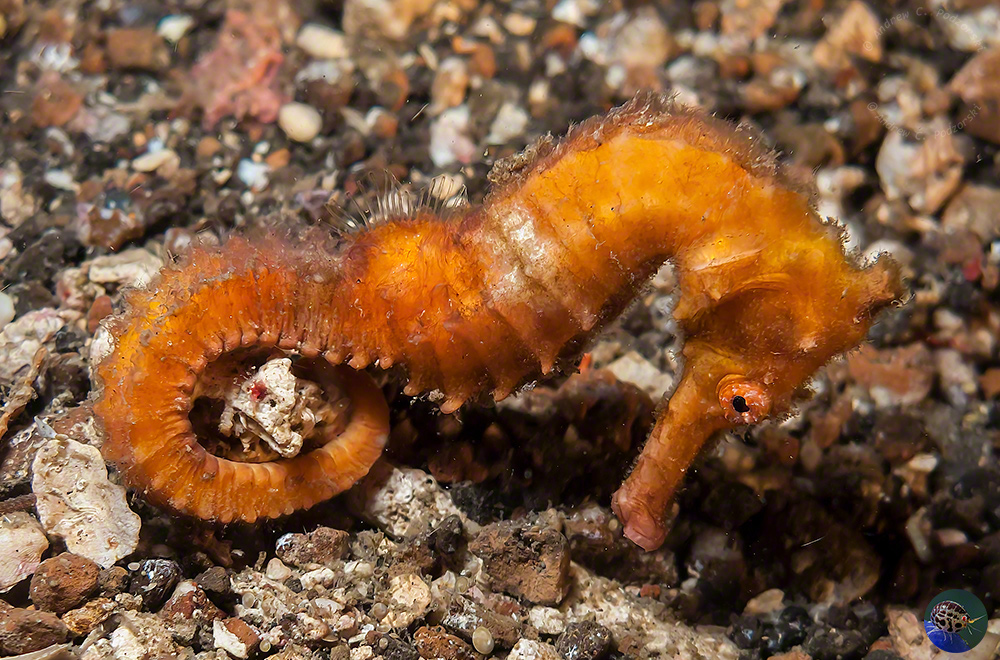
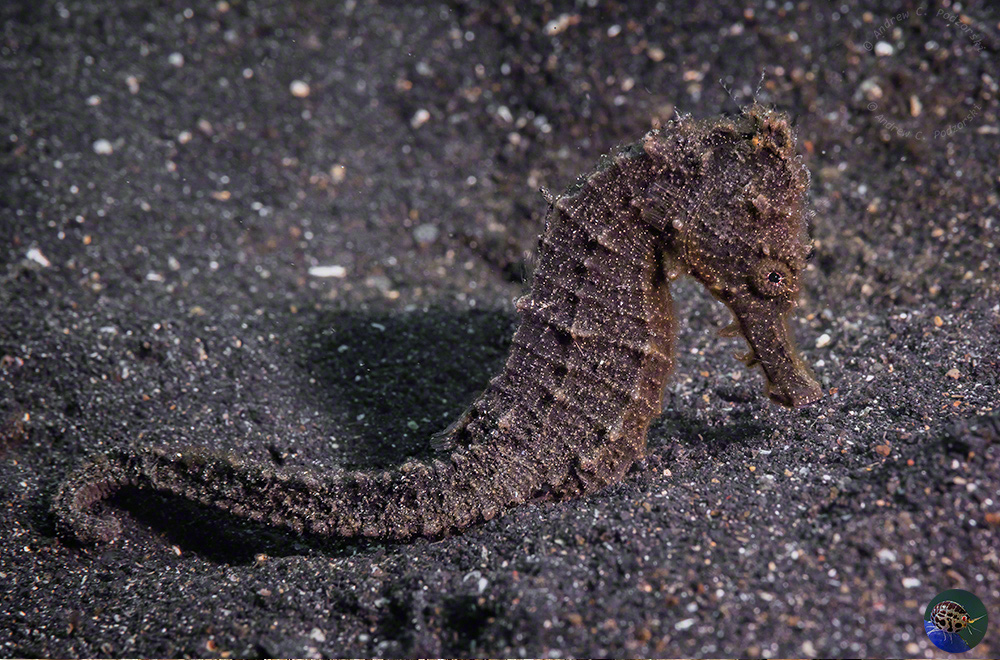
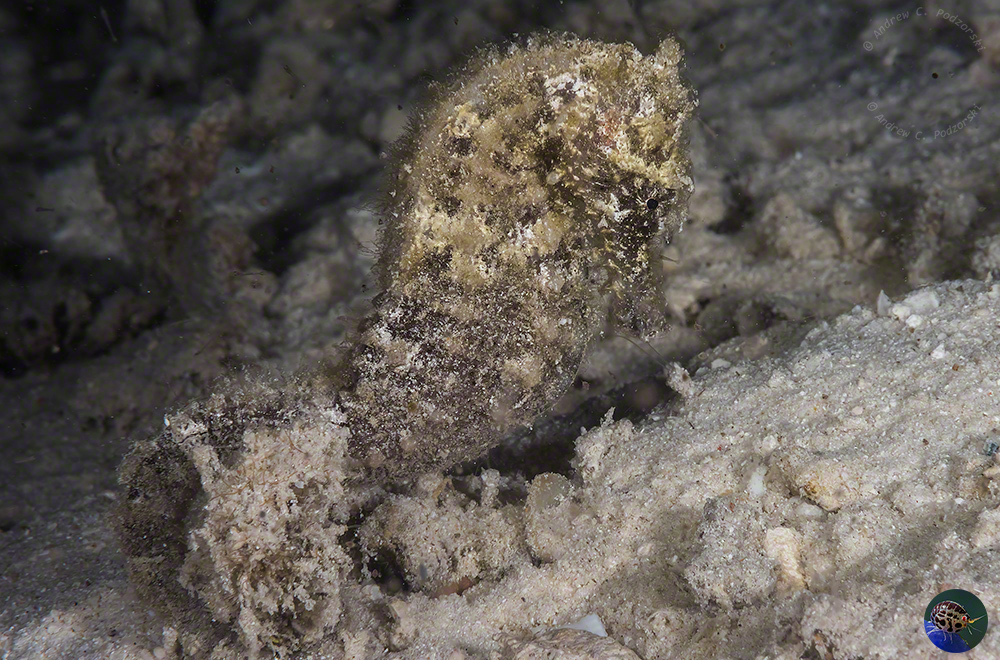
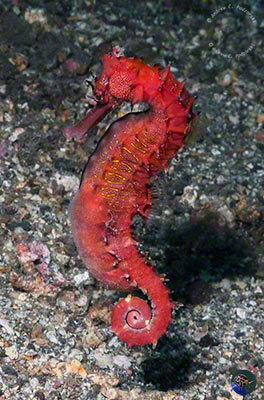
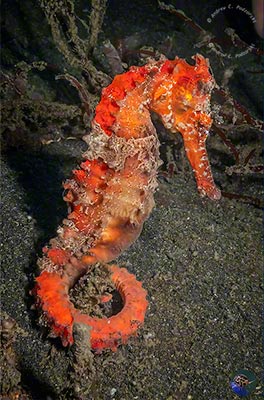
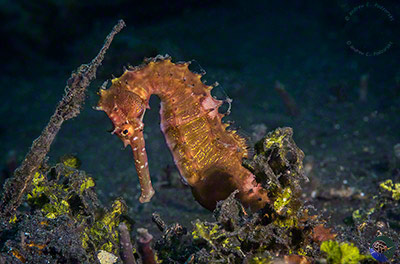
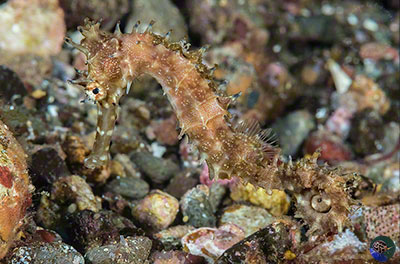
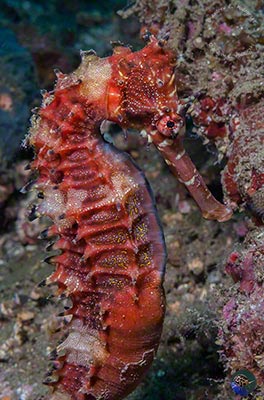
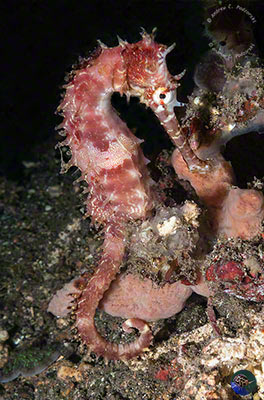
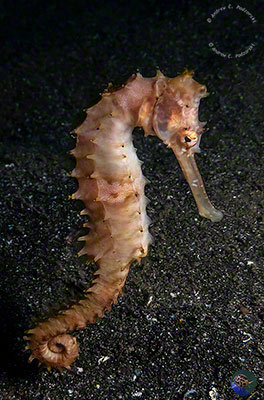
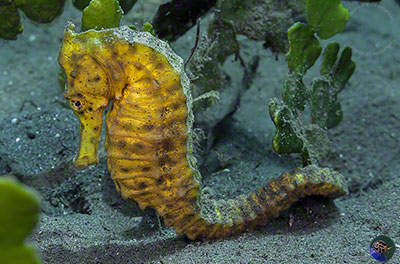
There are about 80 true species of seahorse. They have a very distinctive horse-shaped head, and the typical bony body-plates of the group. The males have a brood pouch below the anus, on the tail, into which the fertilised eggs are transferred, remaining protected until hatching.
Identification is not always easy as the external features are not always distinctive. The names shown on the images are a best effort at identification.


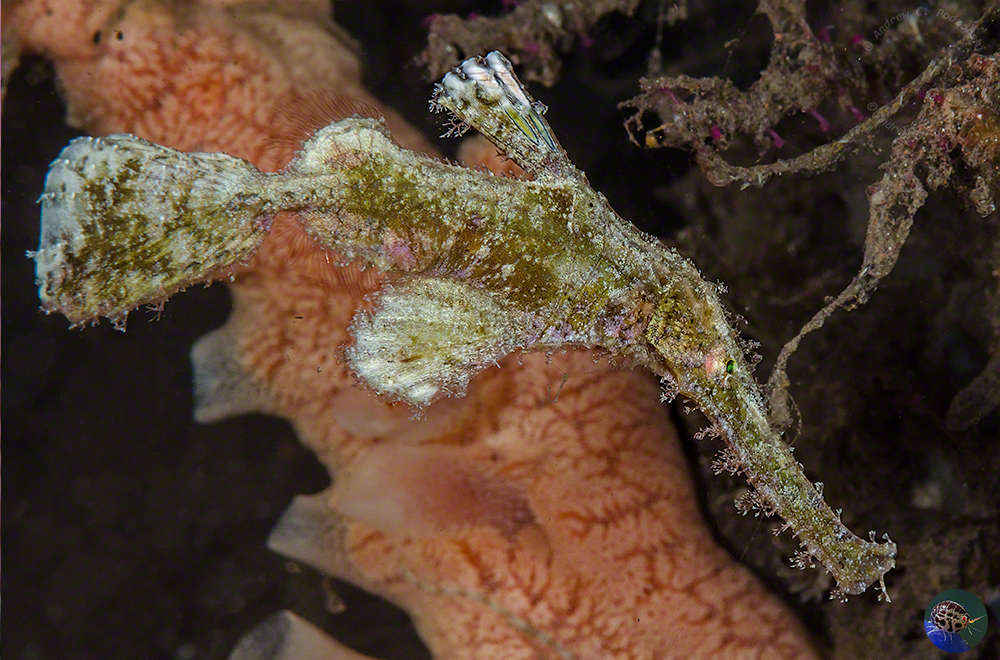
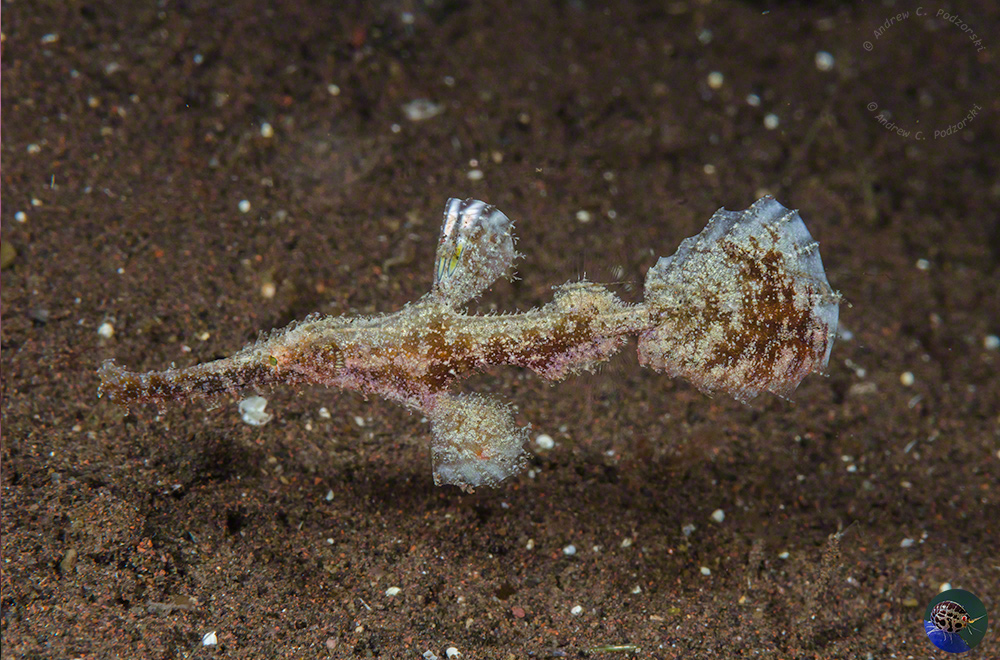
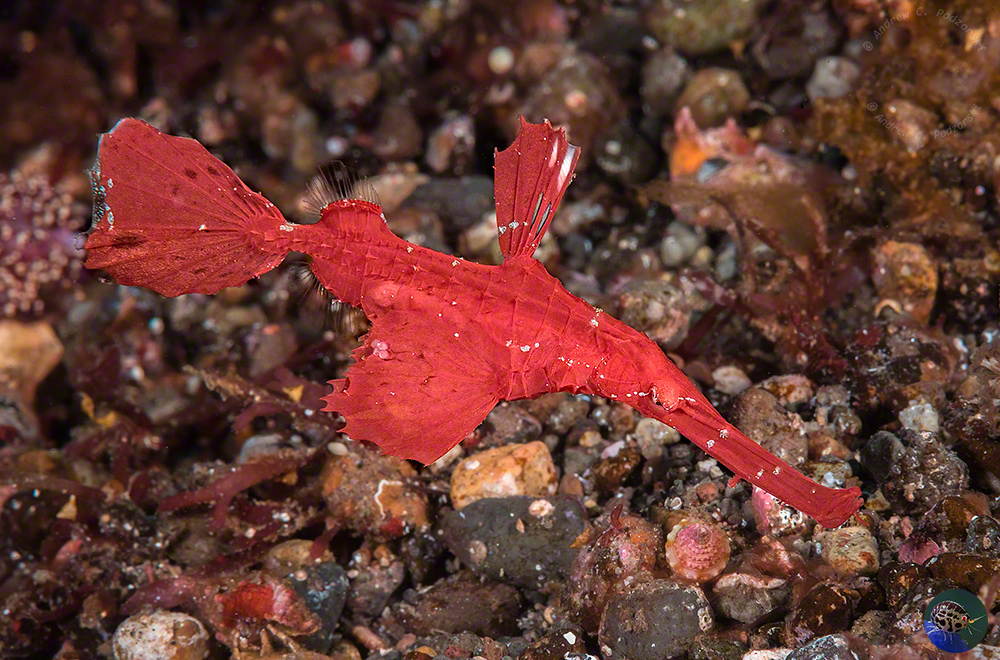
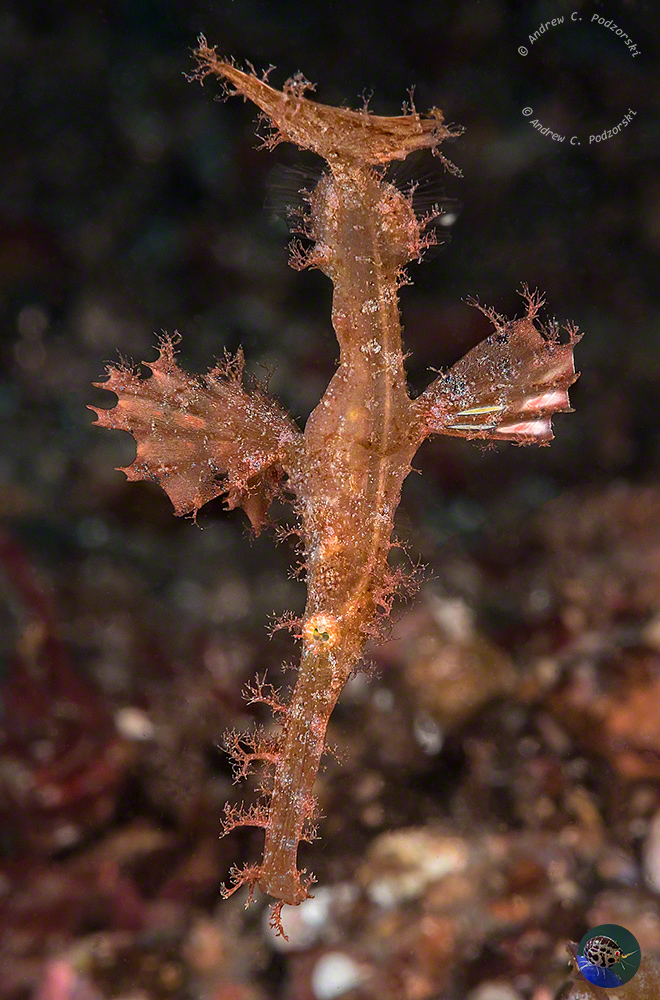
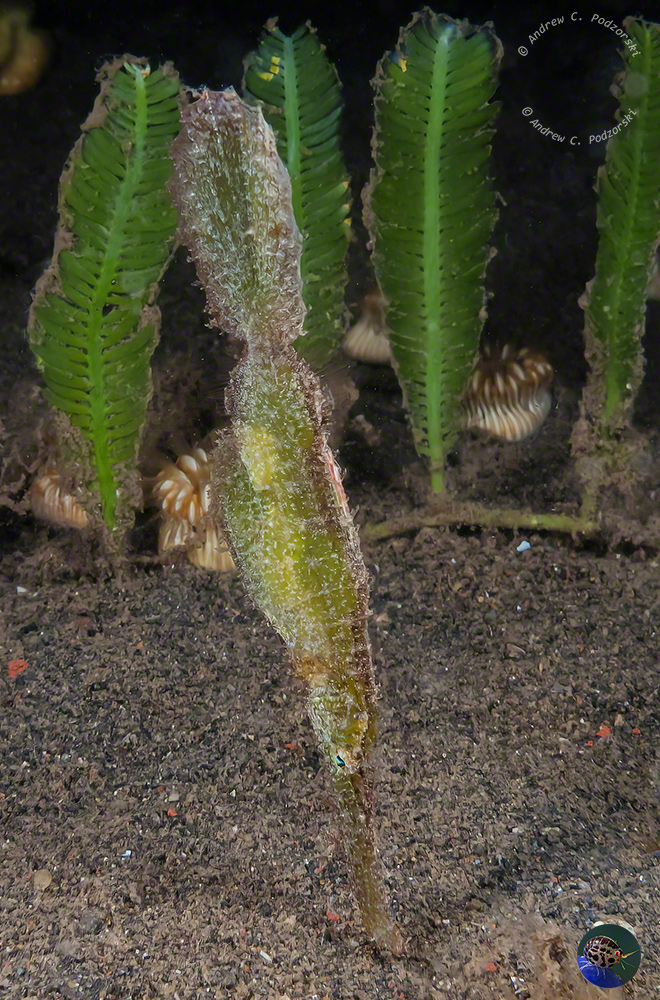
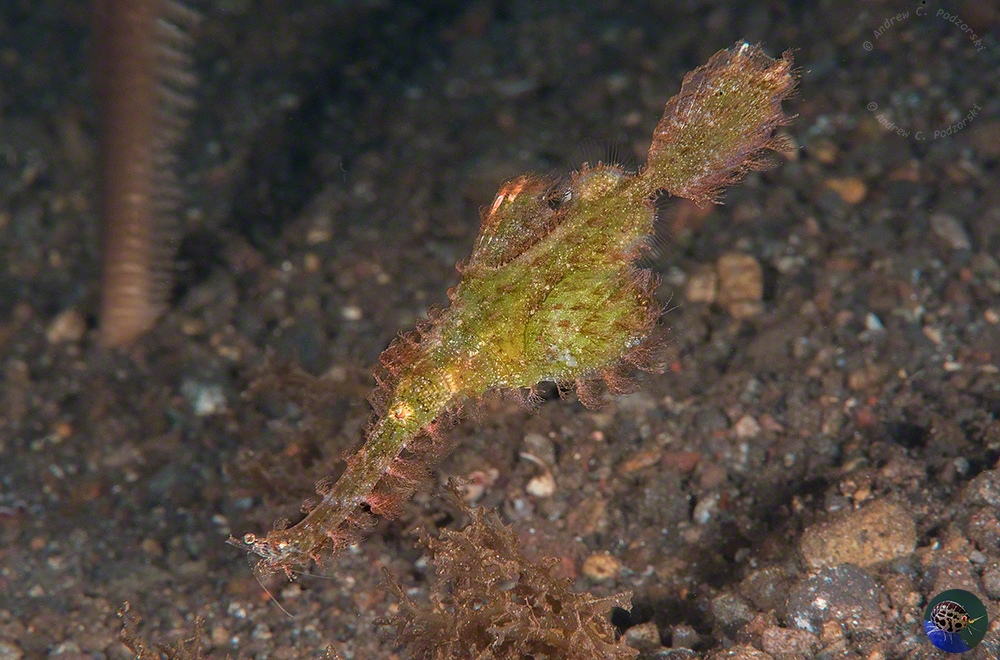
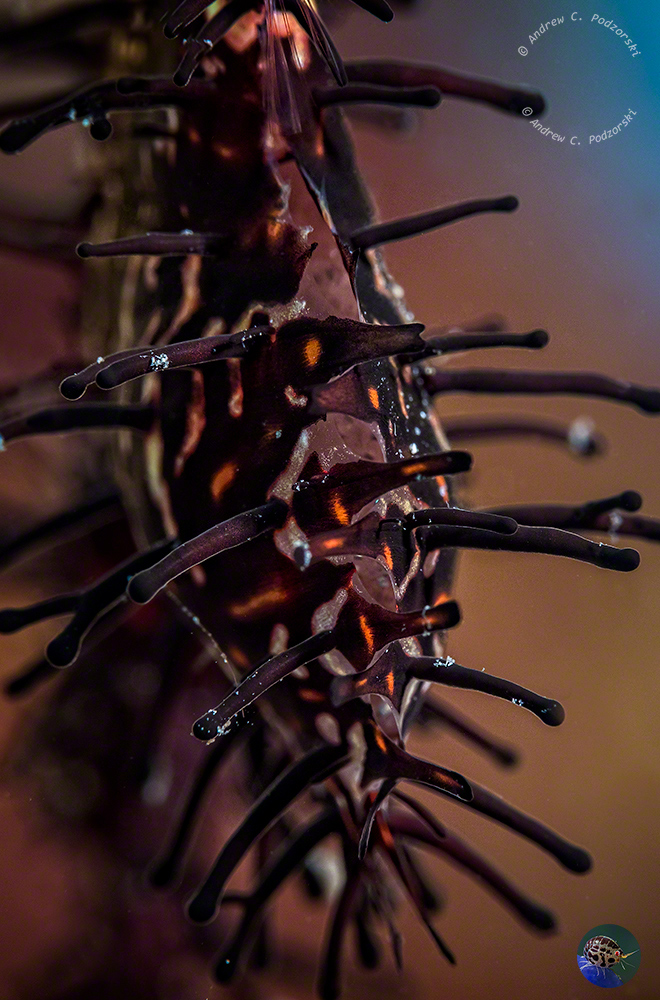
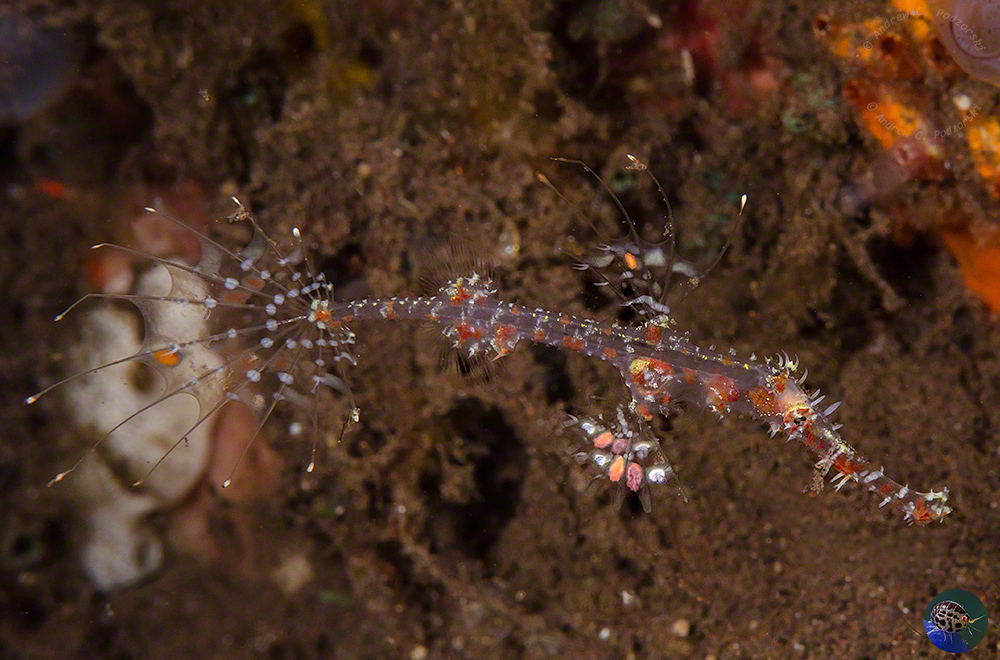
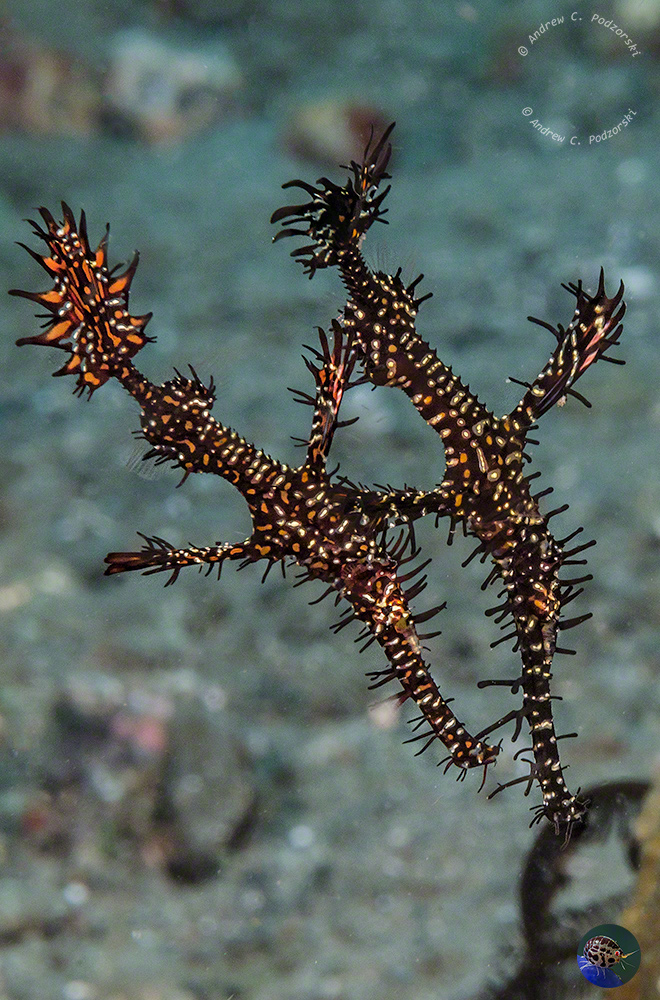
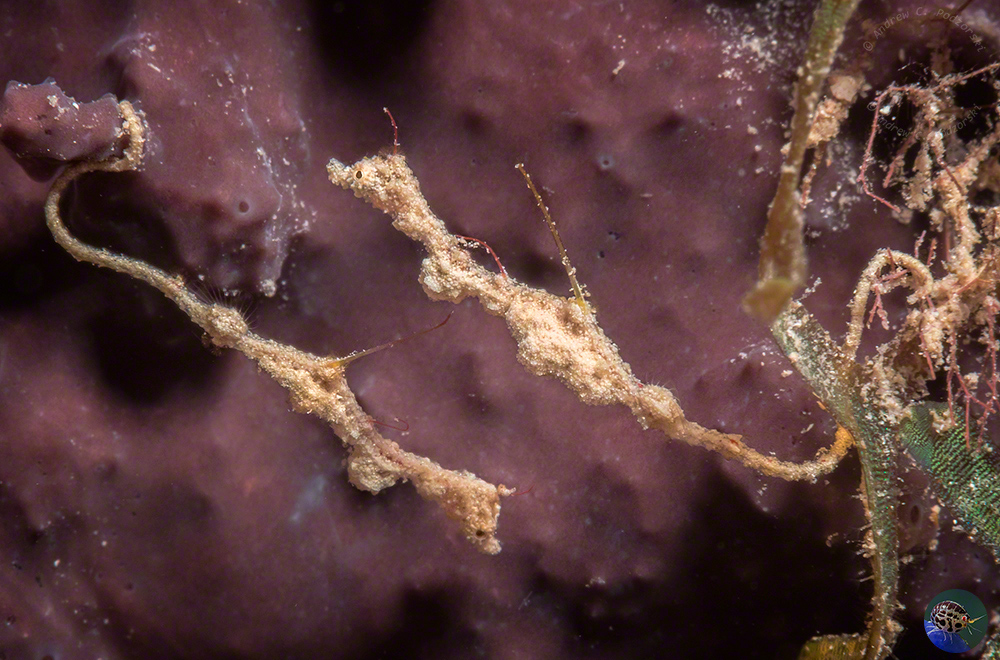
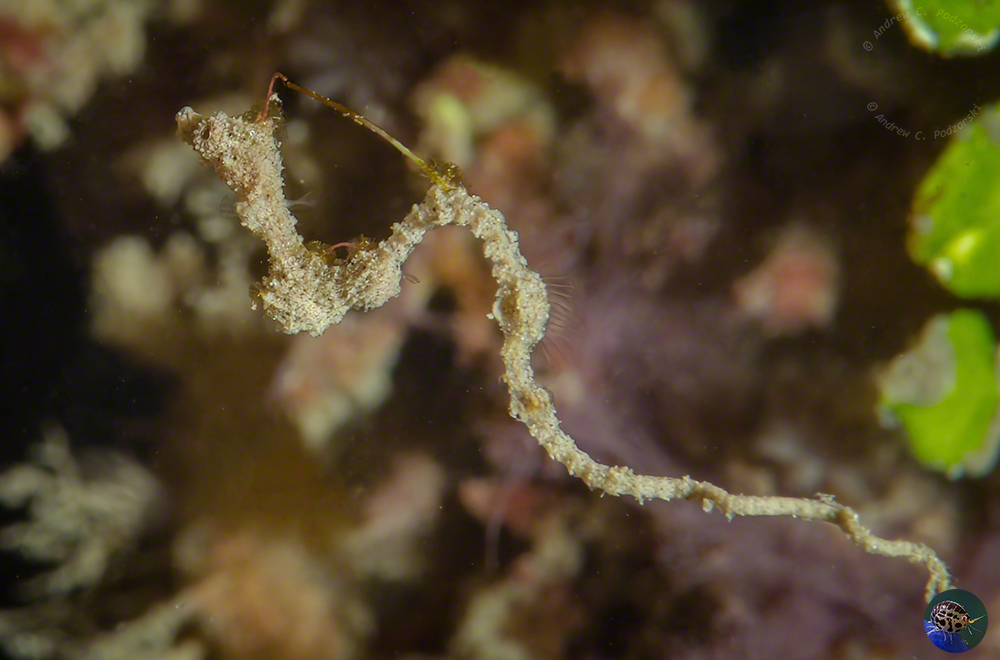
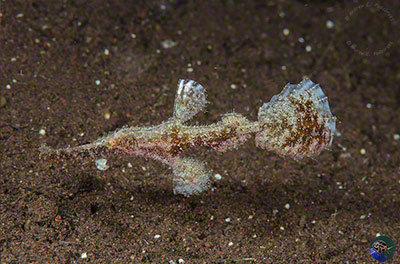
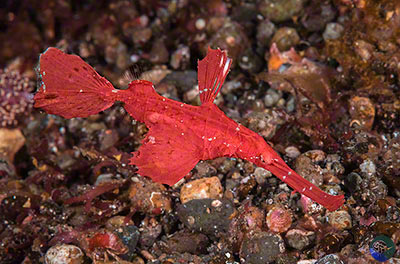
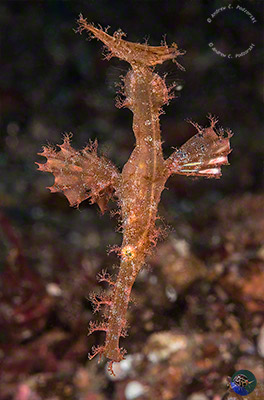
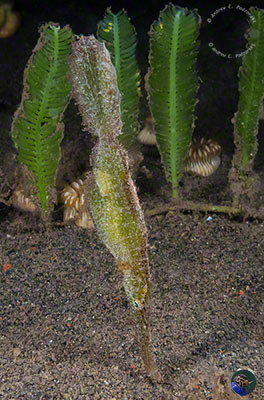
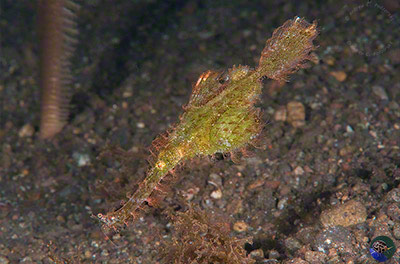
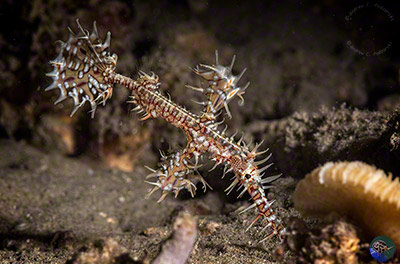
Ghost Pipefish
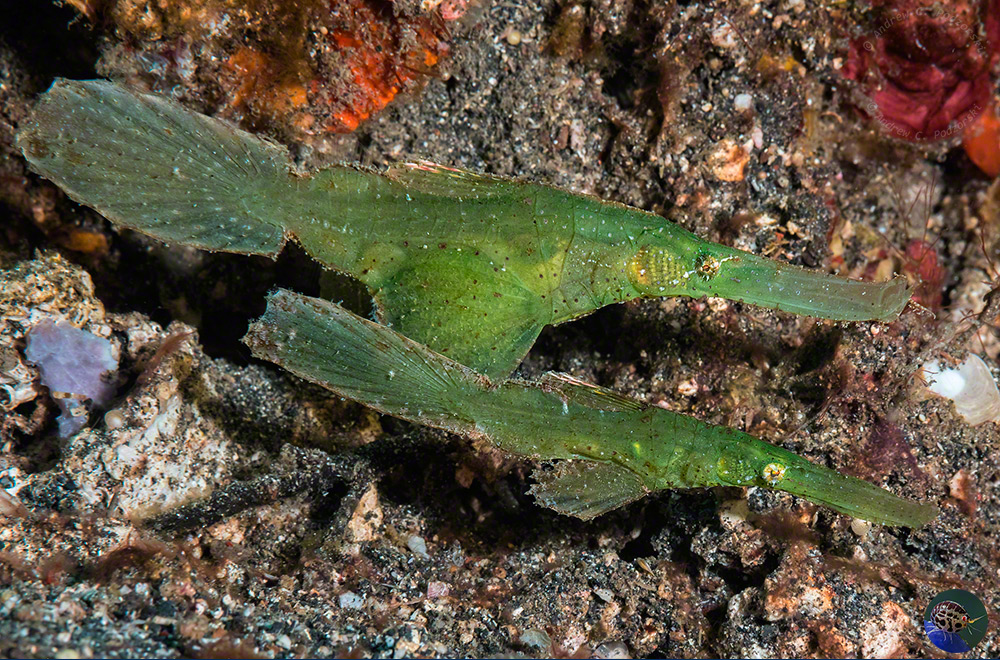
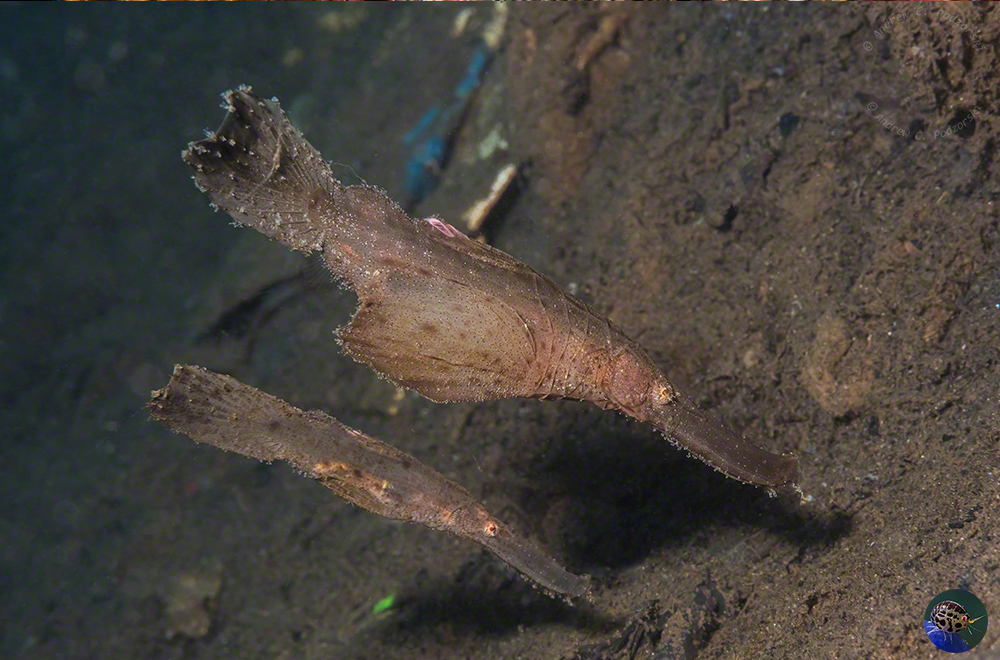
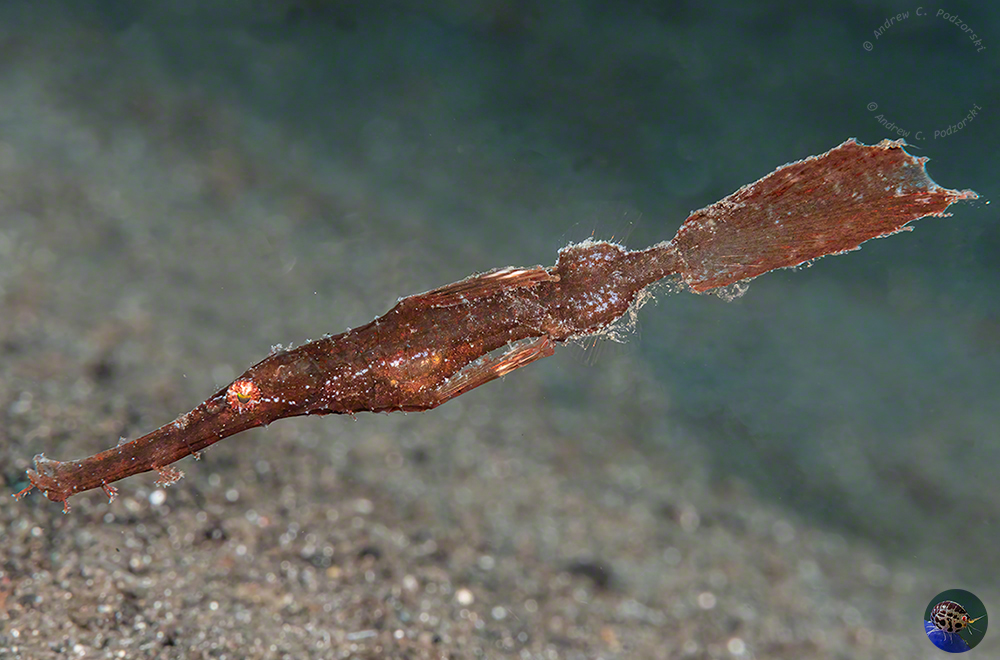
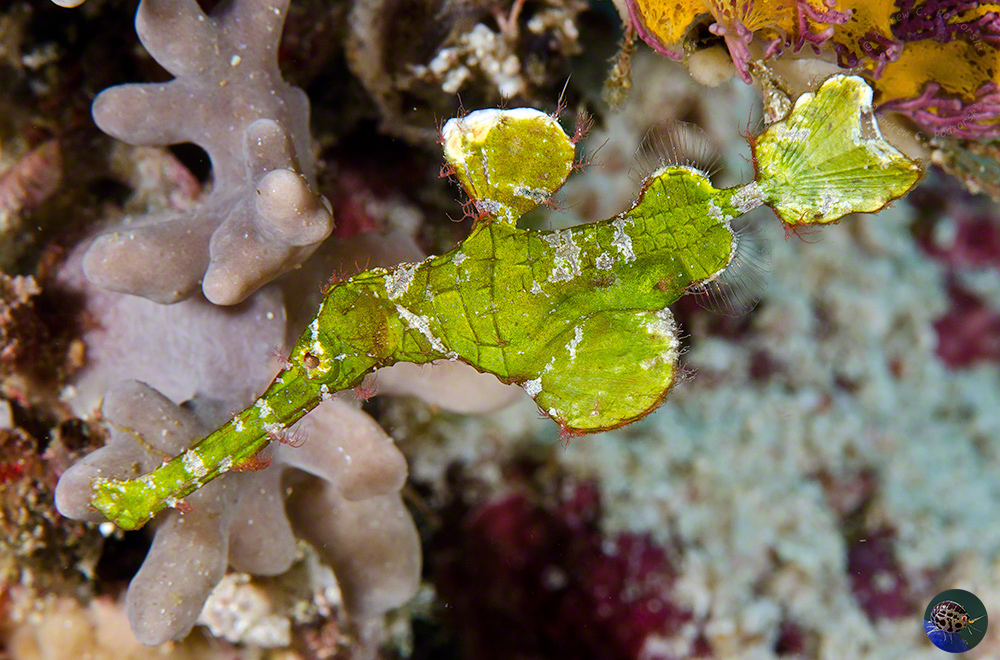
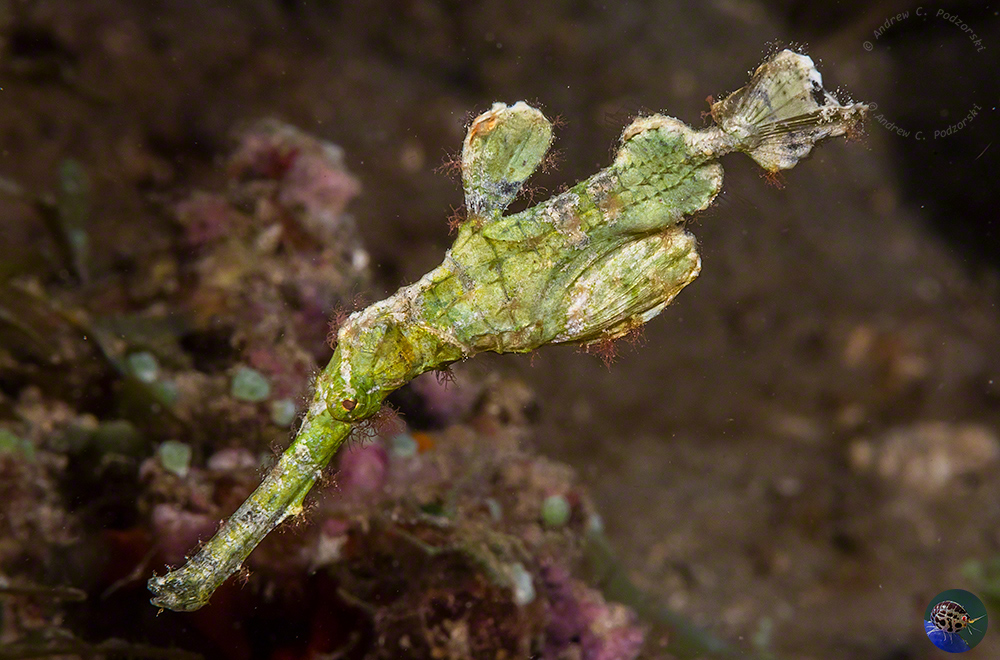
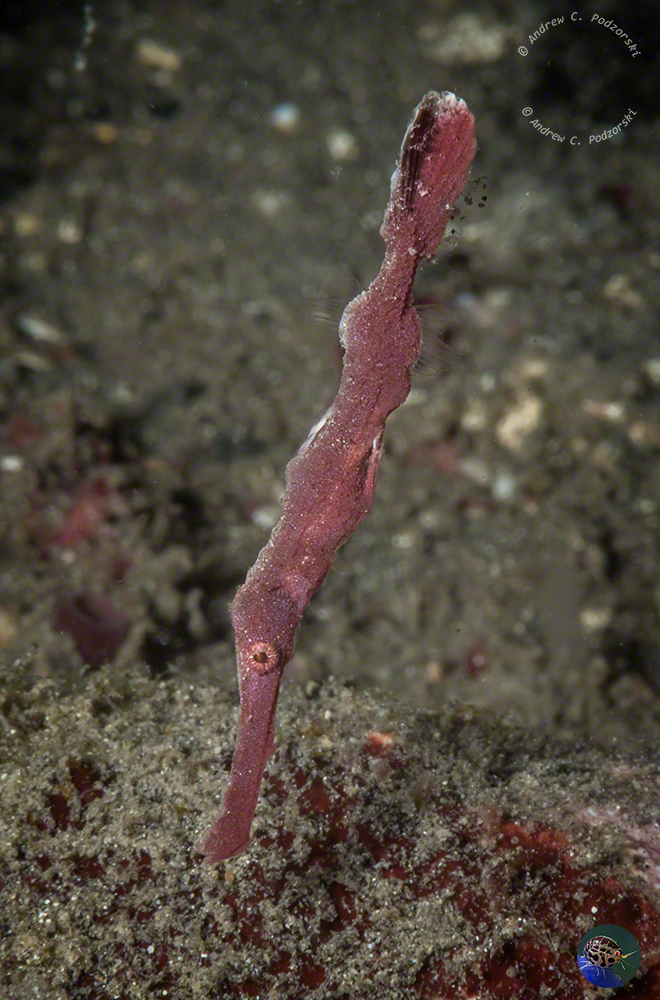
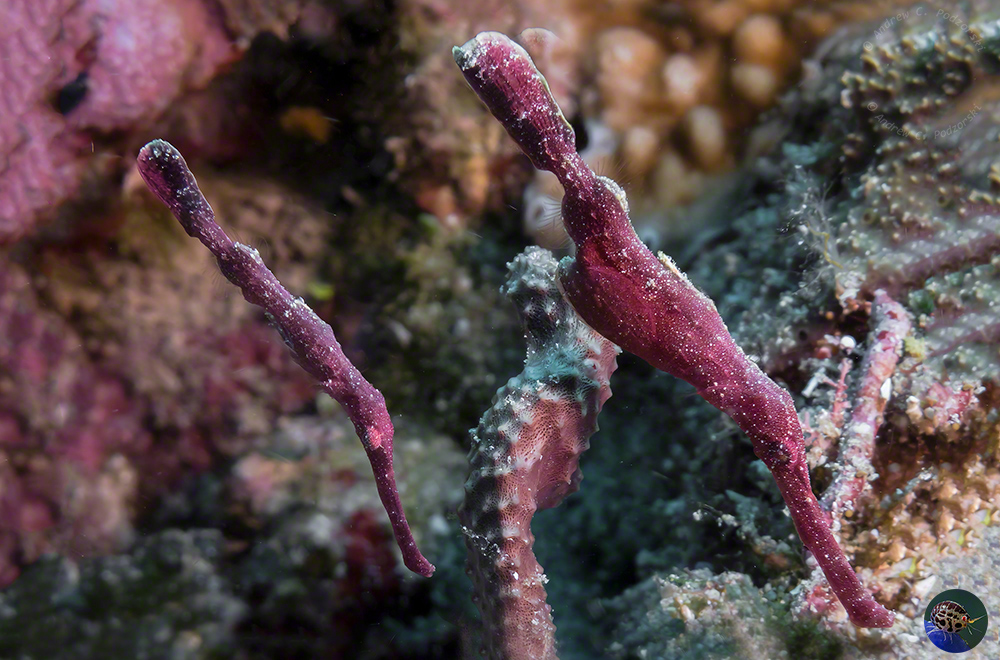
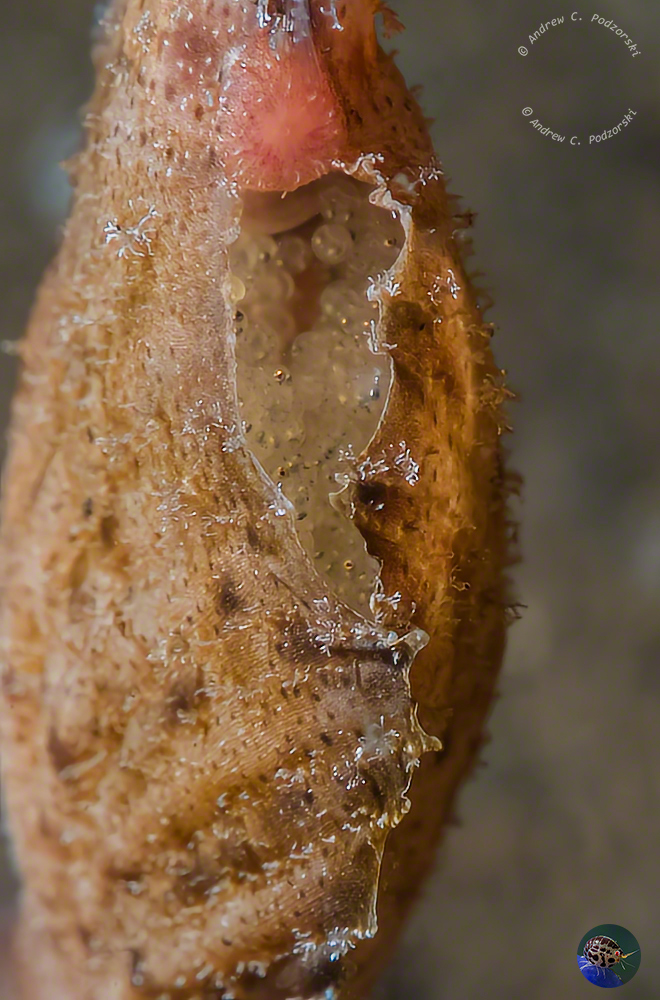
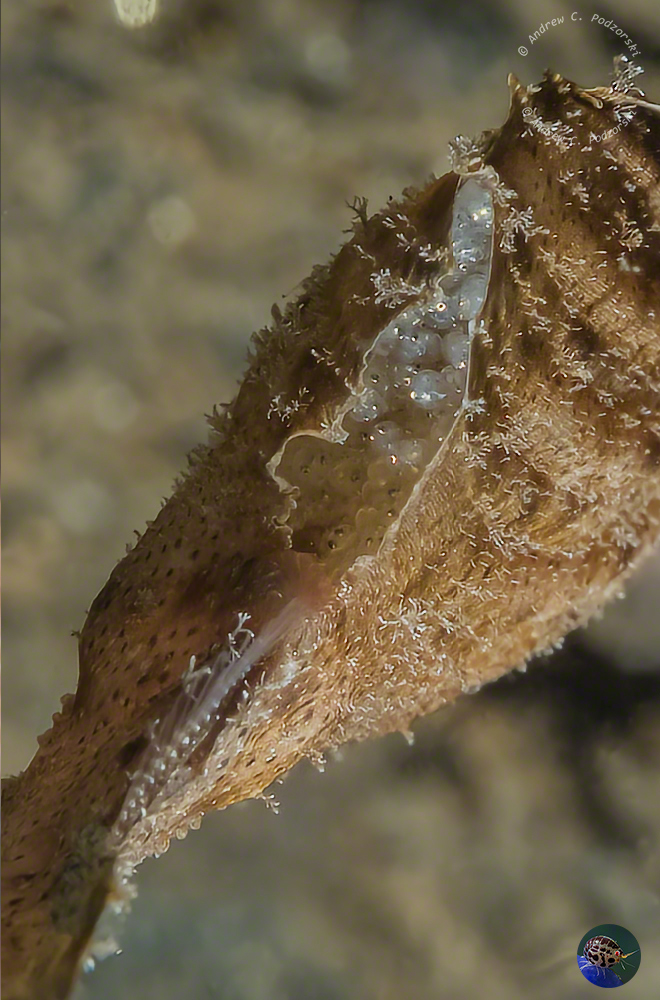
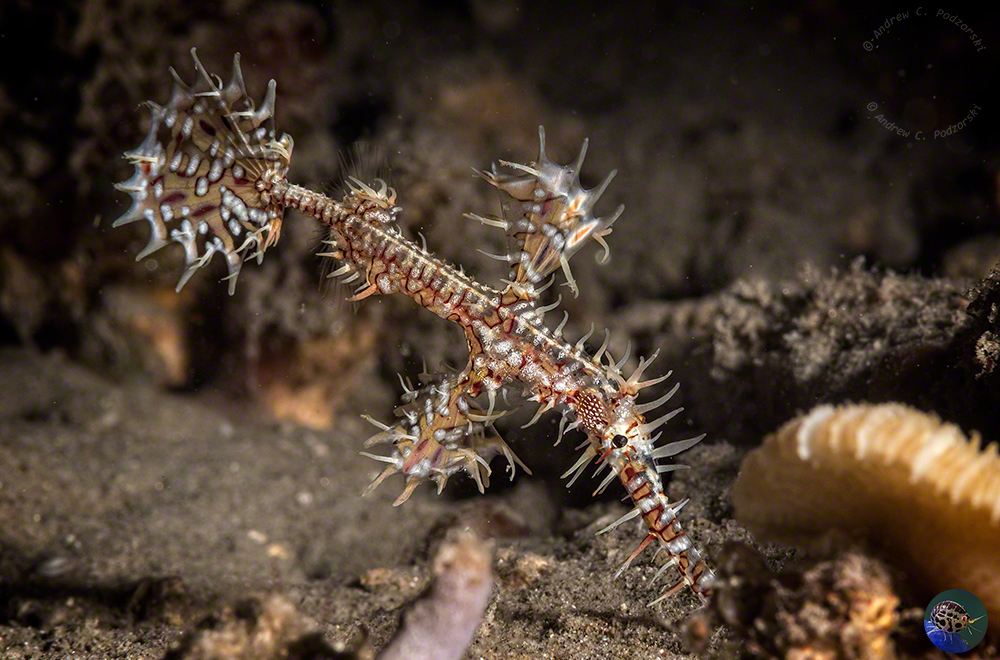
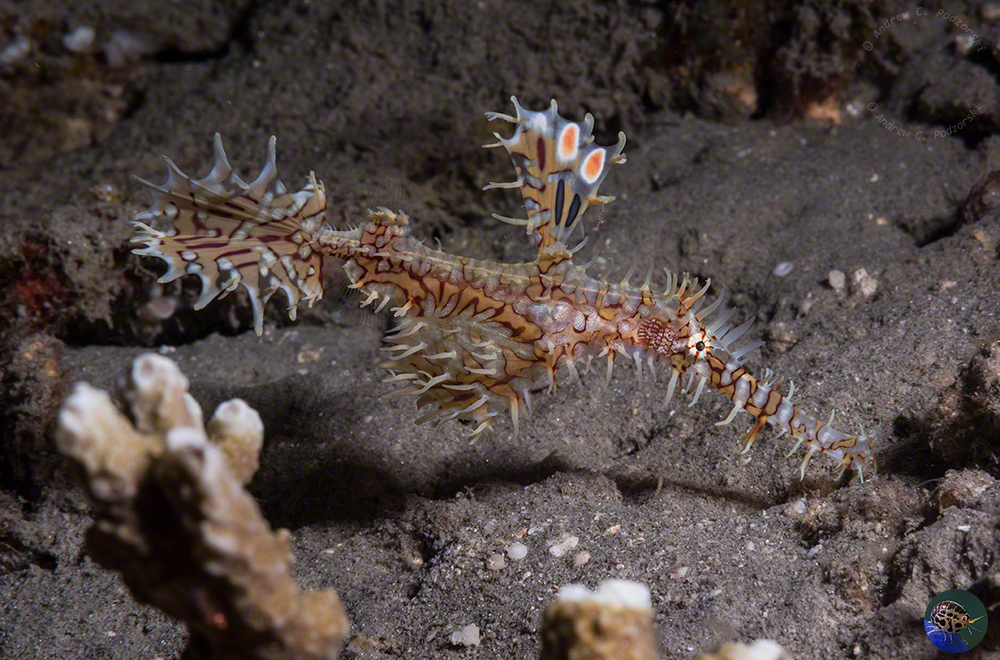
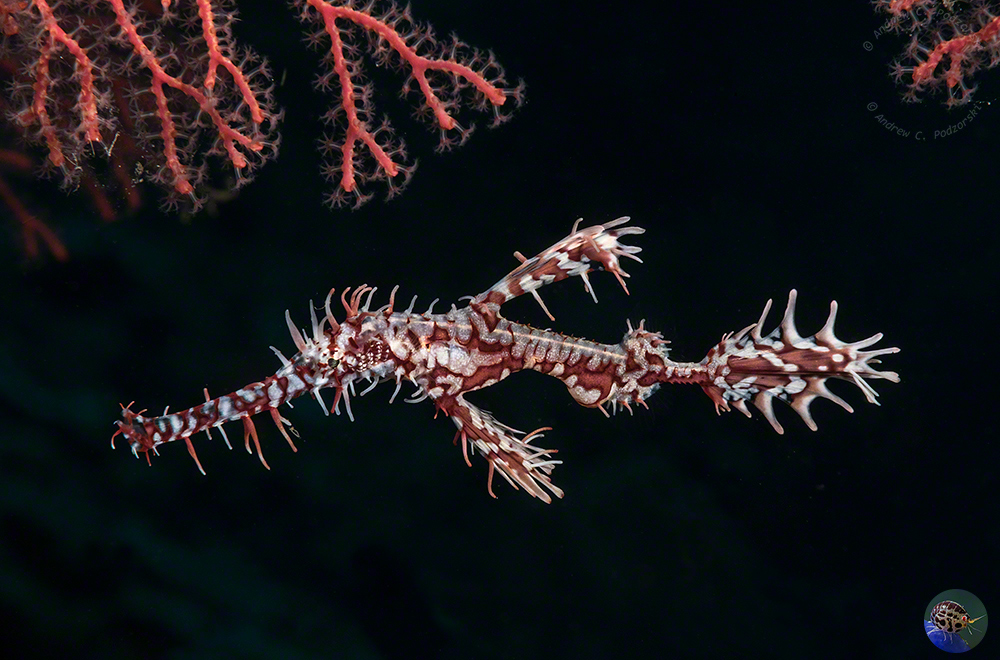
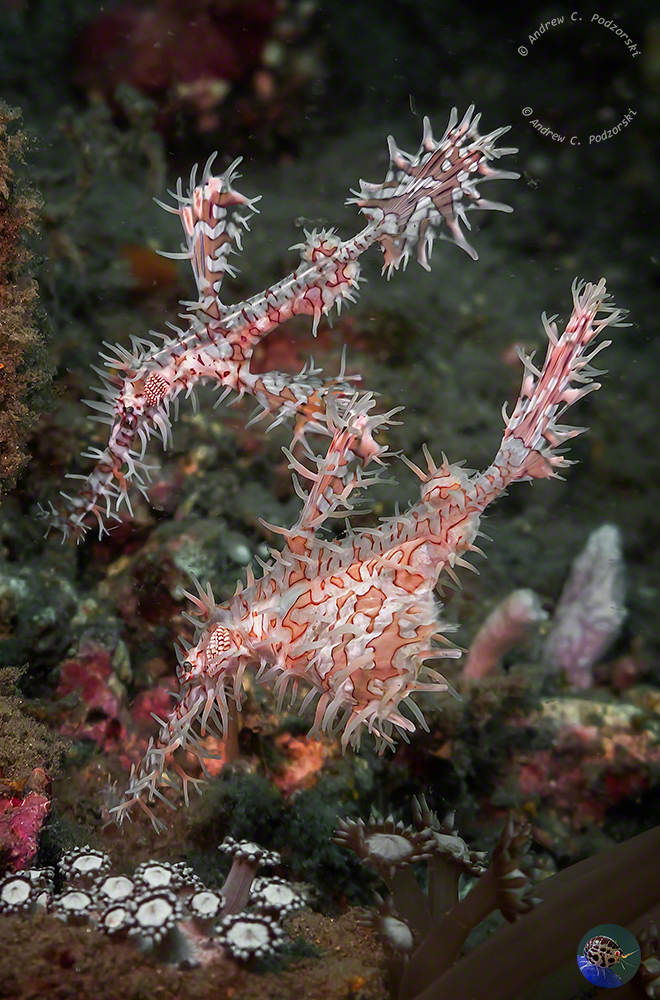
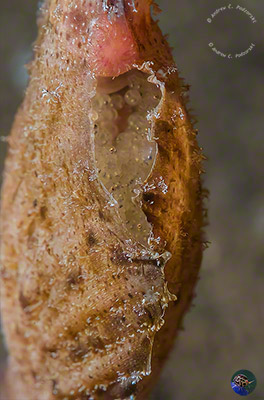
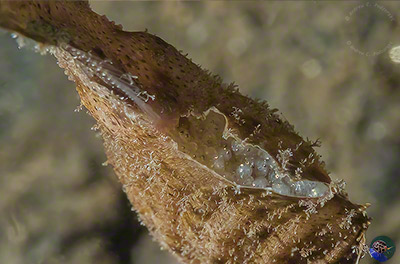
Ghost Pipefish also covered with segmented bony plates. Here, the females brood the eggs between their much enlarged pelvic fins which are tightly held together to form a pouch.
They have a long planktonic stage, reaching a relatively large size before settling. This accounts for their sudden appearance in numbers in some areas. Rudi Kuiter reports that they seem to have a short lifespan, perhaps just a year or season. Divers report that in some areas they are no longer seen after the young have hatched.
The six species are very variable in both colour and "ornamentation", but all blend well into the background. They are easily overlooked. Genetic studies are needed to determine the true number of species and their interrelationships.
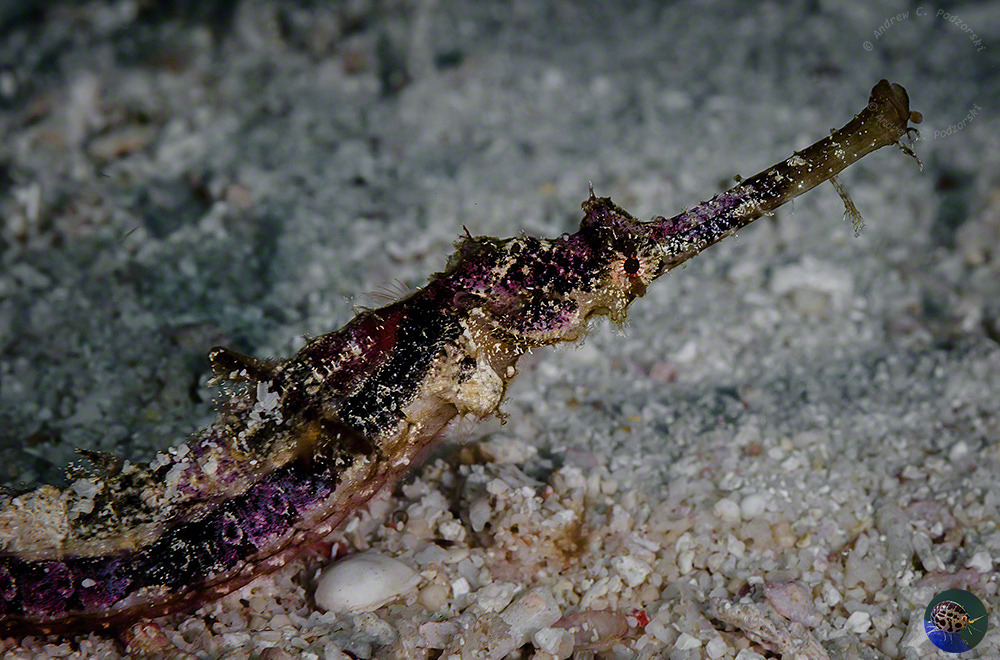
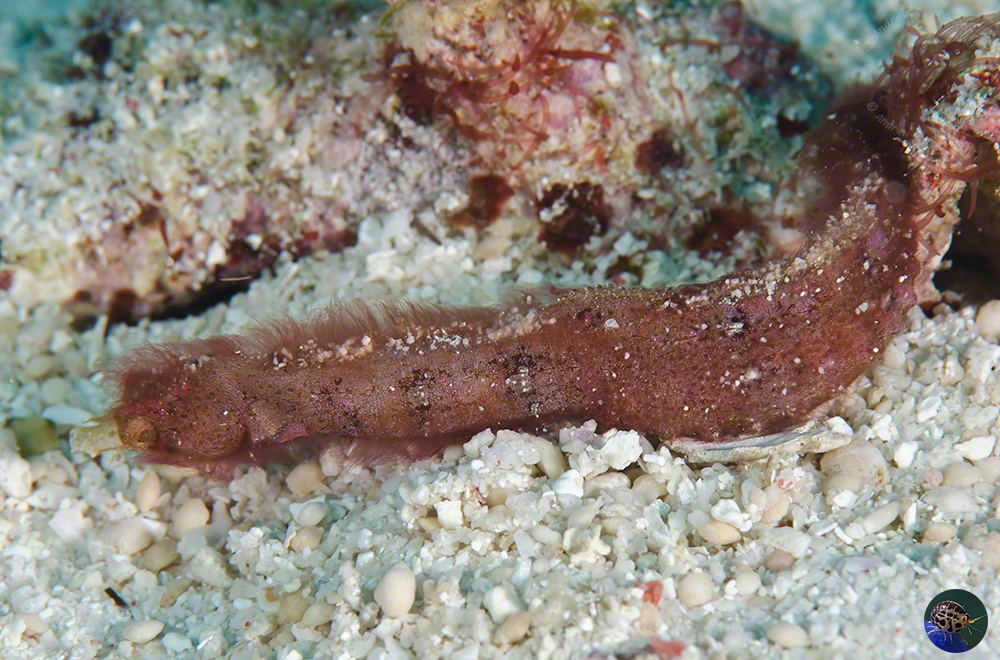
Pipefish & Pipehorses
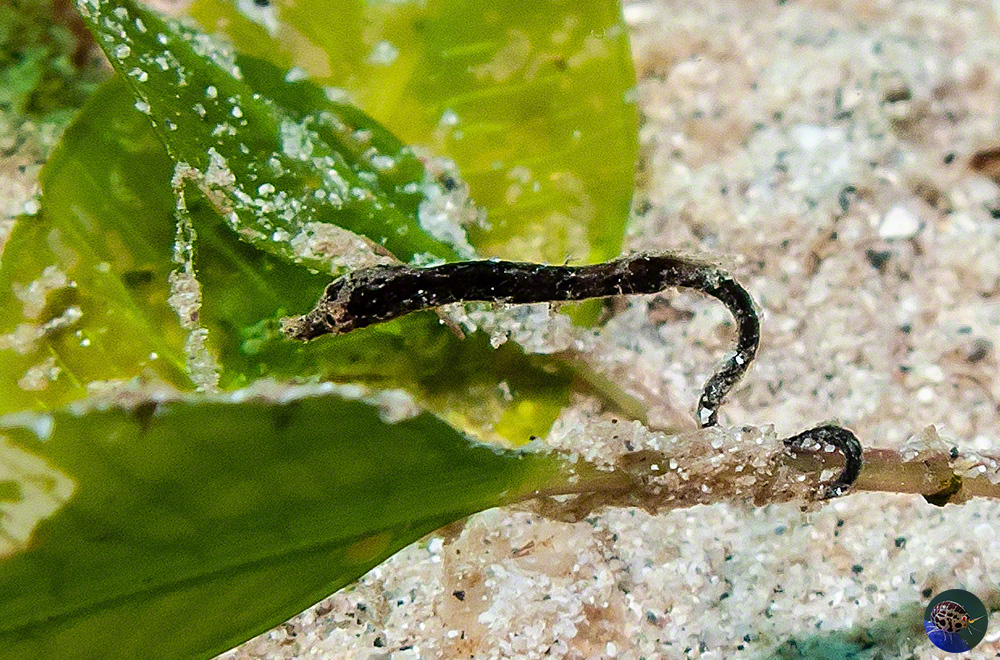
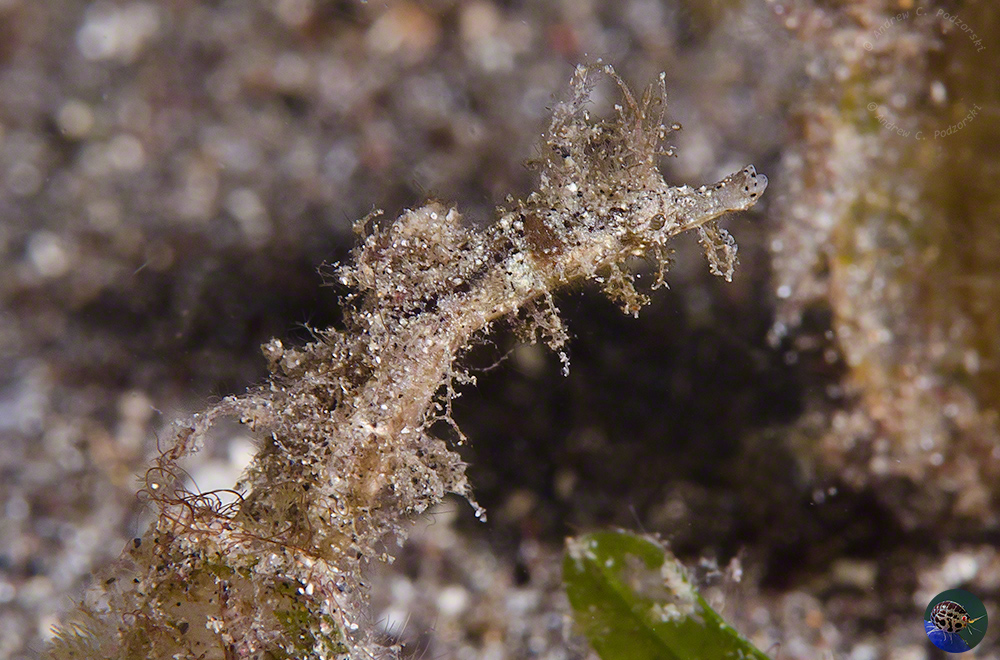
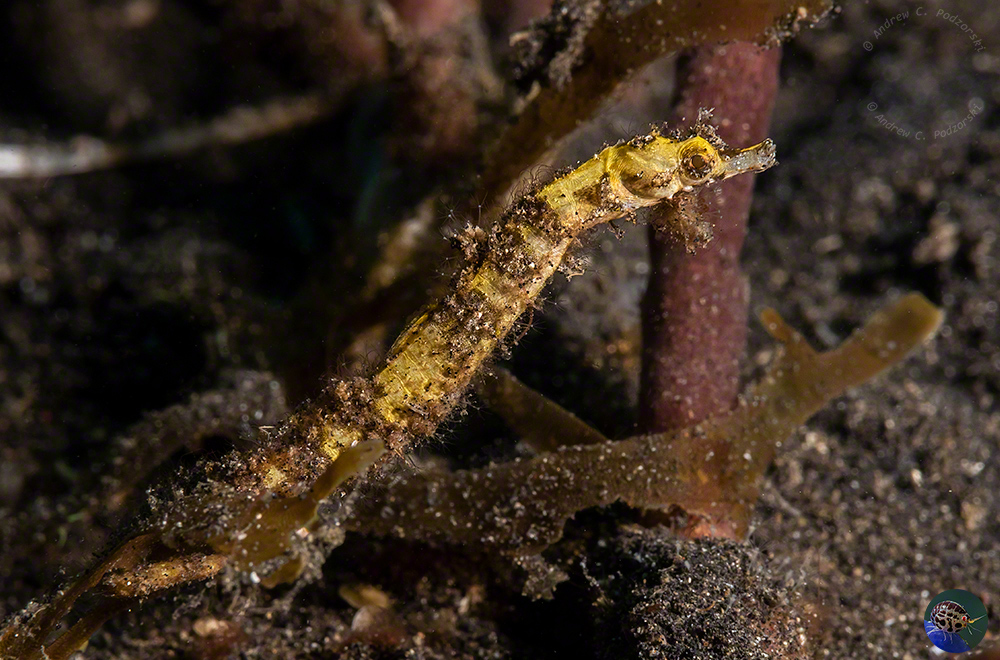
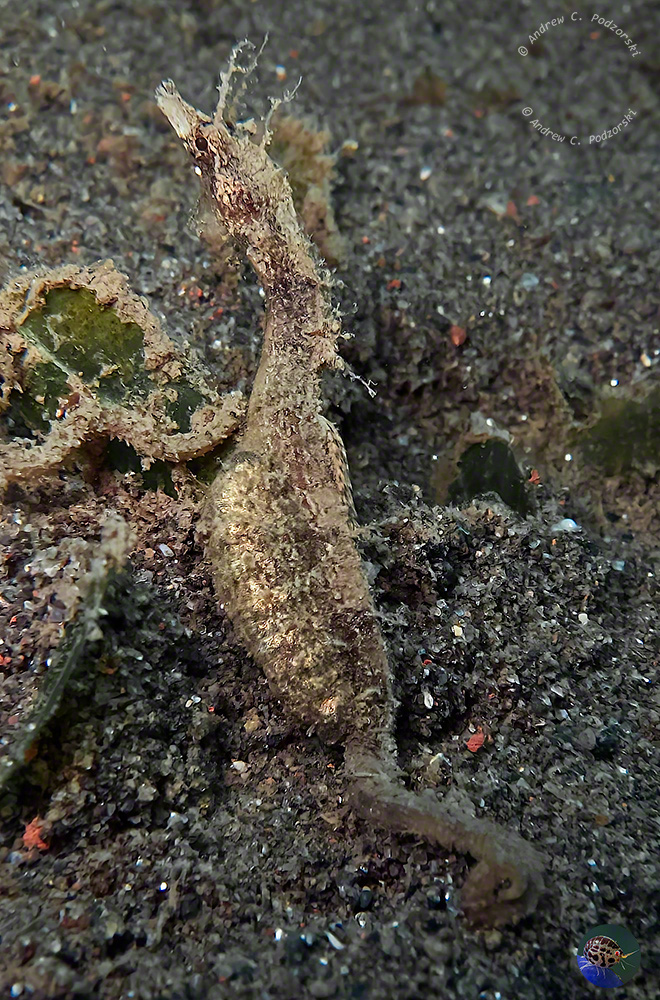
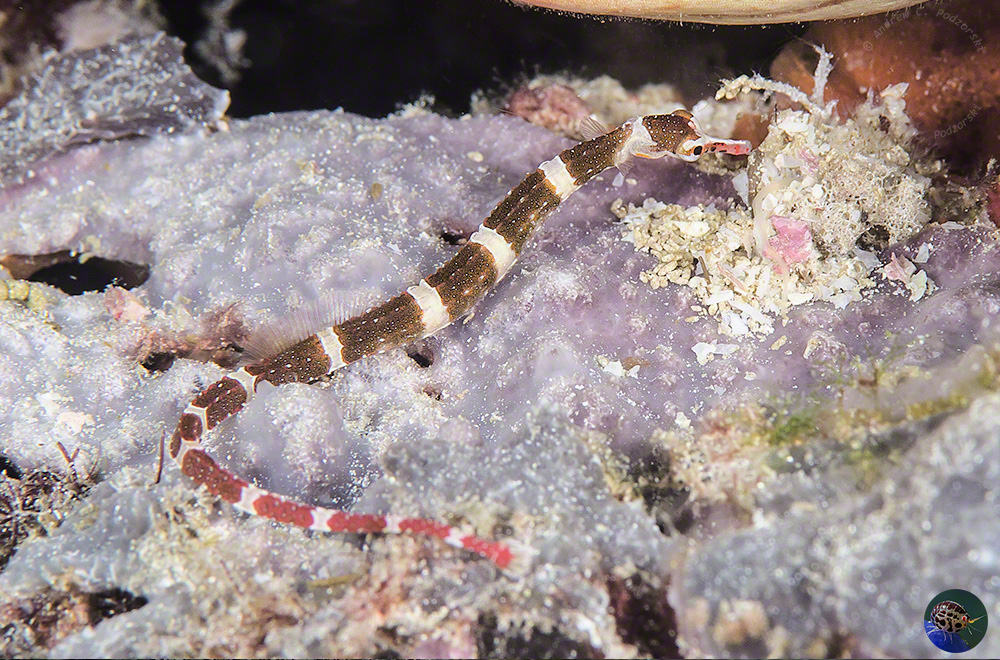
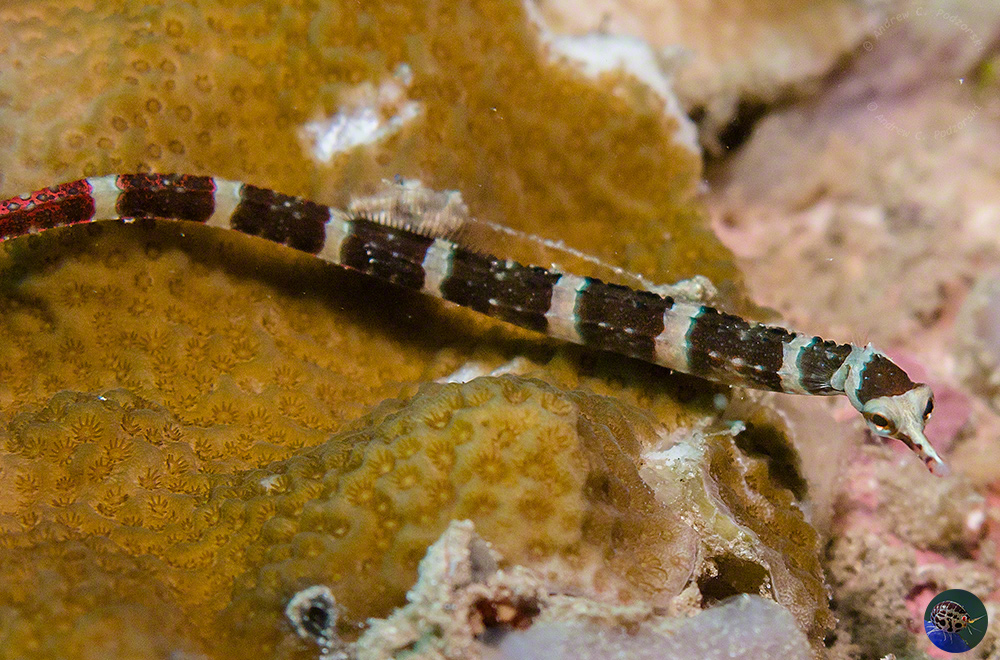
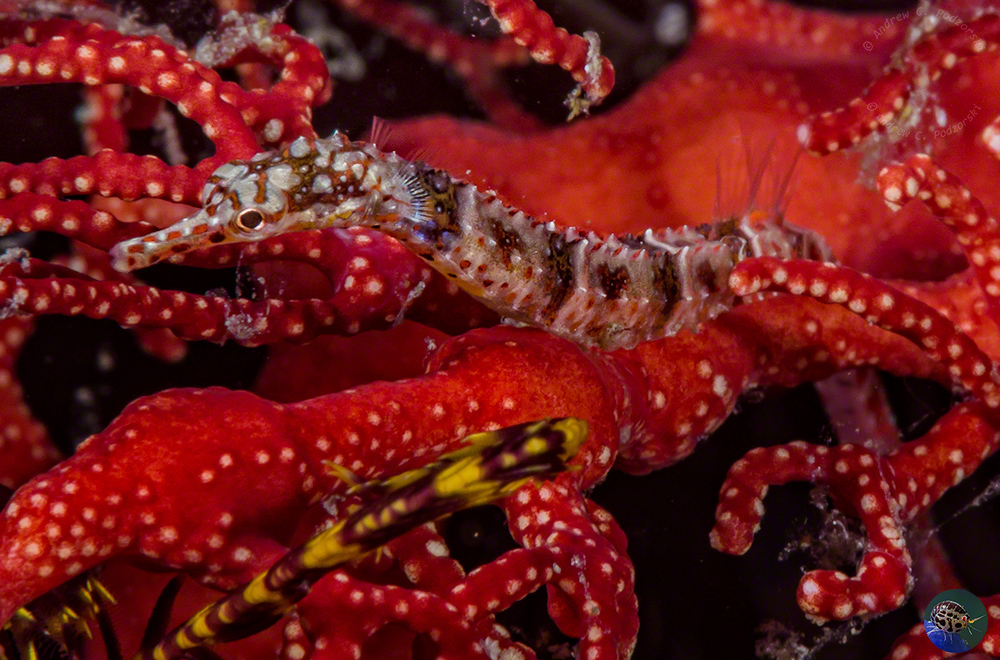
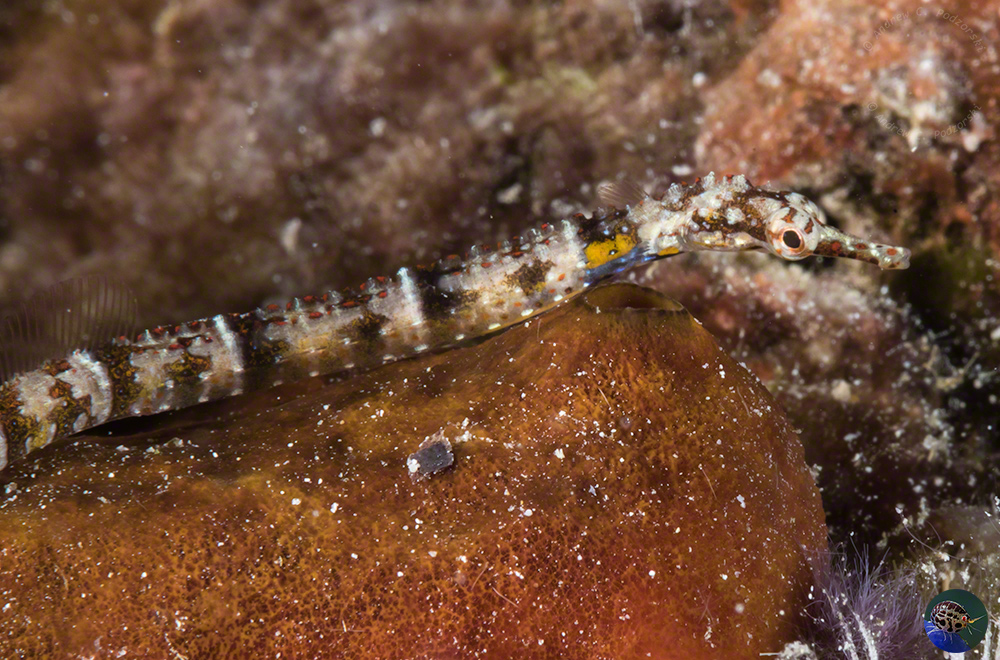
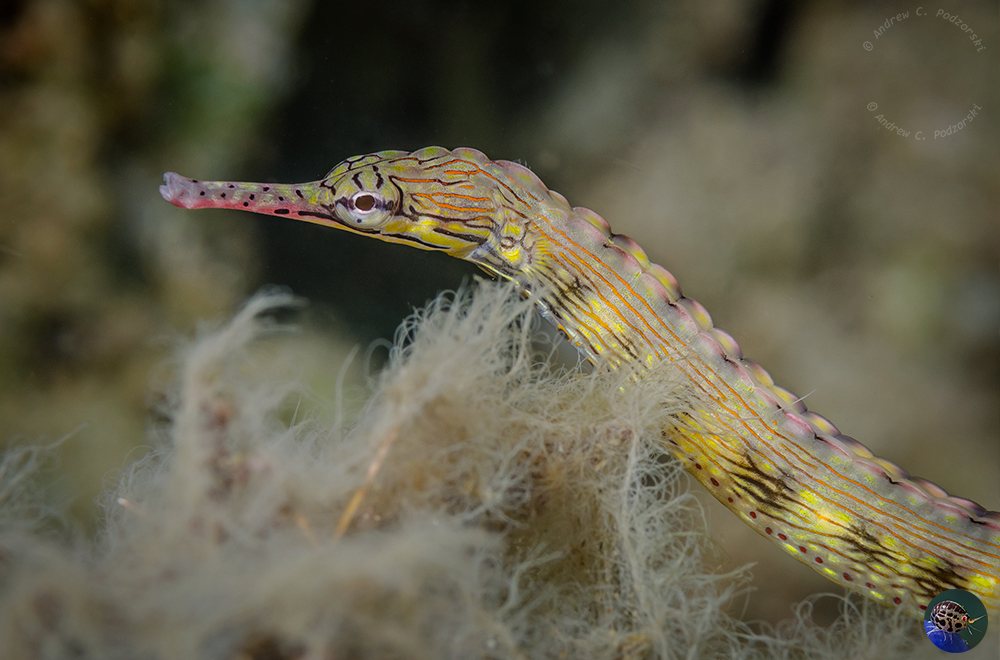
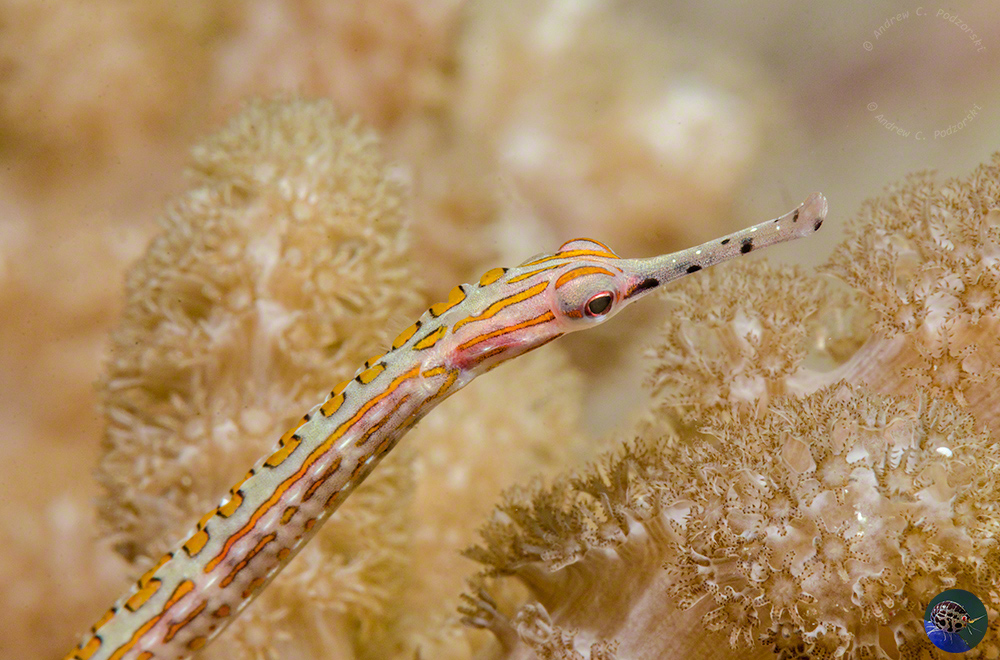
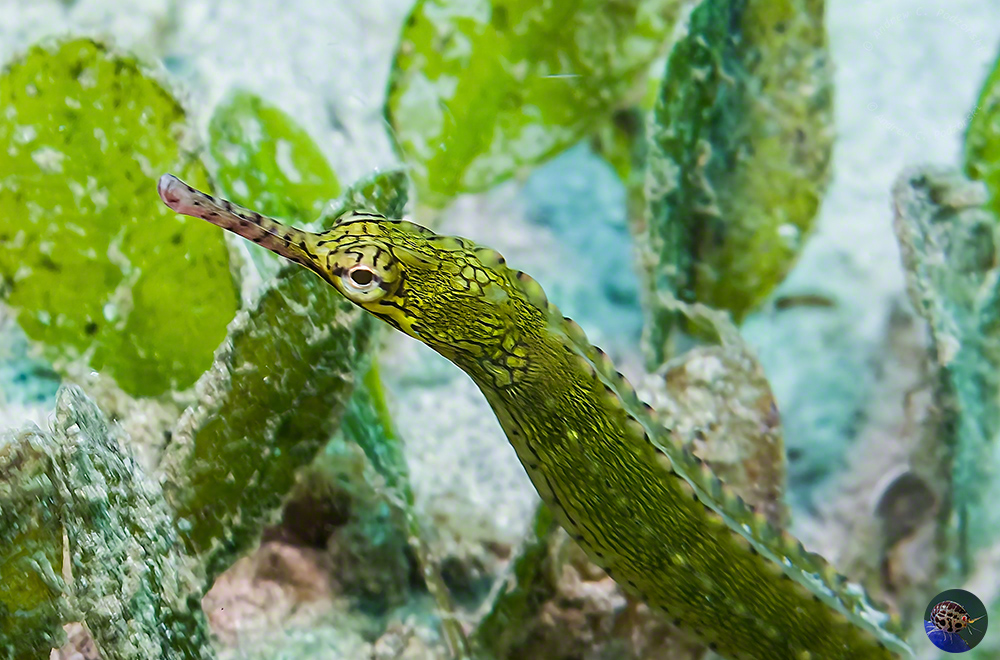
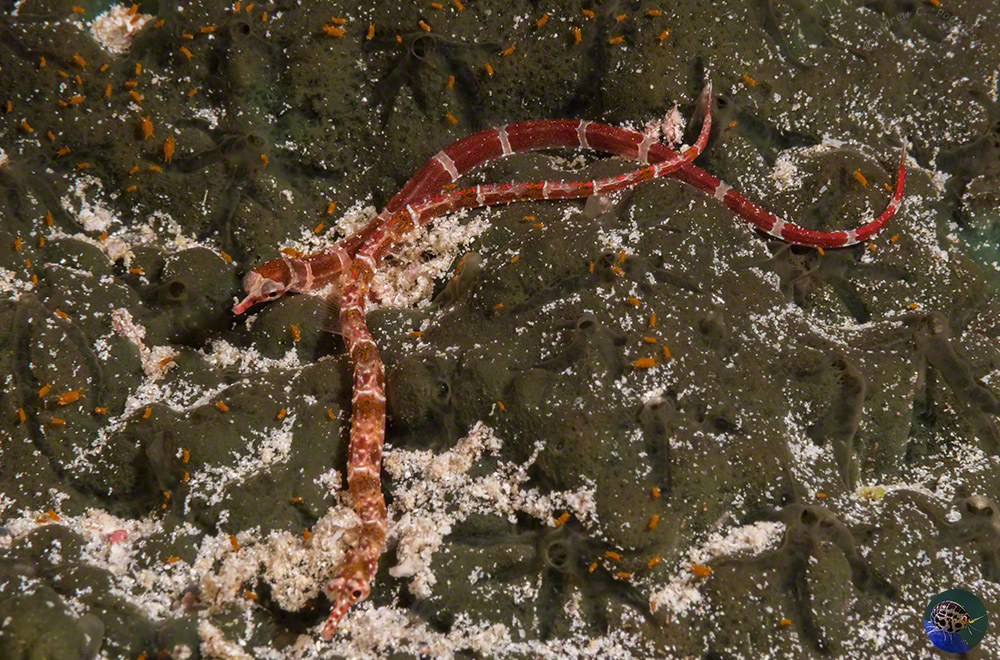
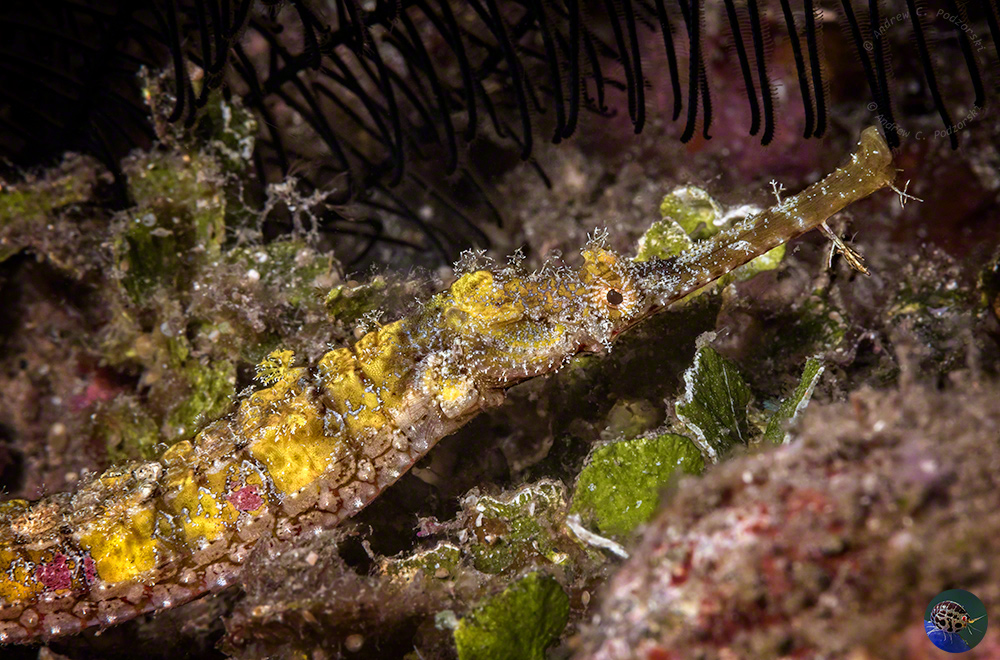
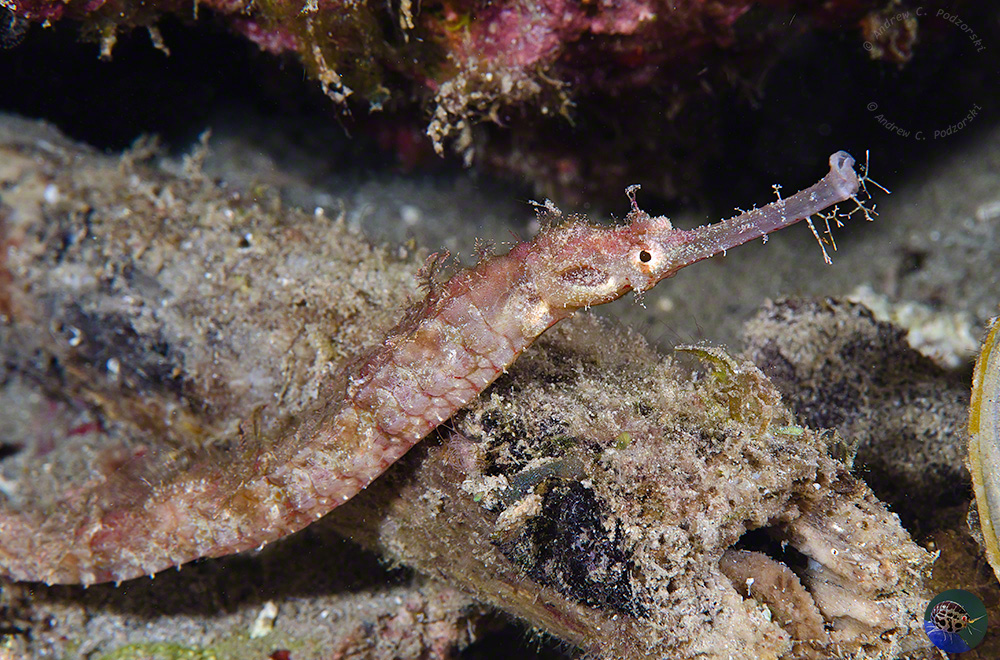
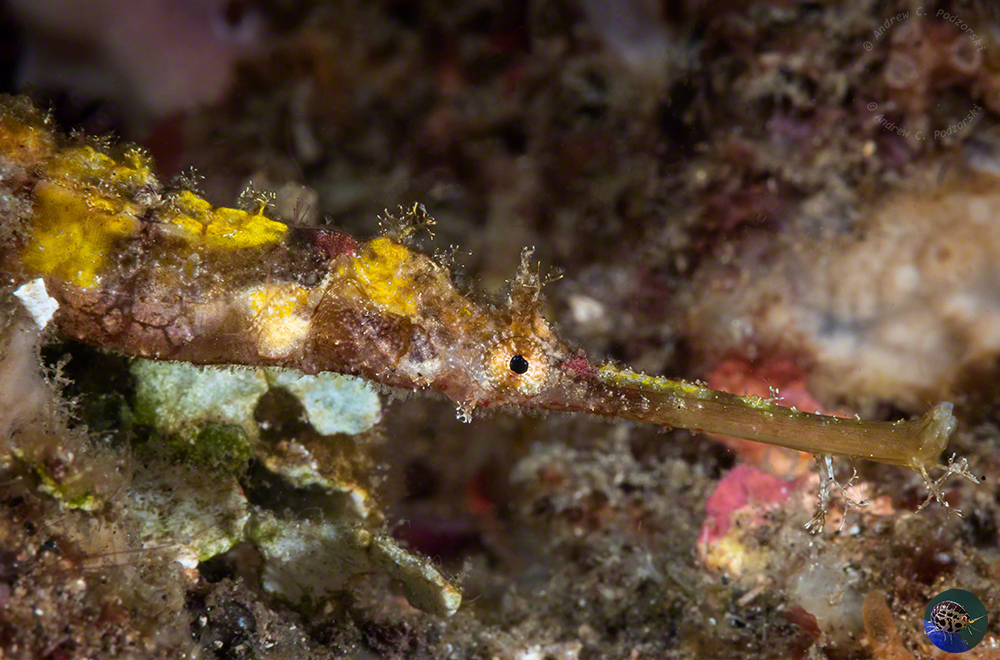
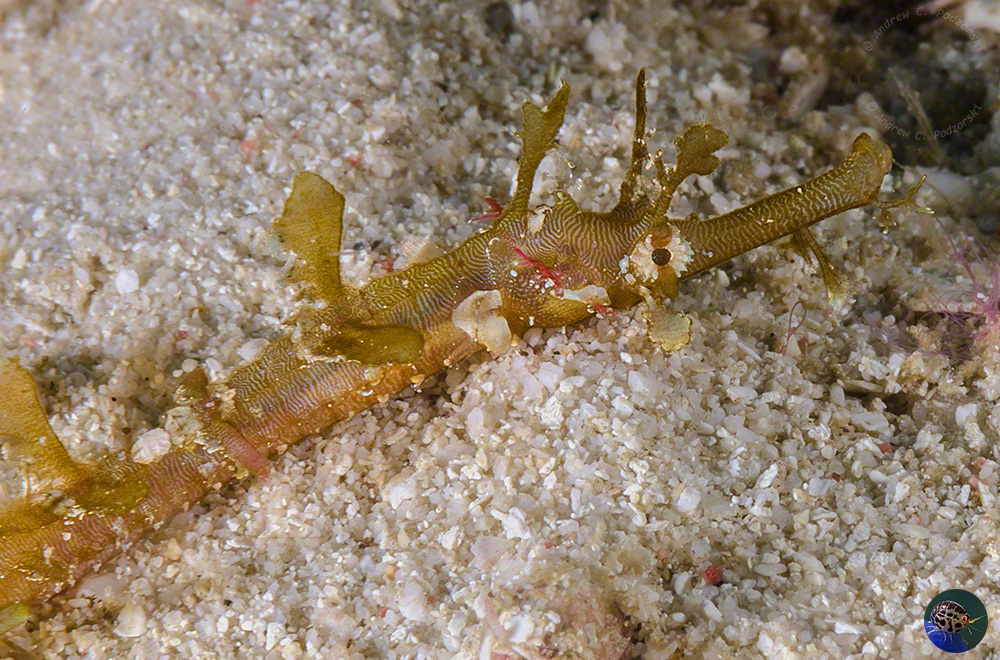
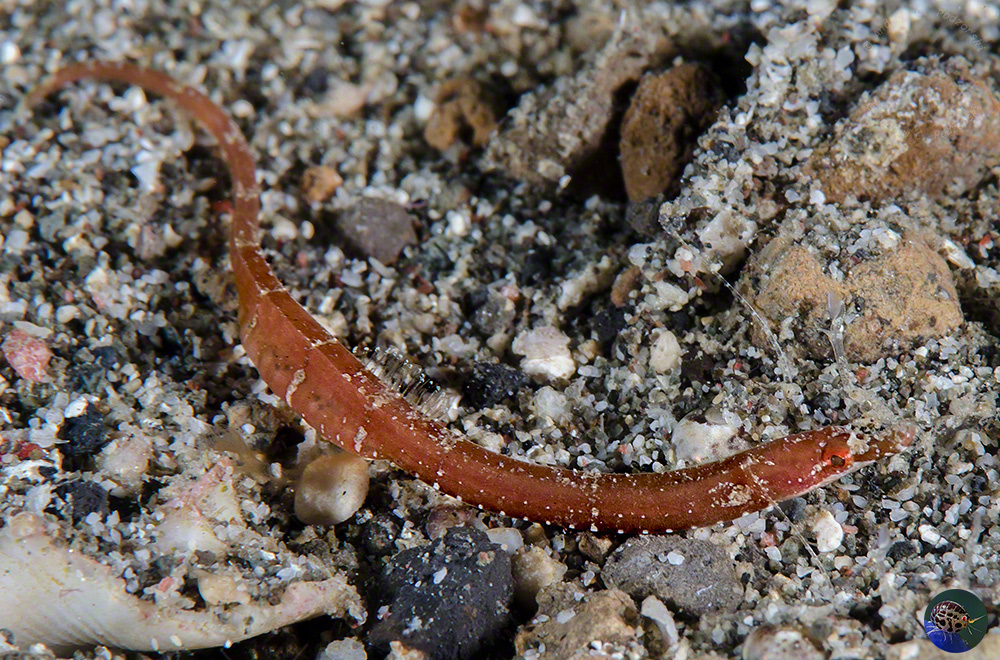
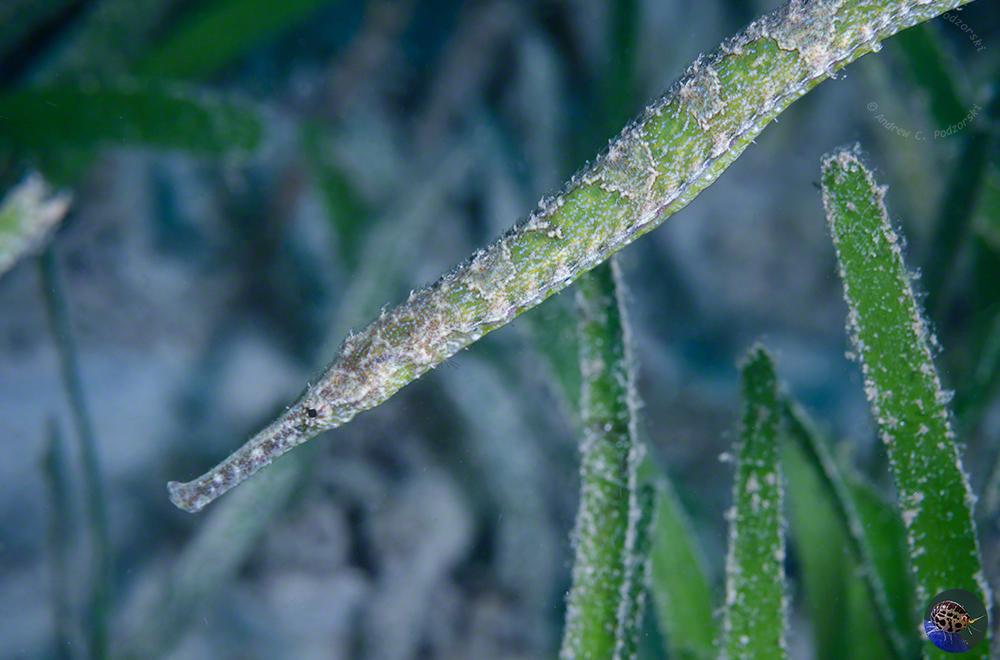
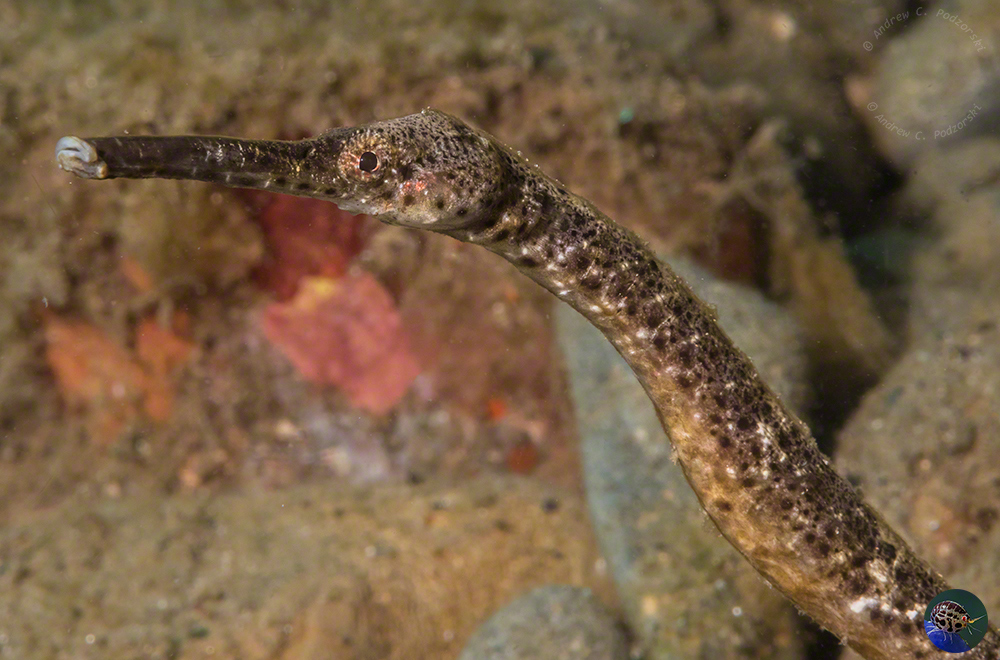
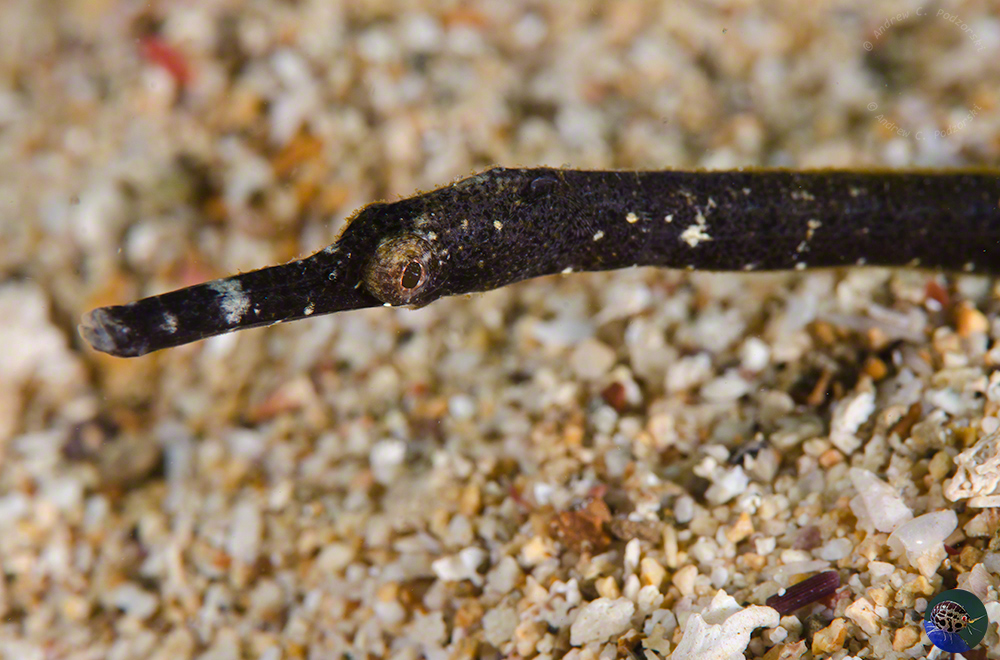
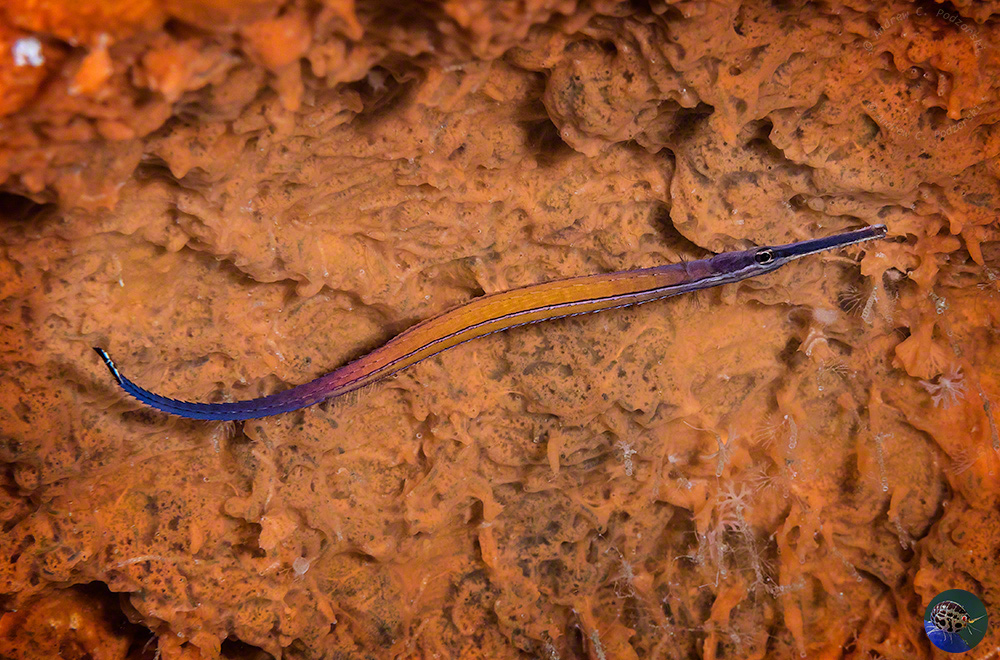
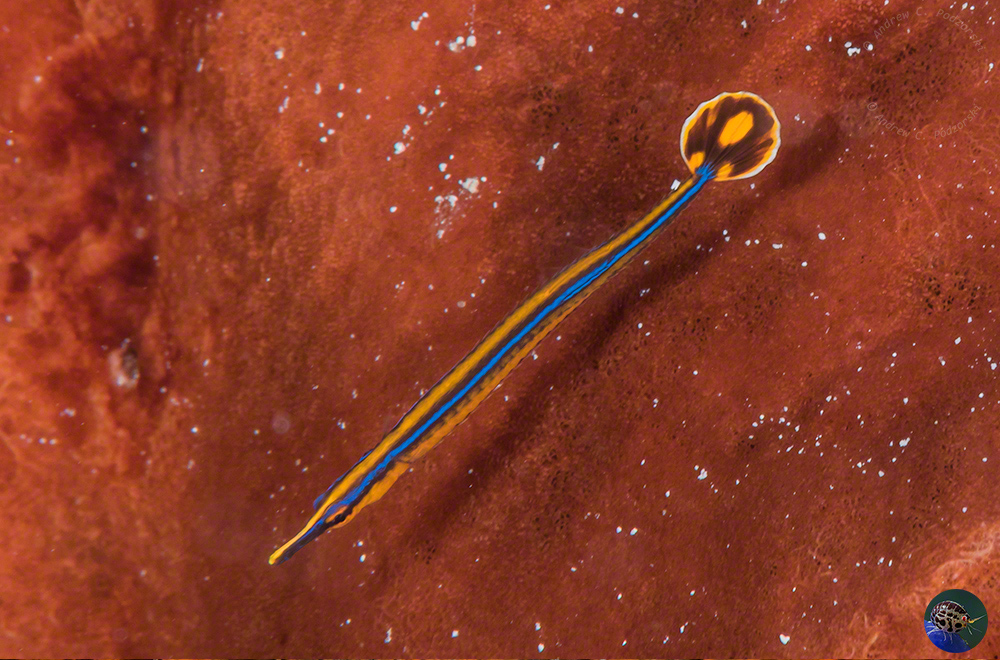
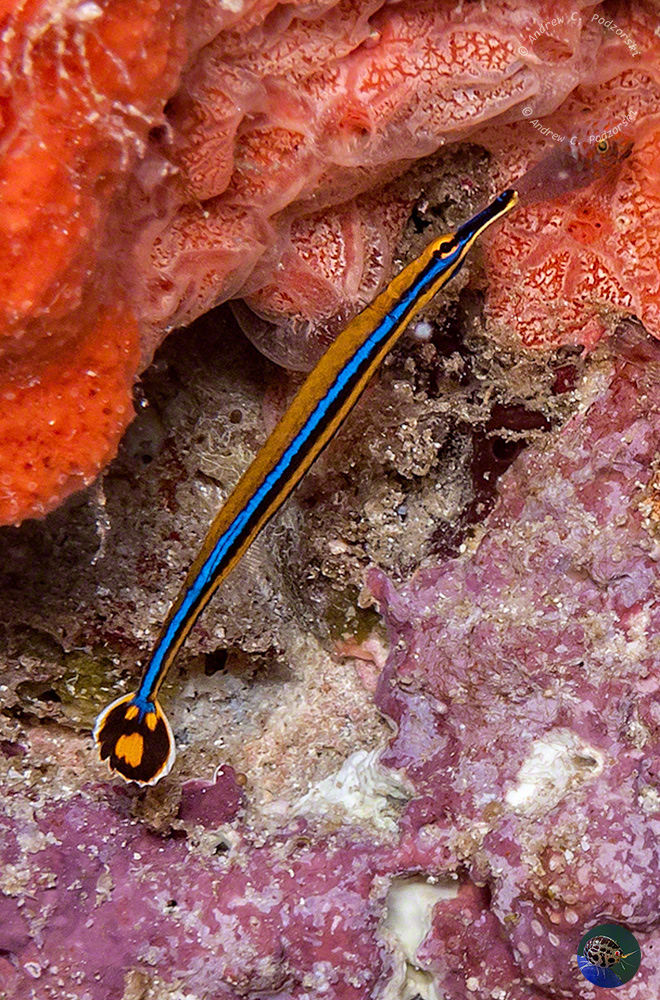
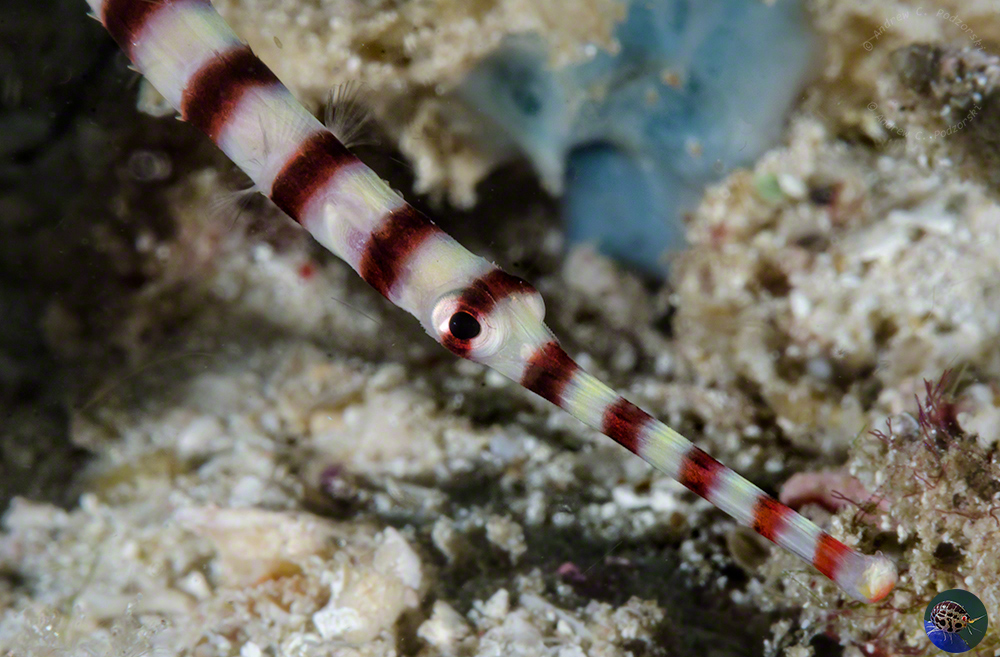
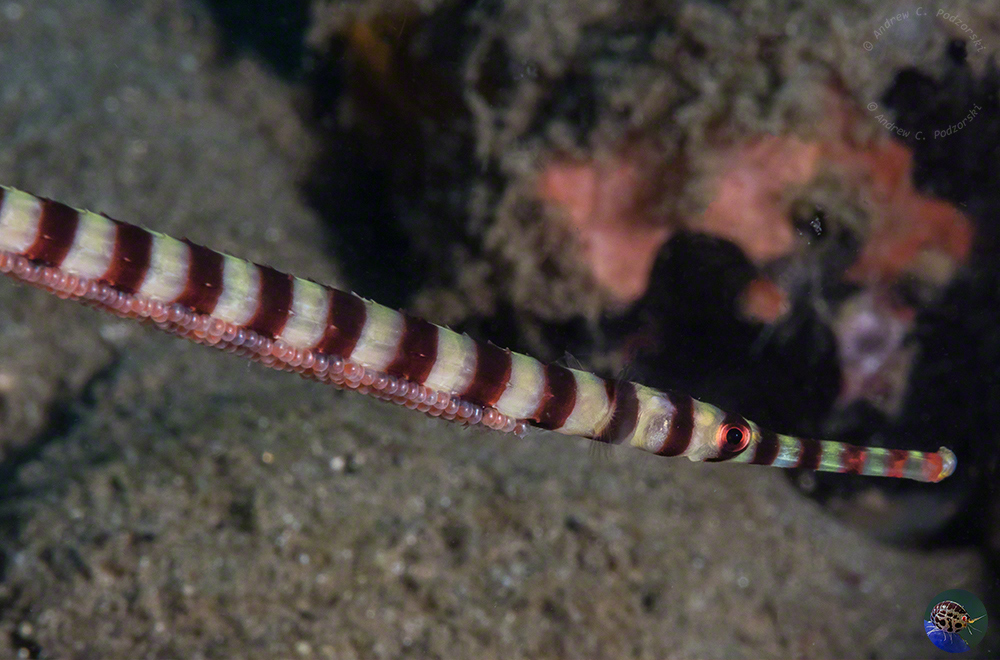
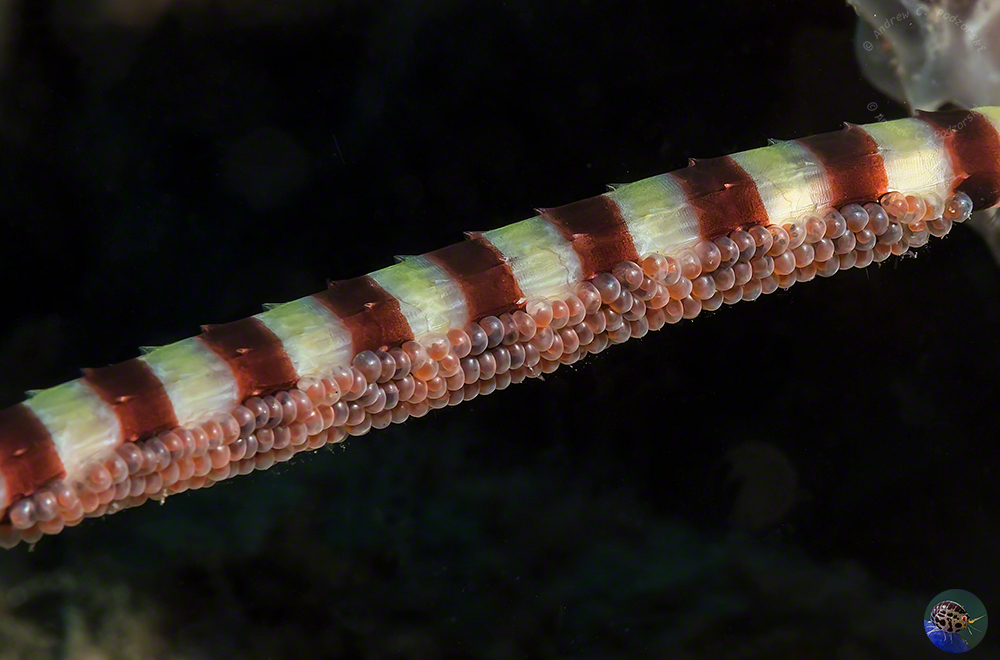
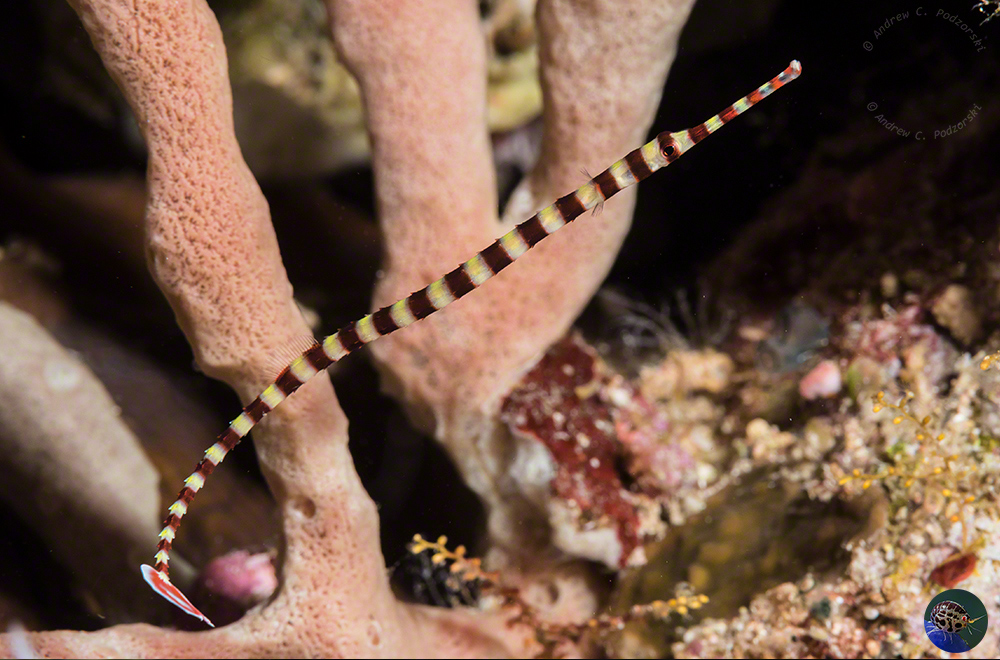
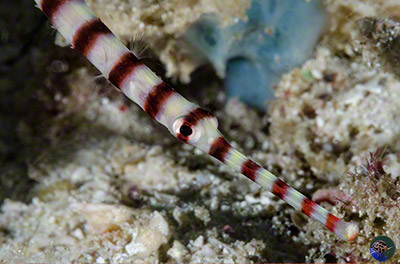
Pipefish and pipehorses are covered in the ridged bony plates typical of the group. Pipehorses look like elongated seahorses, and the males brood the eggs in a pouch, In many species of pipefish, the males carry their eggs in a long groove along their abdomen.
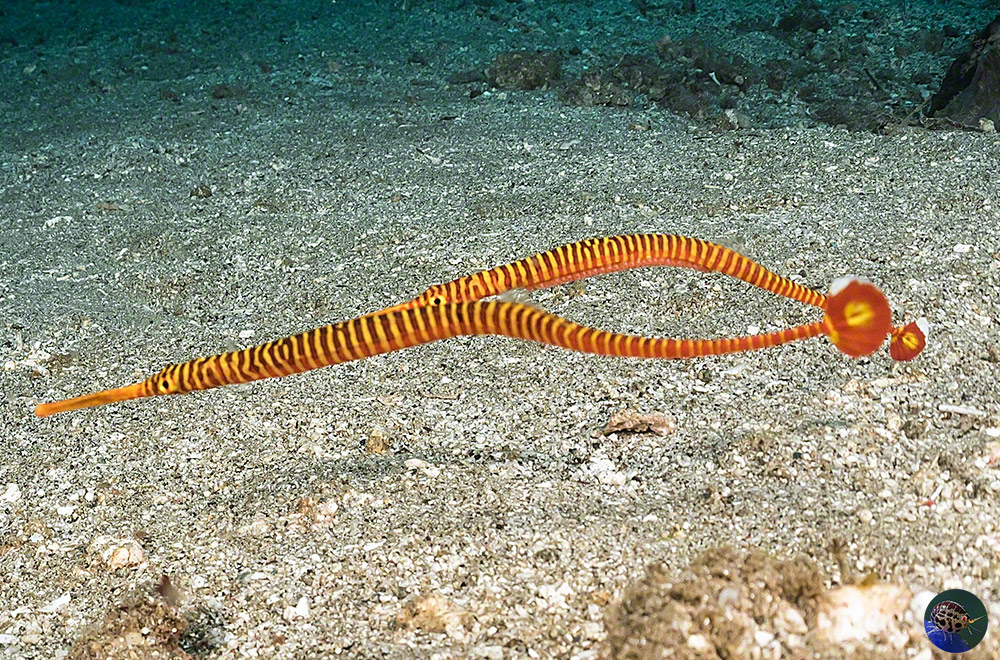
Mating displays in some species is complex as the pair "dance" a paar de deux before actual mating. Dramatic colour changes can occur in the males.
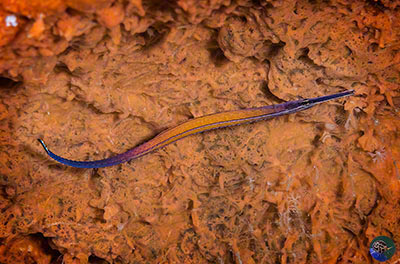
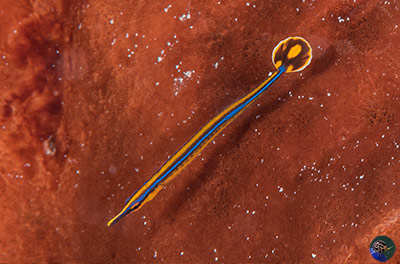
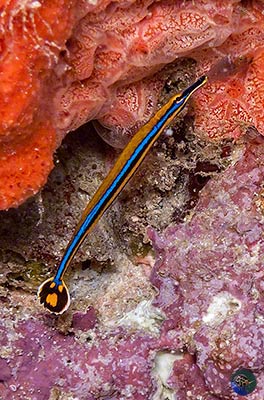
One group of genera are often seen in association with cleaning shrimps and are also active fish-parasite "cleaners". Doryrhamphus and Dunckerocampus are the main genera here.
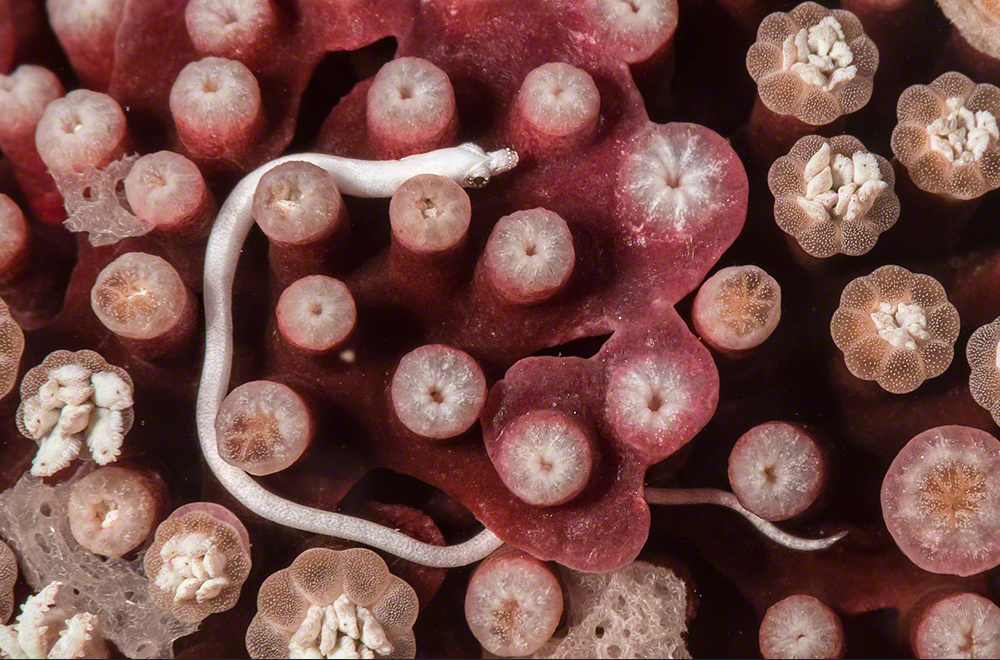
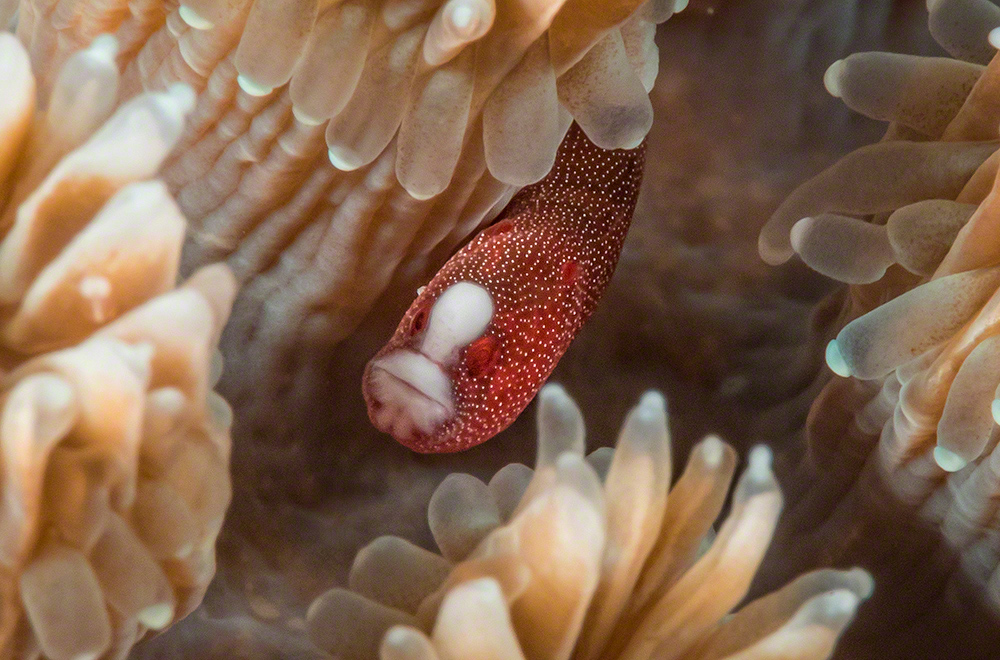
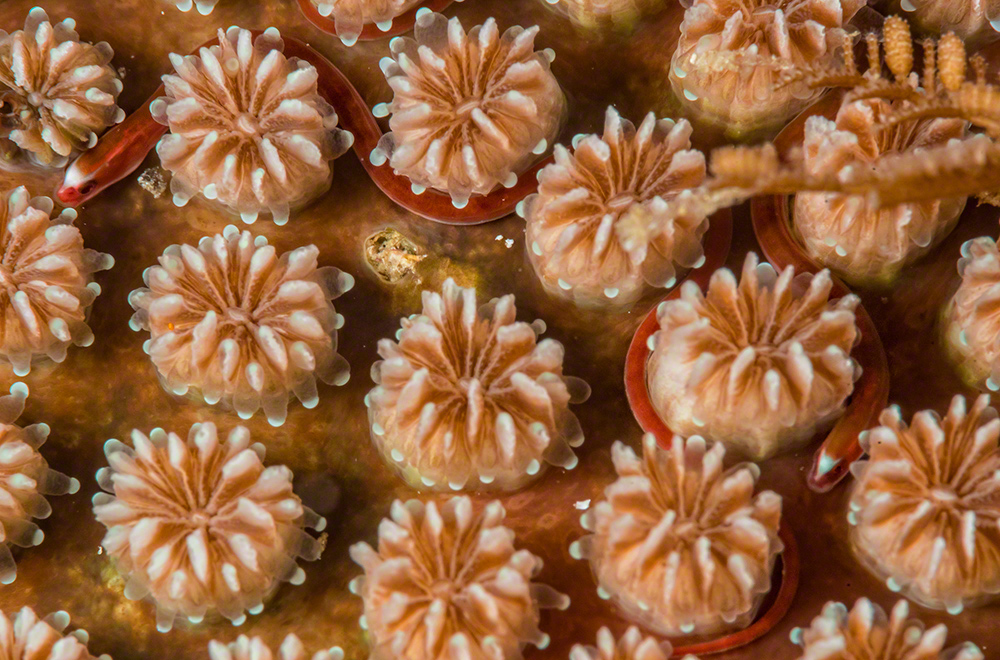
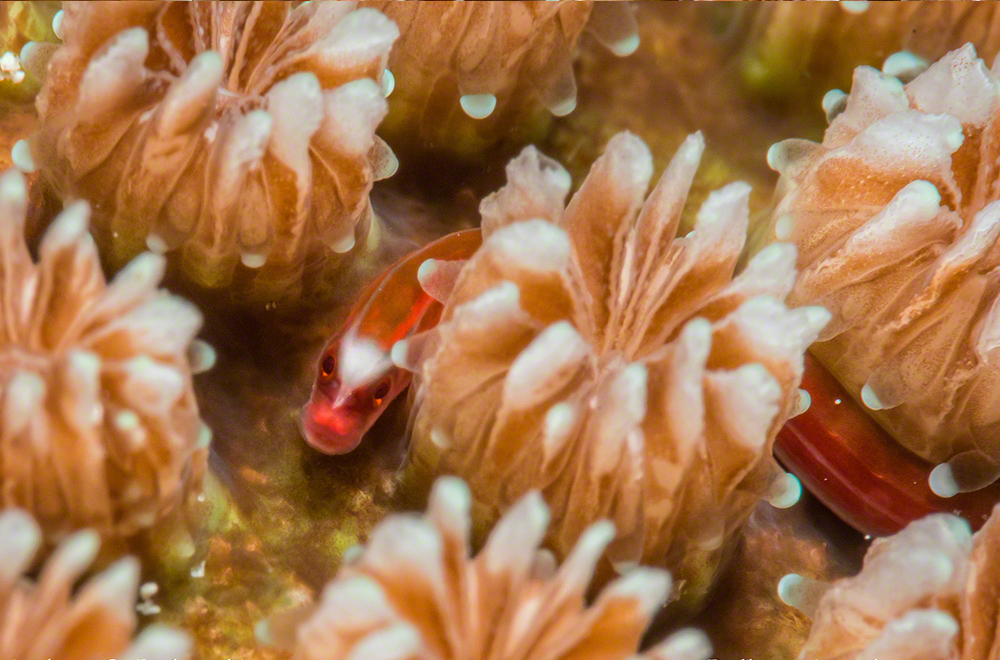
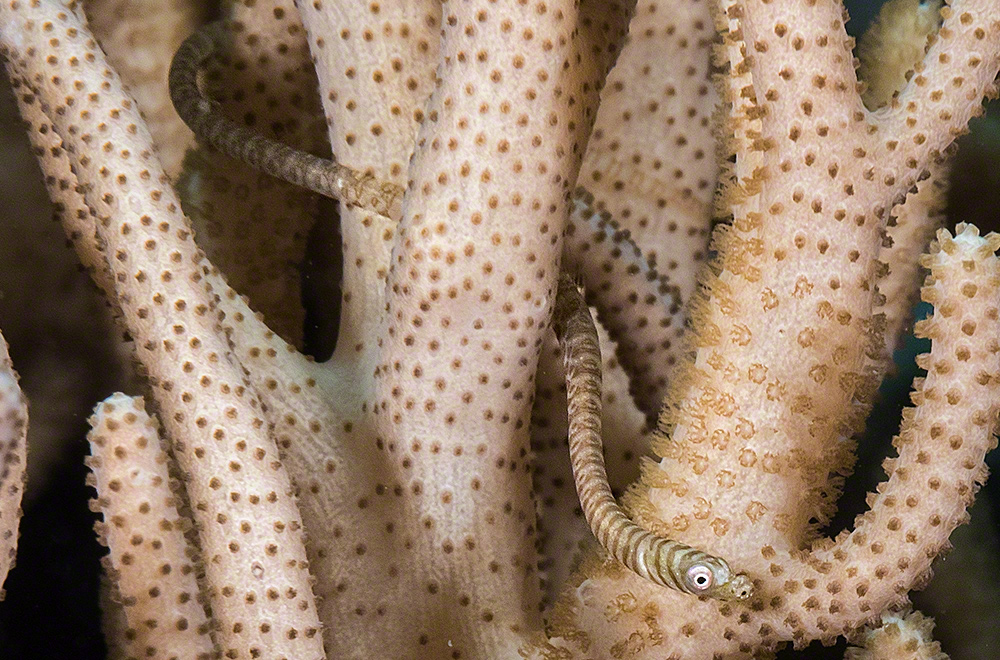
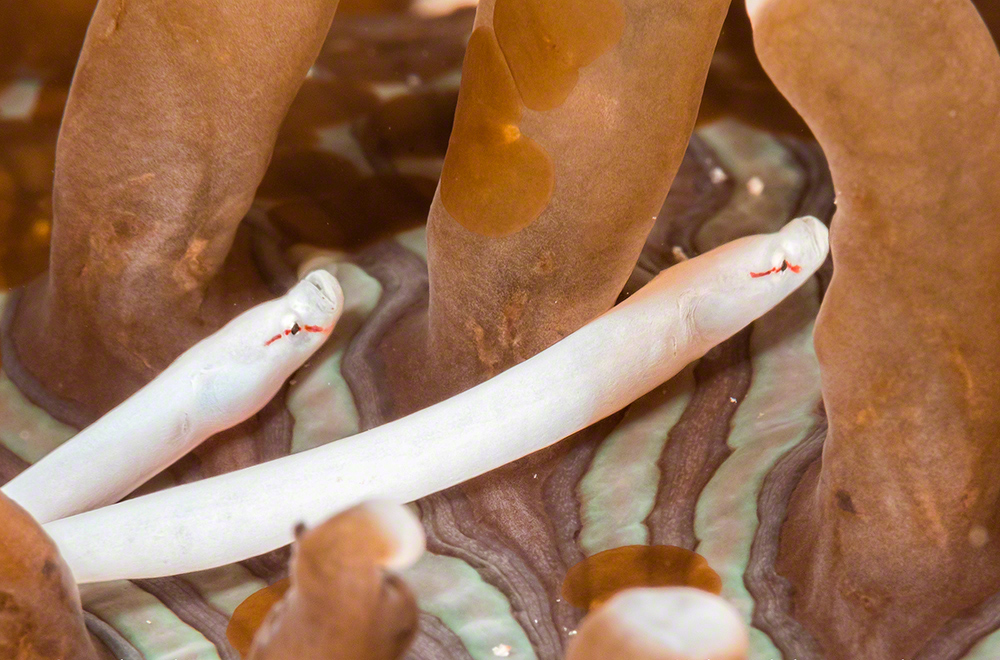
A number of species live exclusively between the polyps of hard corals. The Mushroom Coral Pipefish (Siokunichtys nigrolineatus) is the best known of these. Bulbonaricus species in Galaxia corals are more of a challenge to find, while finding Apterygocampus in Organpipe Coral Tubipora is more than a challenge.
Identification is again difficult in many genera as it is dependant on precise anatomical details.
Non-specialist pipefish
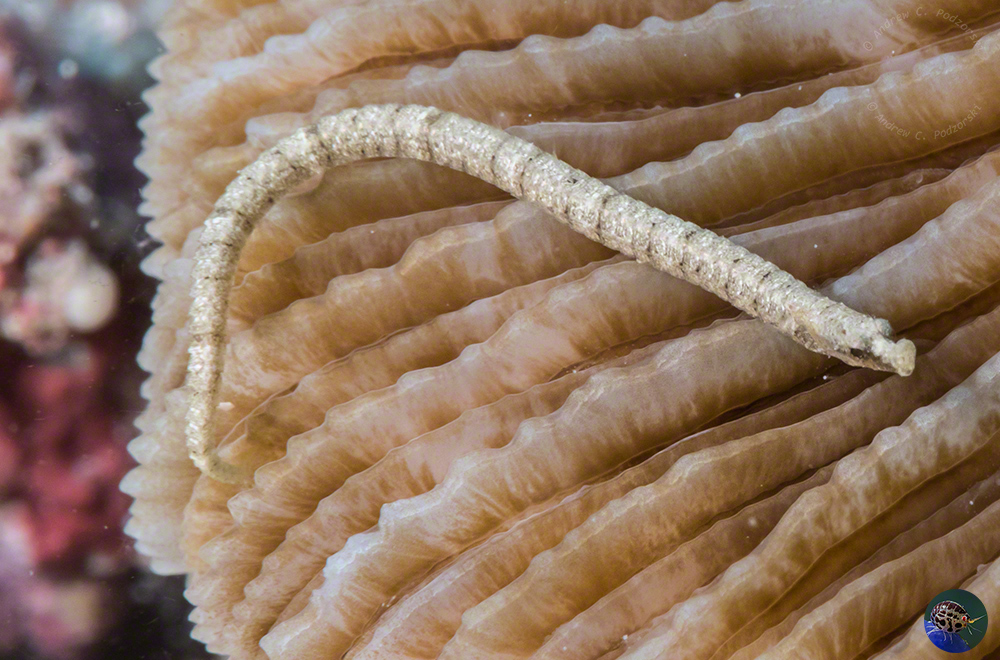
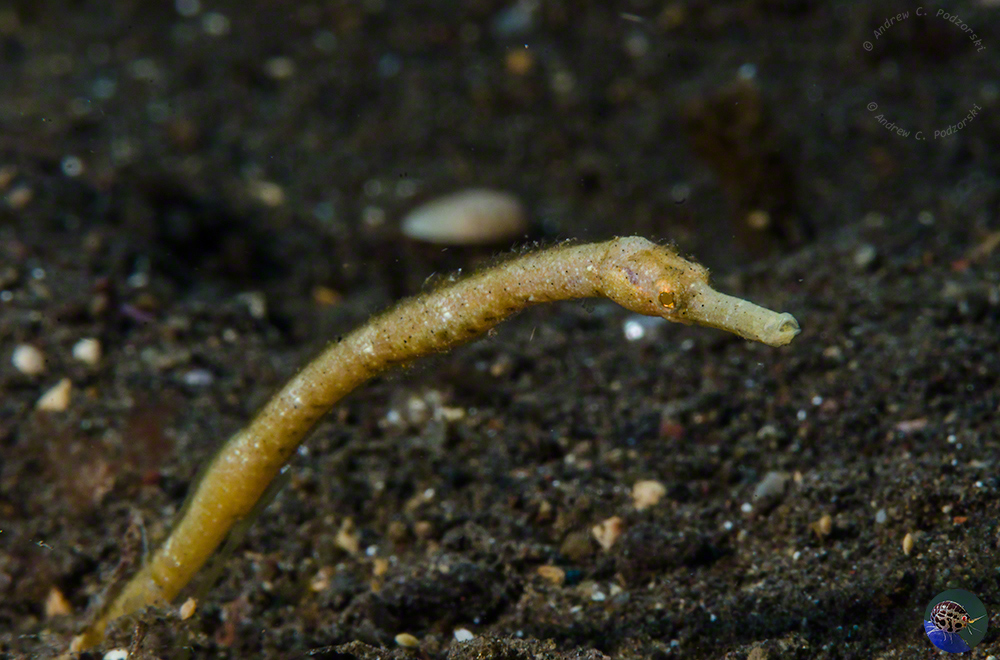
Pipefish in corals
Cleaner pipefish
Shrimpfish & Sea Moths
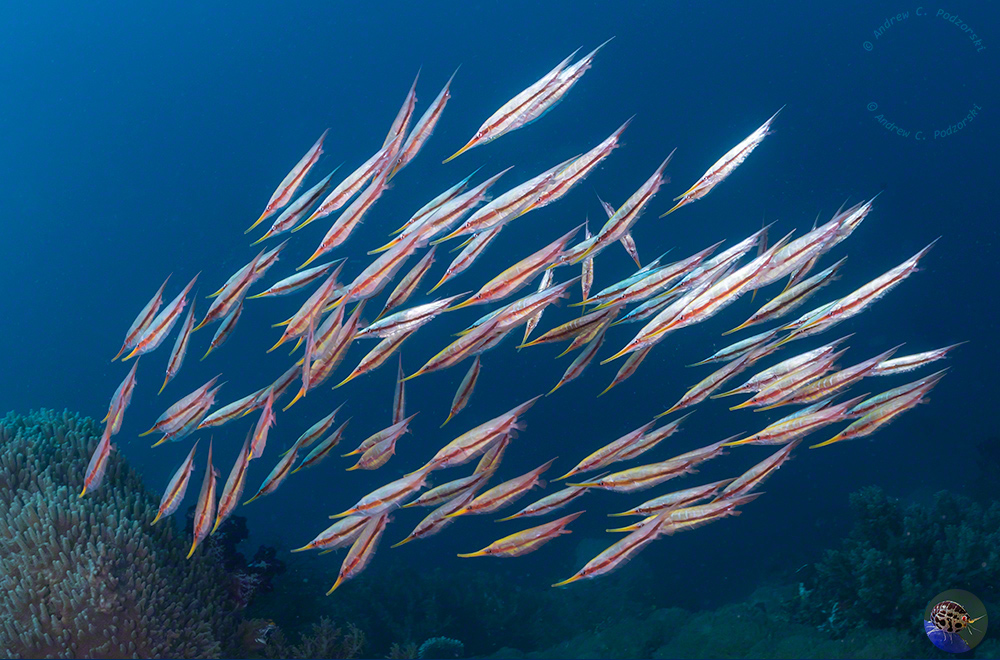
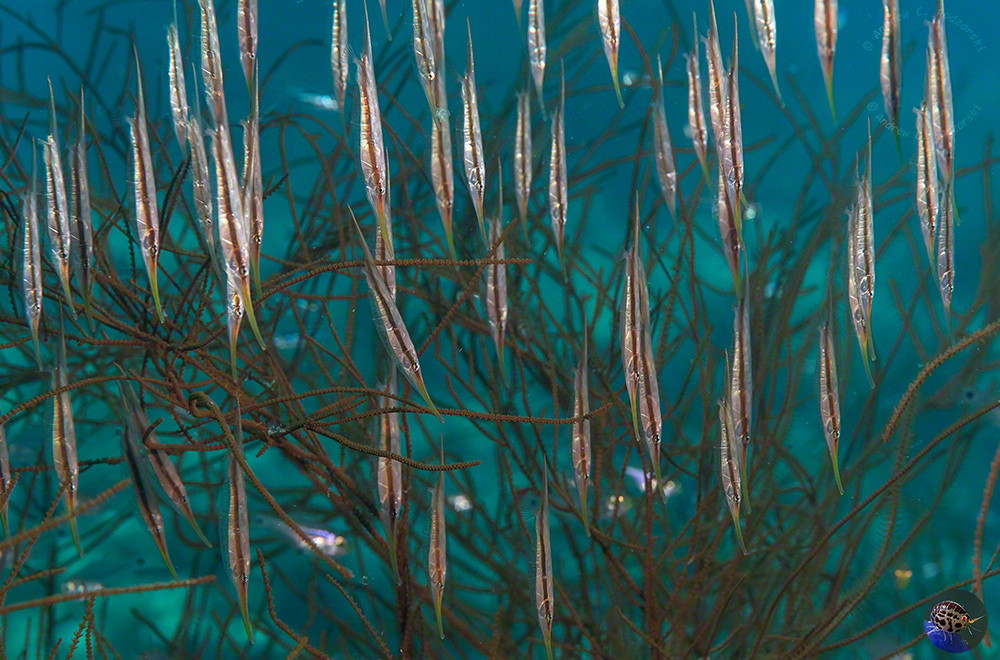
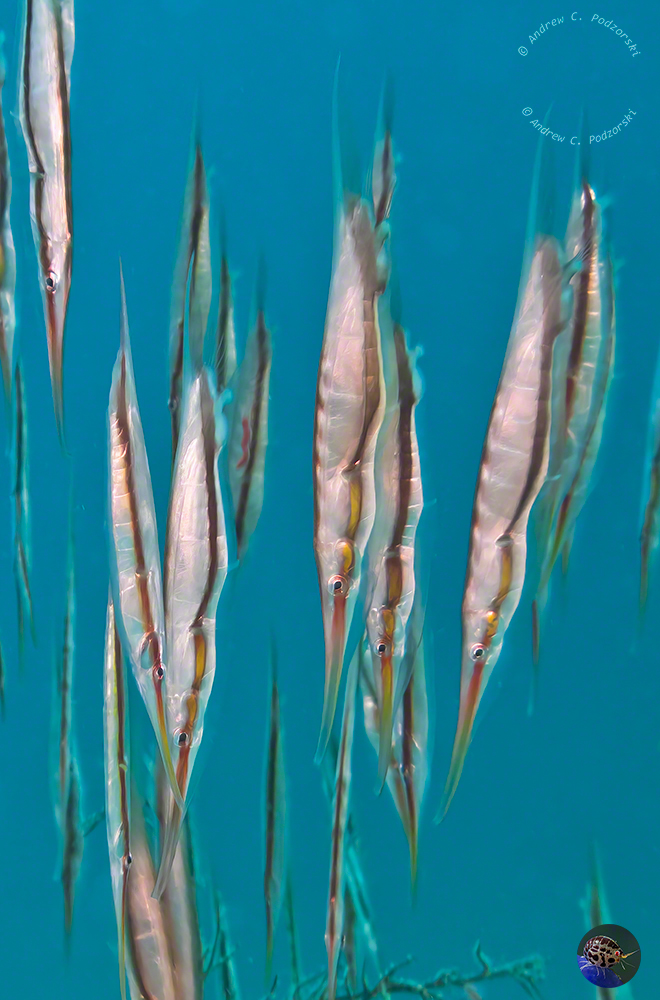
Shrimpfish characteristically swim upright in large groups. The eggs and very young juveniles are pelagic, but settle on reefs when only a few millimeters long.
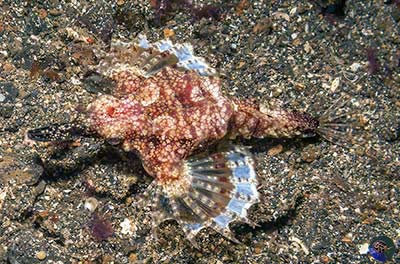
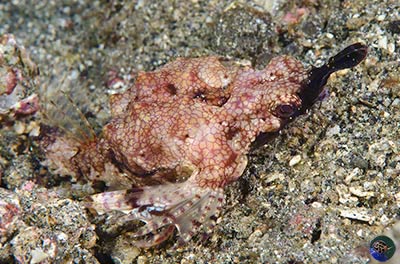
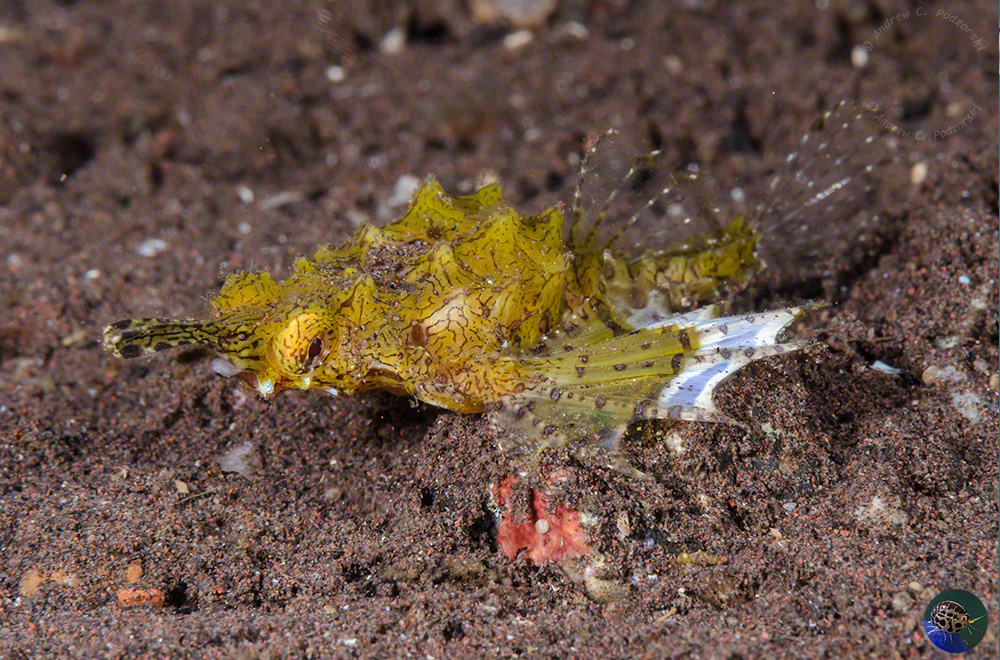
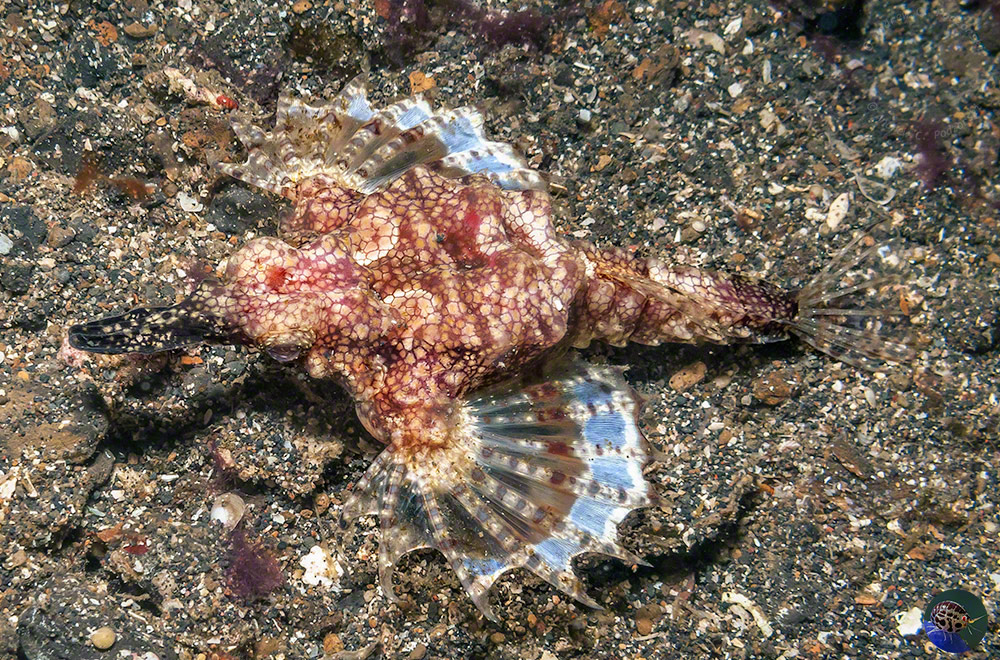
Sea Moths (Pegasus sp.) are benthic and often seen in pairs. Both eggs and juveniles are pelagic, accounting for their wide distribution.
Helfen Sie, die Riffe zu retten!
Die Organisationen, die sich für den Schutz der Korallenriffe und unserer Ozeane einsetzen, brauchen so viel Unterstützung, wie sie bekommen können. Eine Auswahl:
Wenn Sie Taucher sind, und vor allem, wenn Sie Unterwasserfotograf sind, spenden Sie. Wenn Sie nichts tun, wird es nichts zum Tauchen und nichts zum Fotografieren geben.
Es handelt sich hierbei um Vorschläge, nicht um Bevorzugung der vorgeschlagenen Organisationen. Es liegt in Ihrer Verantwortung, die Wohltätigkeitsorganisationen, an die Sie spenden möchten, zu überprüfen und zu kontrollieren.
Pygmy Seahorses
Pygmy Seahorses
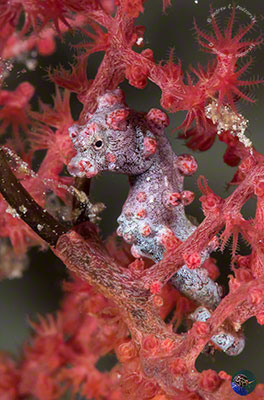
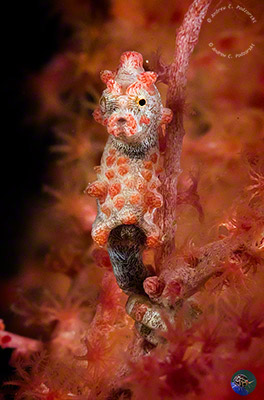
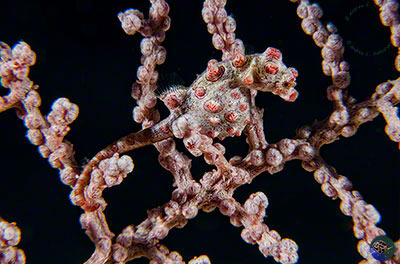
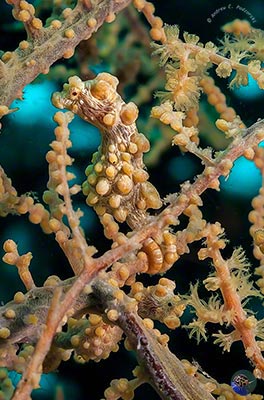
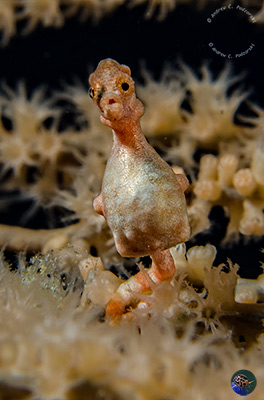
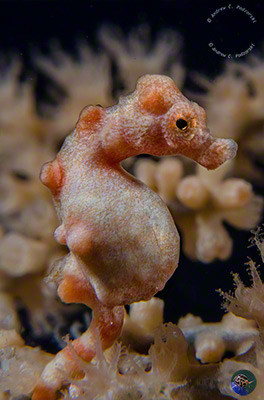
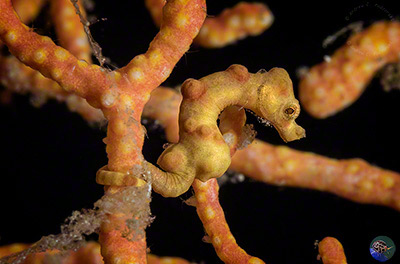
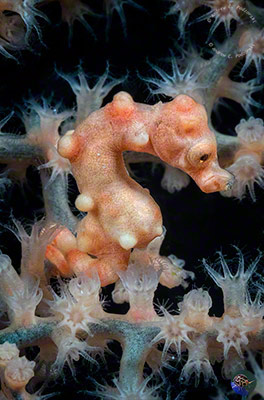
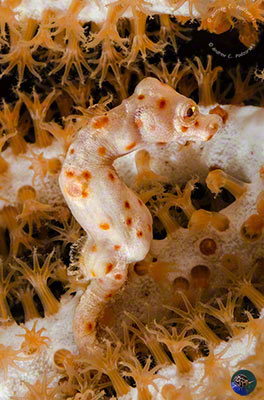
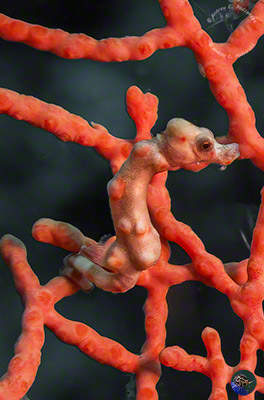
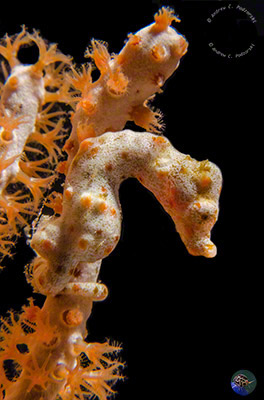
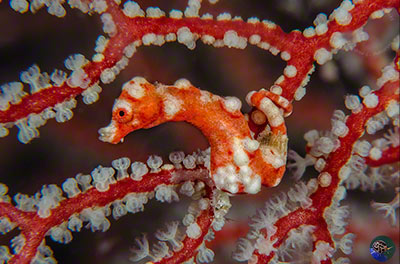
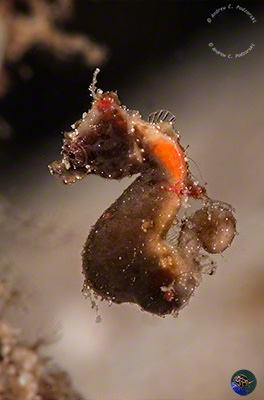
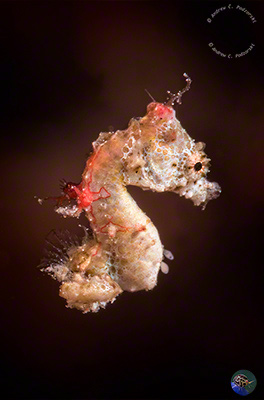
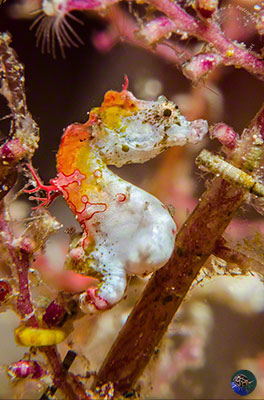
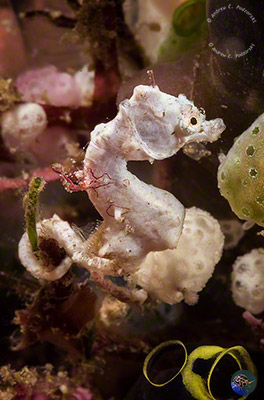
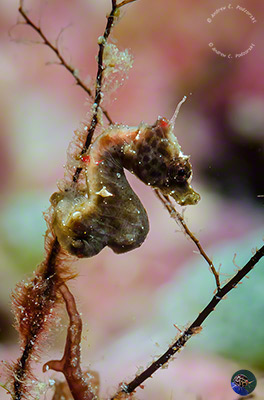
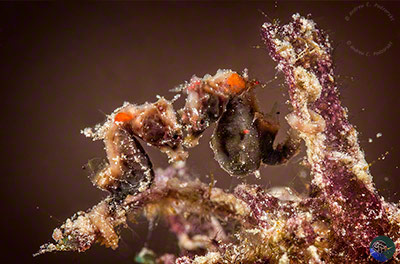
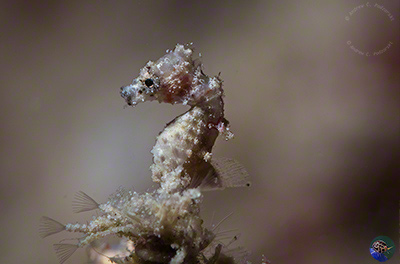
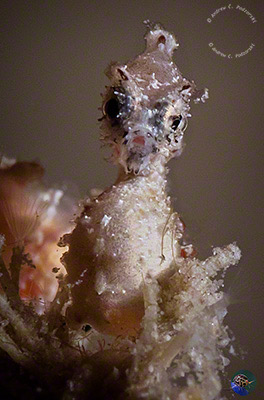
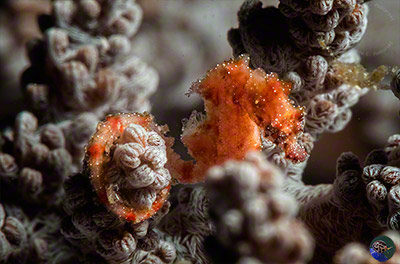
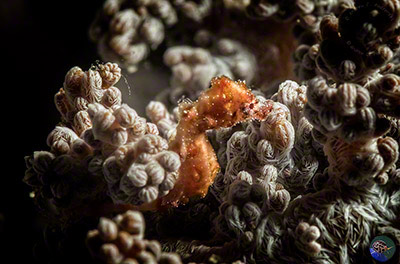
Pygmy seahorses are so small and well camouflaged that no one noticed them until a researcher in New Caledonia found them by accident when he was dissecting a Muricella gorgonian. Nine species have been described to date
They are all quite different to other seahorses in that: 1. they have only a single gill opening, and that at the back of their heads; 2. the males have no brood pouch; and 3. the females appear to brood the rather large eggs internally.
Hippocampus bargibanti was the first species found. It's warty surface results from tissue of the Muricella gorgonian growing in it's skin. The camouflage is extremely good. H. satomae is often found on soft corals or hydroids in protected pockets on the side of reef blocks. They are often very pale, and if disturbed, drop down onto the sand below the soft coral and are next to impossible to find.
Seahorses
Seahorses
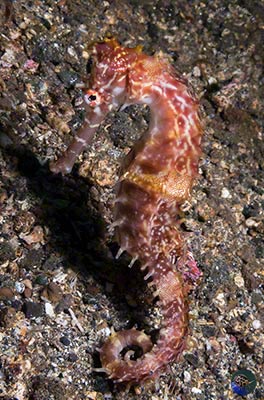
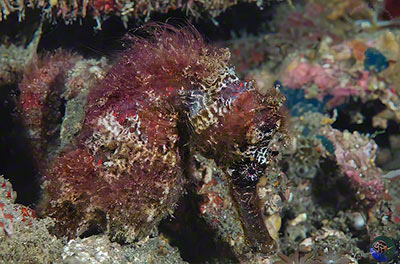
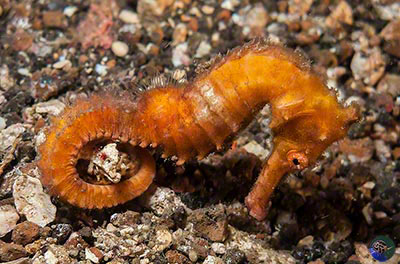
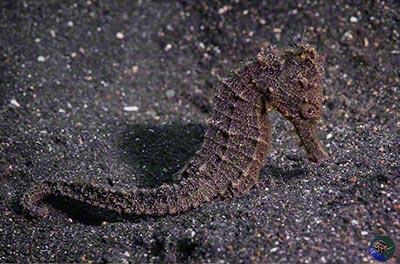
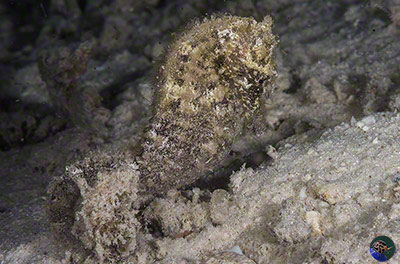
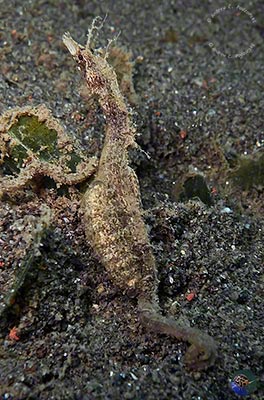
There are about 80 true species of seahorse. They have a very distinctive horse-shaped head, and the typical bony body-plates of the group. The males have a brood pouch below the anus, on the tail, into which the fertilised eggs are transferred, remaining protected until hatching.
Identification is not always easy as the external features are not always distinctive. The names shown on the images are a best effort at identification.
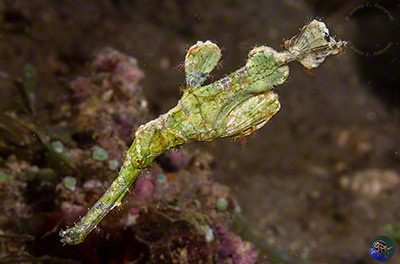
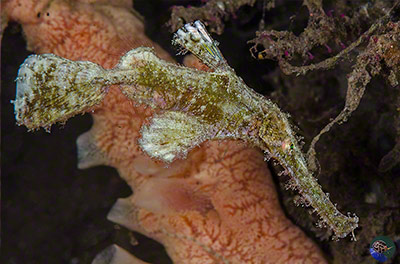
Ghost Pipefish
Ghost Pipefish
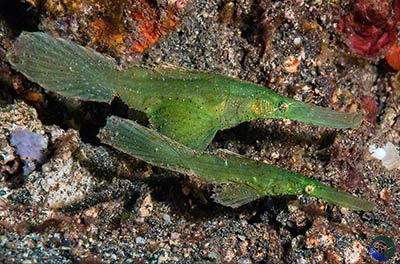
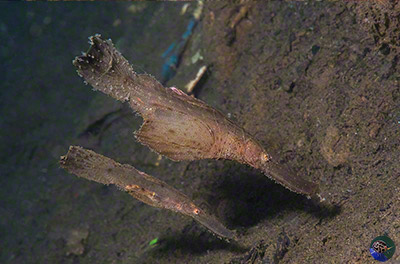
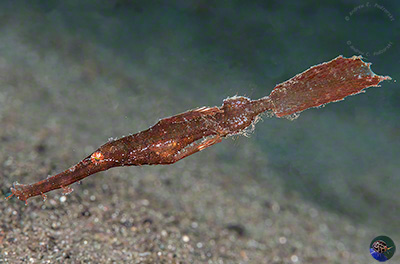
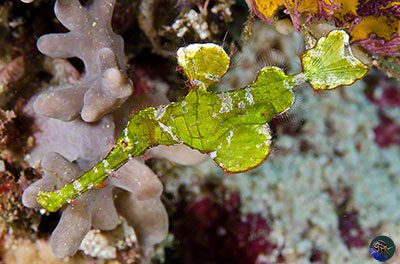
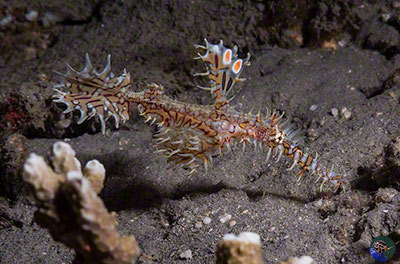
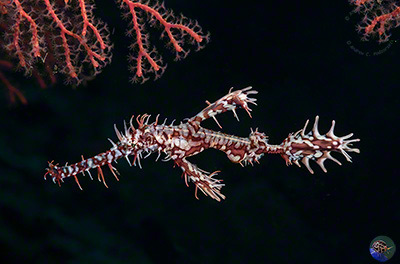
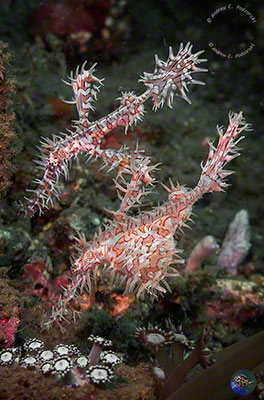
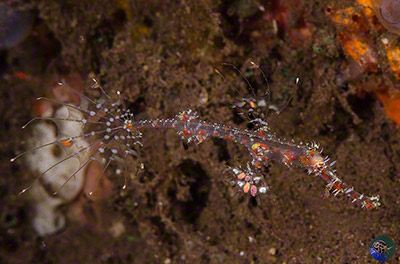
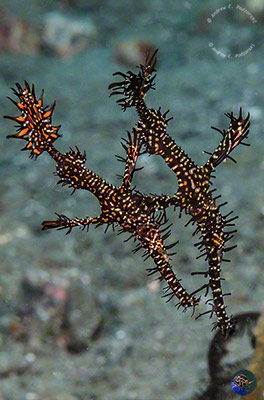
Ghost Pipefish also covered with segmented bony plates. Here, the females brood the eggs between their much enlarged pelvic fins which are tightly held together to form a pouch.
They have a long planktonic stage, reaching a relatively large size before settling. This accounts for their sudden appearance in numbers in some areas. Rudi Kuiter reports that they seem to have a short lifespan, perhaps just a year or season. Divers report that in some areas they are no longer seen after the young have hatched.
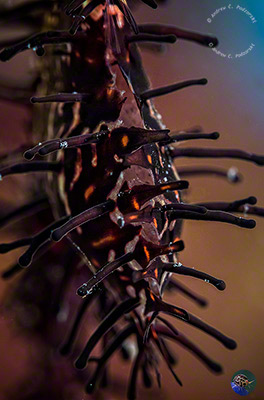
The six species are very variable in both colour and "ornamentation", but all blend well into the background. They are easily overlooked. Genetic studies are needed to determine the true number of species and their interrelationships.
Pipefish
Pipefish & Pipehorses
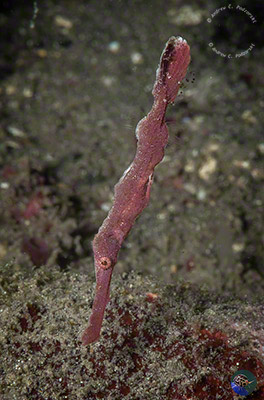
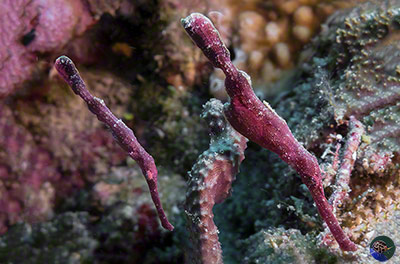
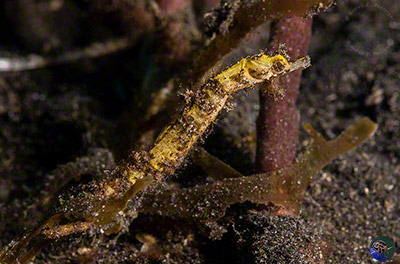
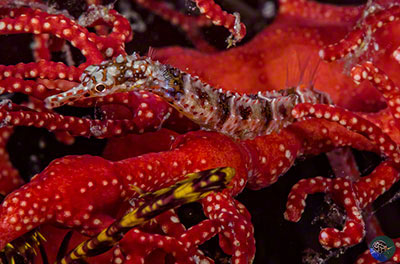
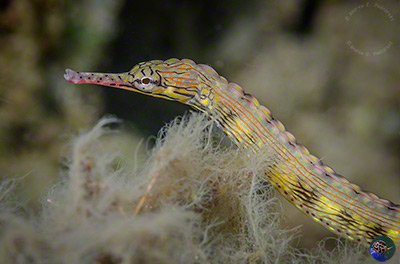
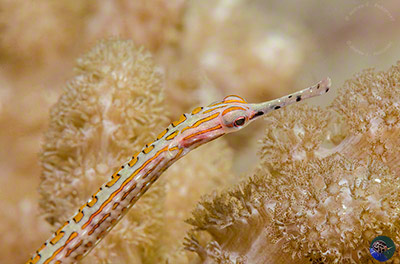
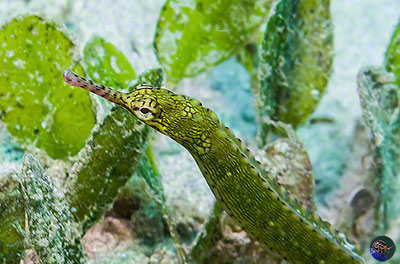
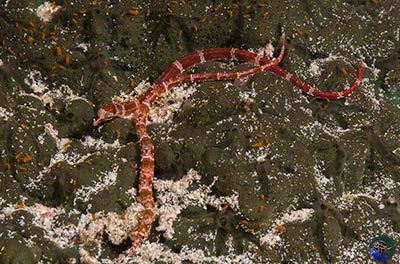
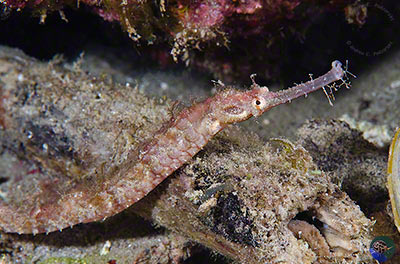
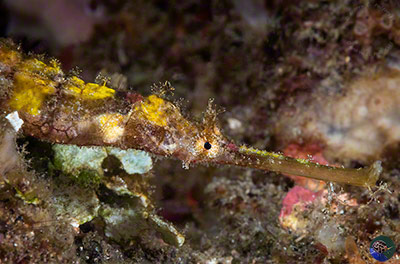
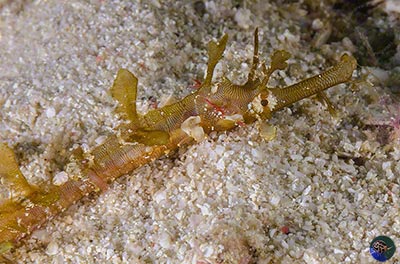
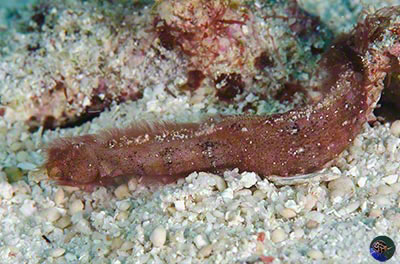
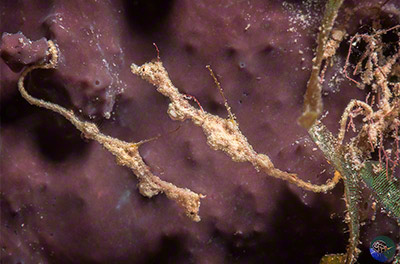
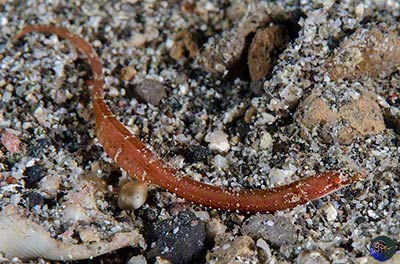
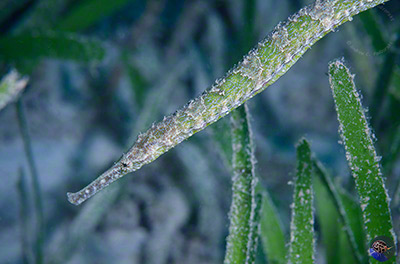
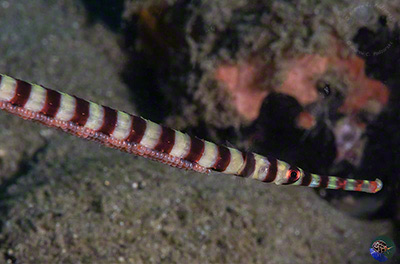
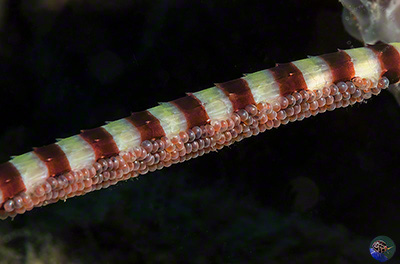
Pipefish and pipehorses are covered in the ridged bony plates typical of the group. Pipehorses look like elongated seahorses, and the males brood the eggs in a pouch, In many species of pipefish, the males carry their eggs in a long groove along their abdomen.
Mating displays in some species is complex as the pair "dance" a paar de deux before actual mating. Dramatic colour changes can occur in the males.
Two separate sections follow with coral pipefish and cleaner pipefish.
Identification is again difficult in many genera as it is dependant on precise anatomical details.
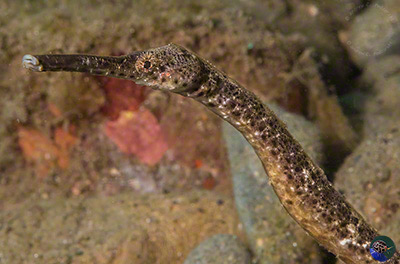
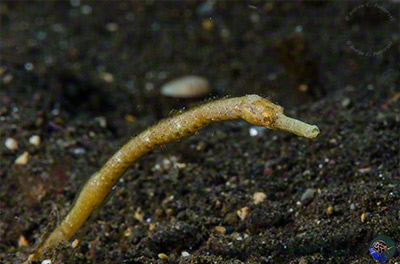
Pipefish & Corals
Pipefish & Corals
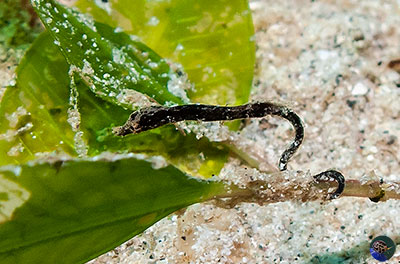
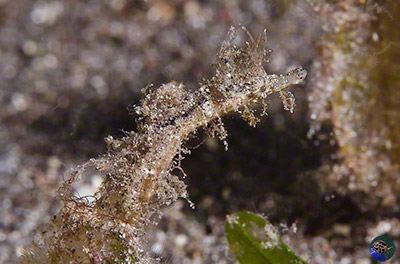
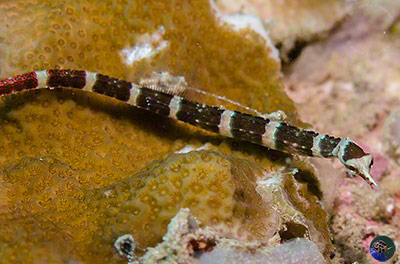
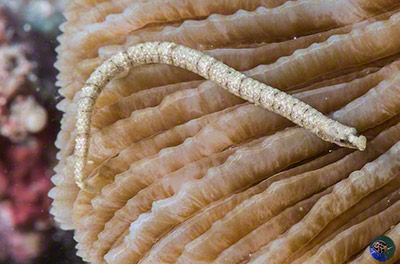
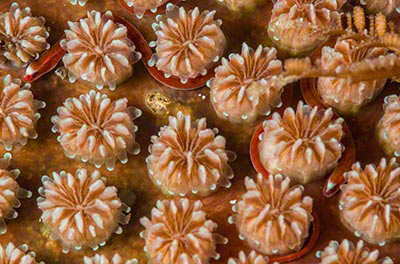
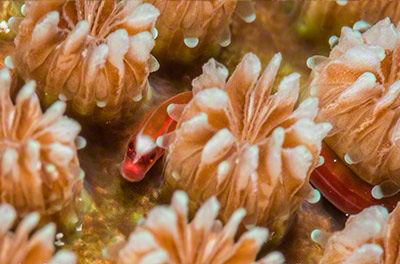
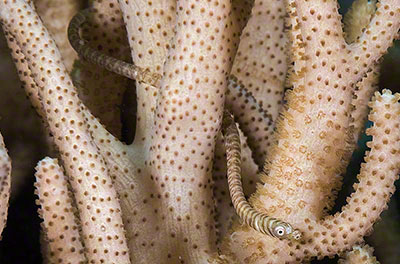
A number of pipefish species live exclusively between the polyps of hard corals. The Mushroom Coral Pipefish (Siokunichtys nigrolineatus) is the best known of these. Bulbonaricus species in Galaxia corals are more of a challenge to find, while finding Apterygocampus in Organpipe Coral Tubipora is more than a challenge.
Soft corals are also the home of some pipefish as in Siokunichtys breviceps.
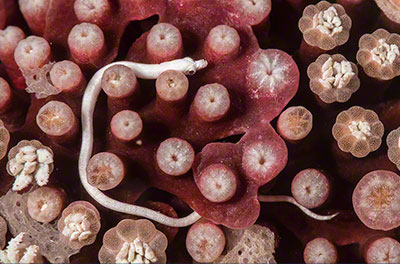
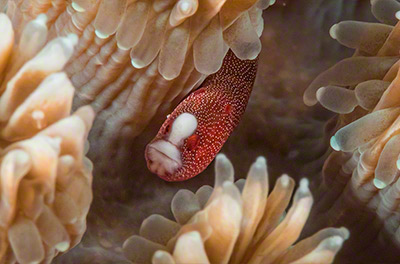
Cleaner Pipefish
Cleaner Pipefish
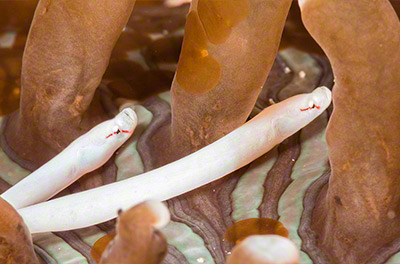
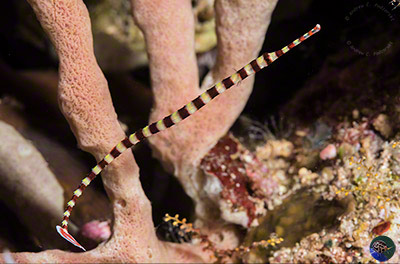
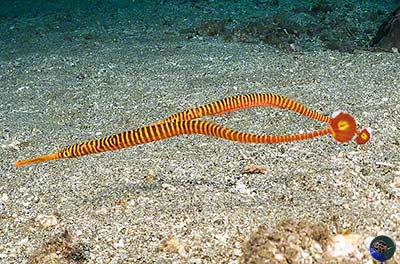
This group of pipefish are often seen in association with cleaning shrimps and are also active fish-parasite "cleaners". Doryrhamphus and Dunckerocampus are the main genera here.
Shrimpfish & Sea Moths
Shrimpfish & Sea Moths
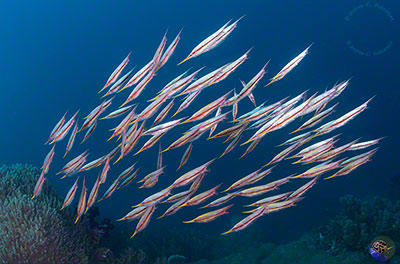
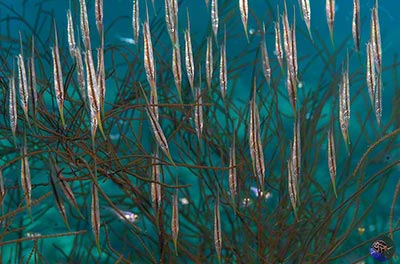
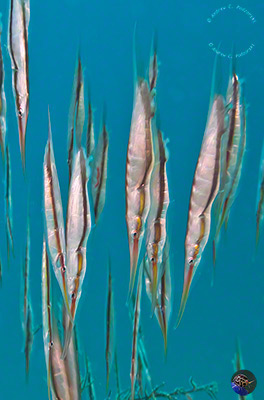
Shrimpfish characteristically swim upright in large groups. The eggs and very young juveniles are pelagic, but settle on reefs when only a few millimeters long.
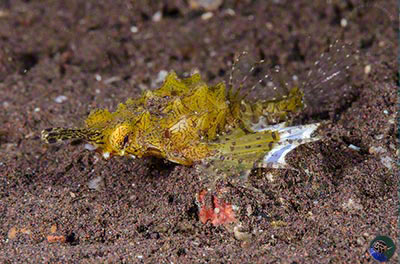
Sea Moths (Pegasus sp.) are benthic and often seen in pairs. Both eggs and juveniles are pelagic, accounting for their wide distribution.