Bobtail Squid

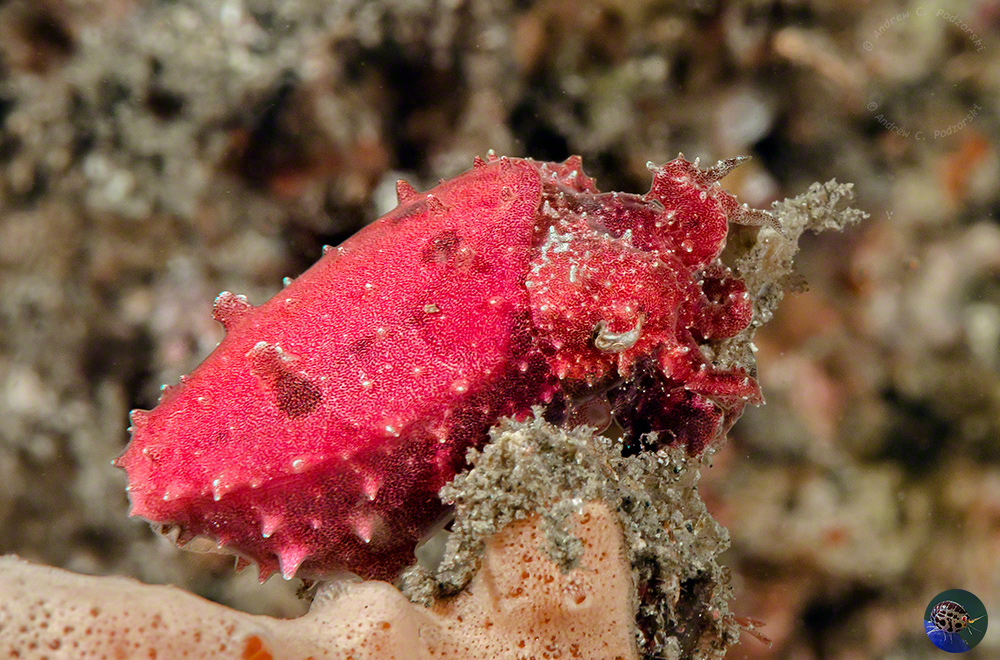
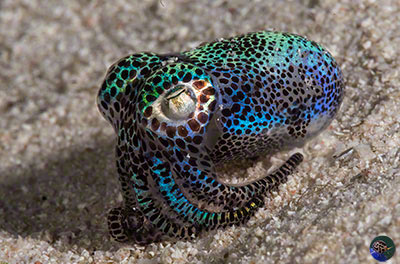
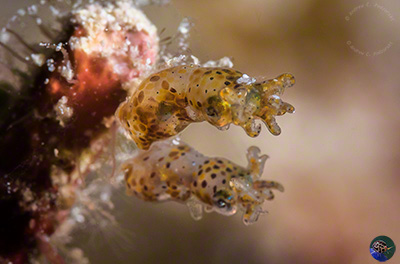
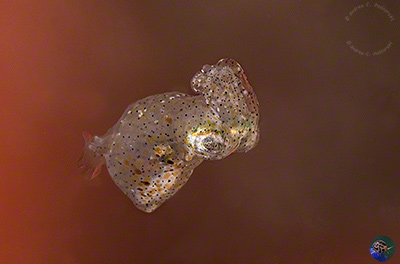
Bobtail and Pygmy squids are related, sharing the ability to produce a type of carbohydrate-bsed glue from cells in the skin. Bobtails make use of the glue to stick sand to their body when under threat. Pygmy Squid use it to stick themselves to something so they can save energy swimming. These tiny squid only live around 10 weeks.
Bobtail Squid have a special organ housing symbiotic bioluminescent bacteria.
In spite of being called squid, they are more closely related to cuttlefish.


Cuttlefish
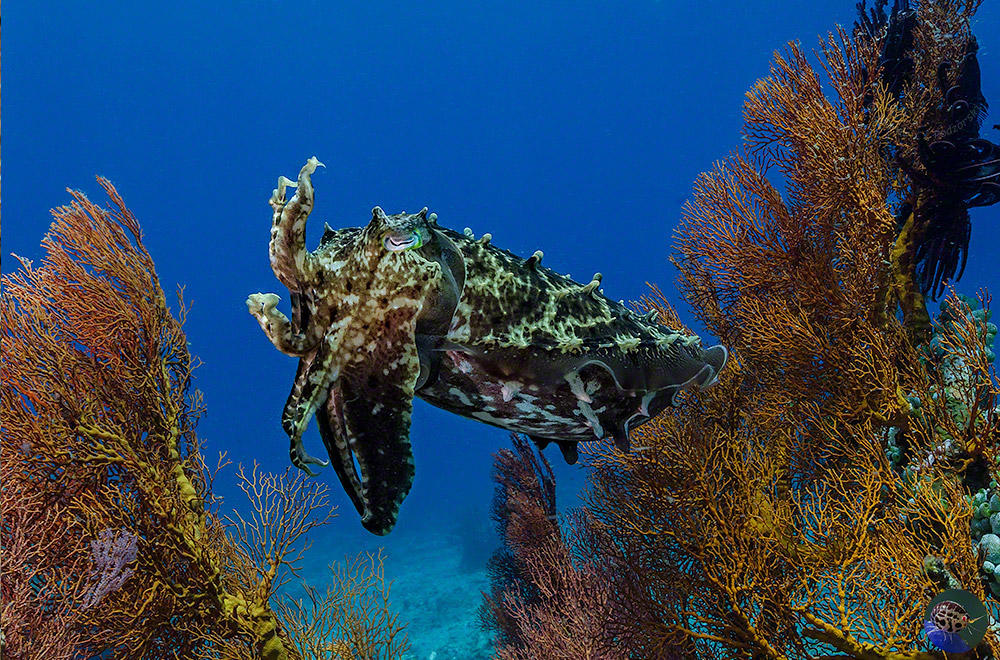
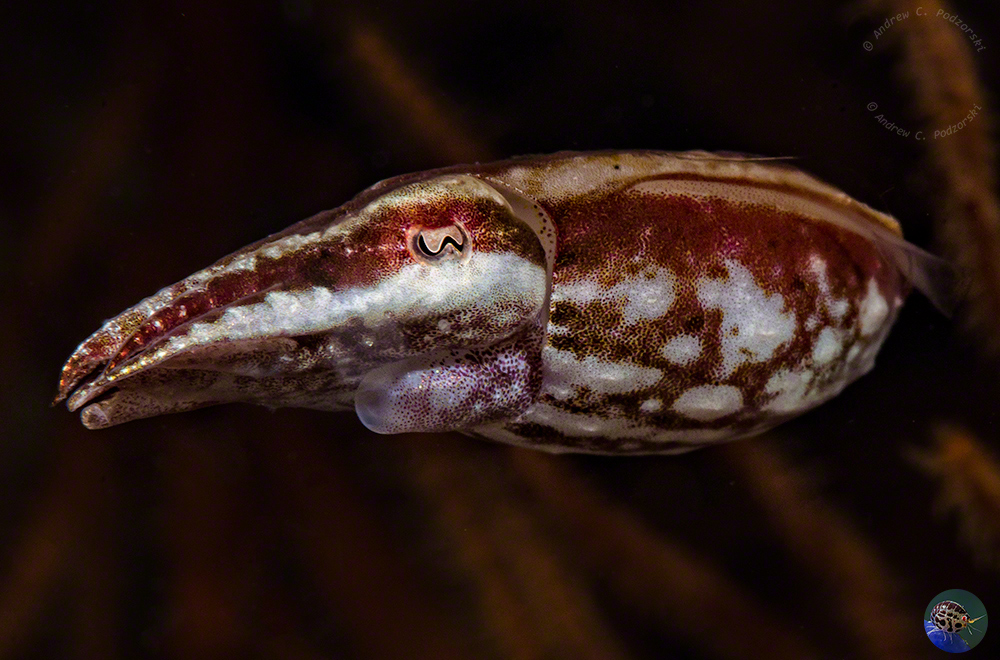
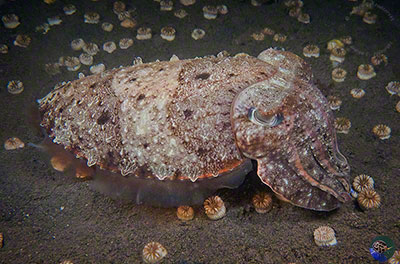
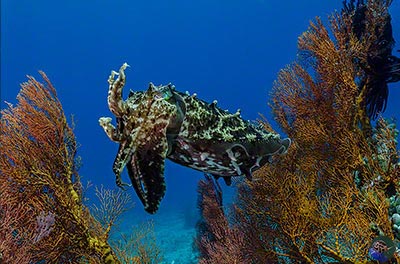
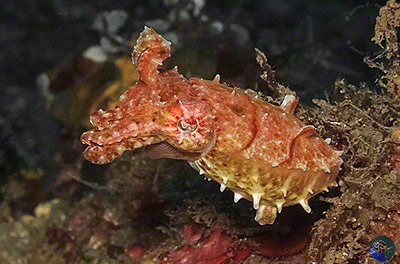
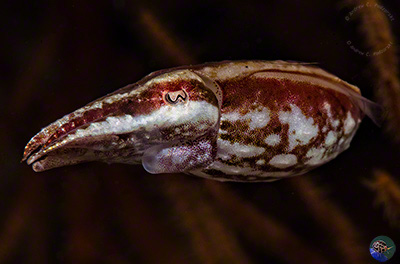
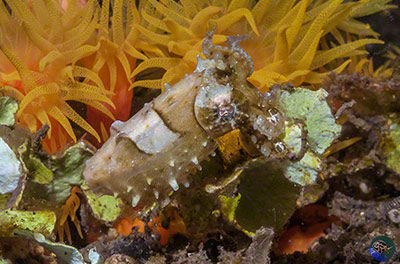
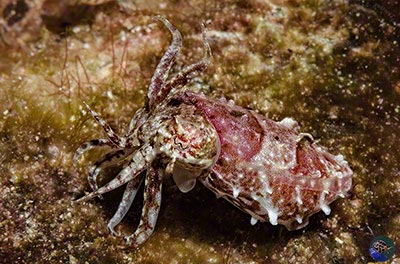
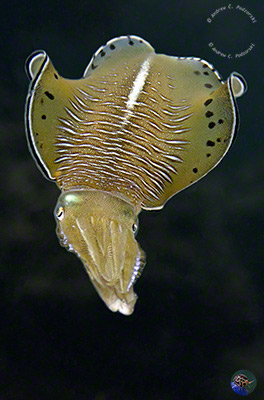
Cuttlefish have tubular bodies that are usually relatively wide. They are characterised by having a rigid aragonite compartmentalised "bone" that they use to regulate their bouyancy. Their eyes are unique in being shaped like a "W". They have eight arms, two of which are long and retracted, but can be rapidly shot out to capture prey.
Cuttlefish, particularly the smaller species are frequently seen on reefs.
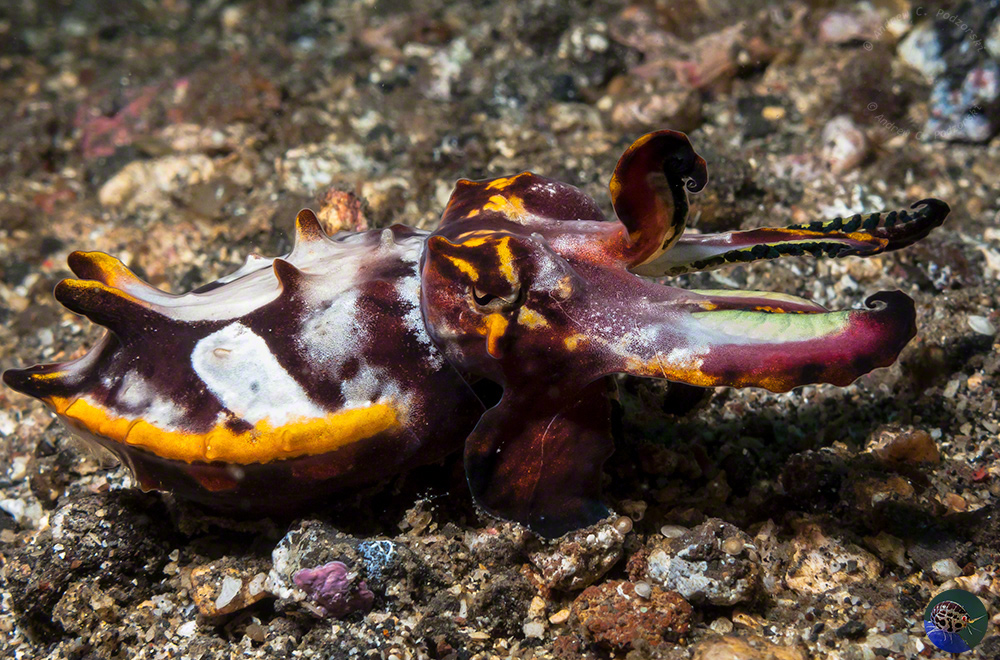
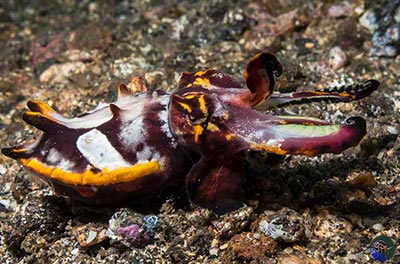
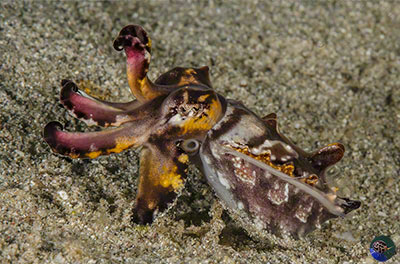
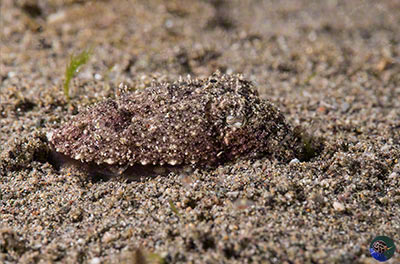
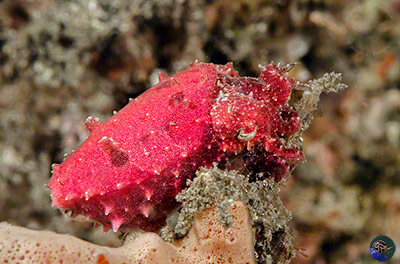
One species, the Flambouyant Cuttlefish (Metasepia pfefferi) is almost entirely benthic. Its body contains the same lethal toxin as in the bite of Blue-Ringed Octopus. Walking slowly along the bottom, it often pulses its warning purple & yellow colouration while in search of shrimps, crabs and fish. If ian individual chances on an area with commensal gobies, it can clear out all the shrimps and gobies in a short space of time. As they become older, they seem to become more sedantary hiding half-buried in sediment, adopting a camouflage colour and surface structure. The hunting strategy is then as an ambush predator. (pers.obs.)










Squid
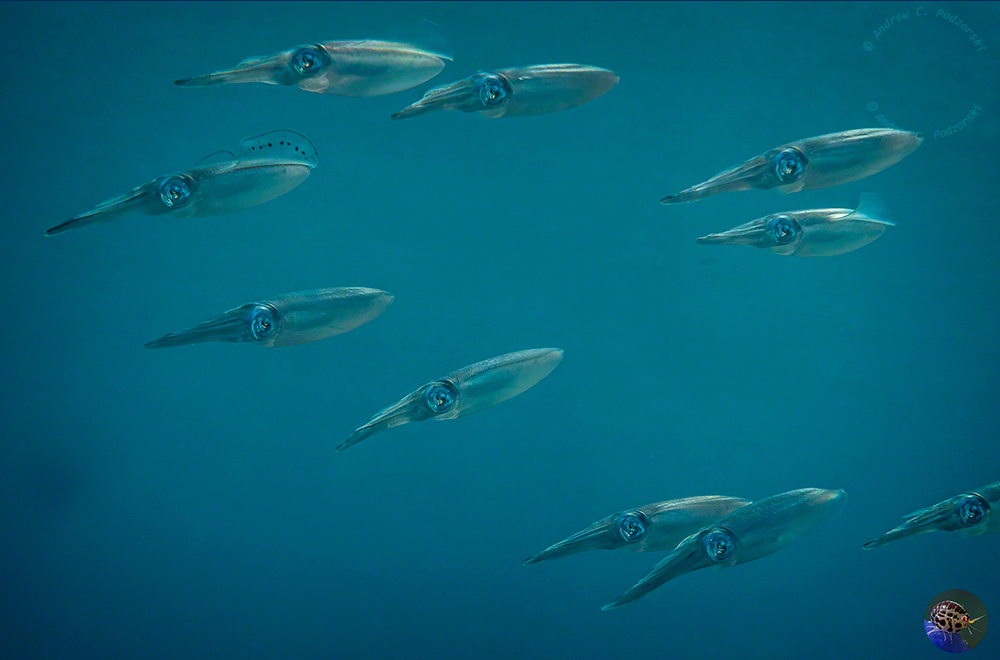
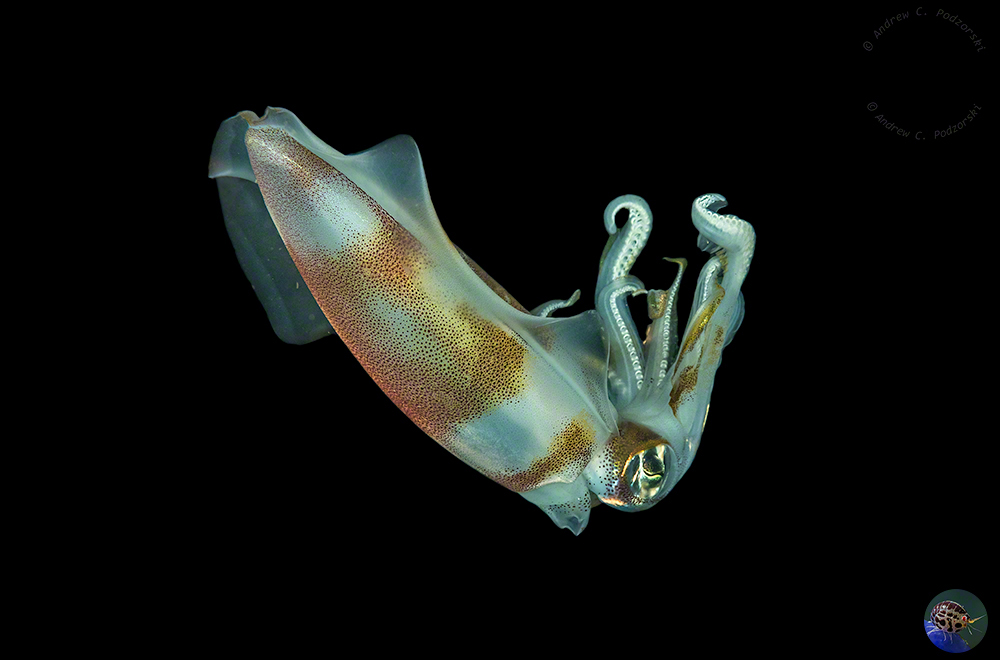
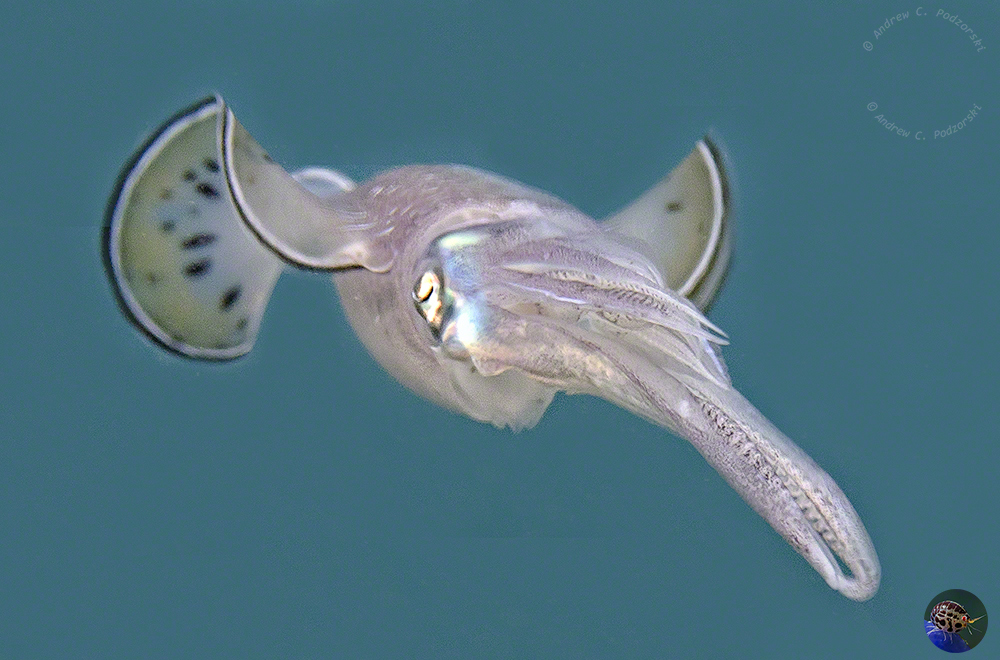
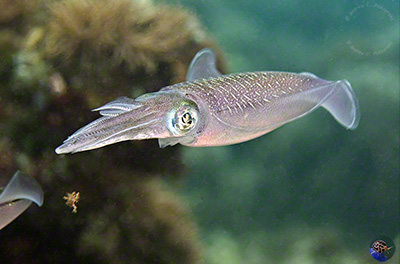
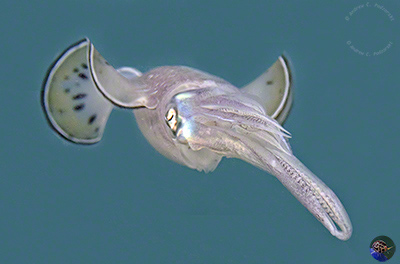
Like cuttlefish, squid have eight arms, two of which are long and retracted, being used for hunting. Their "skeleton" comprises a rod-like pen made of chitin. Unlike cuttlefish, the are negatively bouyant and have tp They are not typical reef-dwellers.
Sepioteuthis lessoniana is seen close to reefs in sea-grass beds even during the day, where they can often be observed laying their white, sausage-shaped egg-masses.
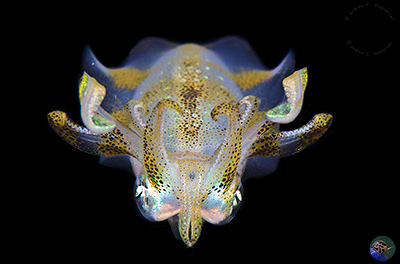
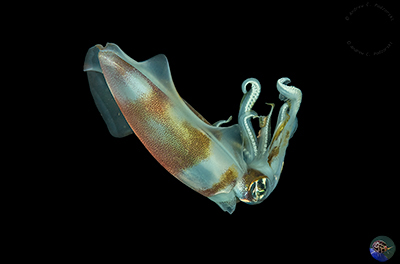
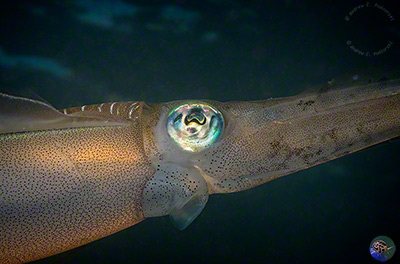
Other species are seen mostly at night where the hunt above the reefs. A range of their extraordinary postures are shown in the images.






Day-active Octopus
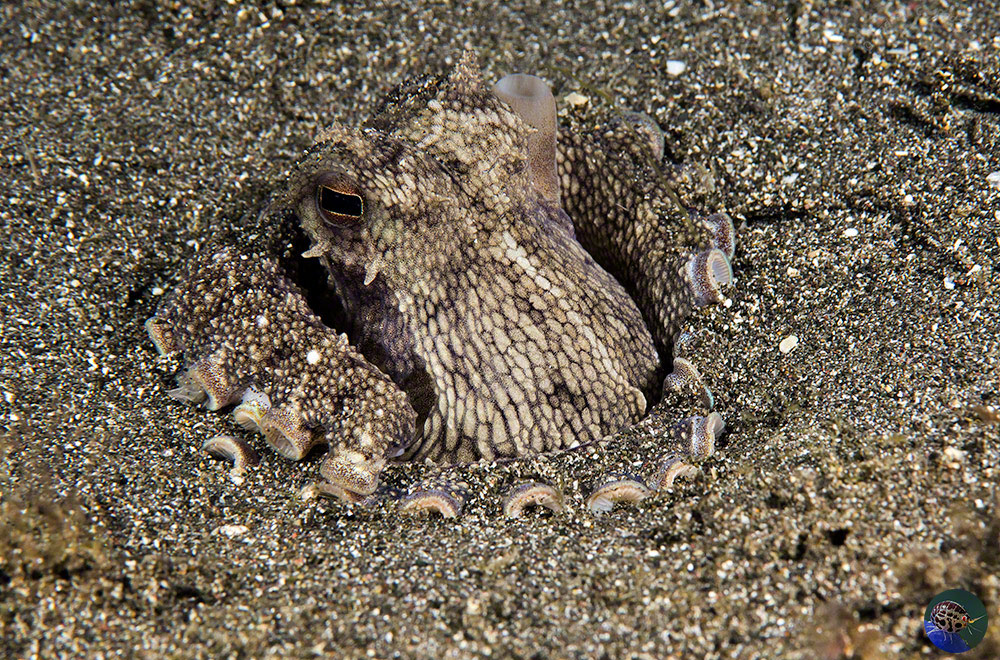
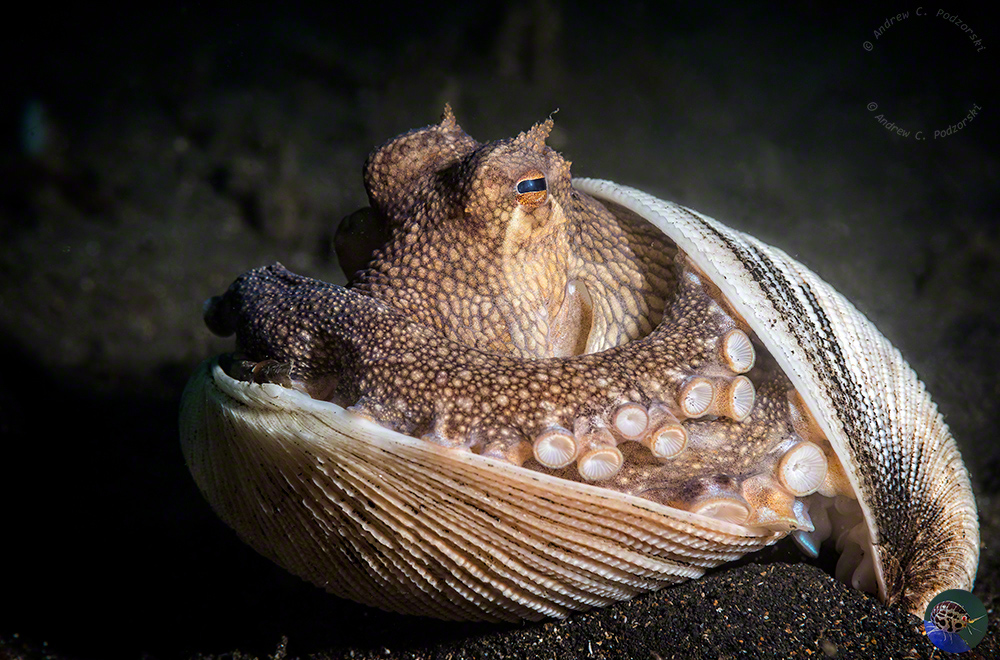
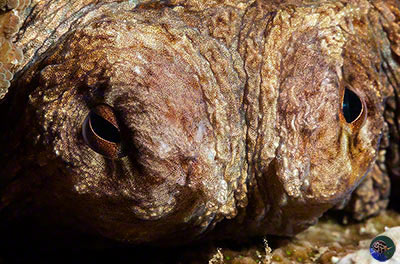
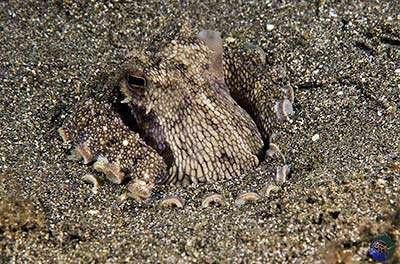
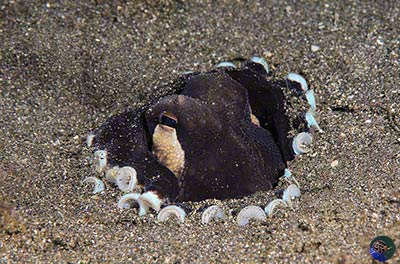
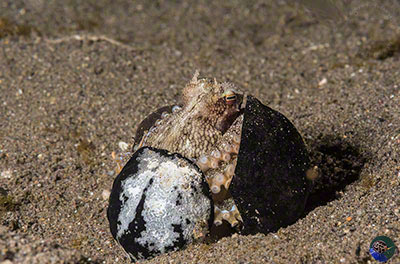
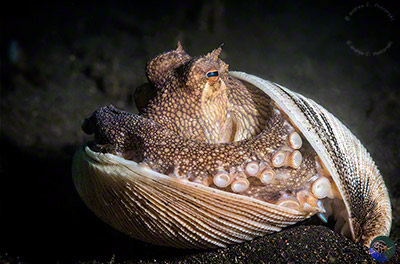
Octopus have 4 pairs of arms, of which one pair is often used for "walking". Reef octopus are all bottom dwelling, relying on camouflage and hiding in tight crevices for protection. They only swim when under extreme duress. Some species have developed the ability to hold shells around their soft bodies as protection. The Coconut Octopus is the most well know of these.
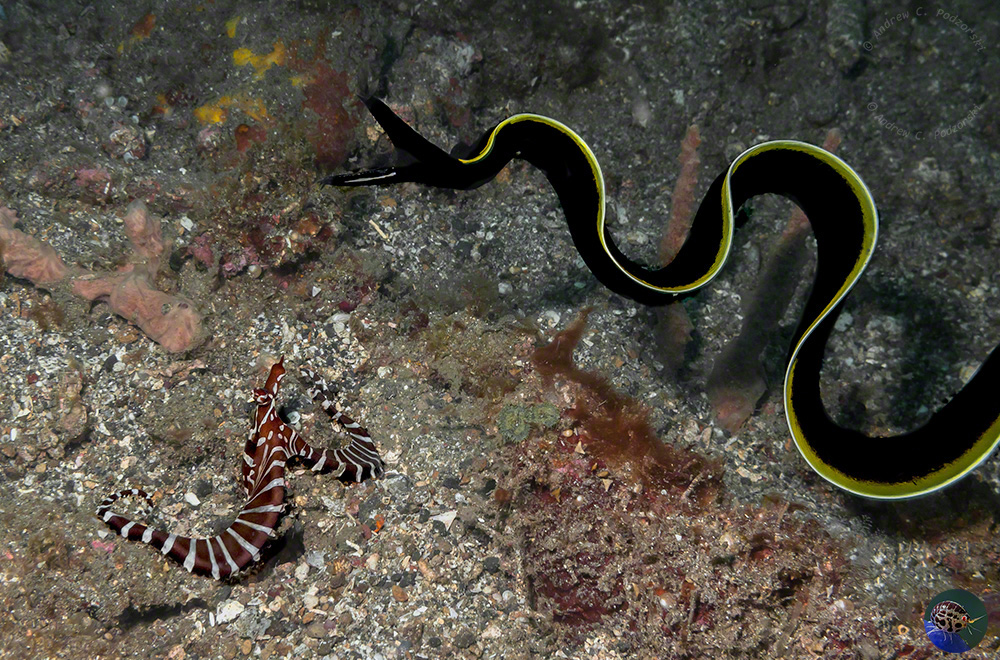
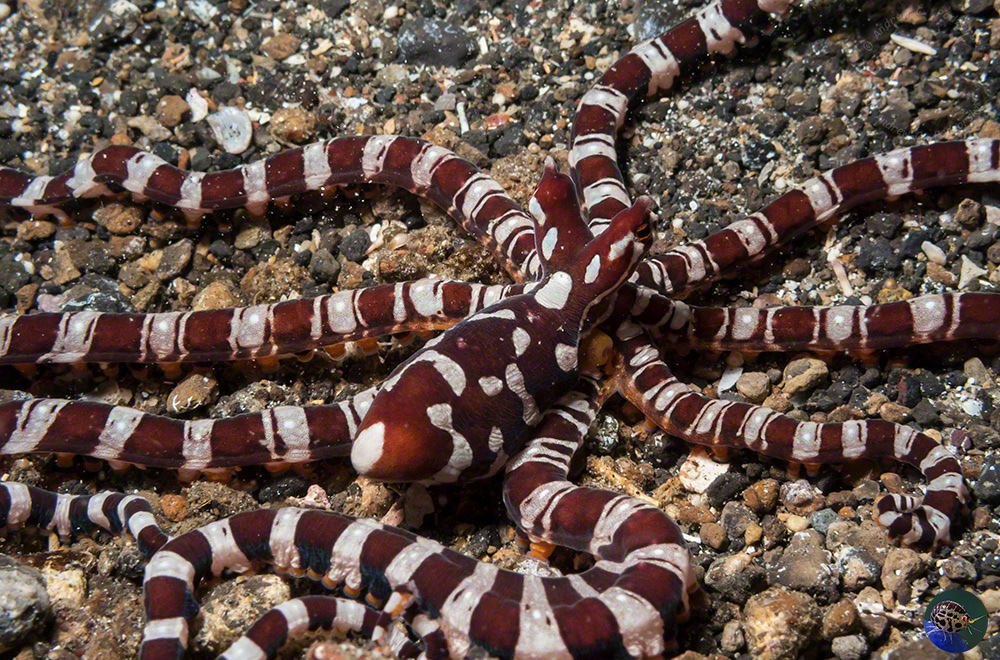
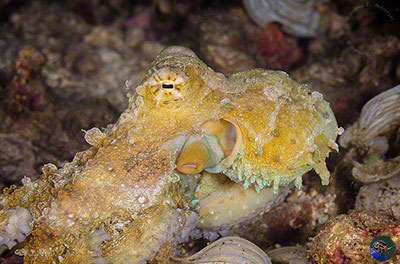
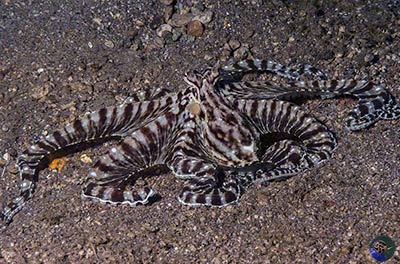
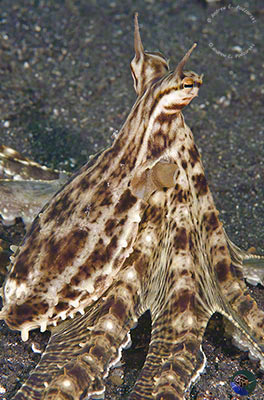
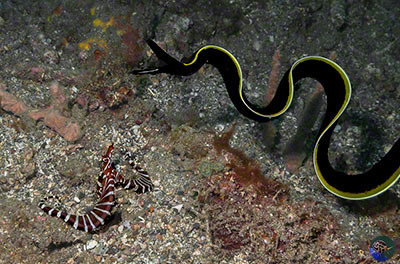
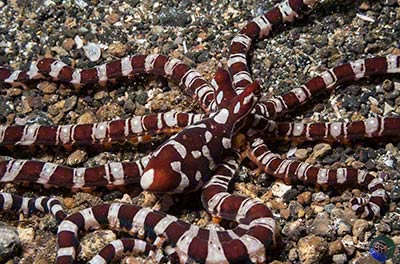
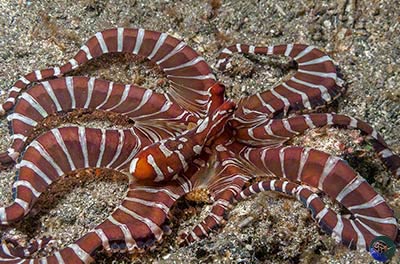
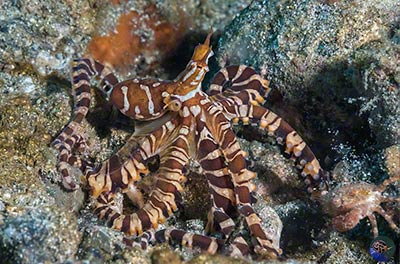
Some species, e.g. Octopus cynaeus hunt actively on the reef during the day. Mimic Octopus and the Wonderpus hide just below the surface of the sand/sediment, suggesting that they may be camouflage preditors as well as active hunters. The Wonderpus is seen more often late afternoons. Much is written about these two species. One photograph shows a true defensive posture and colouring in the Wonderpus as a a ribbon eel swims over the Wonderpus.







Night-active Octopus
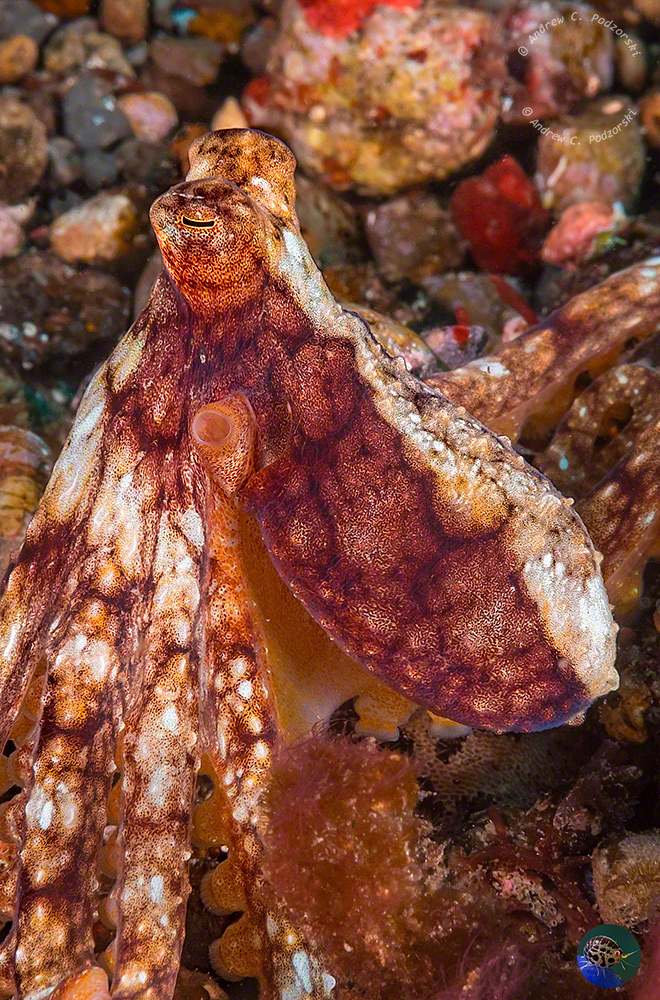
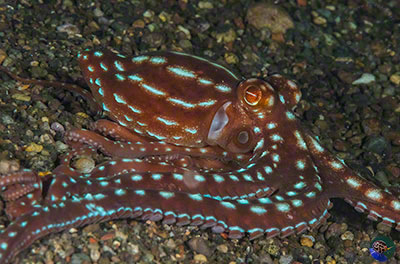
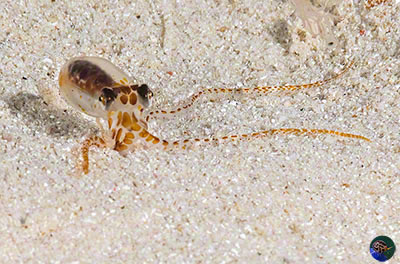
Night is a time to see many octopus hunting over the reefs, across seagrass beds, sand and sediment. With luck, octopus paralarvae can be seen just after settling down from the plankton.




Octopus with hairs
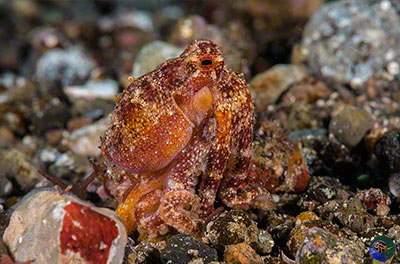
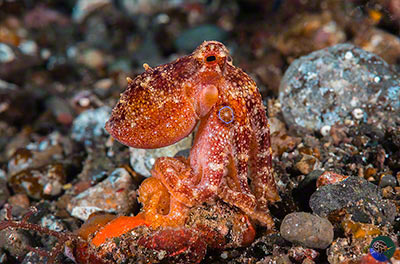
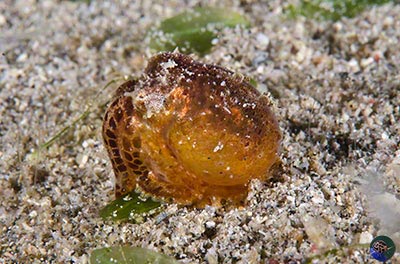
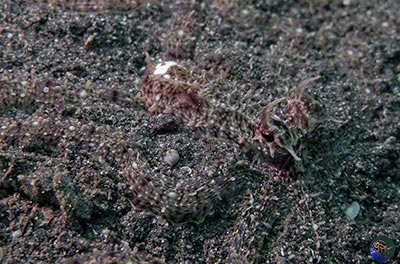
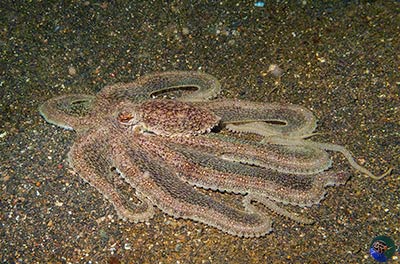
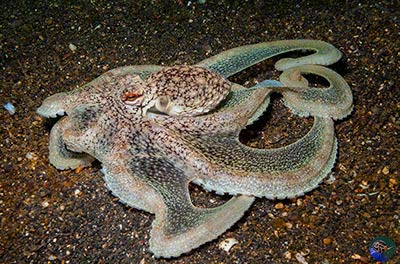
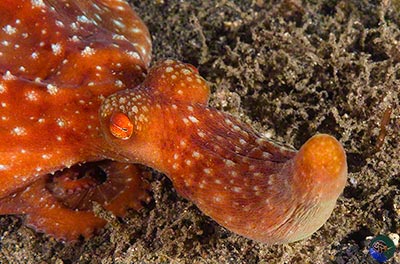
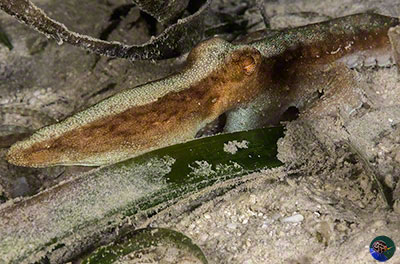
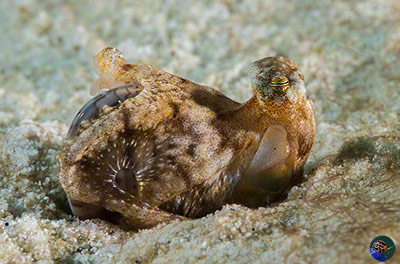
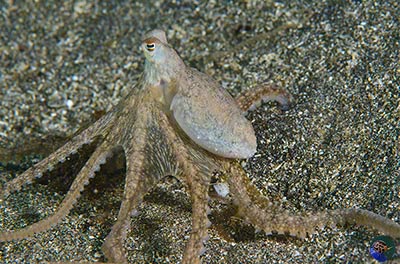
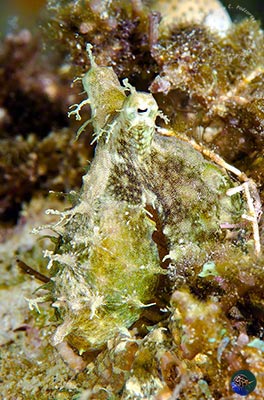
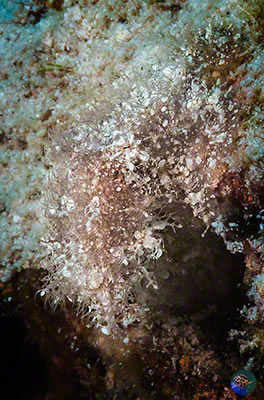
One Abdopus species, the Algae Octopus and an undescribed Octopus sp. which is very "hairy" are the two octopus have hair-like skin flaps. Both seem to be active in the afternoon. Neither are seen often, but their camouflage is very good. As can be seen from the images of the Hairy Octopus, sand is trapped between the hairs adding the effectiveness of the camouflage. The photographed individual was seen gently "bouncing" across a sandy area. The bounce was achieved by the octopus swimming just over the sand surface with one leg hanging down below and pushing it up from the sand every few centimeters.


Octopus - Poisonous
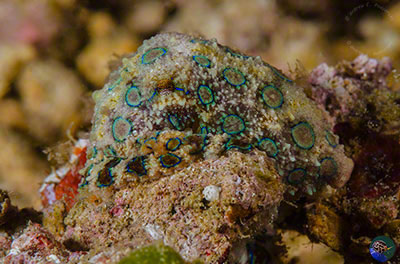
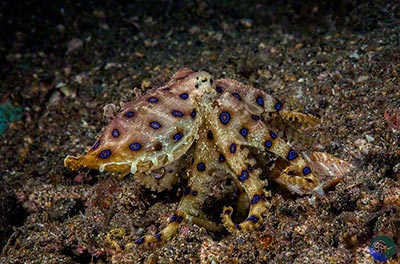
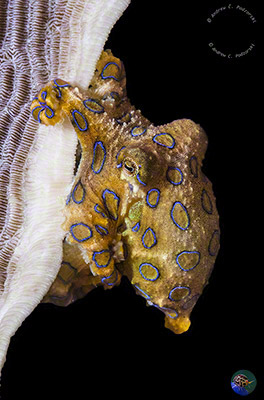
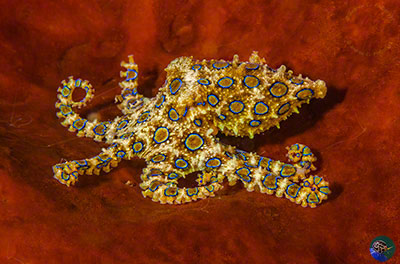
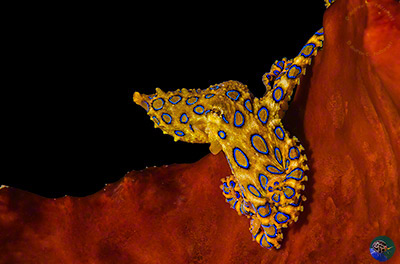
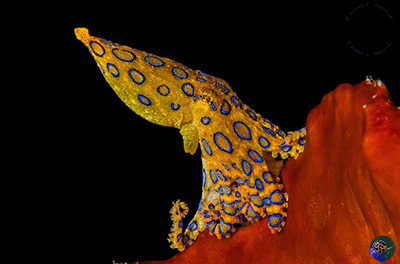
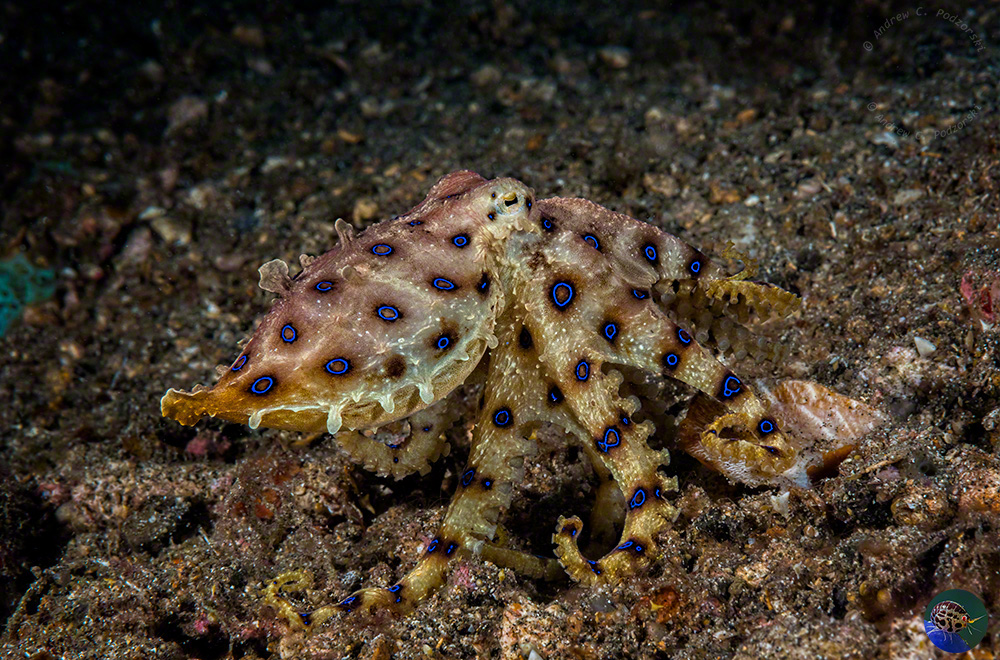
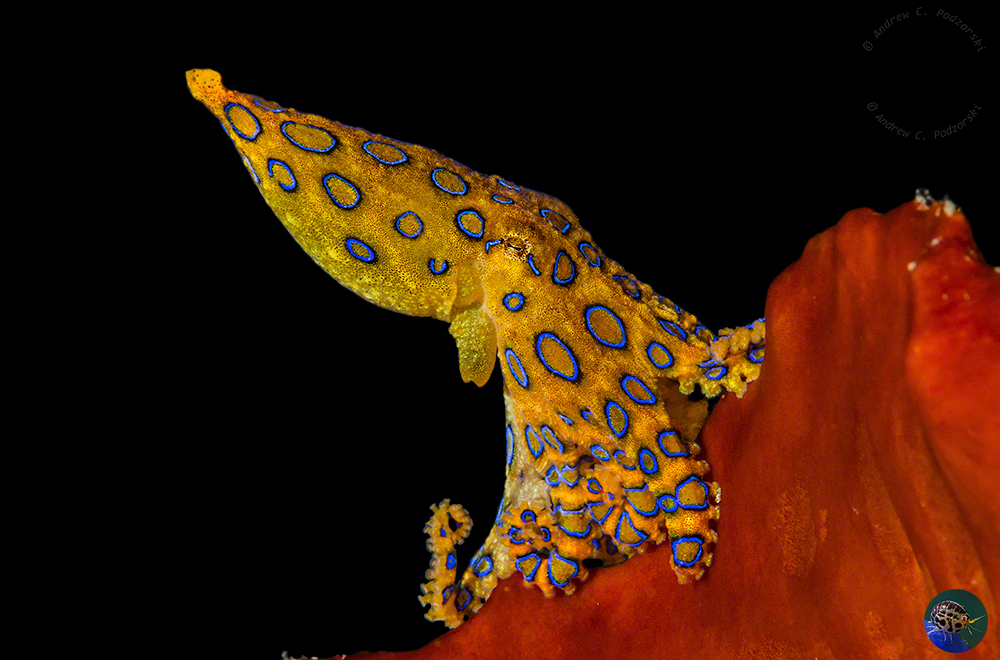
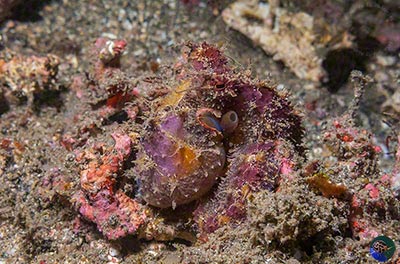
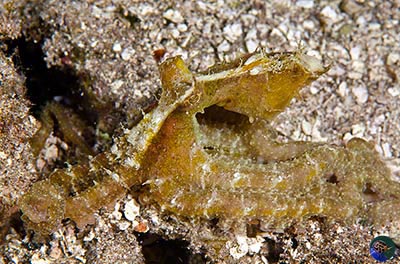
The four species of Blue-Ringed Octopus (Hapalochlaena) and the Mototi Octopus (Amphioctopus mototi) produce a tetrodotoxin that is absorbed through the skin even if the skin is not punctured. There is no known antidote.





Helfen Sie, die Riffe zu retten!
Die Organisationen, die sich für den Schutz der Korallenriffe und unserer Ozeane einsetzen, brauchen so viel Unterstützung, wie sie bekommen können. Eine Auswahl:
Wenn Sie Taucher sind, und vor allem, wenn Sie Unterwasserfotograf sind, spenden Sie. Wenn Sie nichts tun, wird es nichts zum Tauchen und nichts zum Fotografieren geben.
Es handelt sich hierbei um Vorschläge, nicht um Bevorzugung der vorgeschlagenen Organisationen. Es liegt in Ihrer Verantwortung, die Wohltätigkeitsorganisationen, an die Sie spenden möchten, zu überprüfen und zu kontrollieren.
Bobtail Squid
Bobtail Squid
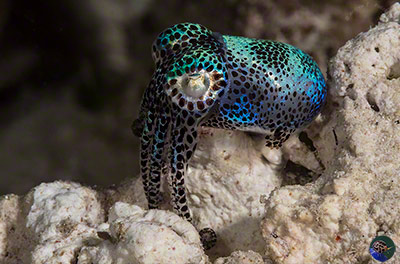
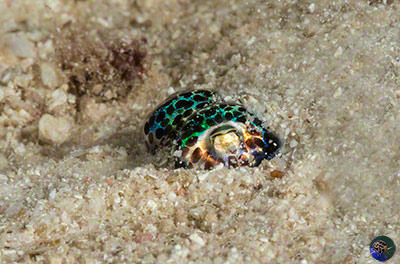
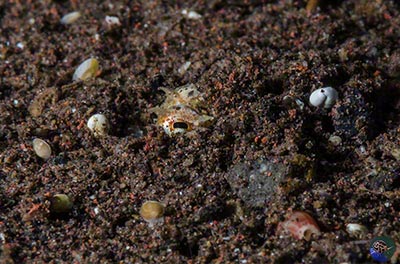
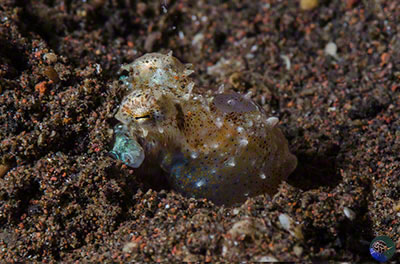
Bobtail and Pygmy squids are related, sharing the ability to produce a type of carbohydrate-bsed glue from cells in the skin. Bobtails make use of the glue to stick sand to their body when under threat. Pygmy Squid use it to stick themselves to something so they can save energy swimming. These tiny squid only live around 10 weeks.
Bobtail Squid have a special organ housing symbiotic bioluminescent bacteria.
In spite of being called squid, they are more closely related to cuttlefish.





Cuttlefish
Cuttlefish
Cuttlefish have tubular bodies that are usually relatively wide. They are characterised by having a rigid aragonite compartmentalised "bone" that they use to regulate their bouyancy. Their eyes are unique in being shaped like a "W". They have eight arms, two of which are long and retracted, but can be rapidly shot out to capture prey.
Cuttlefish, particularly the smaller species are frequently see on reefs.
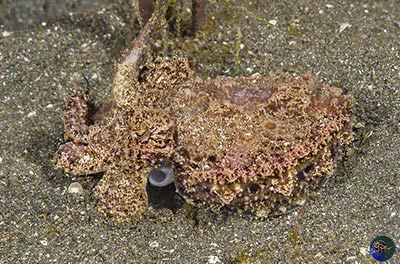
One species, the Flambouyant Cuttlefish (Metasepia pfefferi) is almost entirely benthic. Its body contains the same lethal toxin as in the bite of Blue-Ringed Octopus. Walking slowly along the bottom, it often pulses its warning purple & yellow colouration while in search of shrimps, crabs and fish. If ian individual chances on an area with commensal gobies, it can clear out all the shrimps and gobies in a short space of time. As they become older, they seem to become more sedantary hiding half-buried in sediment, adopting a camouflage colour and surface structure. The hunting strategy is then as an ambush predator. (pers.obs.)





Squid
Squid
Like cuttlefish, squid have eight arms, two of which are long and retracted, being used for hunting. Their "skeleton" comprises a rod-like pen made of chitin. Unlike cuttlefish, the are negatively bouyant and have tp They are not typical reef-dwellers.
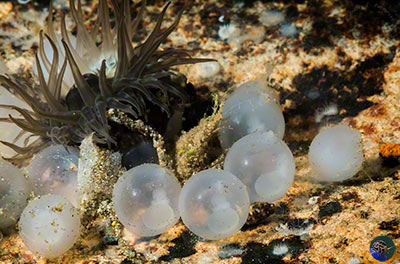
Sepioteuthis lessoniana is seen close to reefs in sea-grass beds even during the day, where they can often be observed laying their white, sausage-shaped egg-masses.
Other species are seen mostly at night where the hunt above the reefs. A range of their extraordinary postures are shown in the images.





Day-active Octopus
Day-active Octopus
Octopus have 4 pairs of arms, of which one pair is often used for "walking". Reef octopus are all bottom dwelling, relying on camouflage and hiding in tight crevices for protection. They only swim when under extreme duress. Some species have developed the ability to hold shells around their soft bodies as protection. The Coconut Octopus is the most well know of these.
Some species, e.g. Octopus cynaeus hunt actively on the reef during the day. Mimic Octopus and the Wonderpus hide just below the surface of the sand/sediment, suggesting that they may be camouflage preditors as well as active hunters. The Wonderpus is seen more often late afternoons. Much is written about these two species. One photograph shows a true defensive posture and colouring in the Wonderpus as a a ribbon eel swims over the Wonderpus.




Night-active Octopus
Night-active Octopus
Night is a time to see many octopus hunting over the reefs, across seagrass beds, sand and sediment. With luck, octopus paralarvae can be seen just after settling down from the plankton.






Octopus with hairs
Octopus with hairs
One Abdopus species, the Algae Octopus and an undescribed Octopus sp. which is very "hairy" are the two octopus have hair-like skin flaps. Both seem to be active in the afternoon. Neither are seen often, but their camouflage is very good. As can be seen from the images of the Hairy Octopus, sand is trapped between the hairs adding the effectiveness of the camouflage. The photographed individual was seen gently "bouncing" across a sandy area. The bounce was achieved by the octopus swimming just over the sand surface with one leg hanging down below and pushing it up from the sand every few centimeters.



Octopus - Poisonous
Octopus - Poisonous
The four species of Blue-Ringed Octopus (Hapalochlaena) and the Mototi Octopus (Amphioctopus mototi) produce a tetrodotoxin that is absorbed through the skin even if the skin is not punctured. There is no known antidote.