Reef Stories

Giant Clams
File Shells, Mussels & Oysters
Giant Clam & Co.
Shell Index
Bivalves
File Shells
Giant Clam
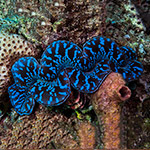
Oysters
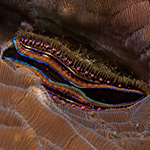
"Snails"
Auger
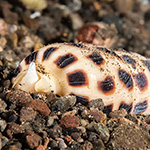
Bubble Shells
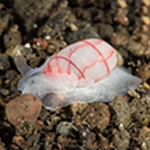
Conchs
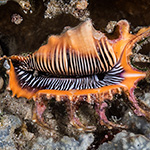
Cones
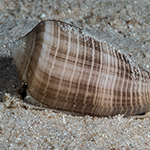
Cowries
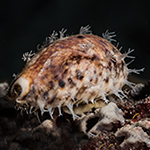
Cystiscus
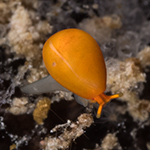
Harp Shells
Helmets
Mitres
Murex
Moon Shells
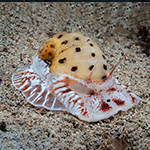
Olives
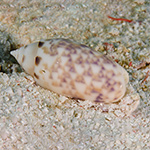
Ovulid Cowries
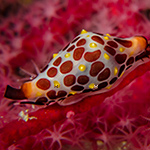
Parasitic Shells
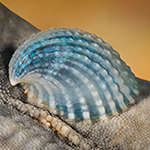
Stromatolines
Tritons
Tuns
Velutinid
Volutes
Wendeltraps
Whelks
Worm Shells
This group contains the largest molluscs on the planet, living to over 100 year old and weighing over 200 kg! They are not able to trap peoples legs as films would make you believe.
Massive over-collecting has led to extinctions where they were once common.
Help support the organisations protecting the reefs, developing sustainable fisheries and monitoring international trade.
Submit
Showing results for
1 result
results
Nothing found
Common words are largely ignored
Search too short
Should be 3 characters or more
File Shells
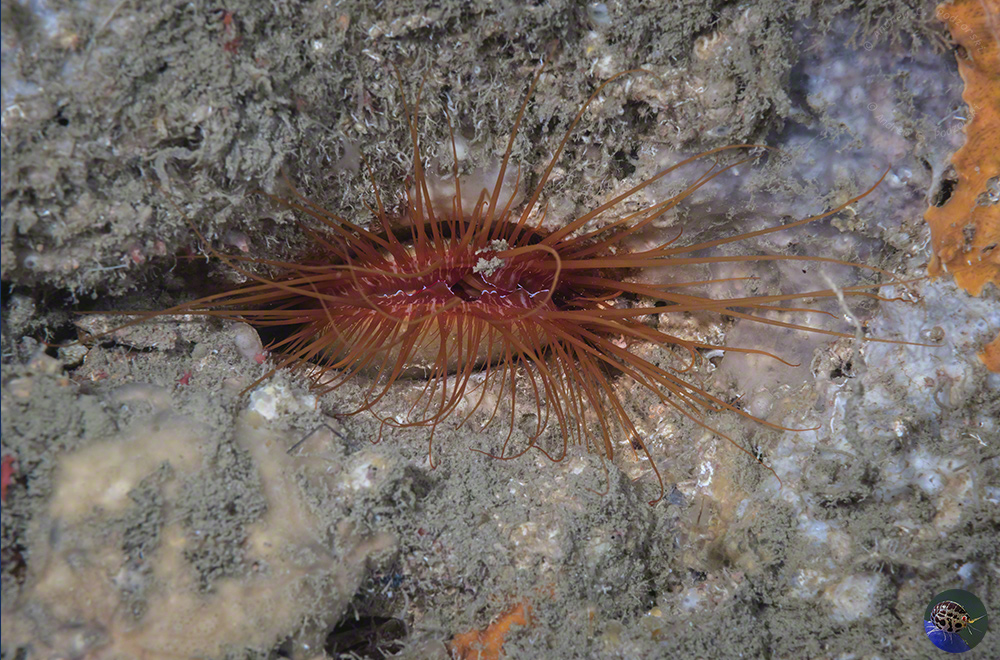
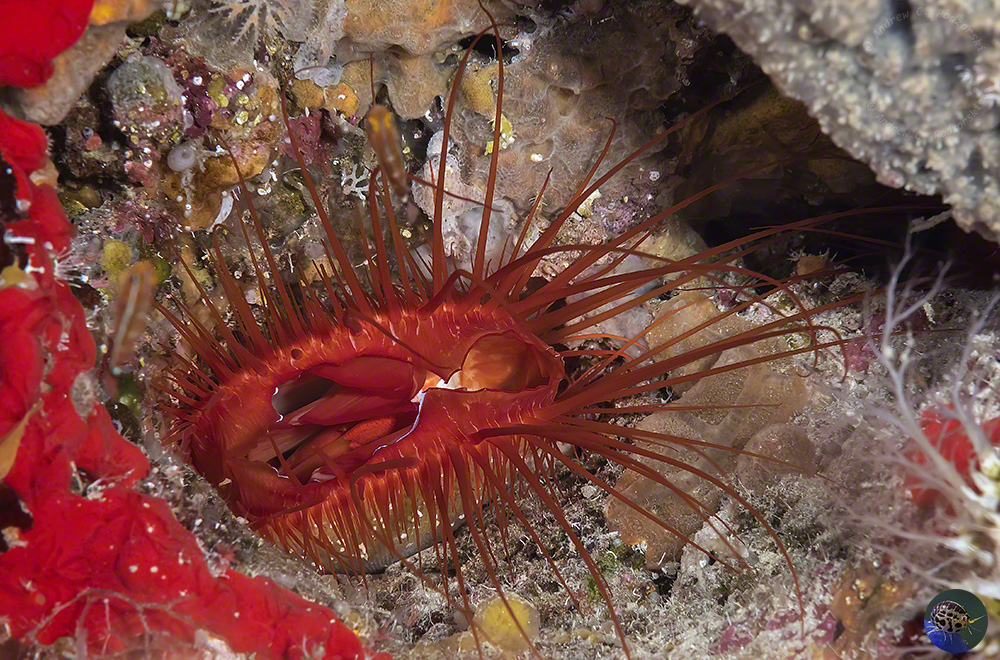
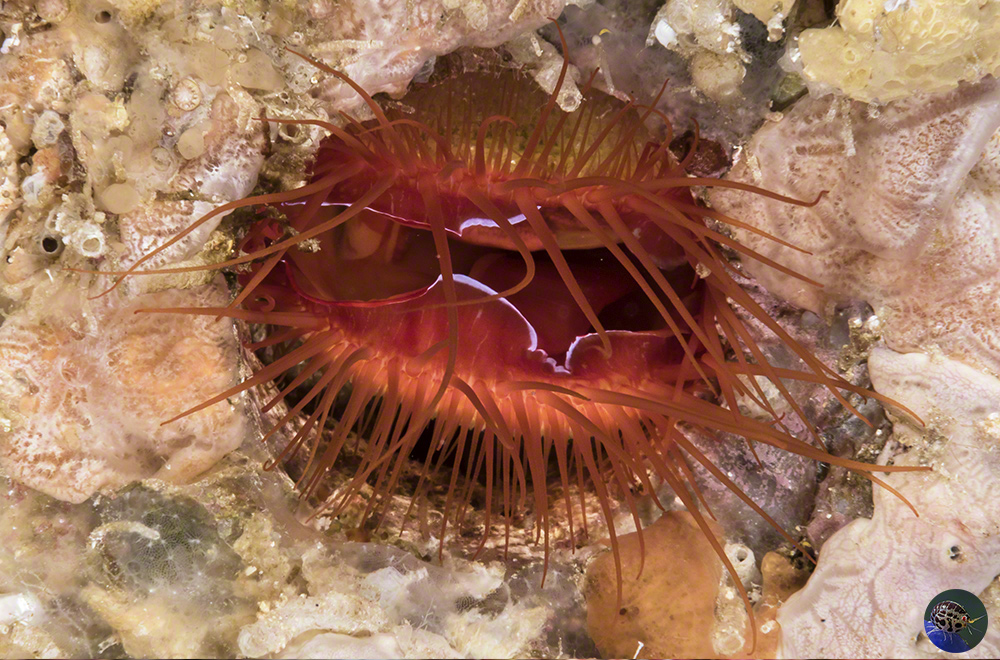
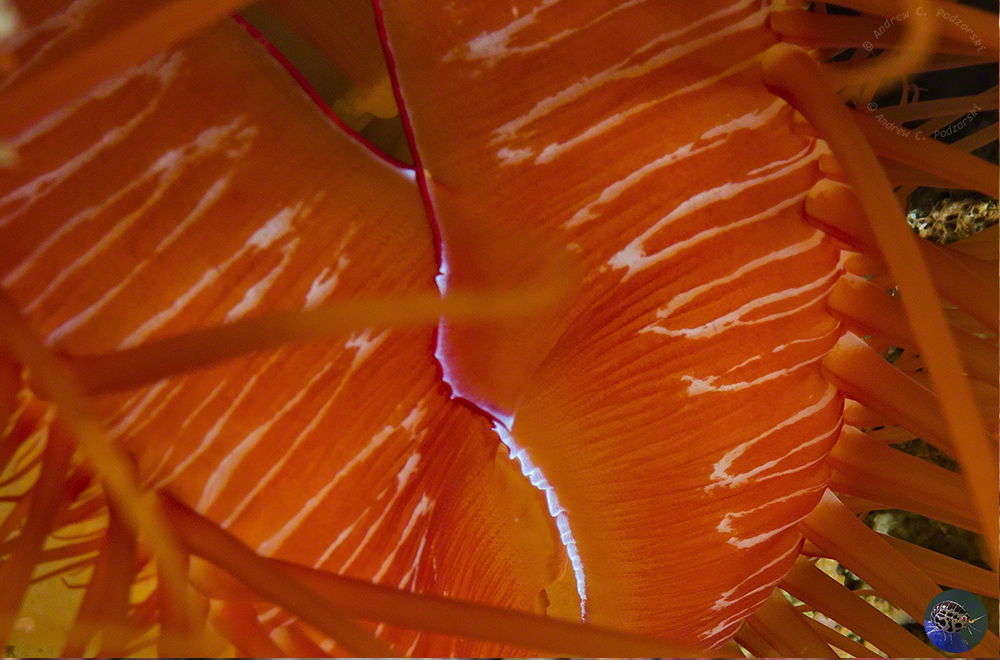
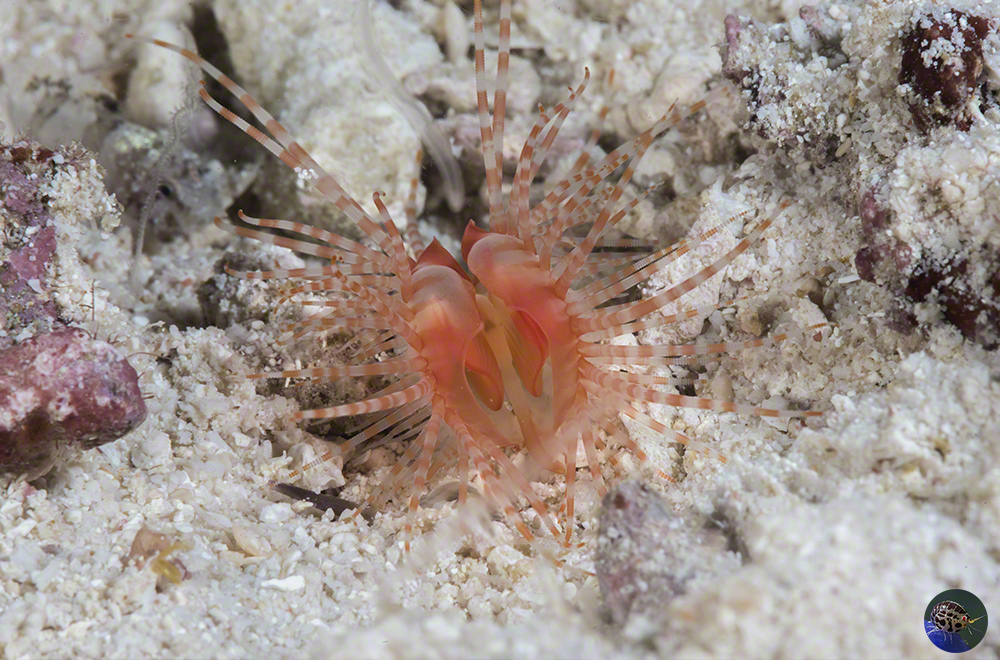
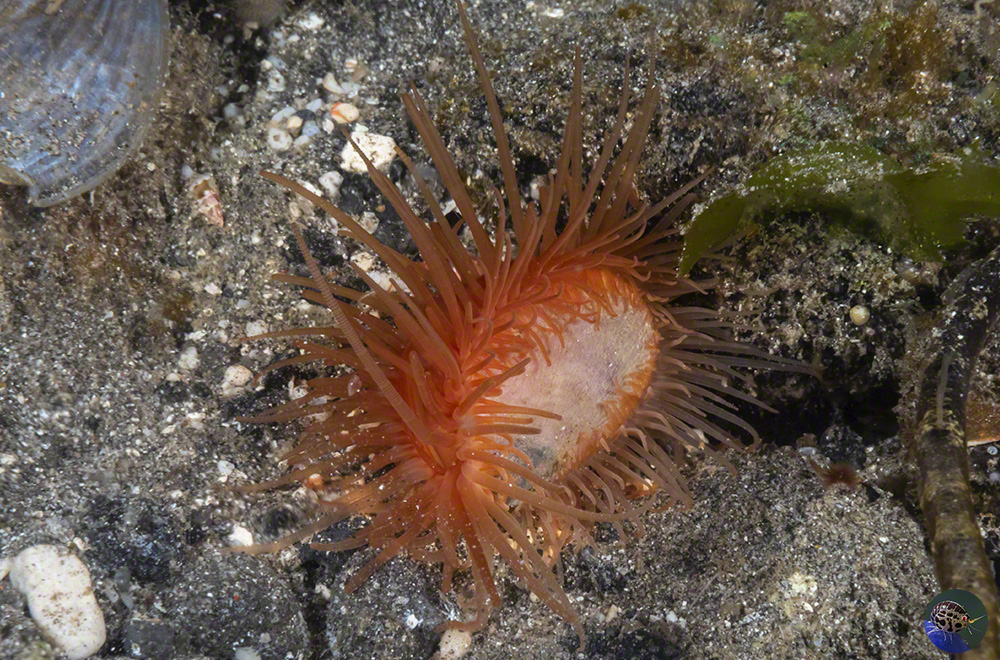
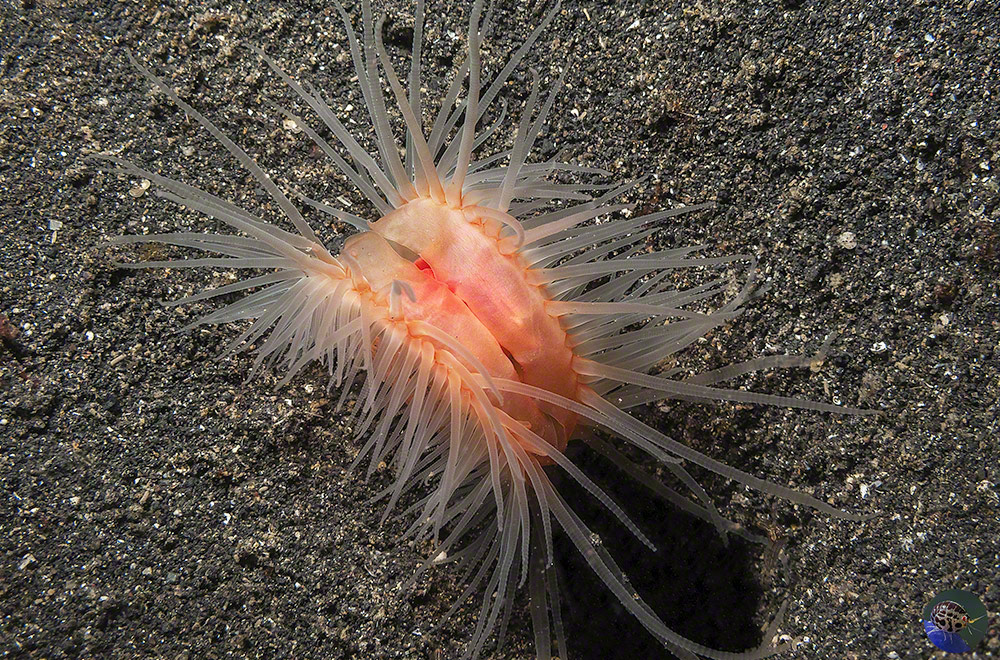
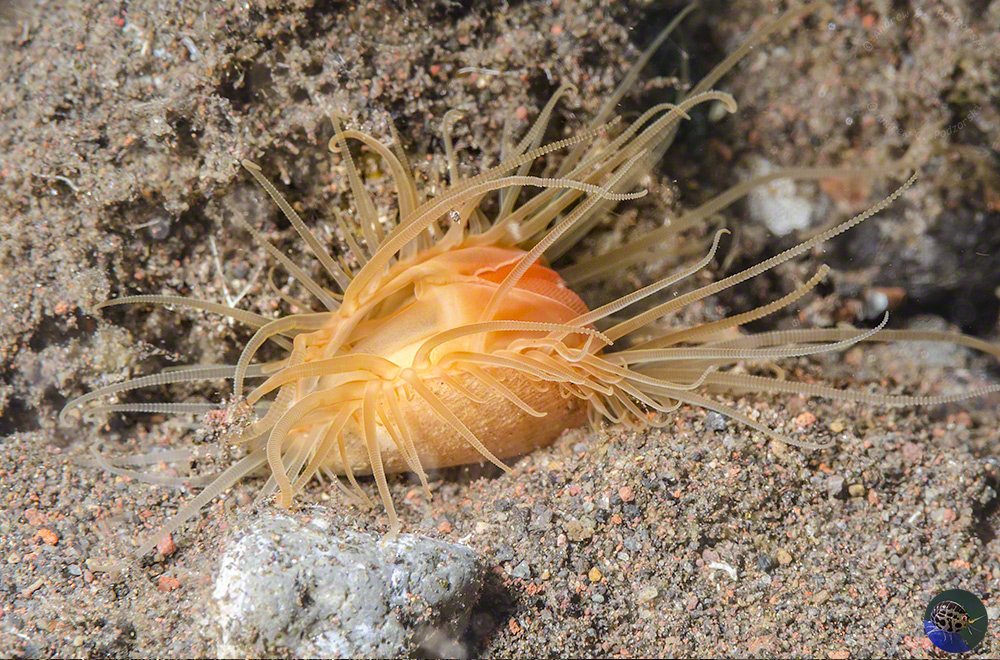
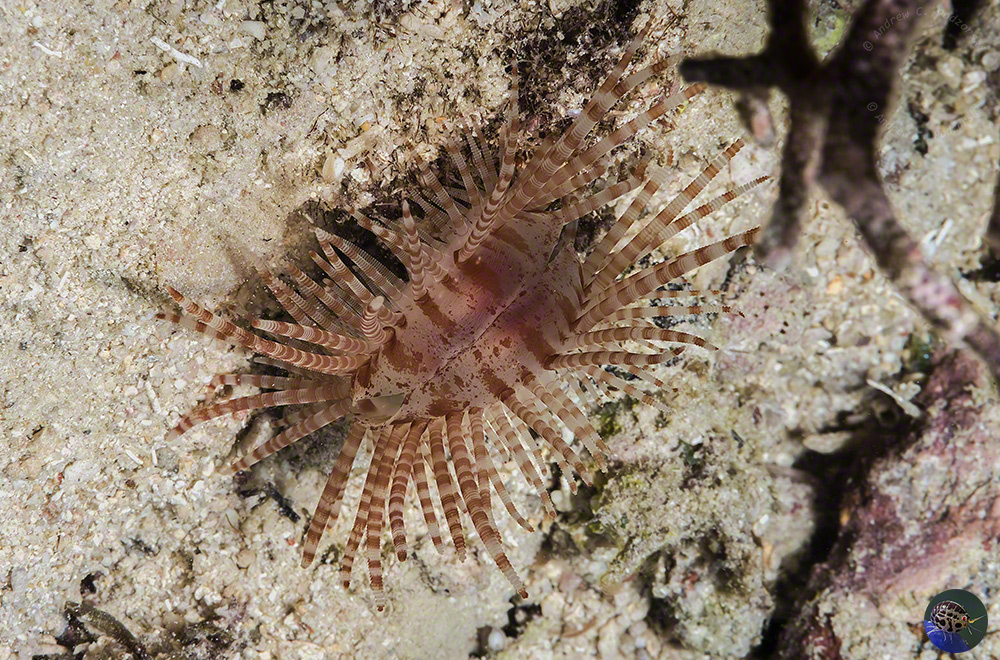
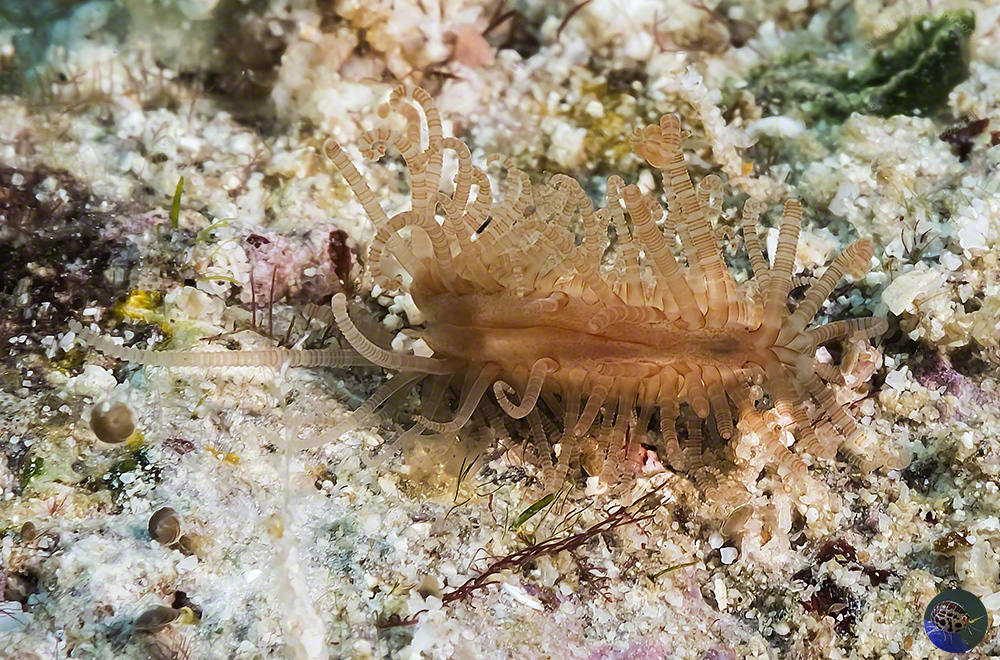
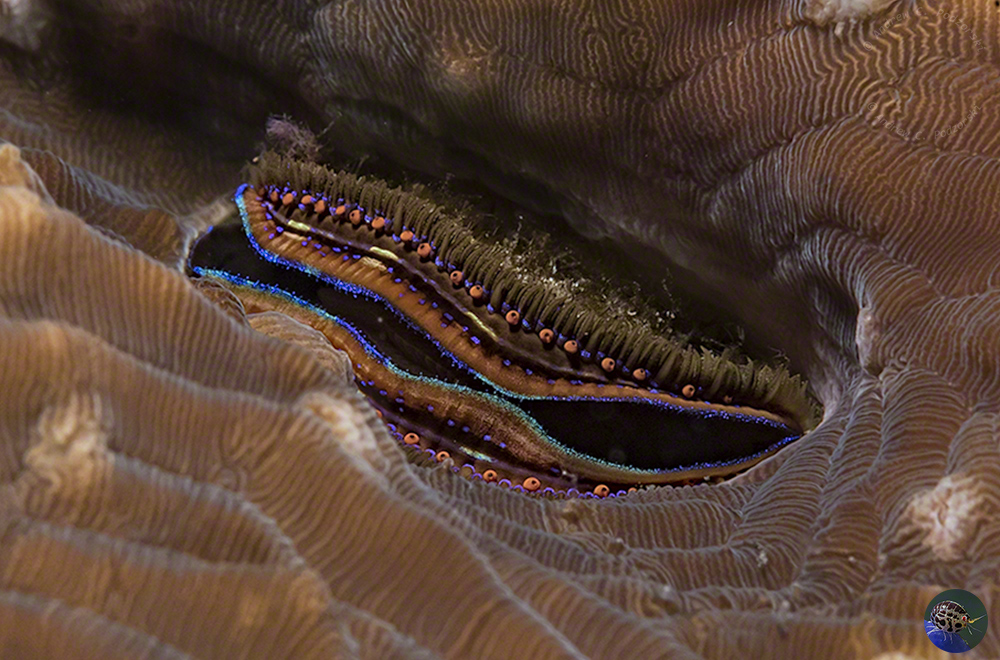
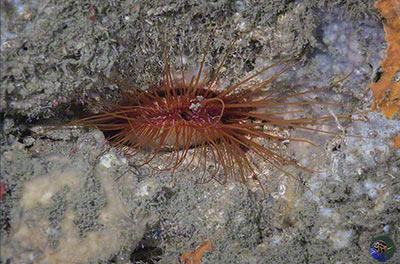
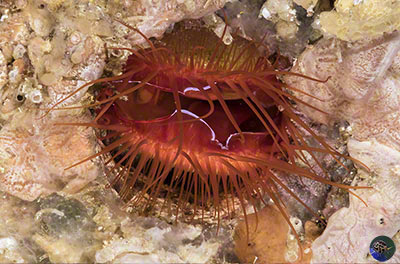
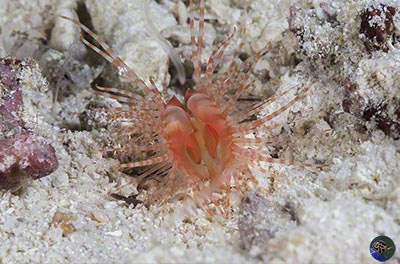
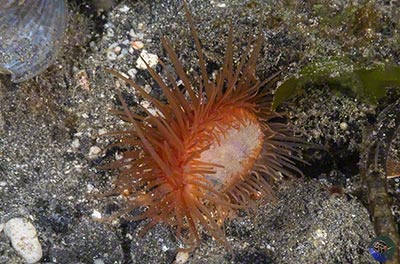
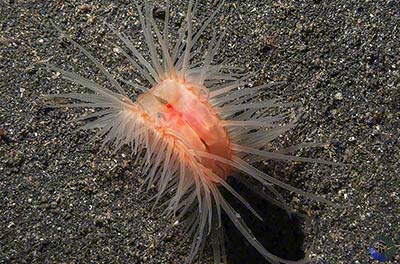
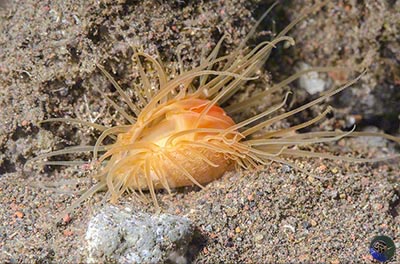
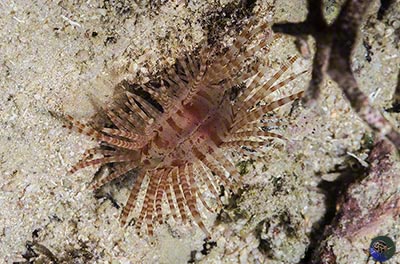
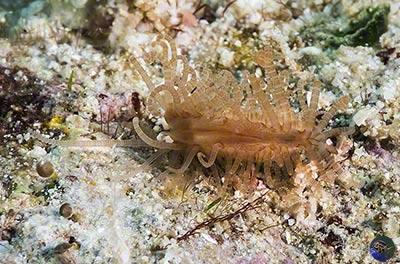
Limaria are free living bivalves with small thin shells. Under threat of danger they can make a fast escape by quickly opening and closing their shells. In cold waters related species build large colonies.
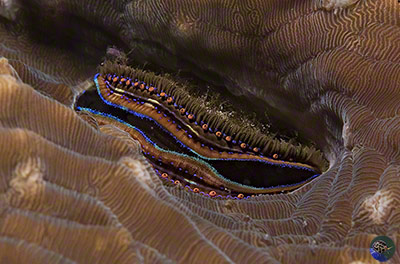
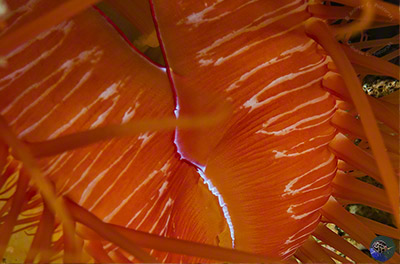
The "Disco Clams" create burrows in limestone from which their long tentacles stretch to catch food. The flashing light that they create is a result of highly reflective silica nanoparticles in the lip of the mantle. By quickly rolling and unrolling the mantle margin, the smallest traces of ambient light are concentrated and reflected creating a flashing effect.
Giant Clams
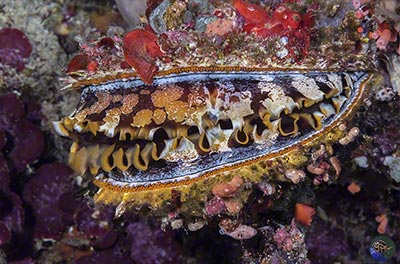
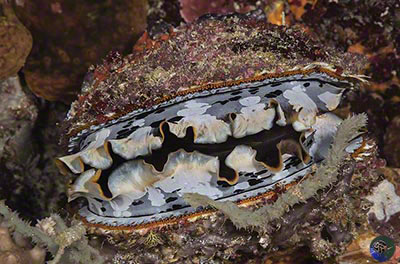
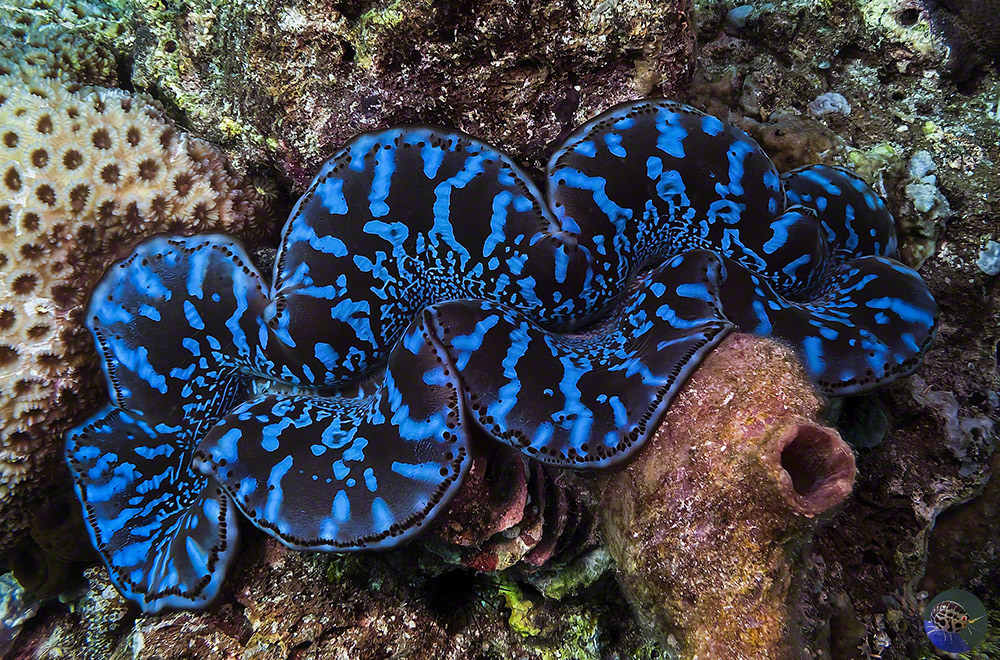
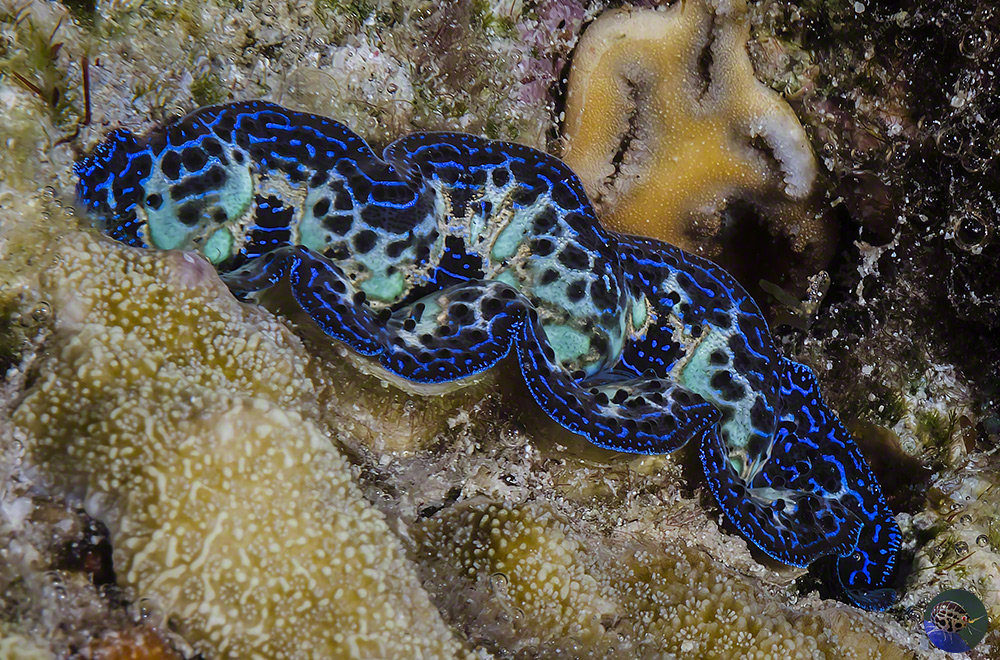
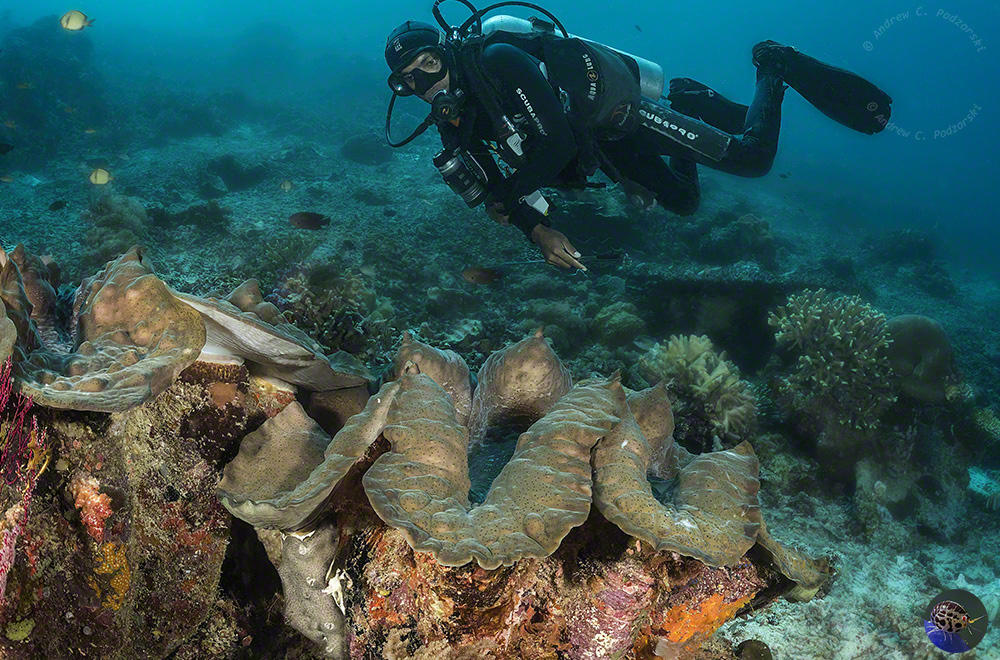
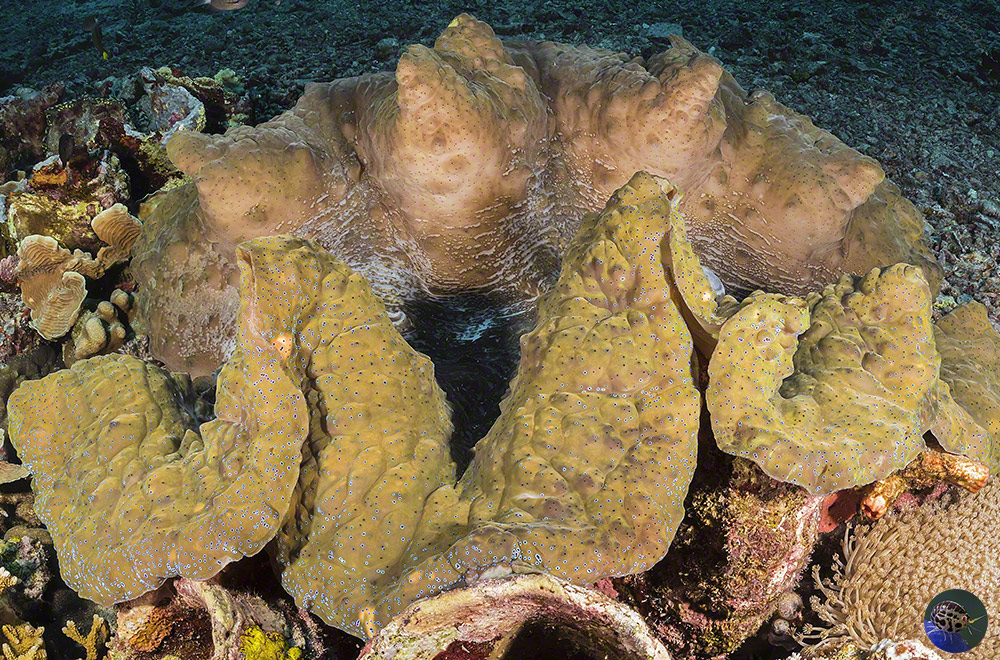
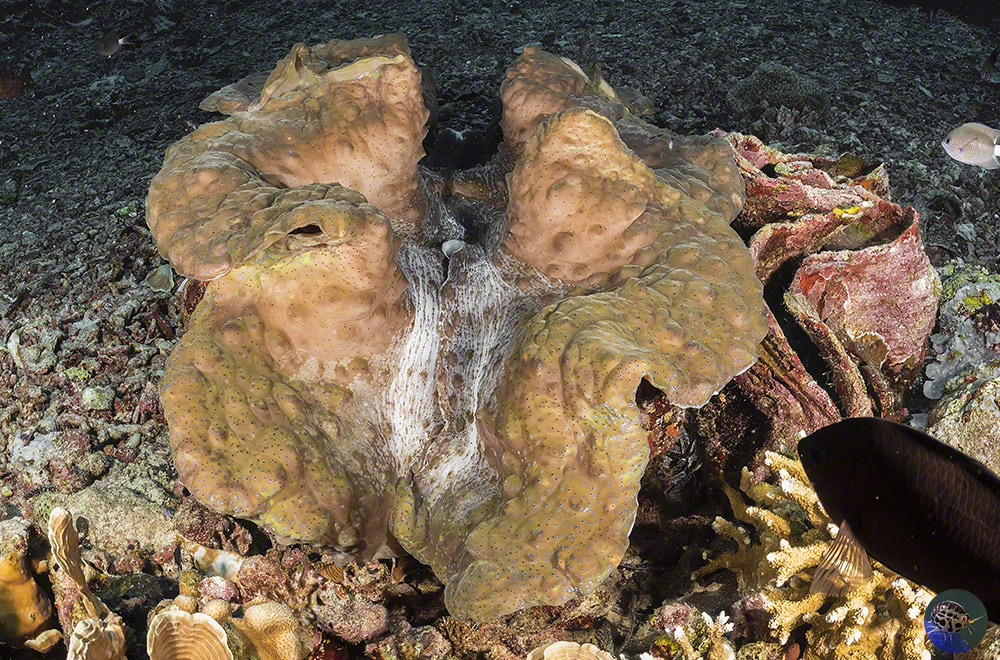
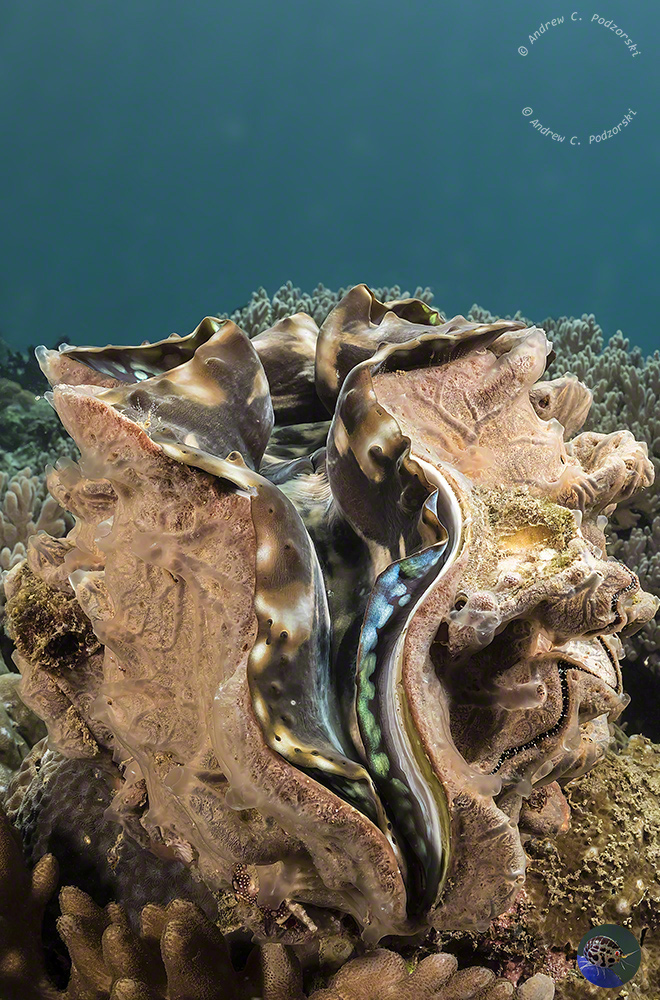
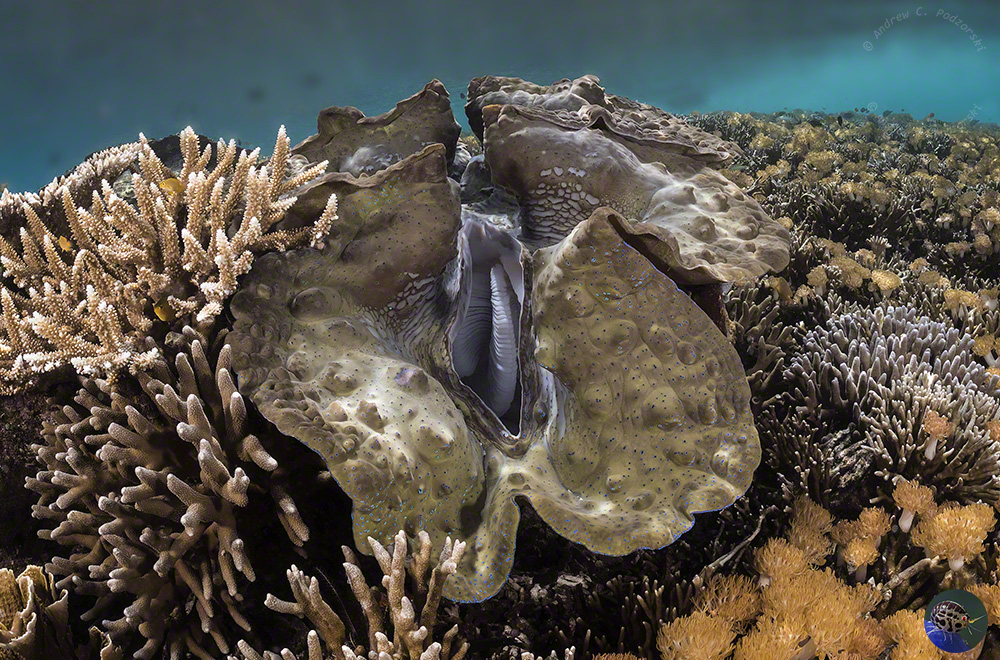
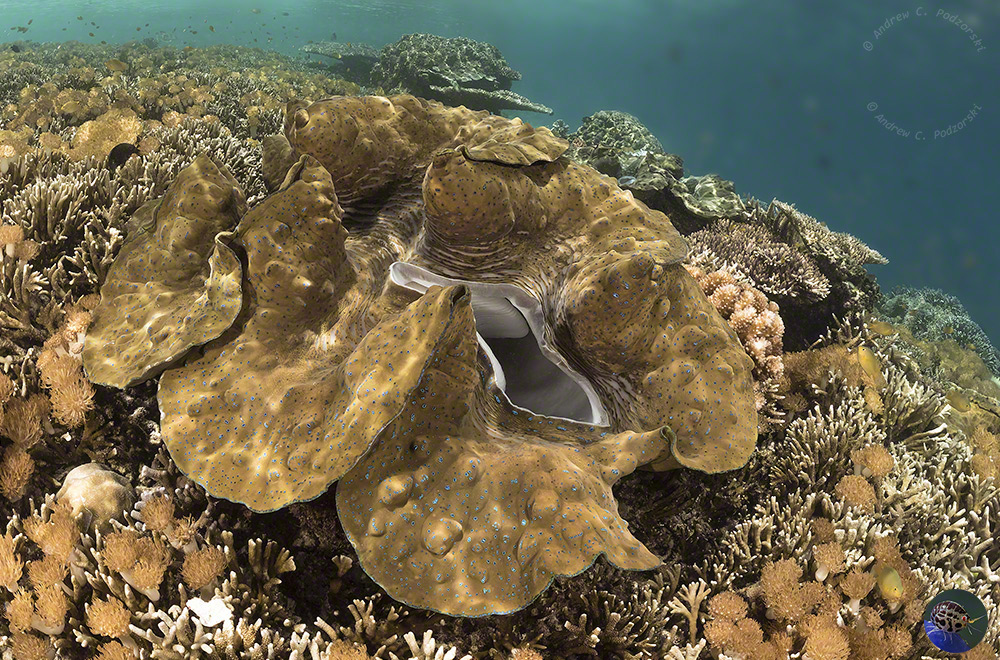
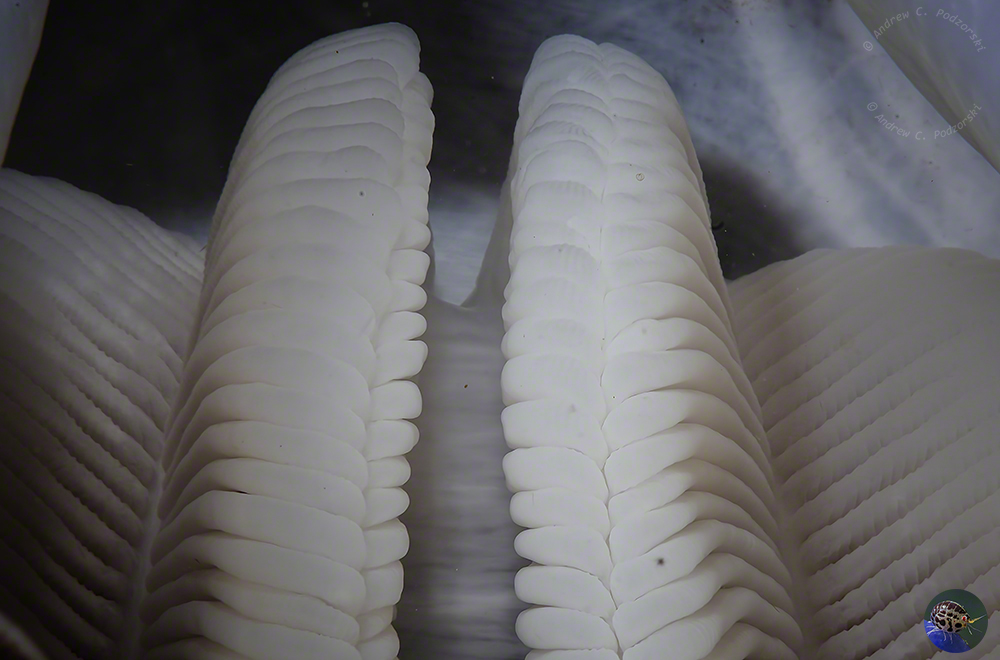
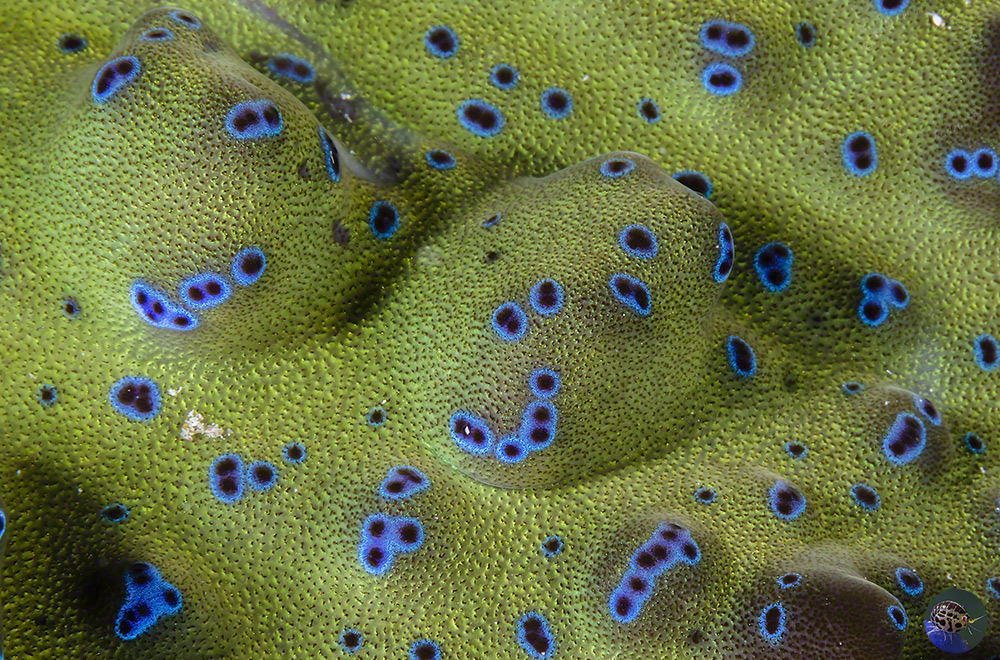
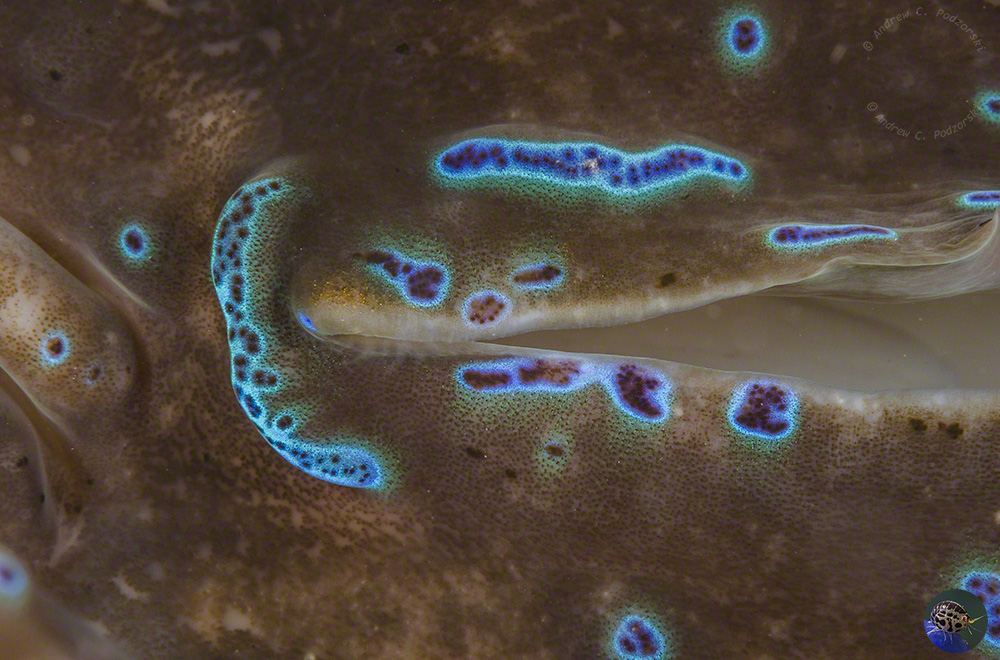
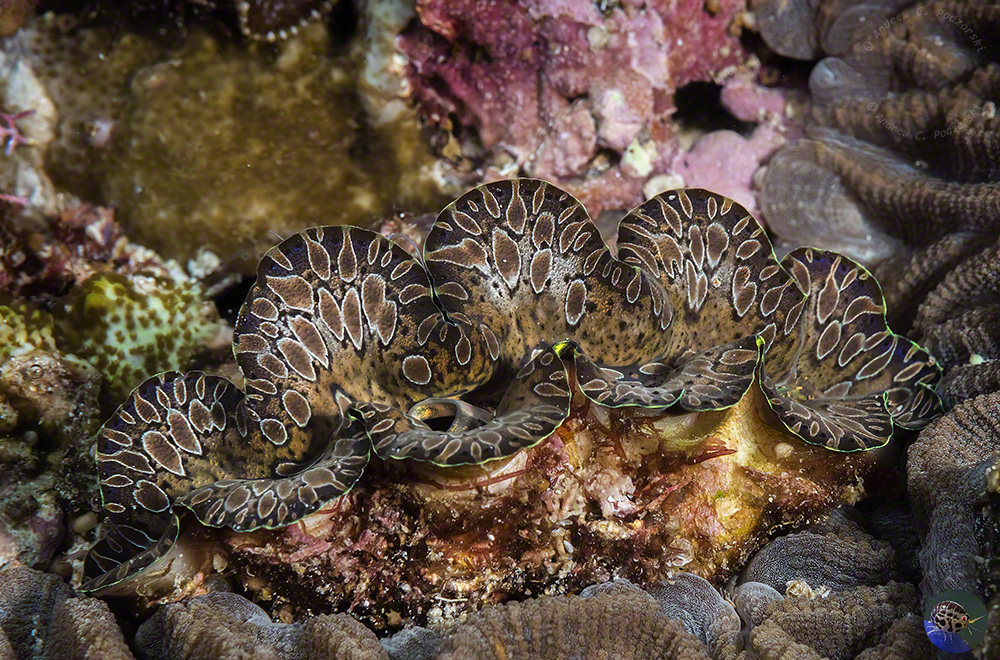
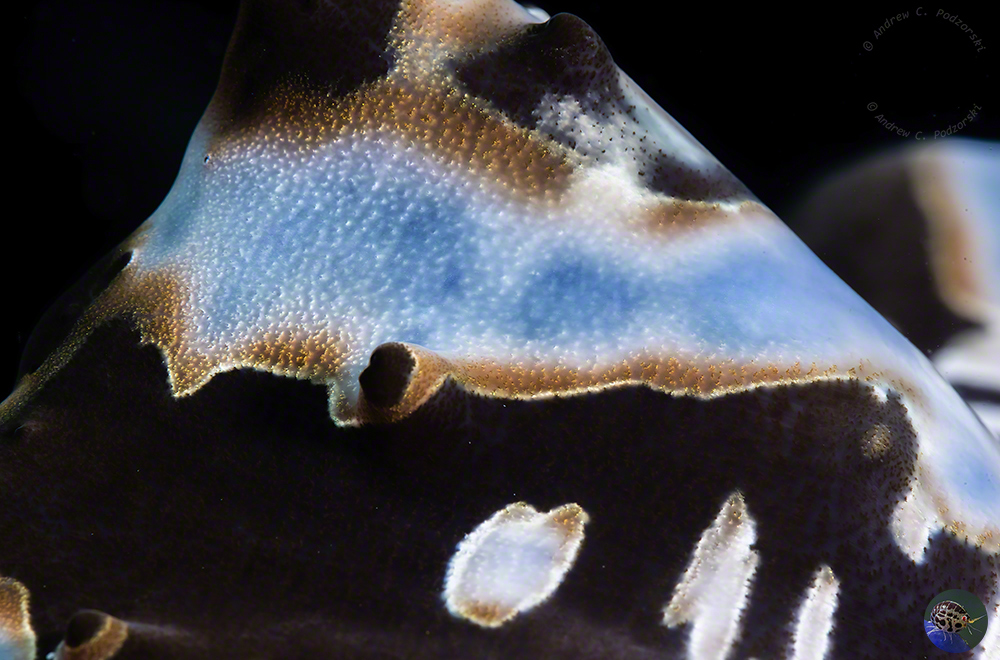
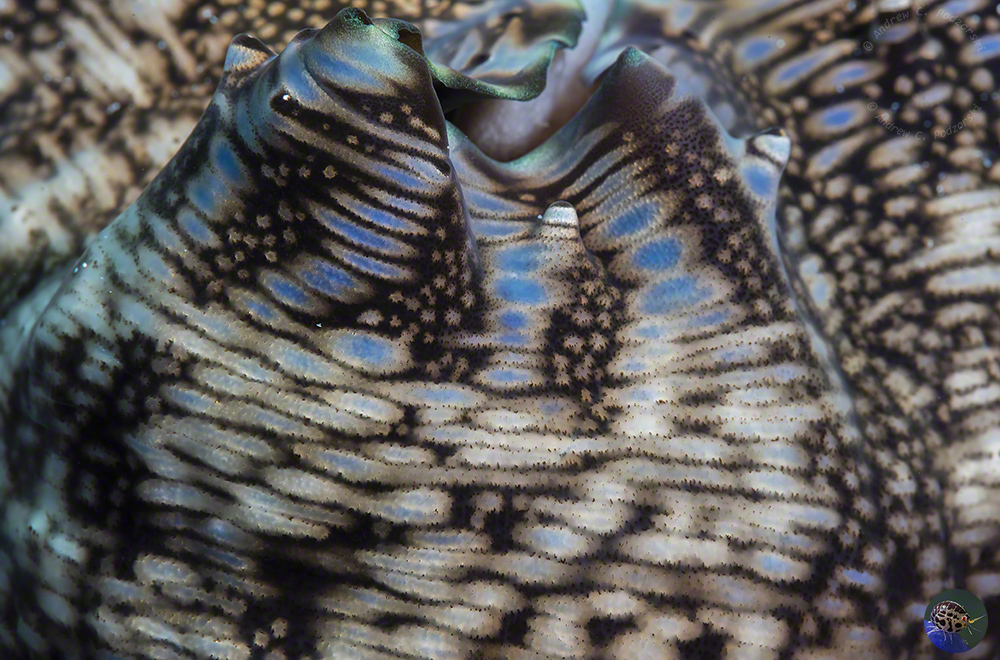
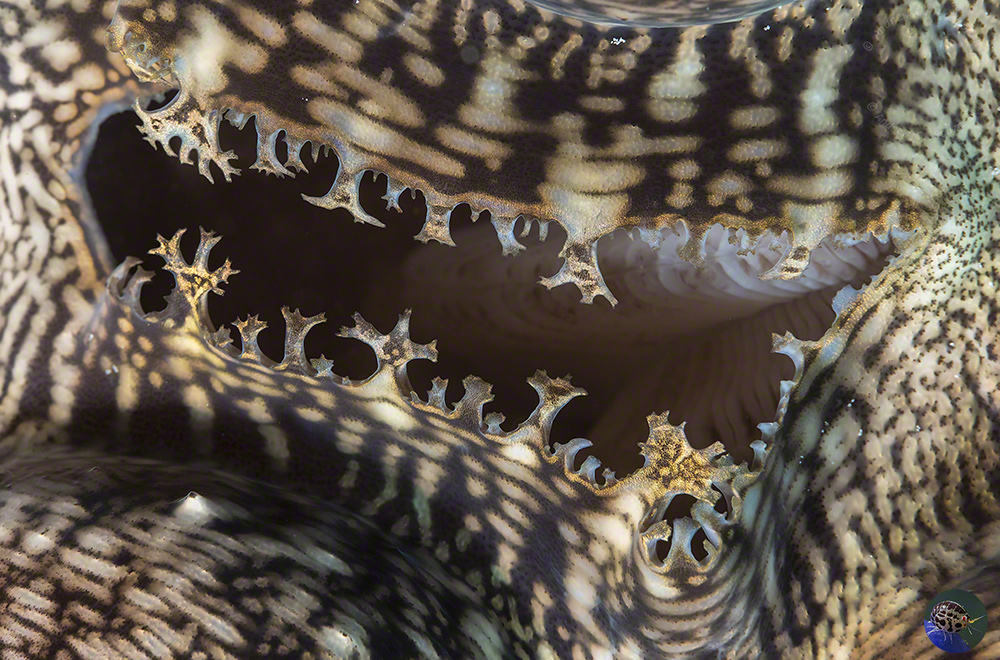
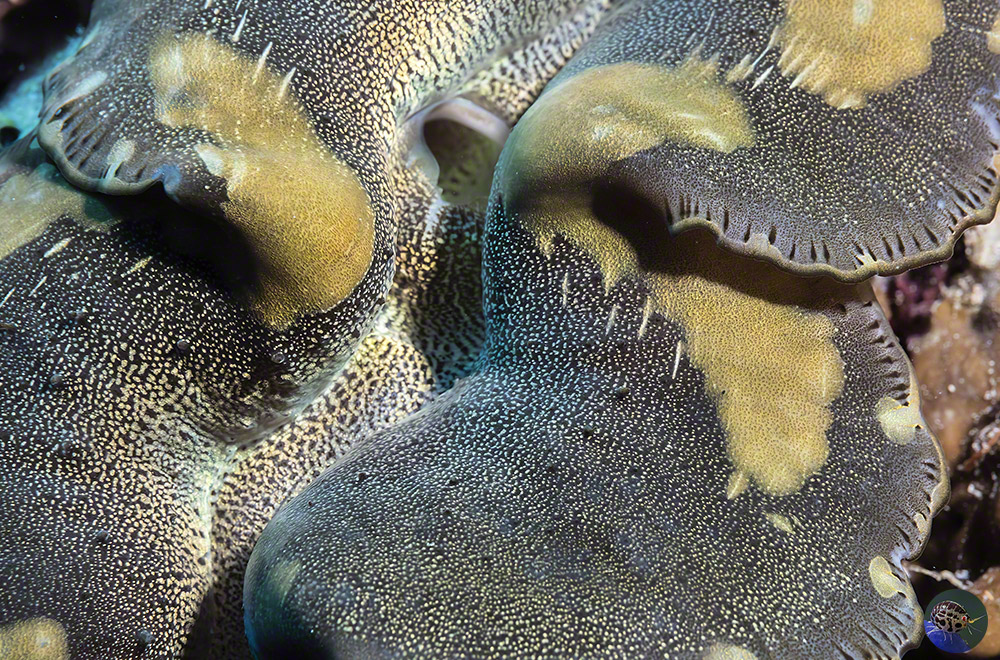
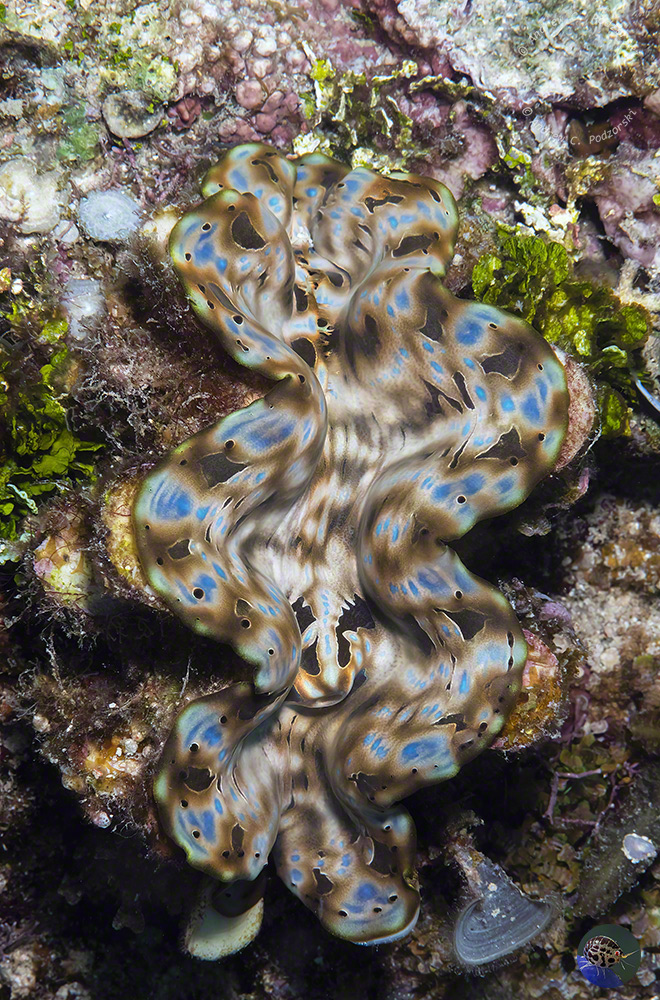
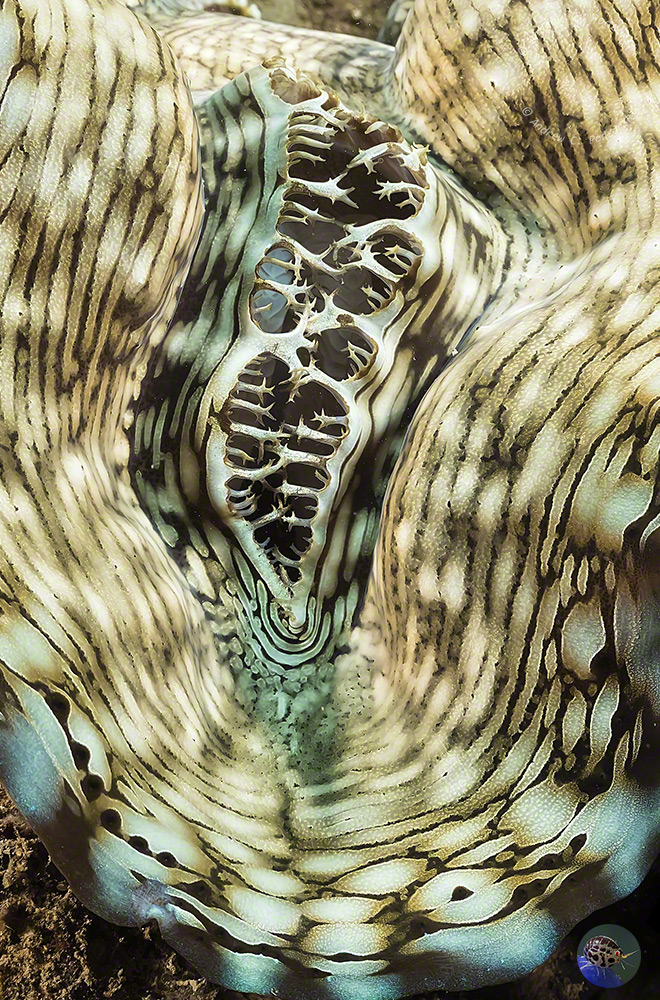
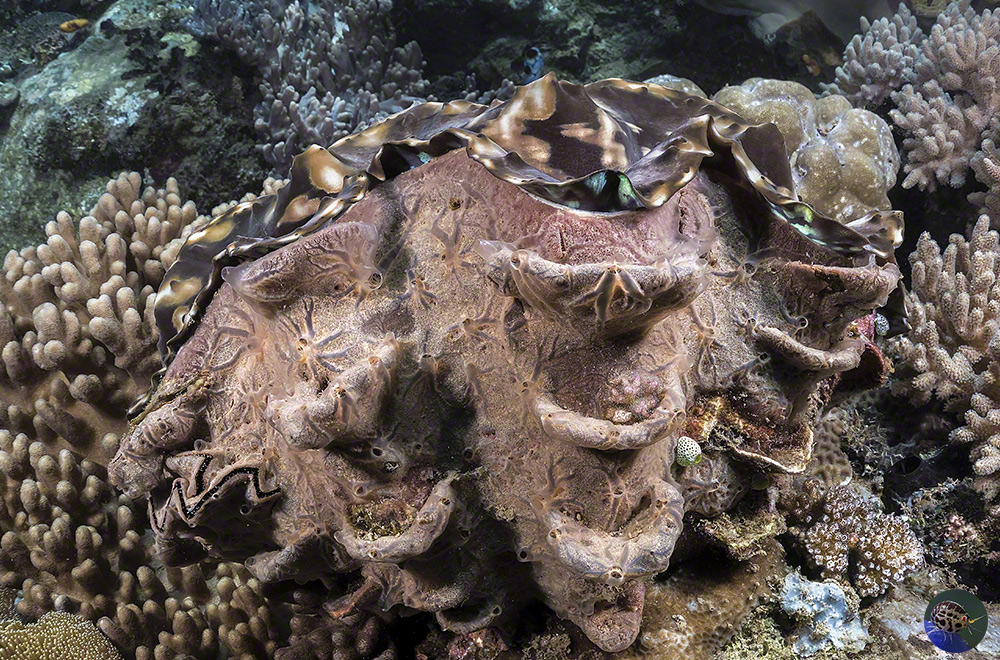
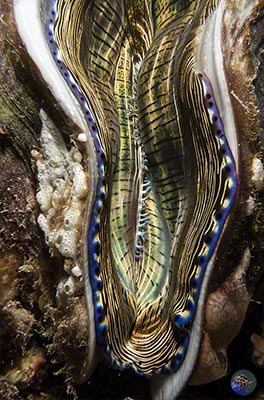
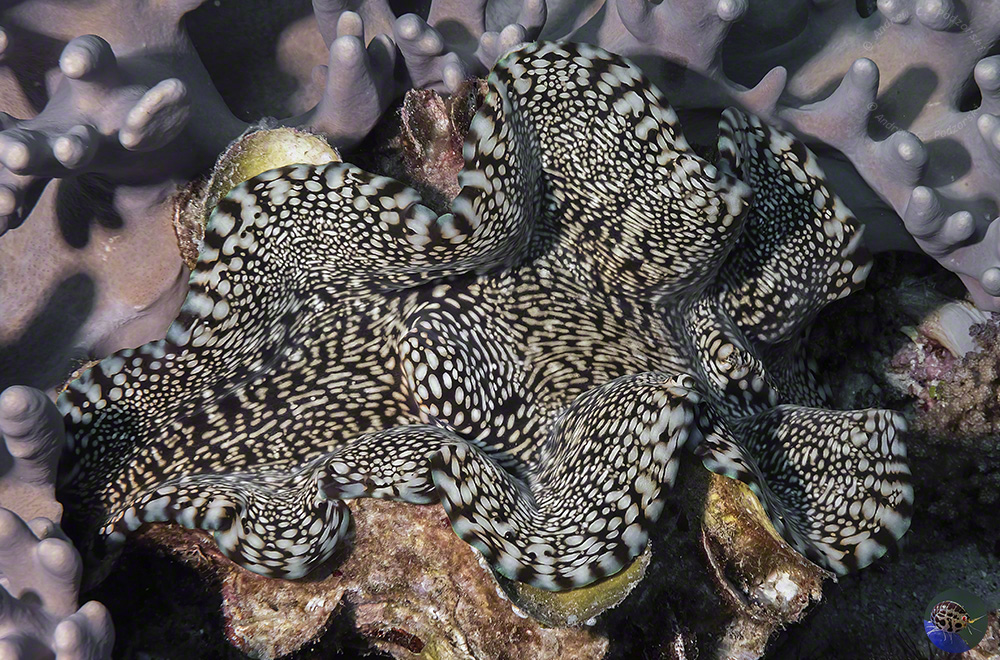
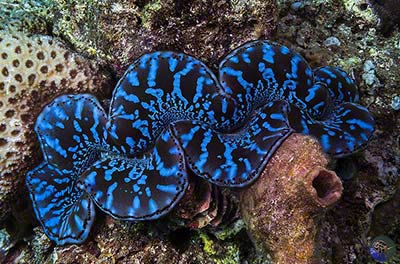
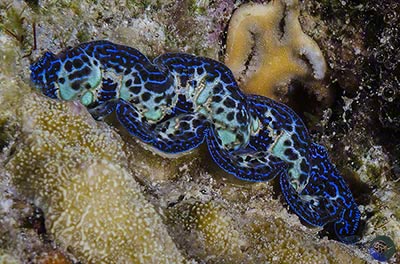
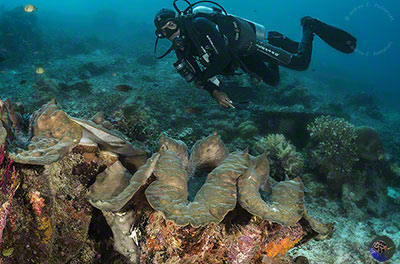
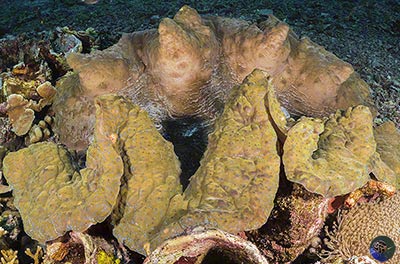
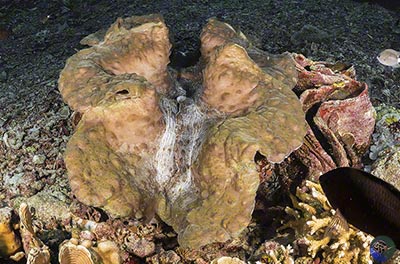
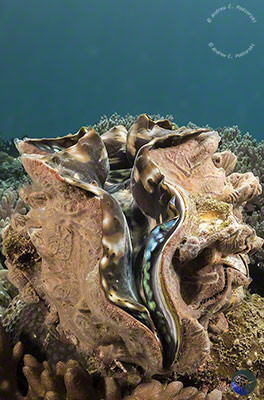
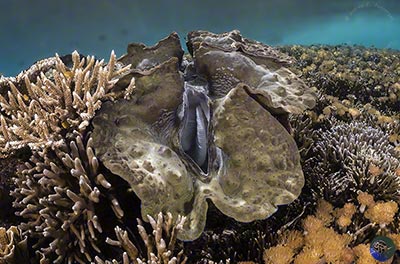
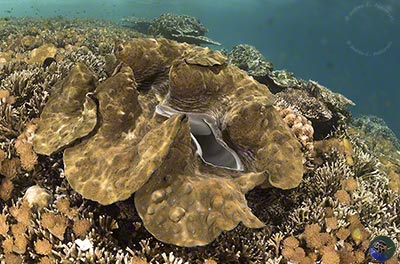
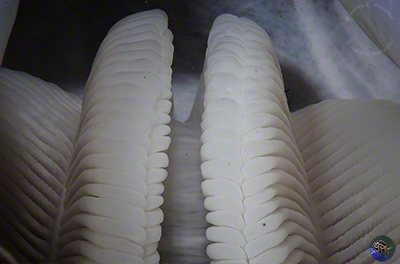
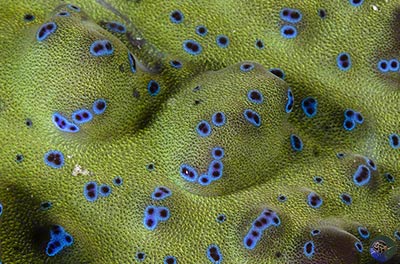
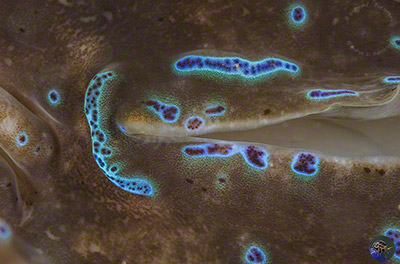
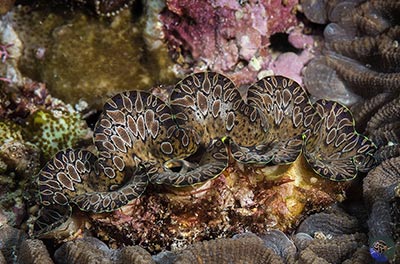
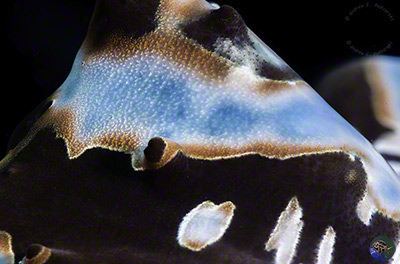
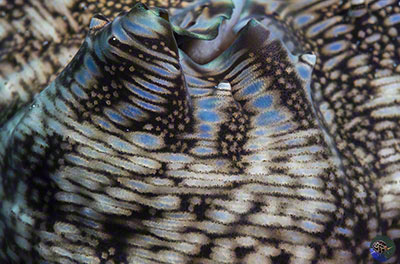
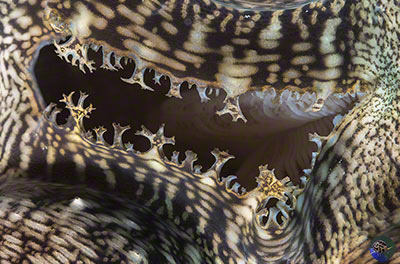
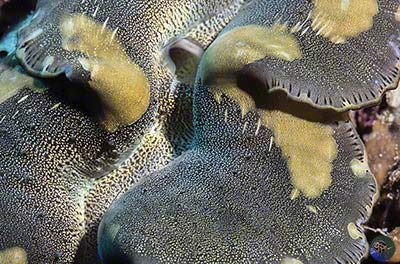
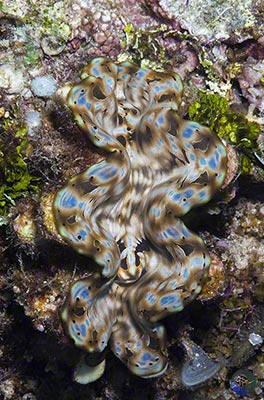
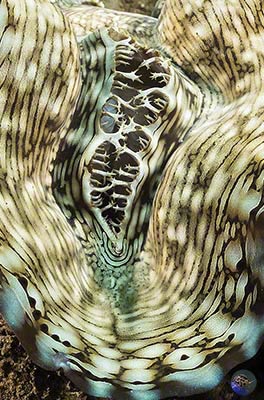
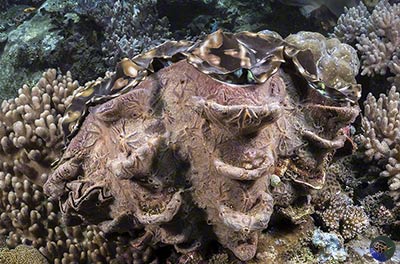
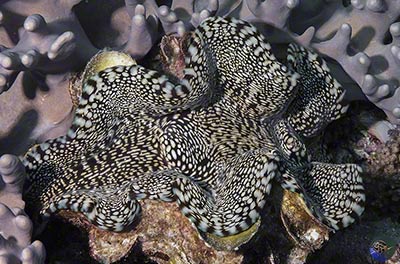
These are the larges molluscs on the planet. They can weigh over 200 kg, have a width of 1.2 meters and live to over 100 years.
Giant Clams are vulnerable to excessive collecting either for food or for ornaments and shell collectors. As an example, in April 2021, 200 tons of illegally collected giant clams were seized in what was the third in 2021.
They have become extinct in many areas where once common.
Oysters
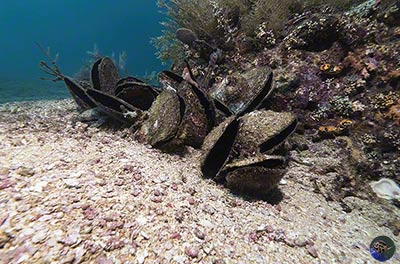
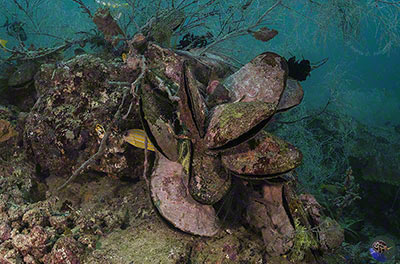
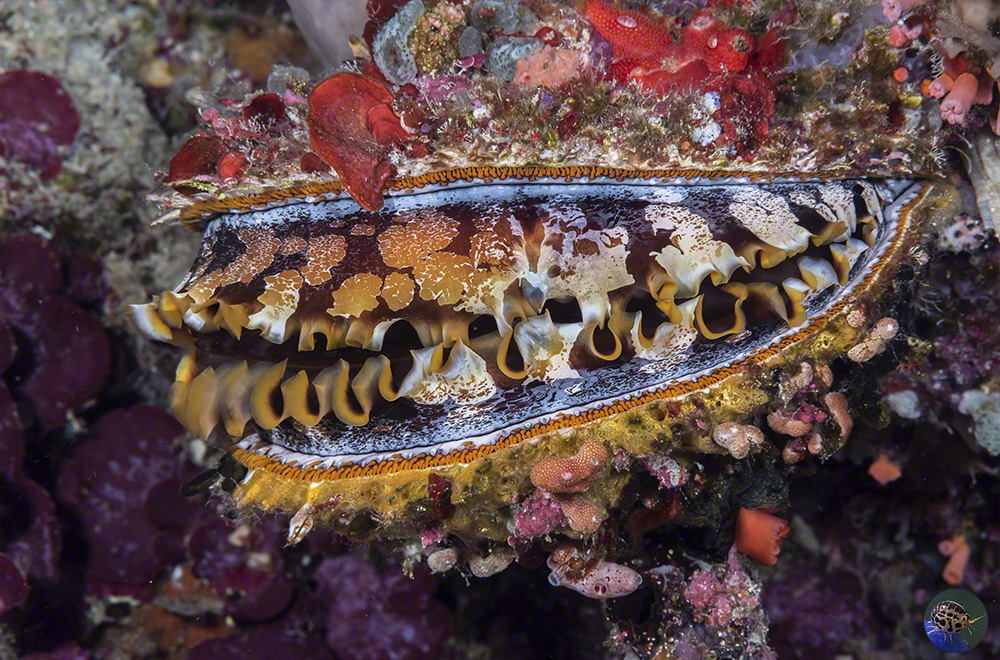
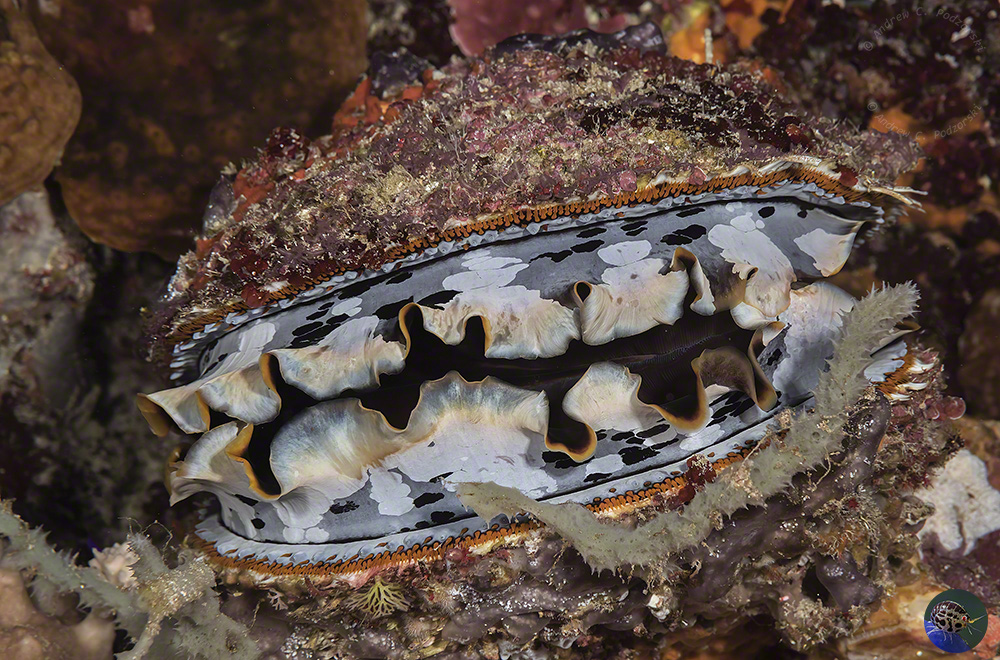
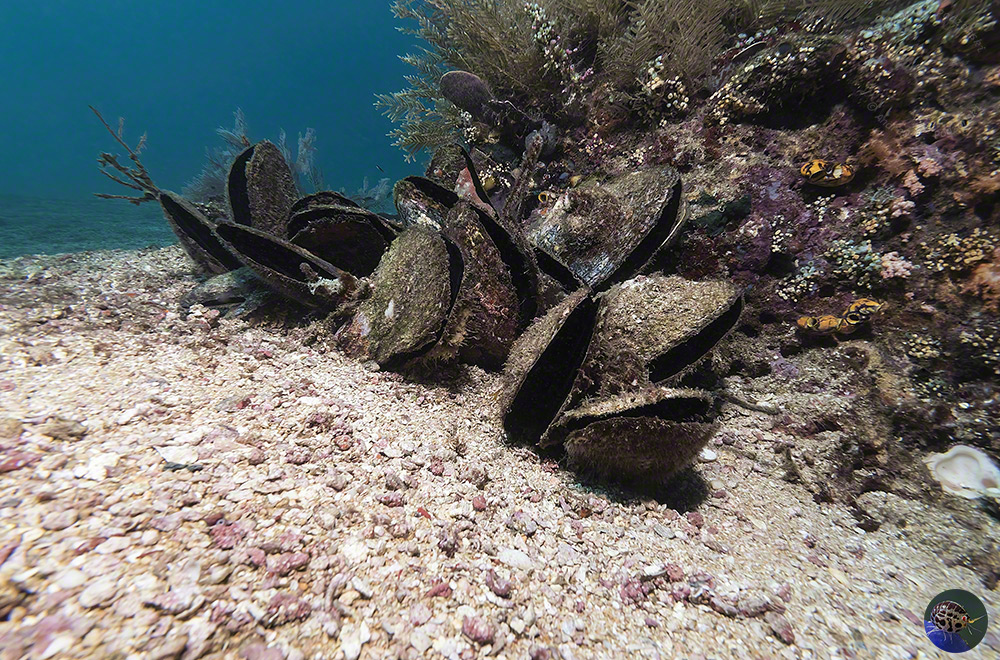
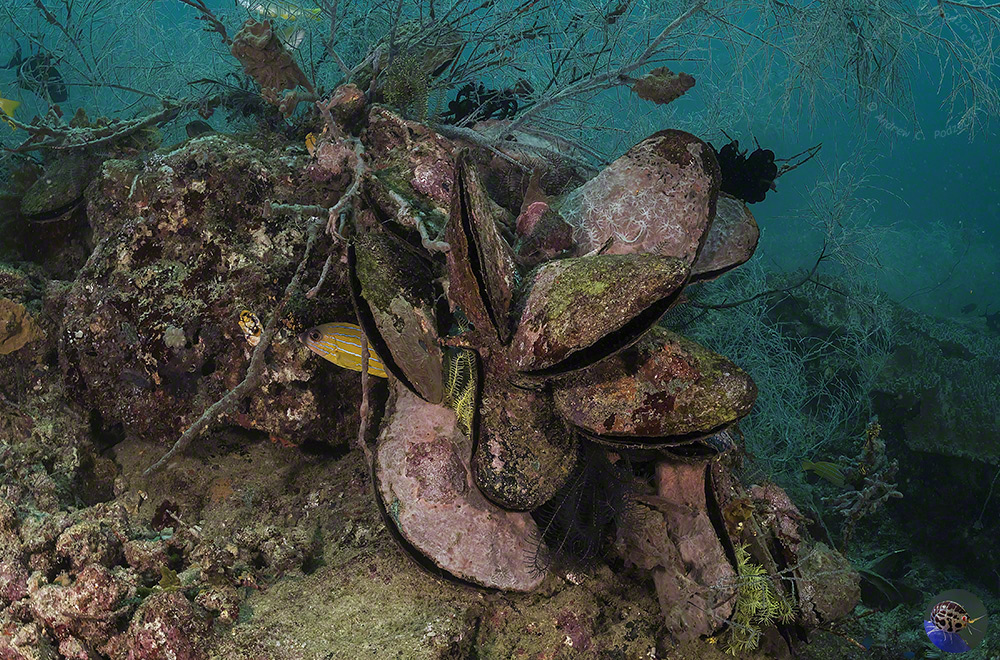
These commonly seen filter-feeding reef bivalves are not closely related to true oysters. They cement themselves to the substrate so they are firmly attached. The tropical species often contain a toxin and are not recommended eating!
Help Save Reefs!
The organisations that work to protect coral reefs and our oceans need as much support as they can get. Check out:
If you are a diver, and especially if you are an underwater photographer, donate. If you do nothing, there will be nothing to dive on and nothing to photograph.
These are suggestions, but not endorsements of the suggested organisations. It is your responsibility to review and check the charities you wish to donate to.
File Shells
File Shells
Limaria are free living bivalves with small thin shells. Under threat of danger they can make a fast escape by quickly opening and closing their shells. In cold waters related species build large colonies.
The "Disco Clams" create burrows in limestone from which their long tentacles stretch to catch food. The flashing light that they create is a result of highly reflective silica nanoparticles in the lip of the mantle. By quickly rolling and unrolling the mantle margin, the smallest traces of ambient light are concentrated and reflected creating a flashing effect.
Giant Clams
Giant Clams
These are the larges molluscs on the planet. They can weigh over 200 kg, have a width of 1.2 meters and live to over 100 years.
Giant Clams are vulnerable to excessive collecting either for food or for ornaments and shell collectors. As an example, in April 2021, 200 tons of illegally collected giant clams were seized in what was the third in 2021.
They have become extinct in many areas where once common.
Oysters
Oysters
addsLimaria are free living bivalves with small thin shells. Under threat of danger they can make a fast escape by quickly opening and closing their shells. In cold waters related species build large colonies.
The "Disco Clams" create burrows in limestone from which their long tentacles stretch to catch food. The flashing light that they create is a result of highly reflective silica nanoparticles in the lip of the mantle. By quickly rolling and unrolling the mantle margin, the smallest traces of ambient light are concentrated and reflected creating a flashing effect.