Reef Stories

Conchs & Co.
Helmets, Moon Shells, Tritons & Tuns
Conchs & Co.
Shell Index
Bivalves
File Shells
Giant Clam
Oysters
"Snails"
Auger
Bubble Shells
Conchs
Cones
Cowries
Cystiscus
Harp Shells
Helmets
Mitres
Murex
Moon Shells
Olives
Ovulid Cowries
Parasitic Shells
Stromatolines
Tritons
Tuns
Velutinid
Volutes
Wendeltraps
Whelks
Worm Shells
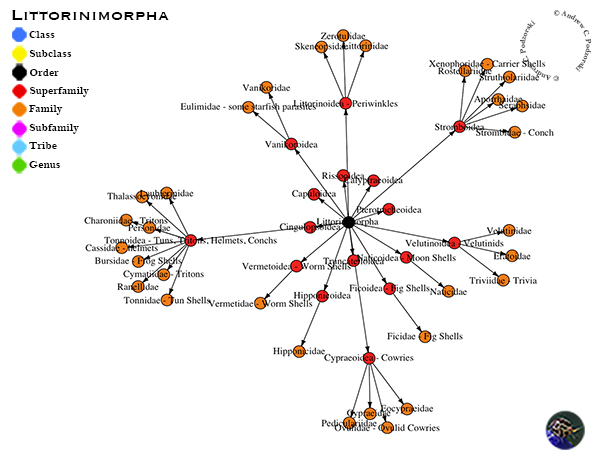
Helmets, Moon Shells, Tritons, the sea-cucumber eating Tuns and a group of shells that are parasitic on starfish and sea urchins belong in this group. Conchs are the only true vegetarians in this group. Tritons are famous for being the only predator of the Crown Of Thorns Starfish.
Conchs & Co.
Relationships
Suchen
Zeige Ergebnisse für
1 Ergebnis
Ergebnisse
nichts gefunden
Gängige Wörter werden weitgehend ignoriert
1 Suchbegriff zu kurz
Sollte 3 Zeichen oder mehr sein
Conchs
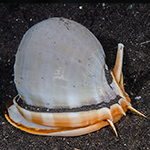
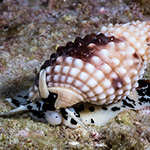
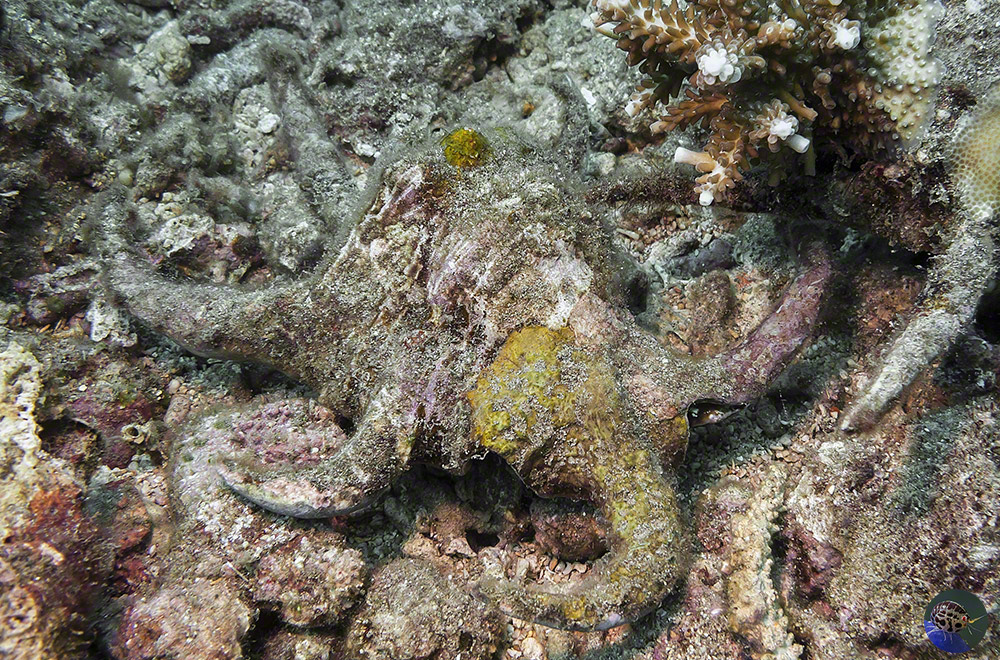
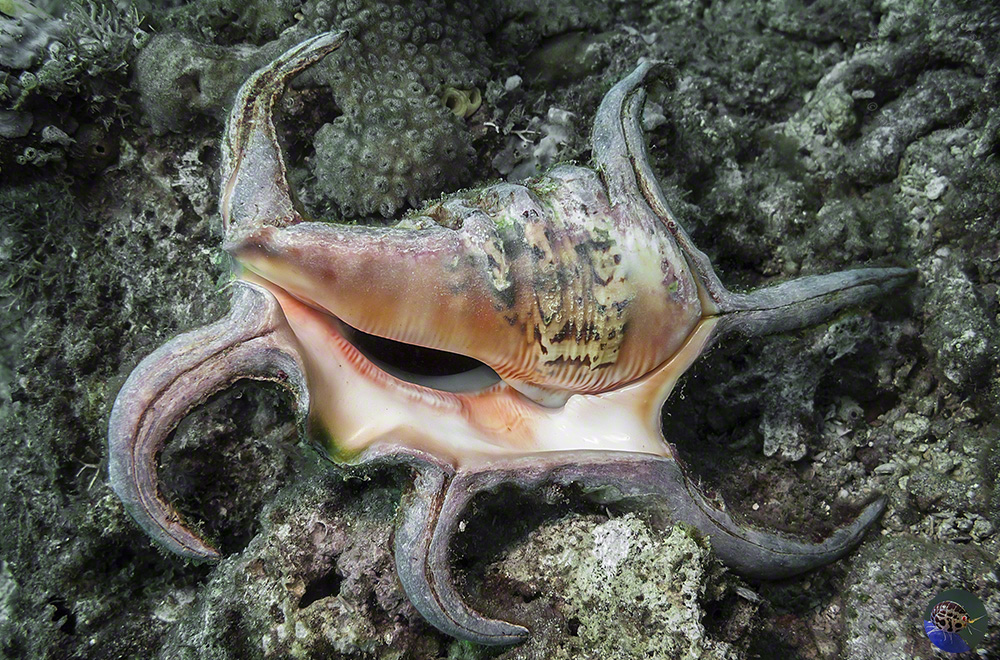
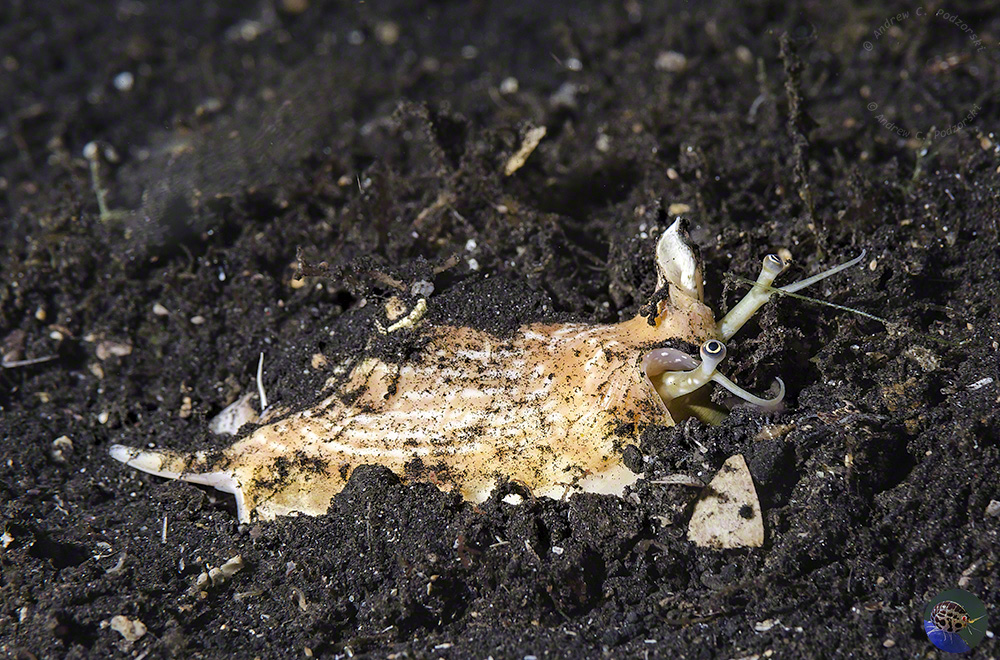
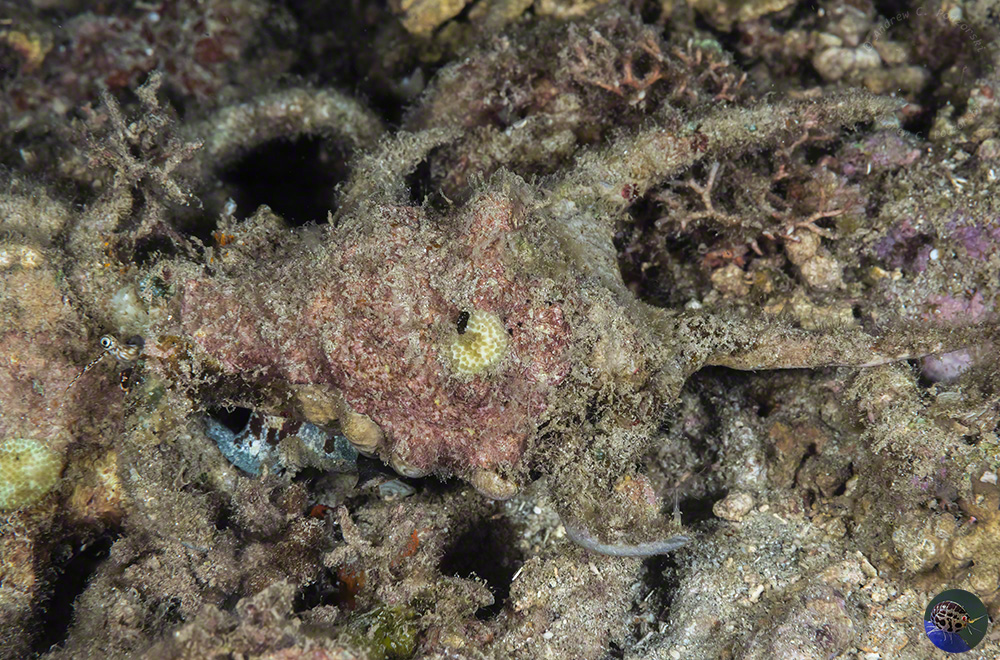
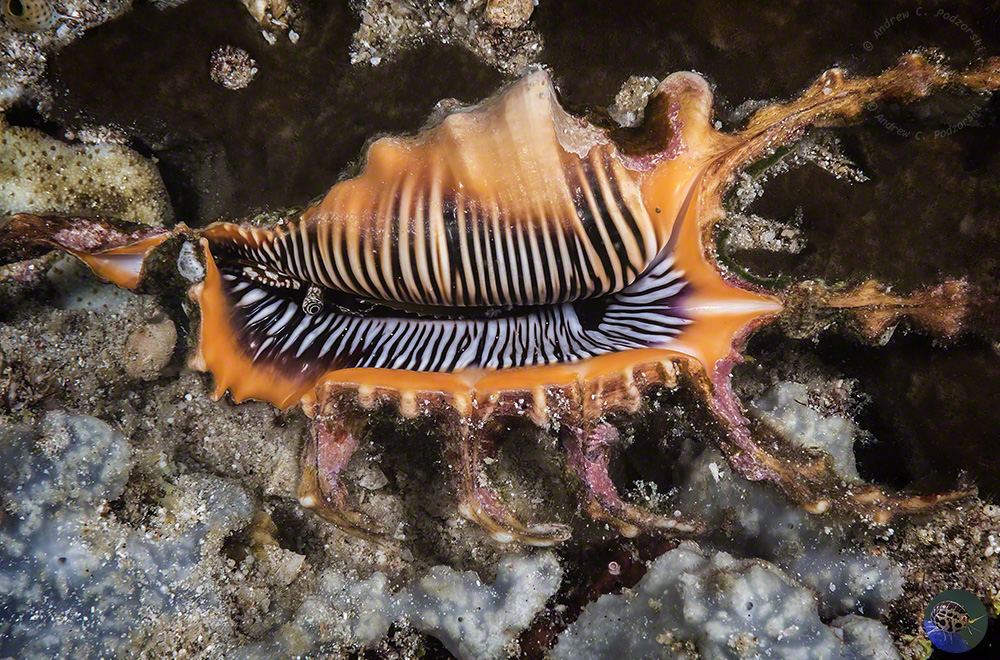
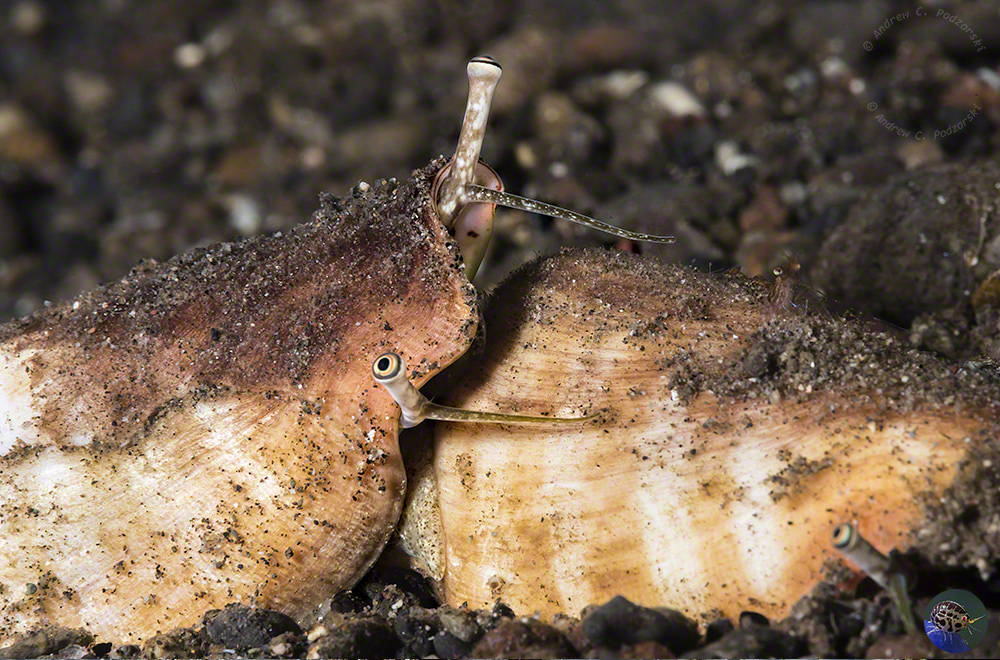
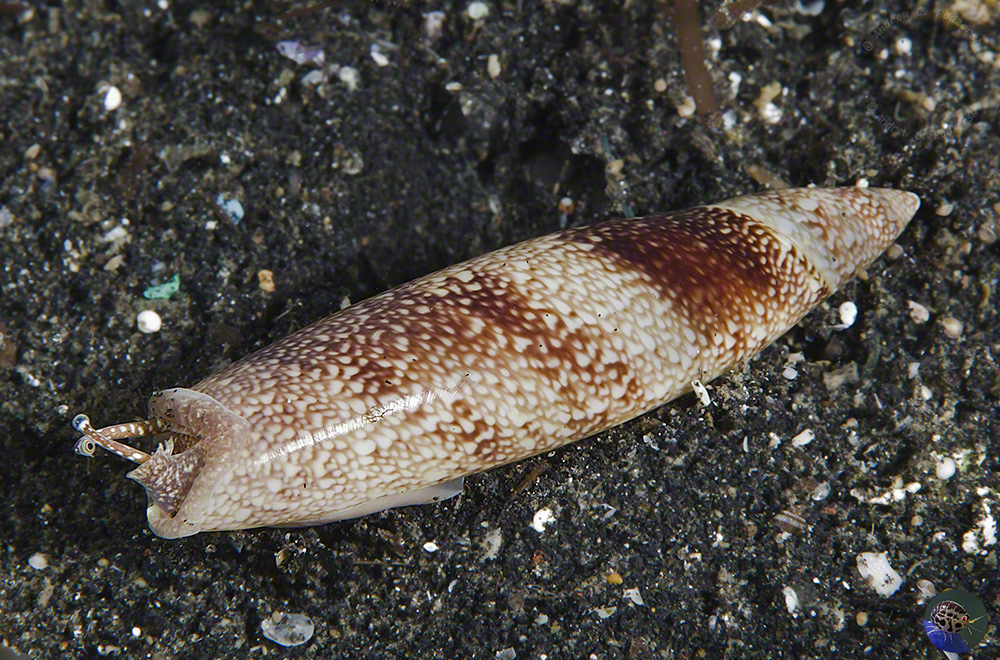
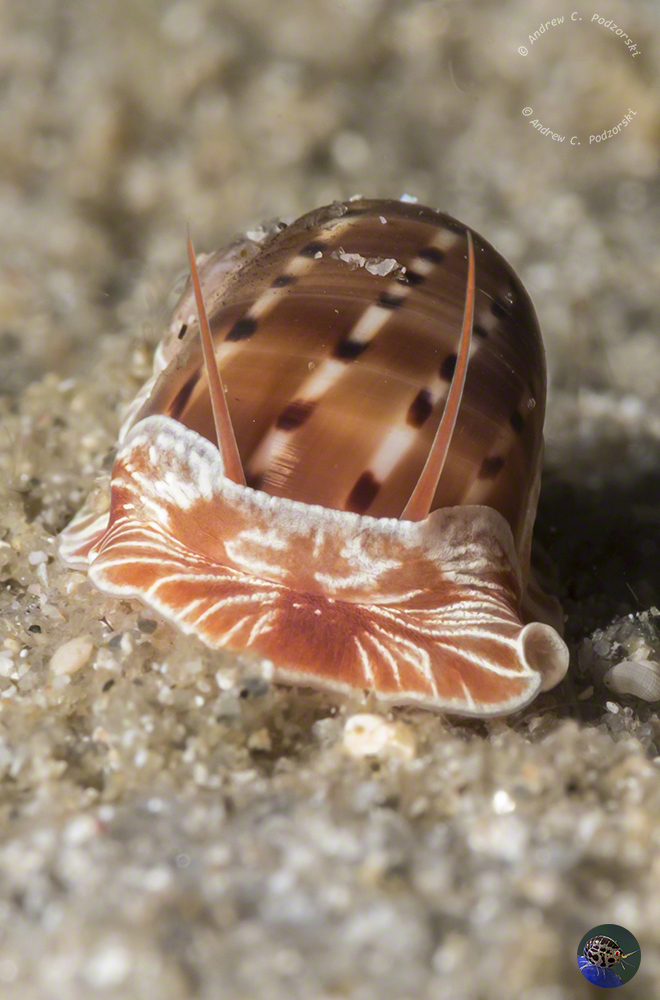
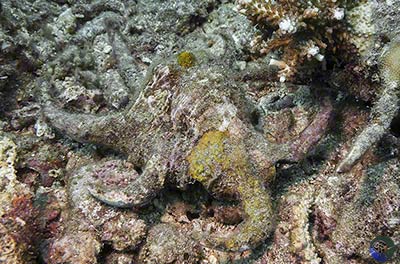
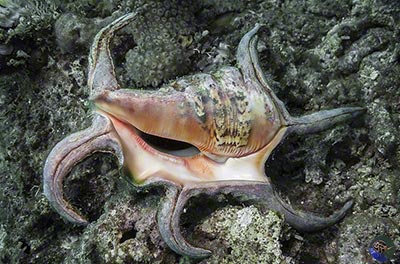
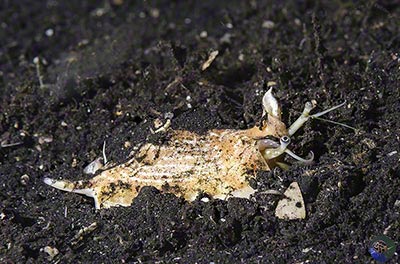
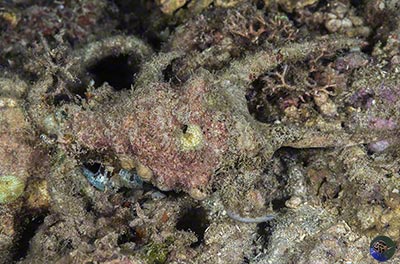
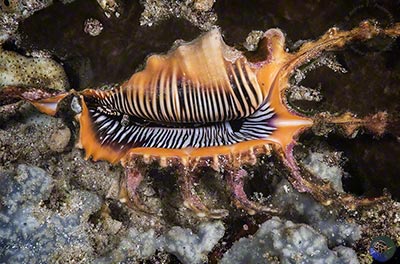
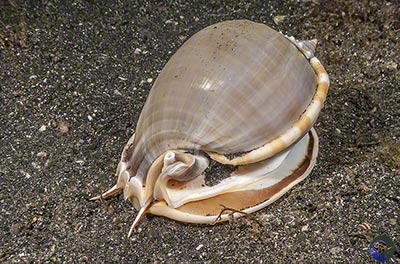
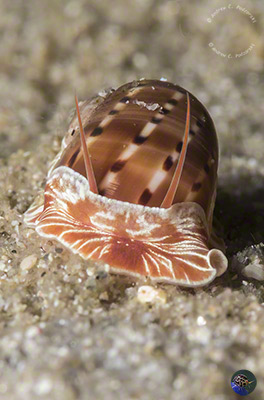
The huge Queen Conchs of the Caribbean are highly regarded as food, which has had a drastic impact in many areas. In SE Asia the species are smaller and very well camoflaged. They are also edible but there appears to be no commercial fishery.
Conchs graze on algae and detritus films on plants and stones. This makes them of prime importantance in shallow water ecosystems.
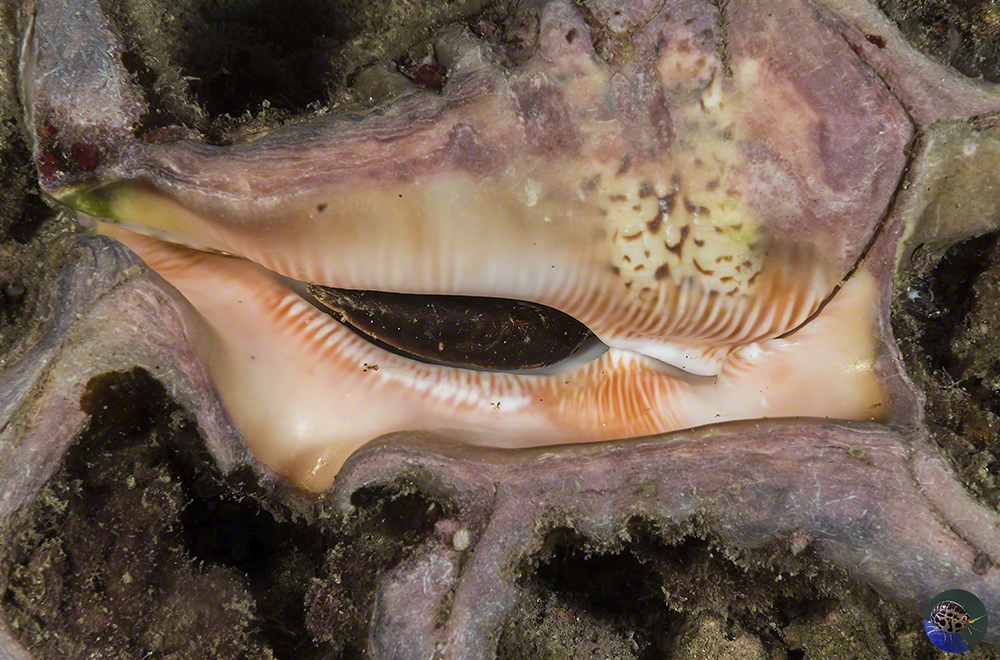
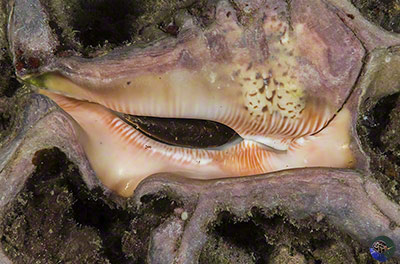
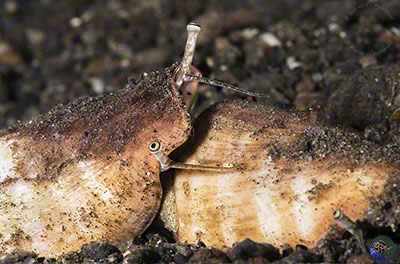
One characteristic feature is a notch in the outer lip that enables the conch to stick out its' right eye above its' upper surface without exposing the rest of the body. Males and females are separate. 100 000 to 500 000 eggs are laid in a gelatinous tube and generally held under the lip of the shell until hatching.
Helmets
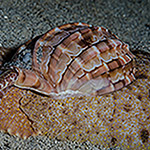
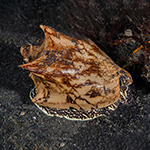
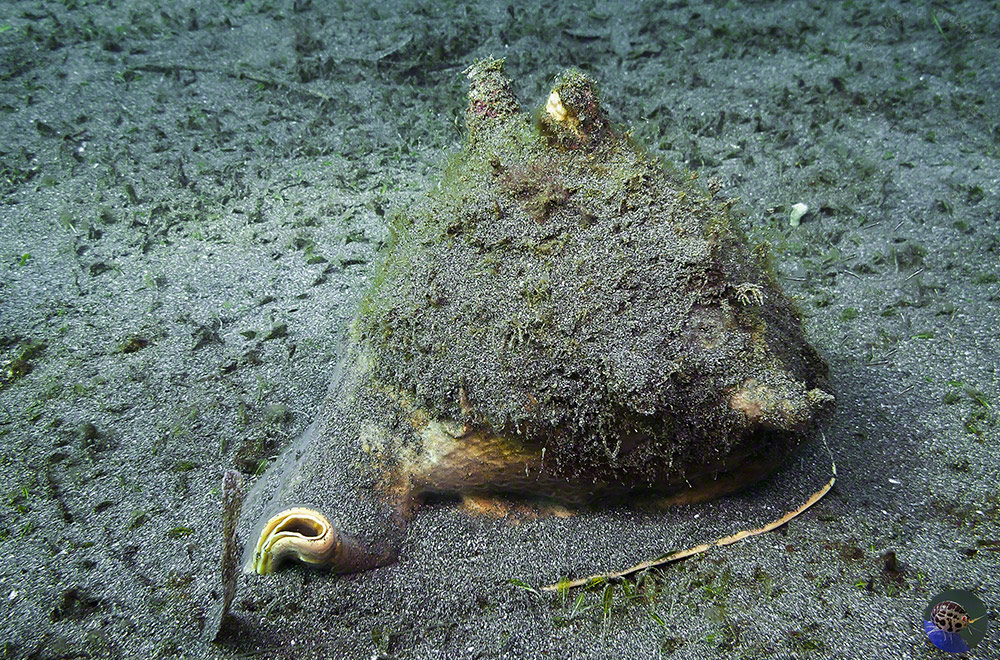
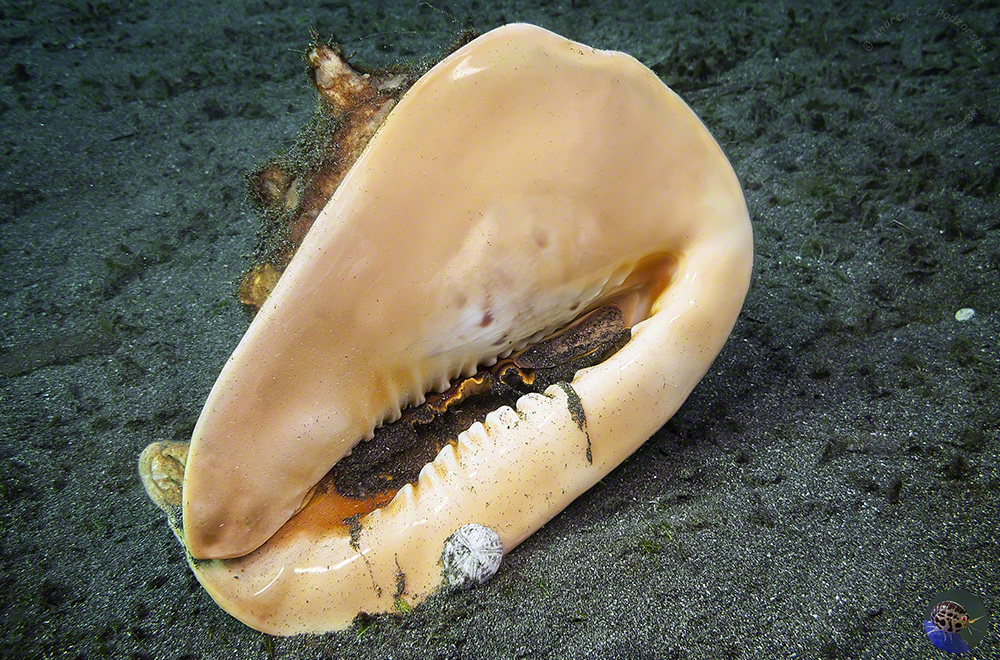
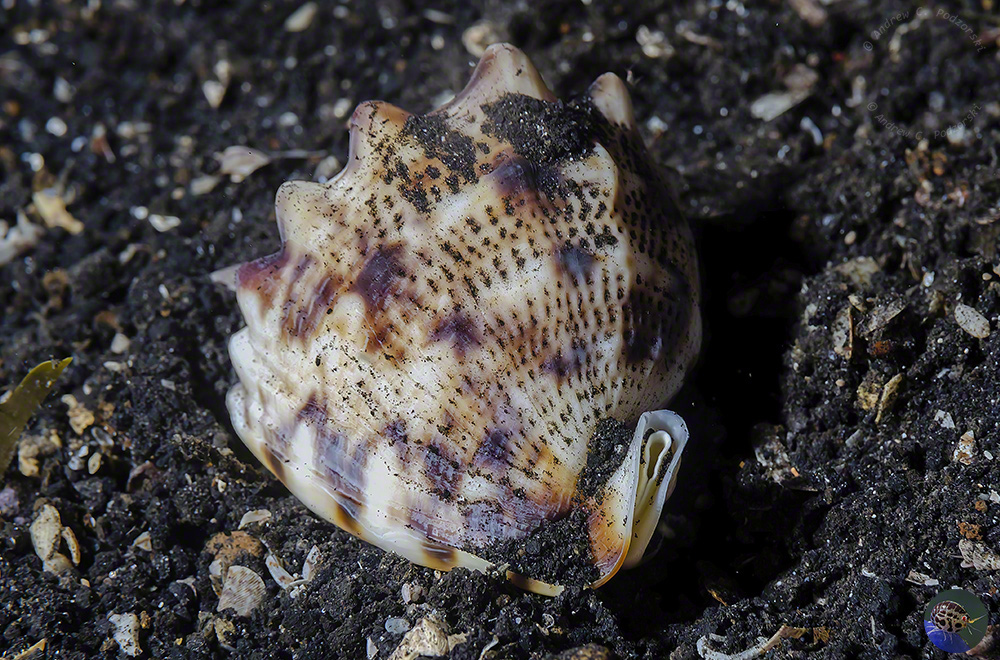
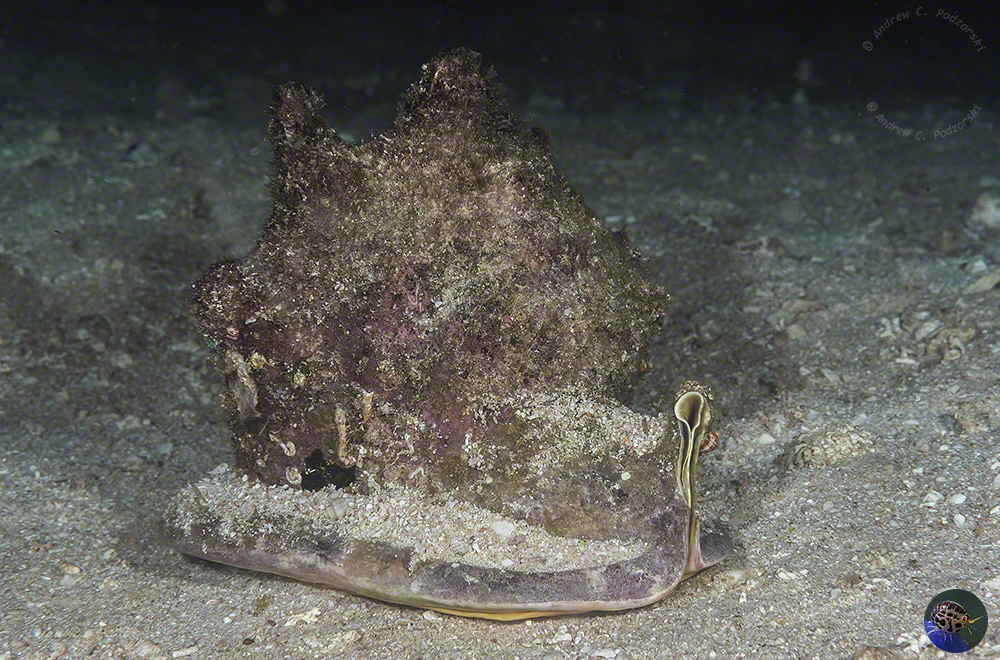
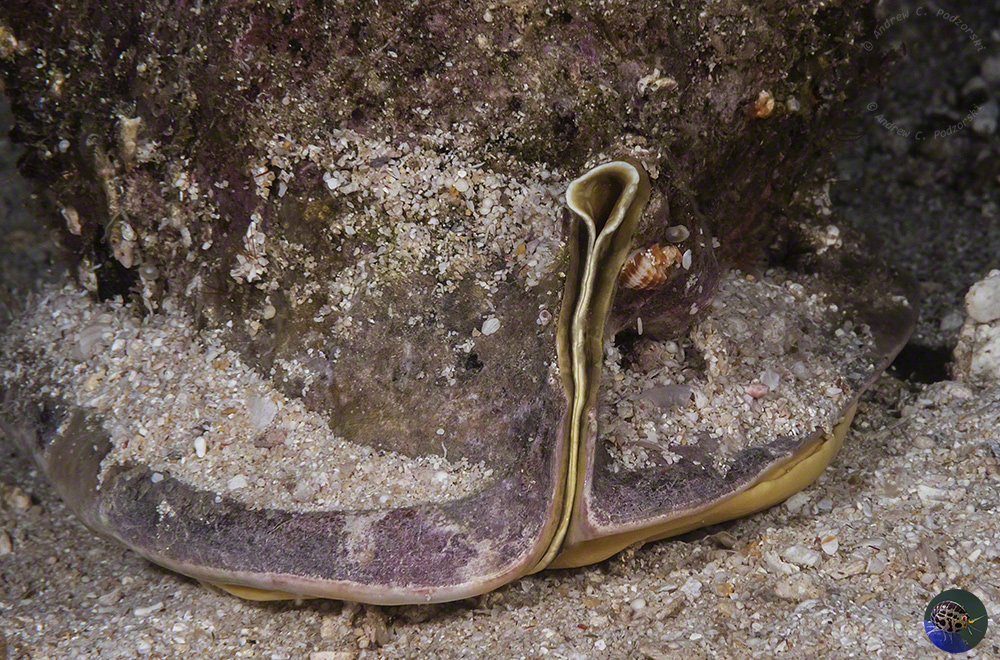
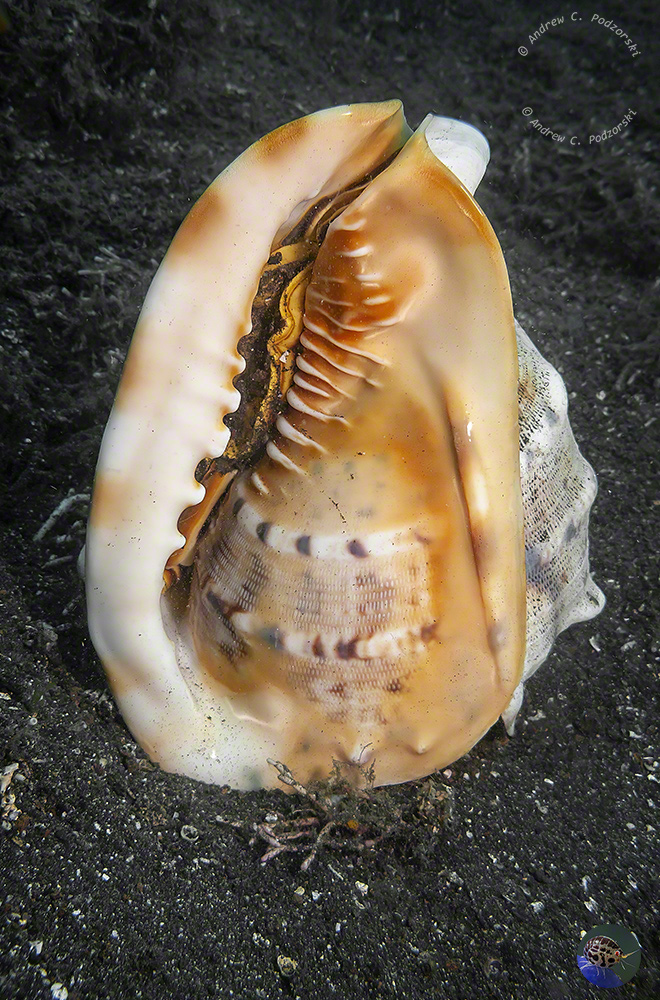
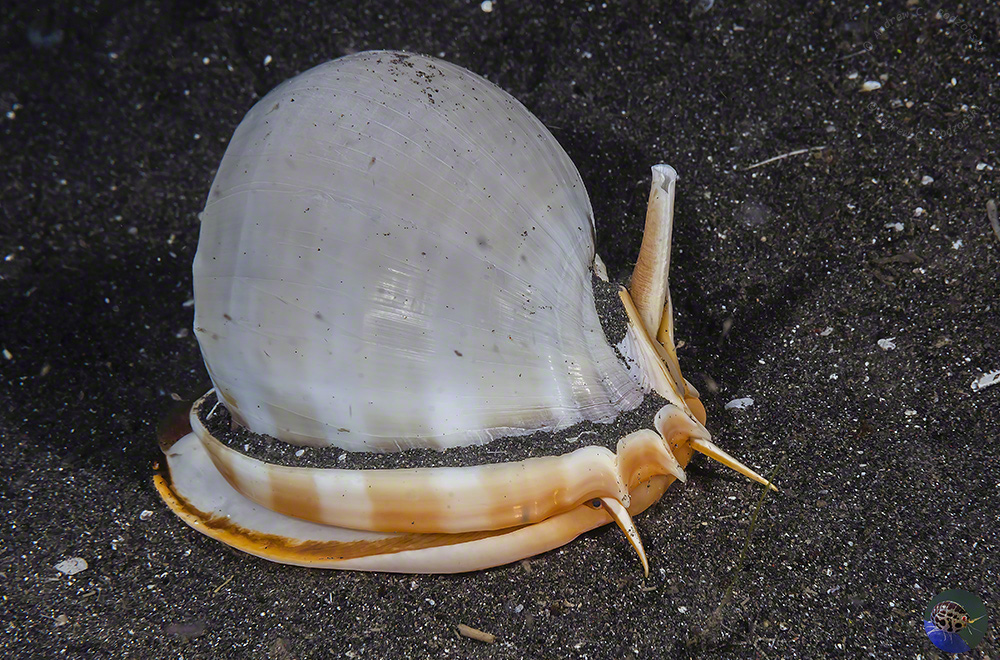
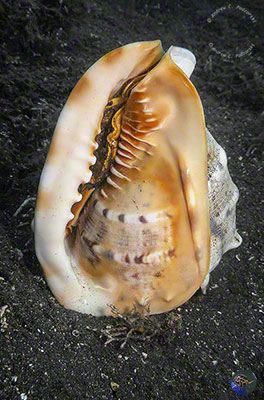
The heavy-shelled helmets and thinner shelled Cassids are active hunters of sea urchins, sand dollars, and sand dollars. I have personally seen a Phallium in hot persuit of a heart urchin (Lovinia), finally overwhelming and consuming it.
Parasitic Shells - Eulimids
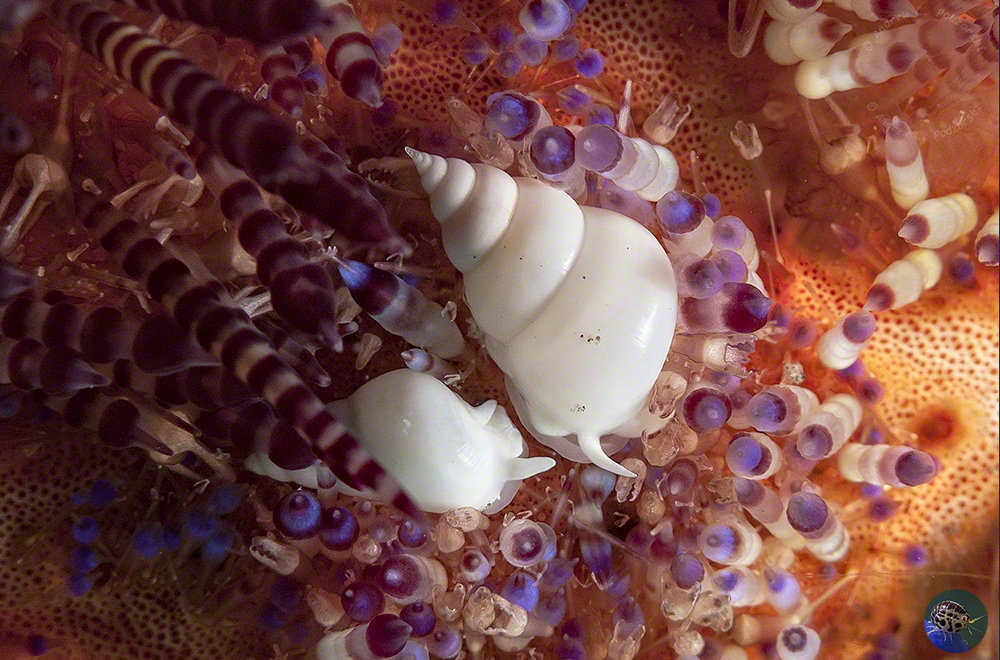
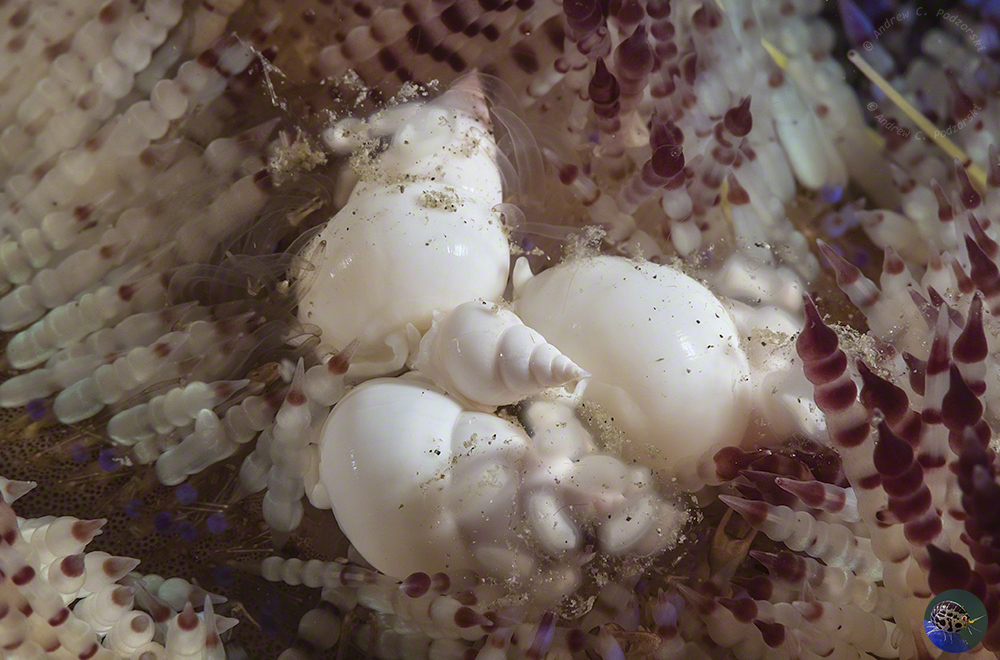
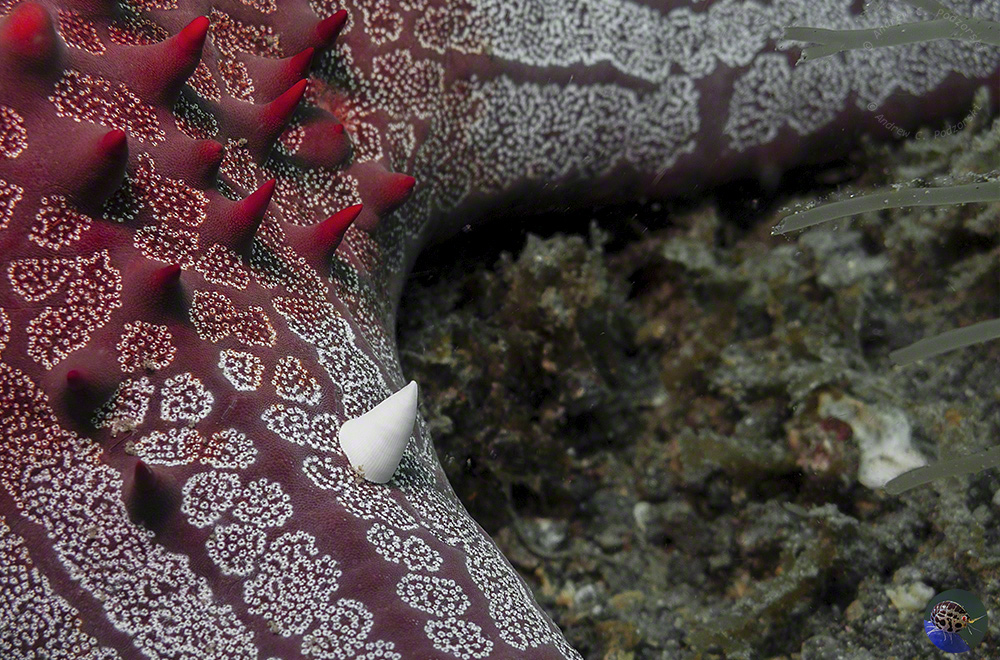
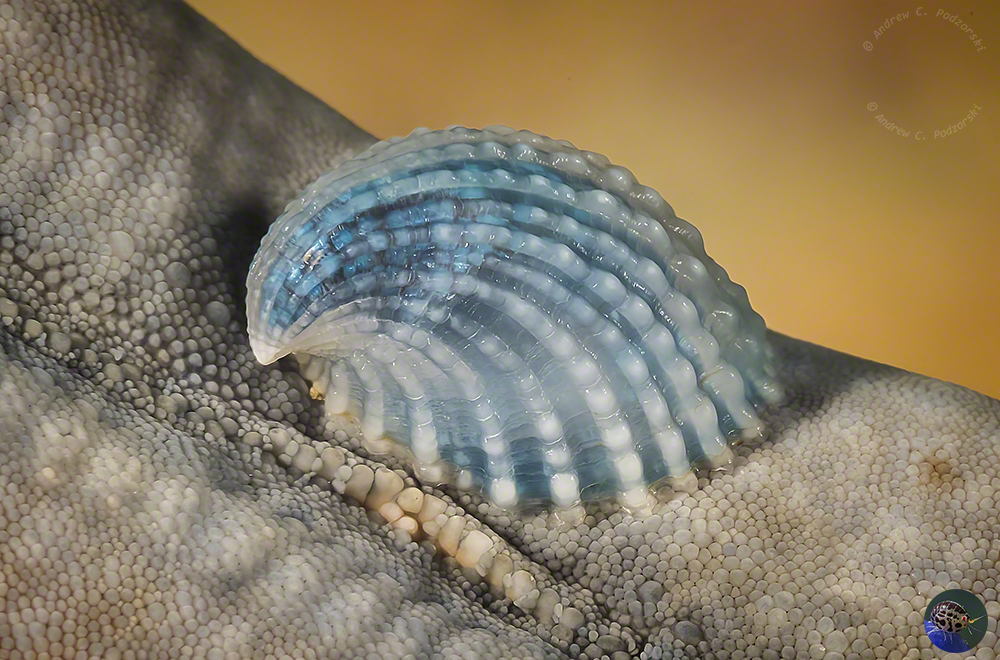
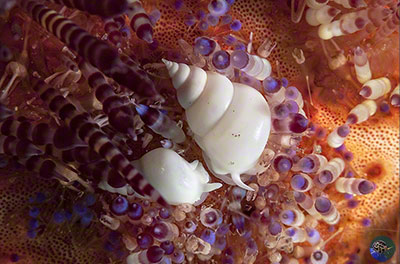
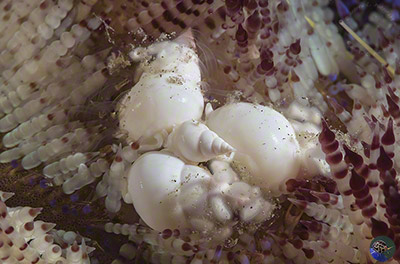
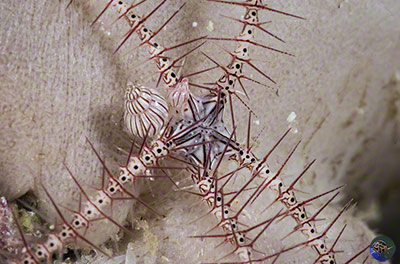
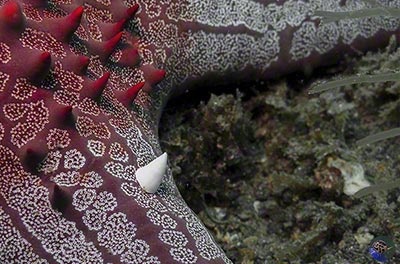
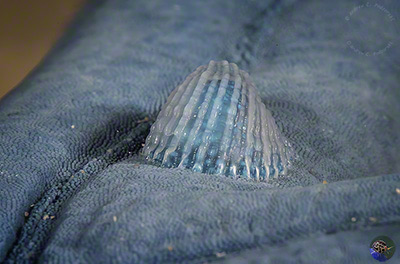
The majority of Eulimid snails are parasites on starfish and sea urchins. Thyca crystallina is most commonly seen in SE Asia. They feed on the body fluids of their host, and some become embedded in the host body as the starfish grows. Echineulima asthenosomae seems to feed on the spines of Fire Urchins, but appears to do no harm.
Moon Shells - Natica
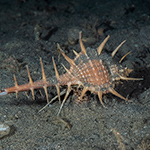
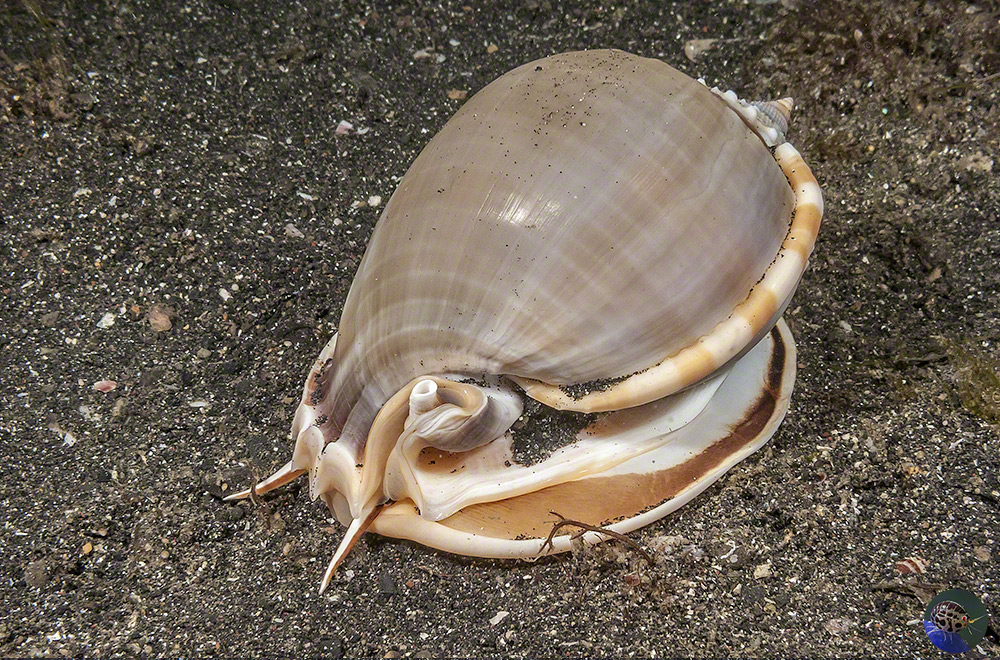
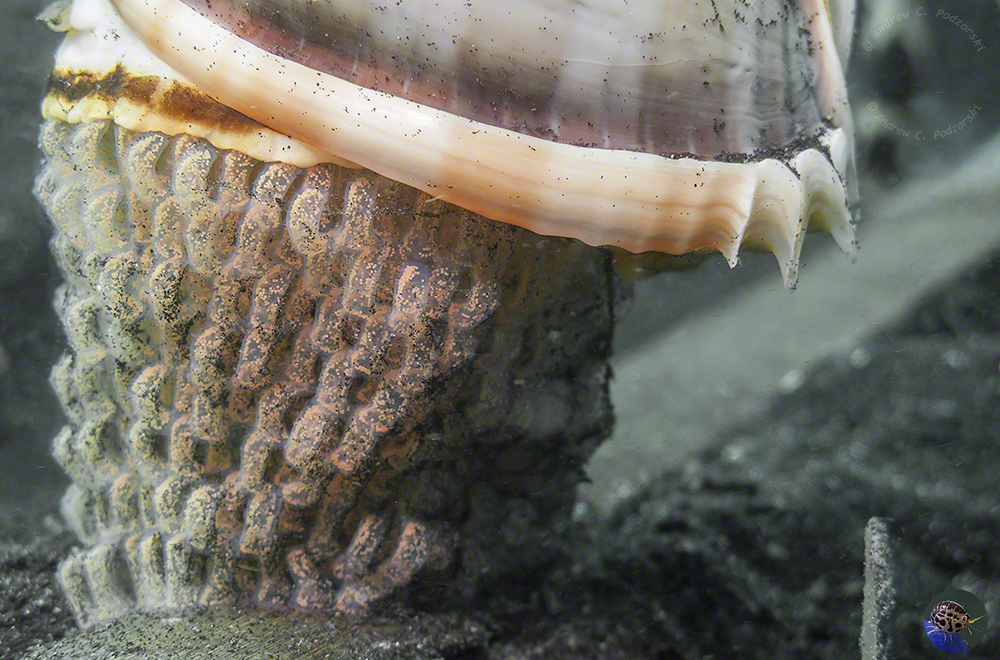
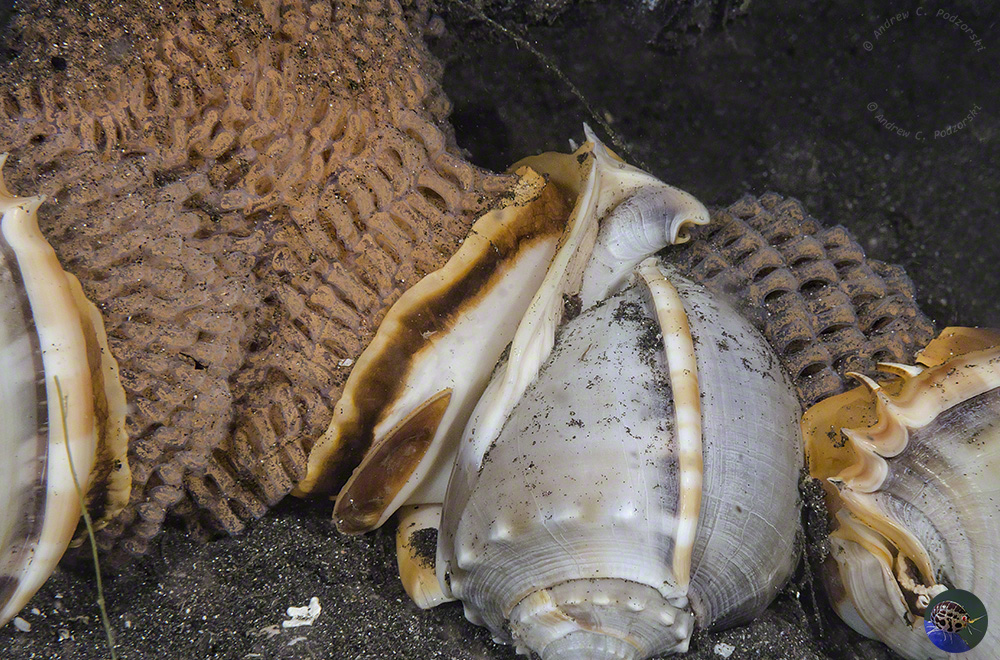
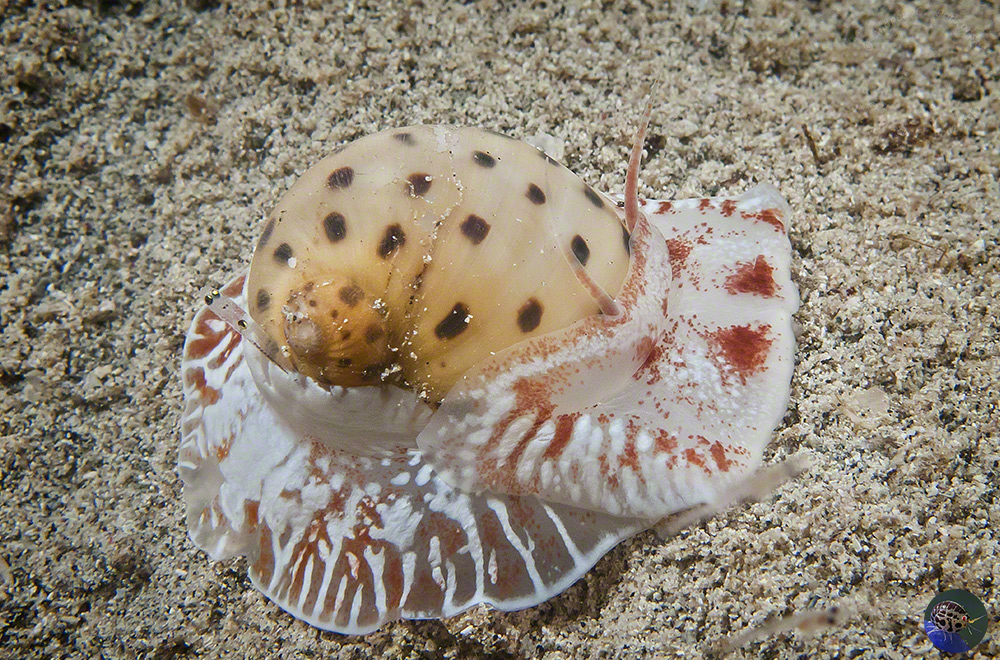
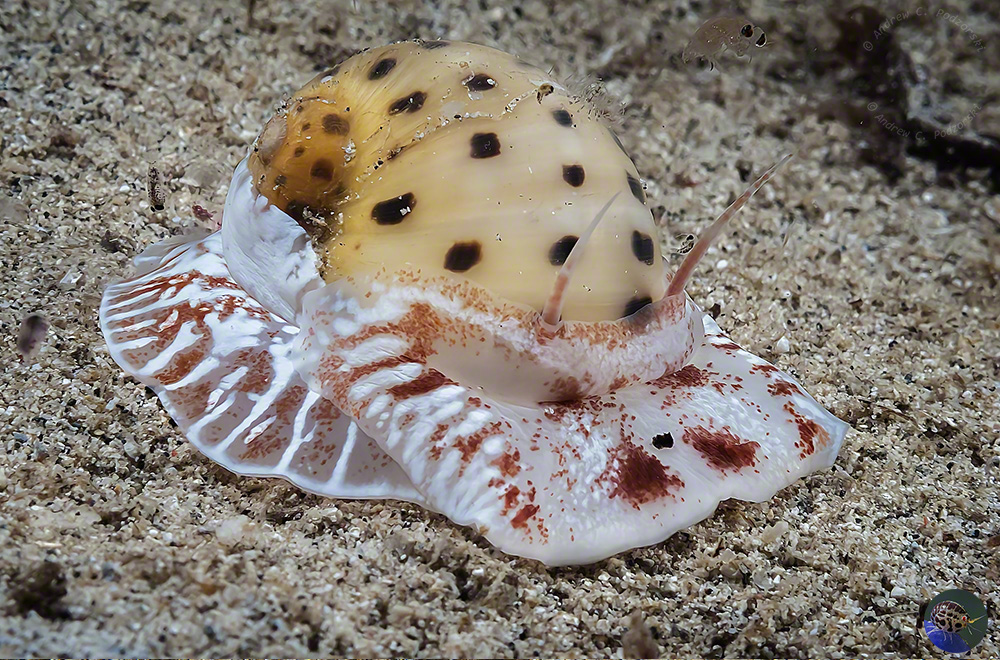
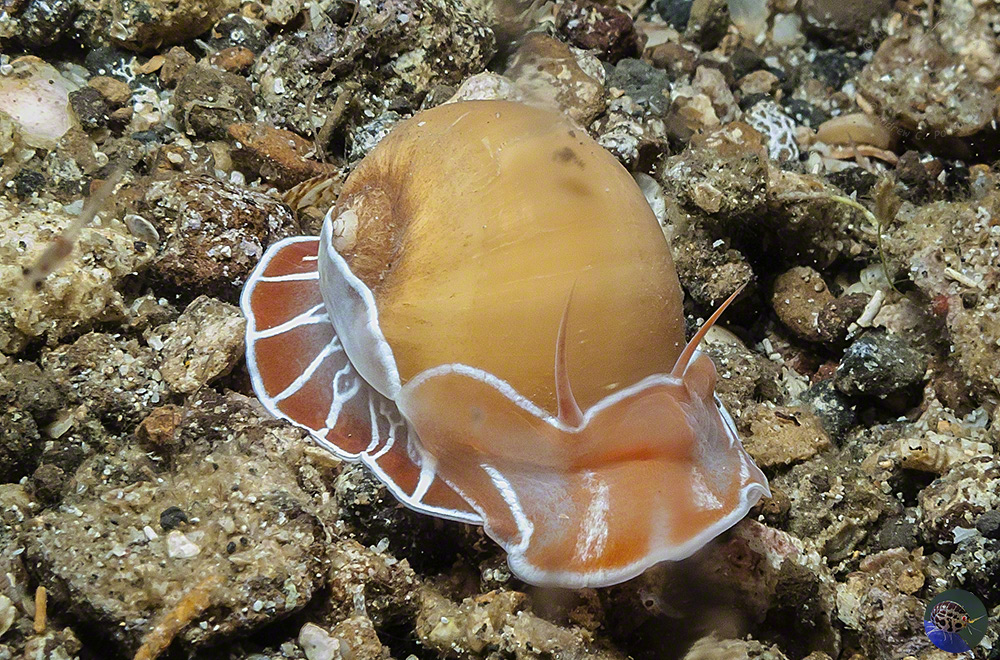
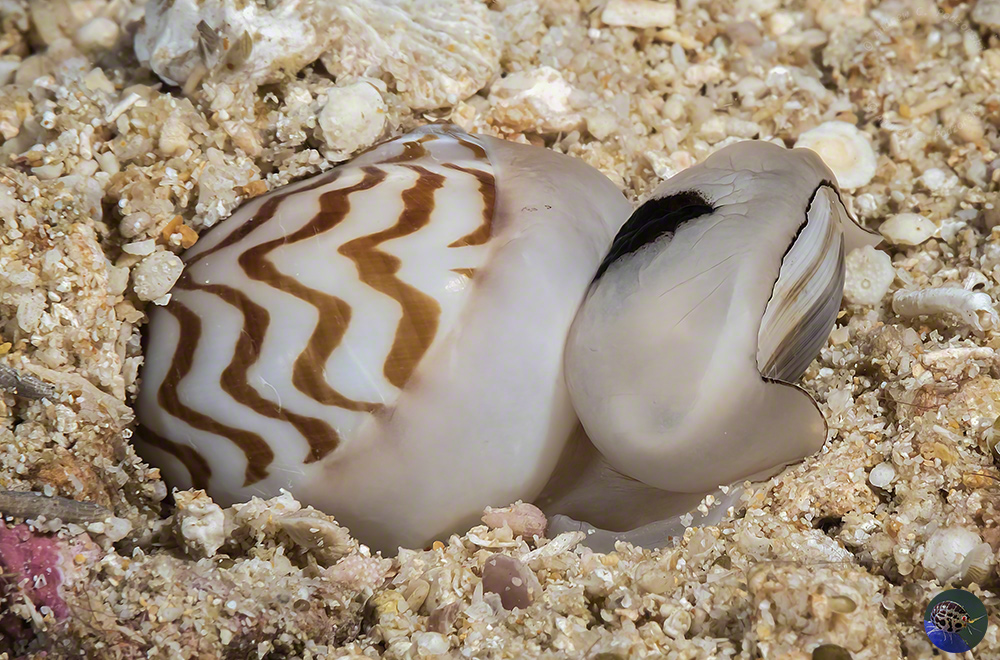
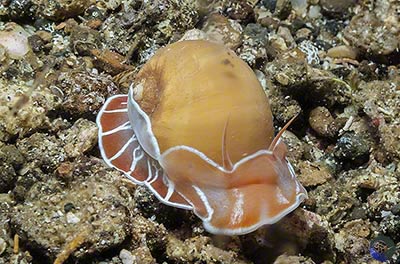
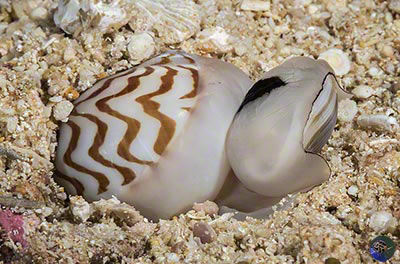
Moon shells are quite fast moving predators on molluscs, particularly bivalves. When they find a mollusc, they drill a hole through the shell with their radula, softening the shell with acid as they go. Their probosis is then inserted through the hole and their prey eaten from the inside!
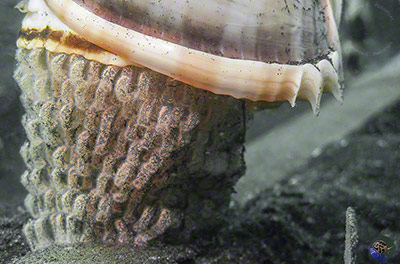
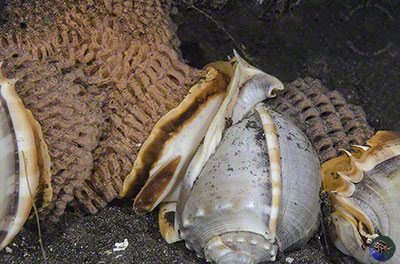
The round sand-impregnated "collars" that are often seen on sand and reefs are the egg cases of moon shells. Some species produce sausage-like egg masses.
Tritons
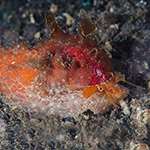
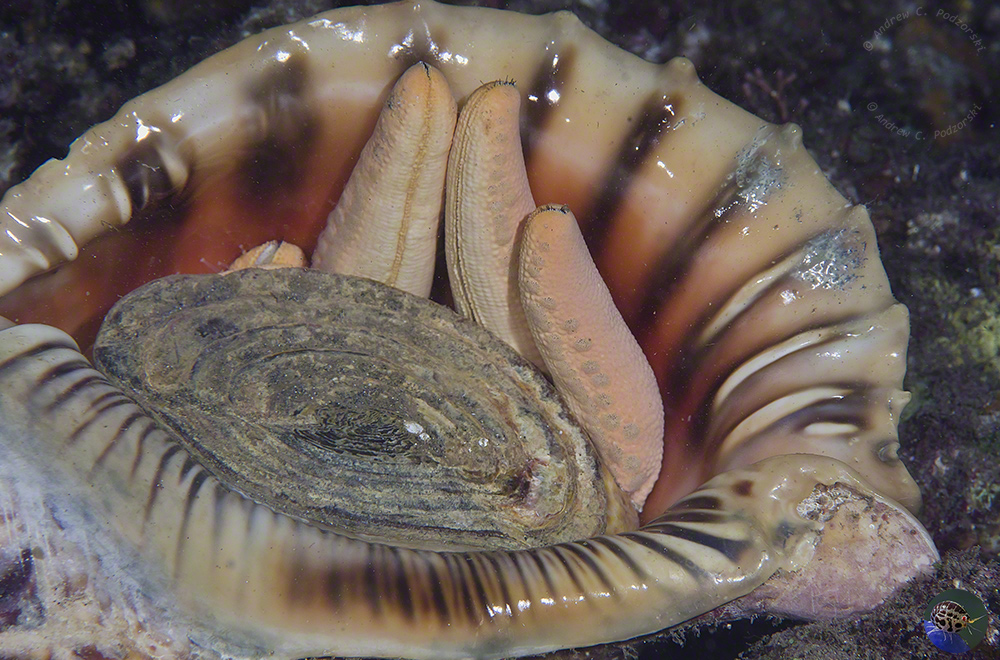
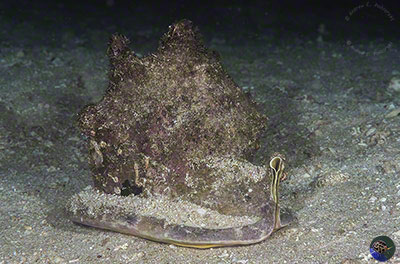
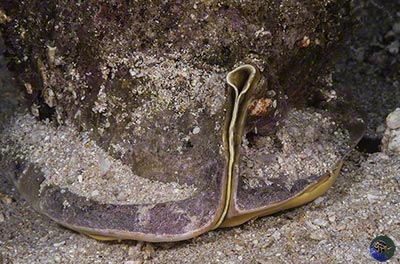
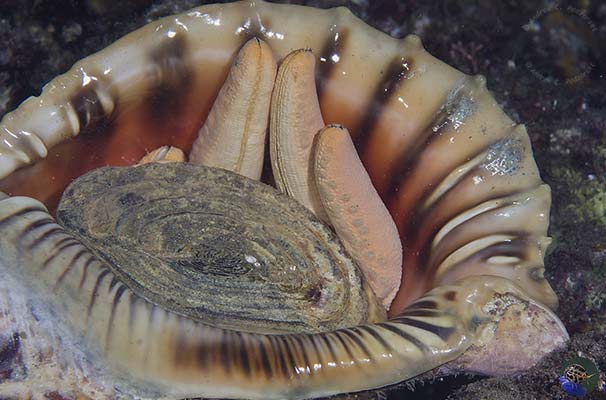
The Triton Trumpet is a large predatory shell (the second largest in the world) best known as the main predator of the Crown of Thorns (COT) starfish, though it does eat e.g. Linkia as well. Over-collecting by shell hunters in some areas greatly reduce numbers and the COT populations rise.
Tun Shells
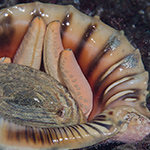
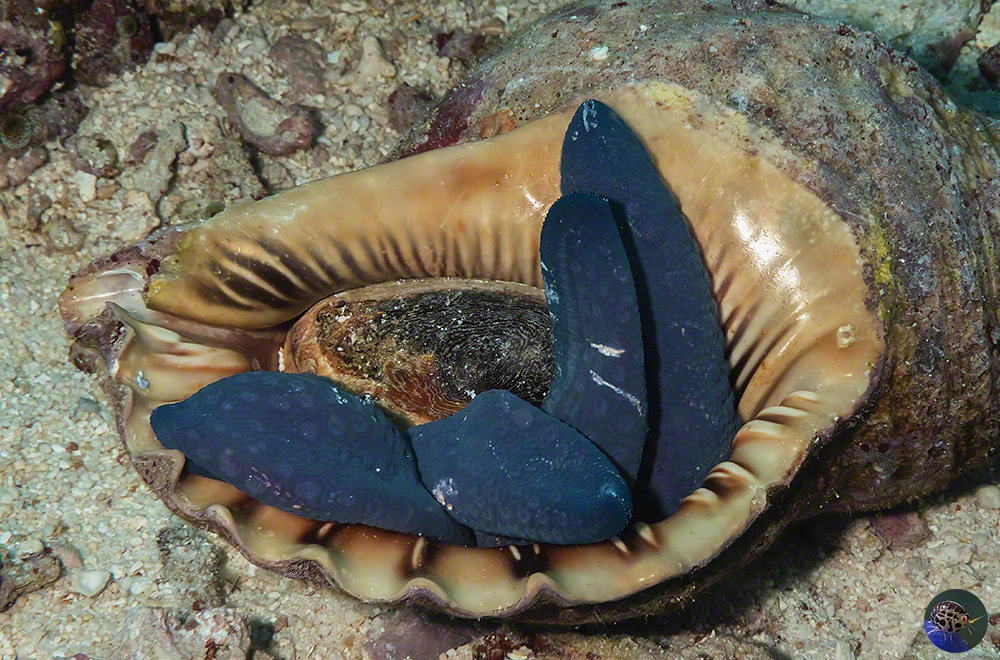
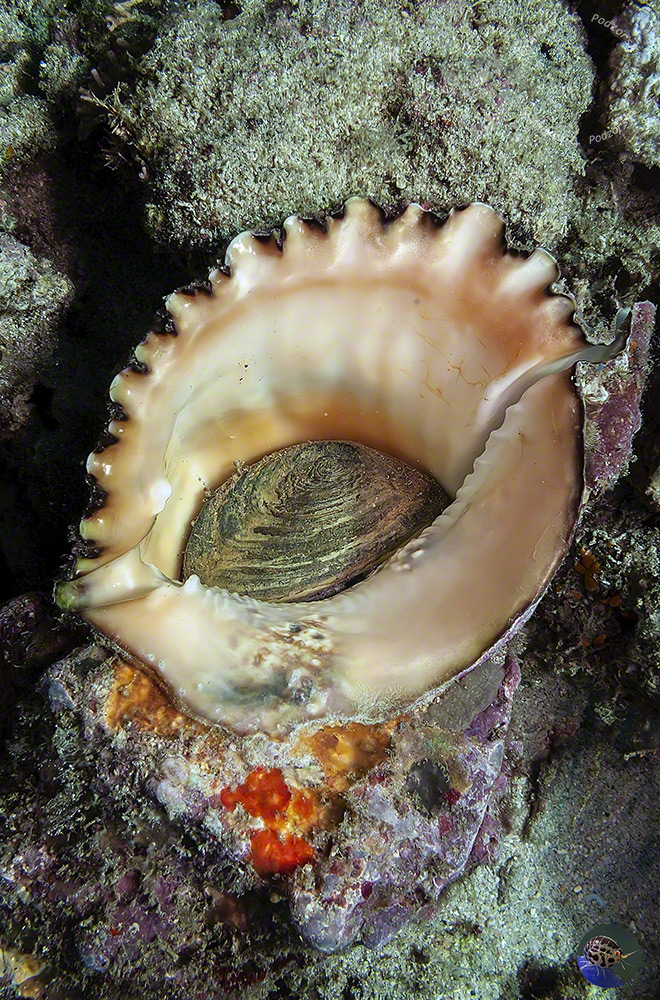
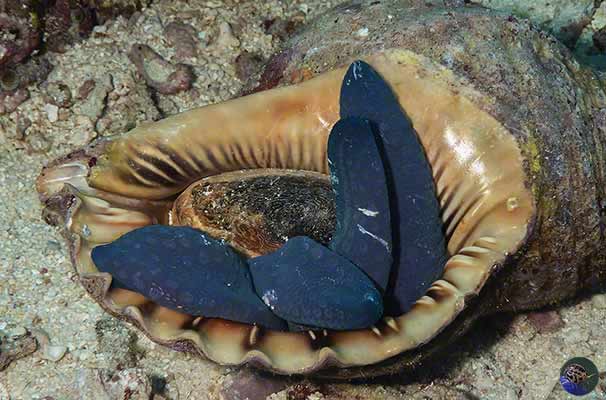
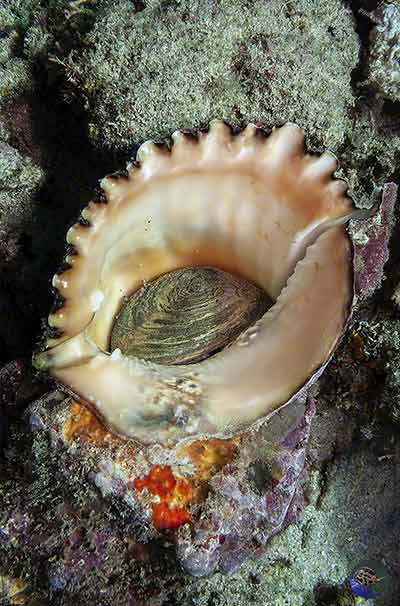
Tun shells are large and thin with a very large body. They are active at night is sandy/silty areas, actively hunting sea cucumbers, which they seem to swallow whole.
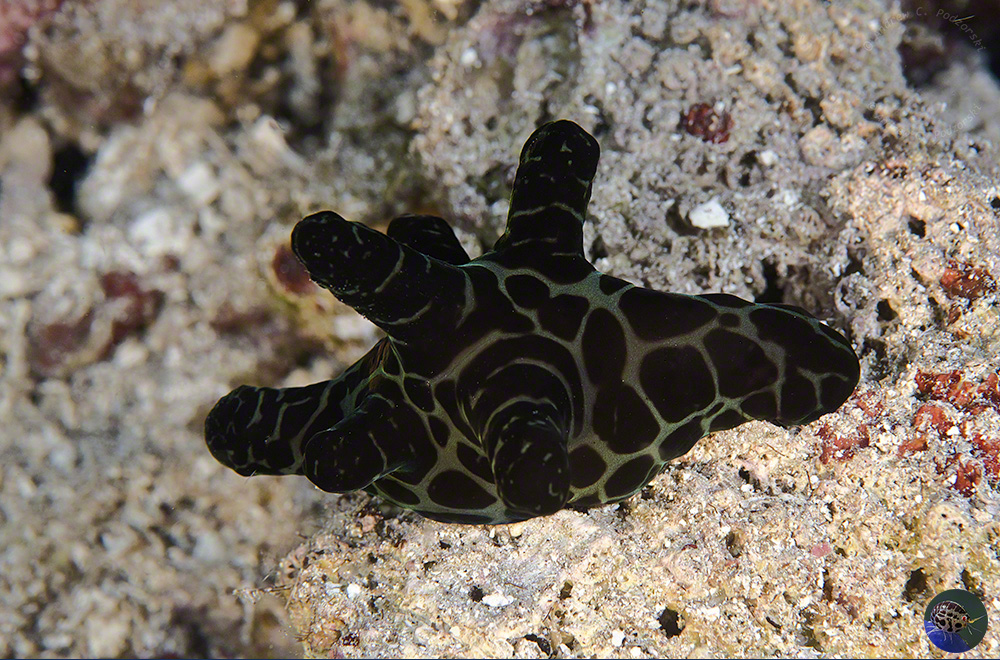
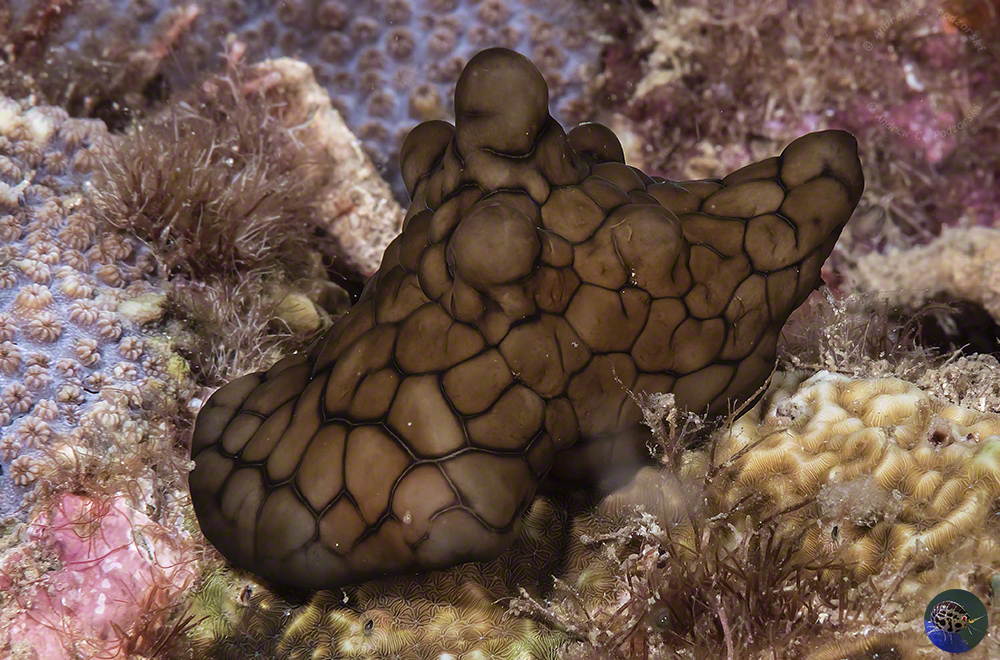
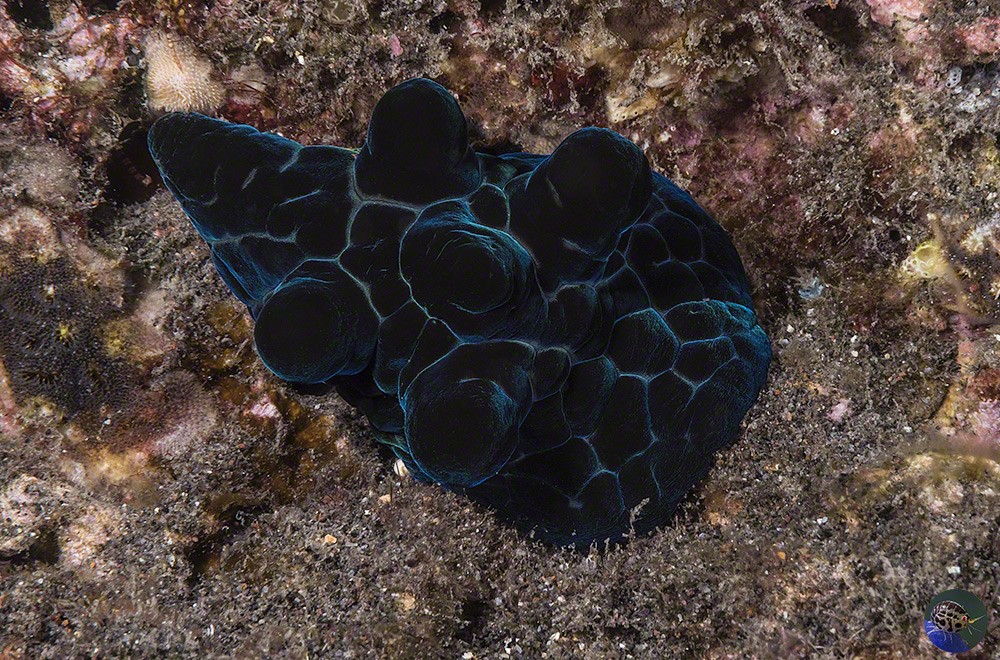
Velutinids
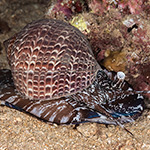
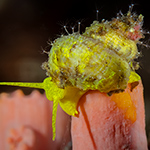
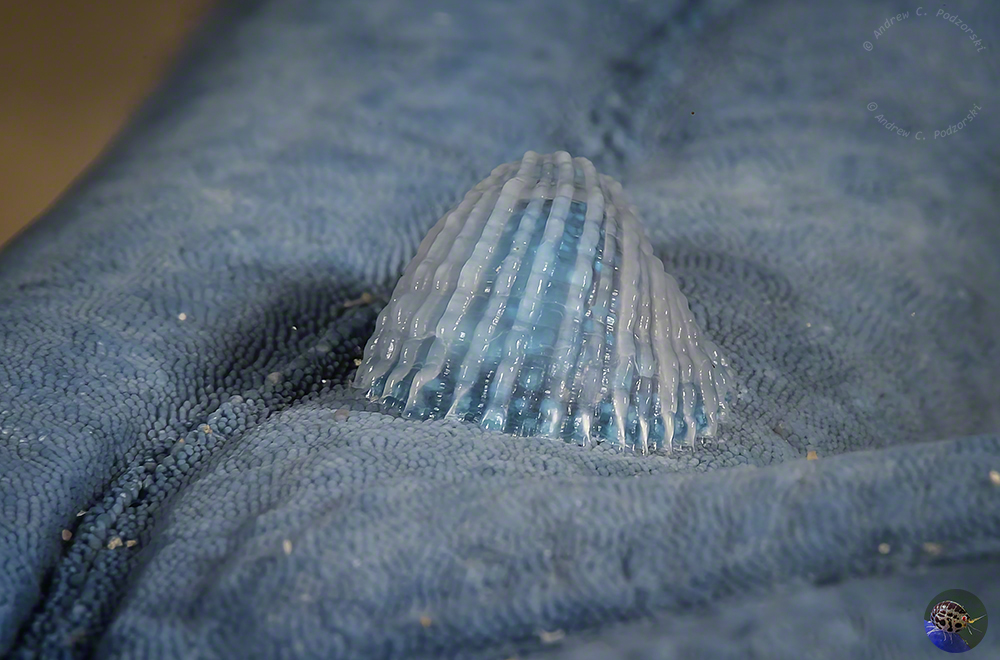
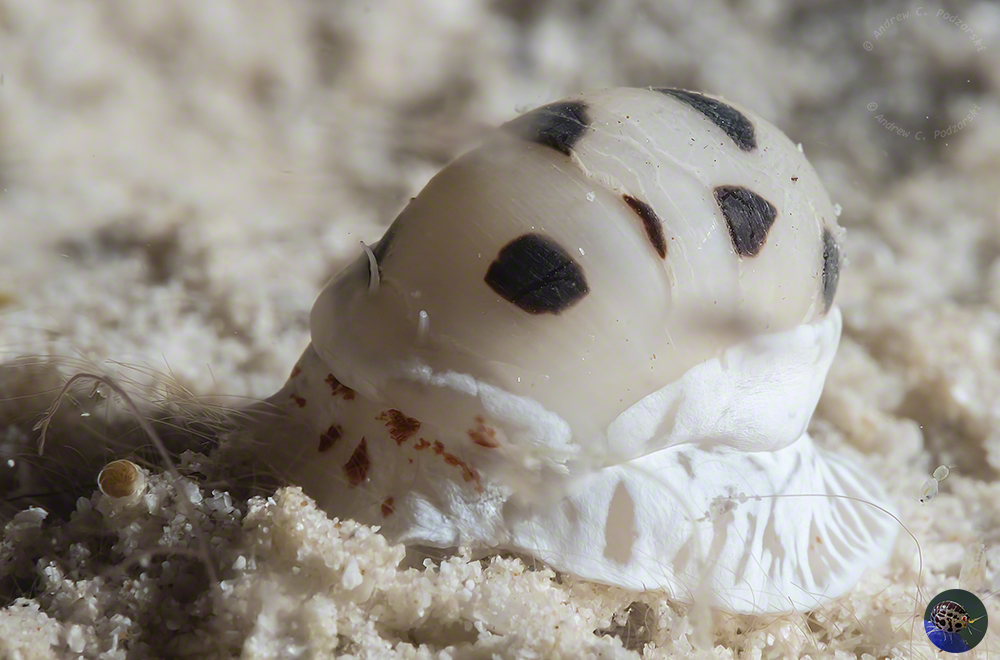
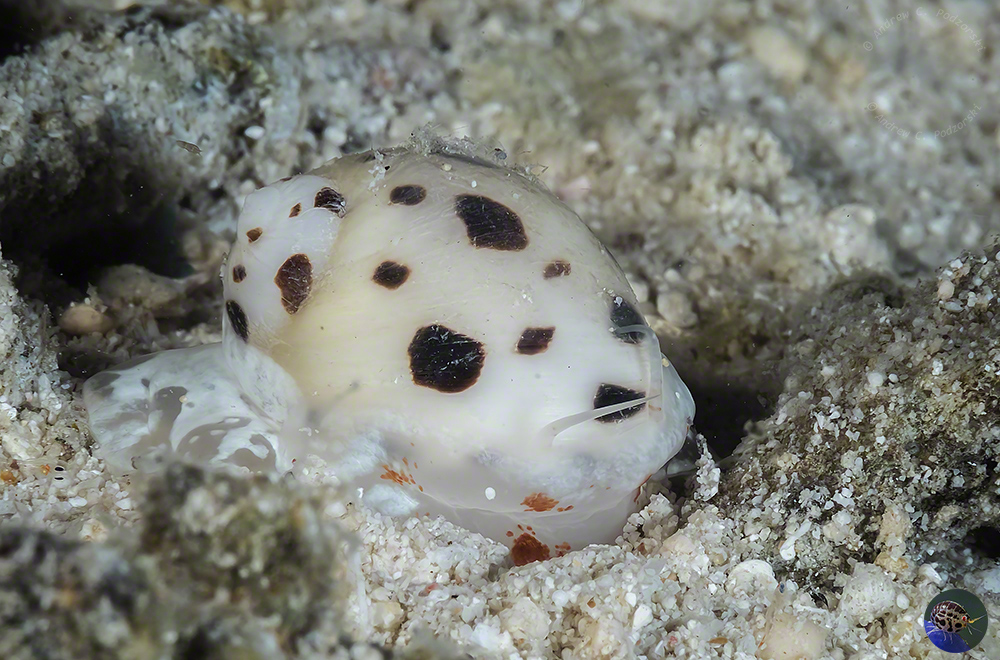
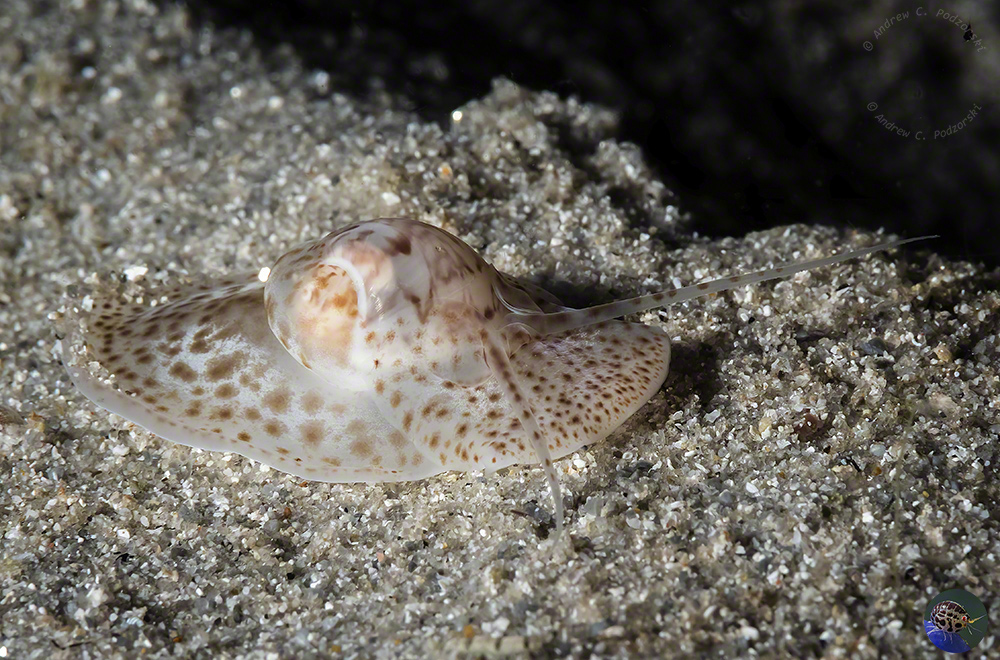
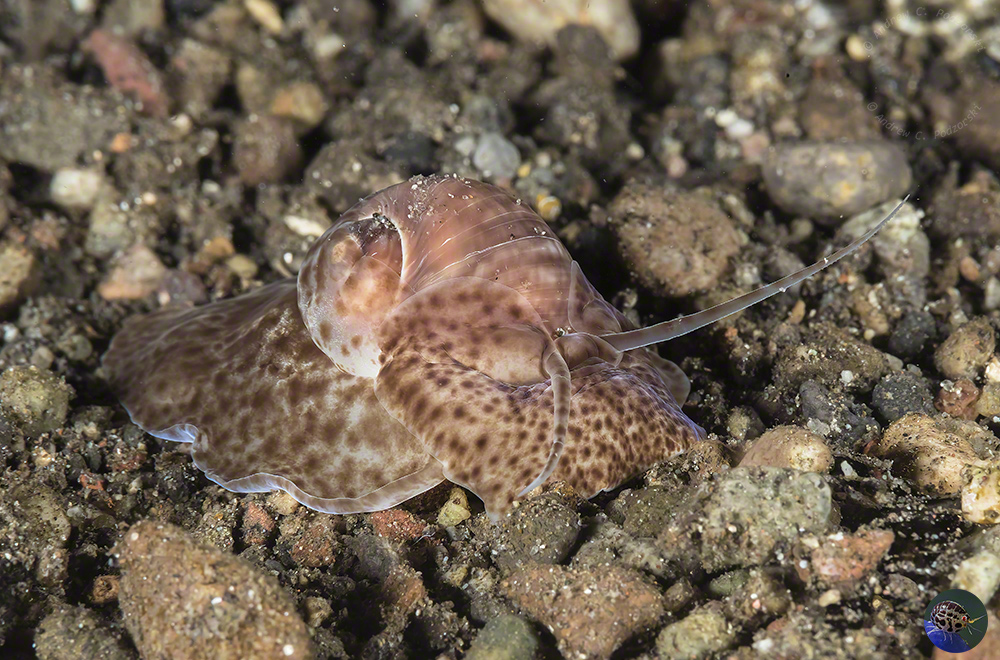
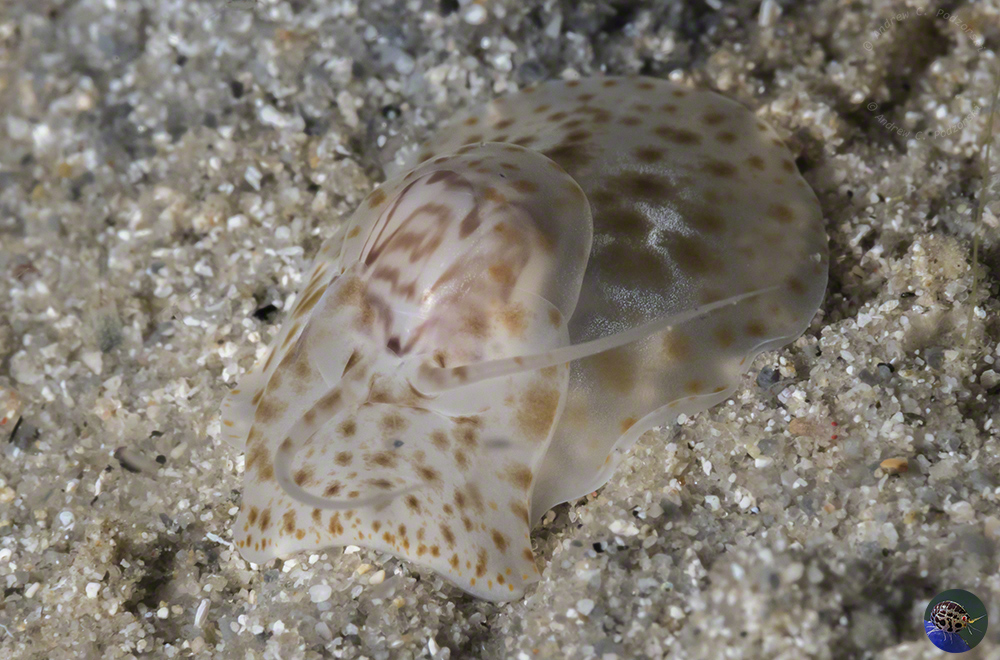
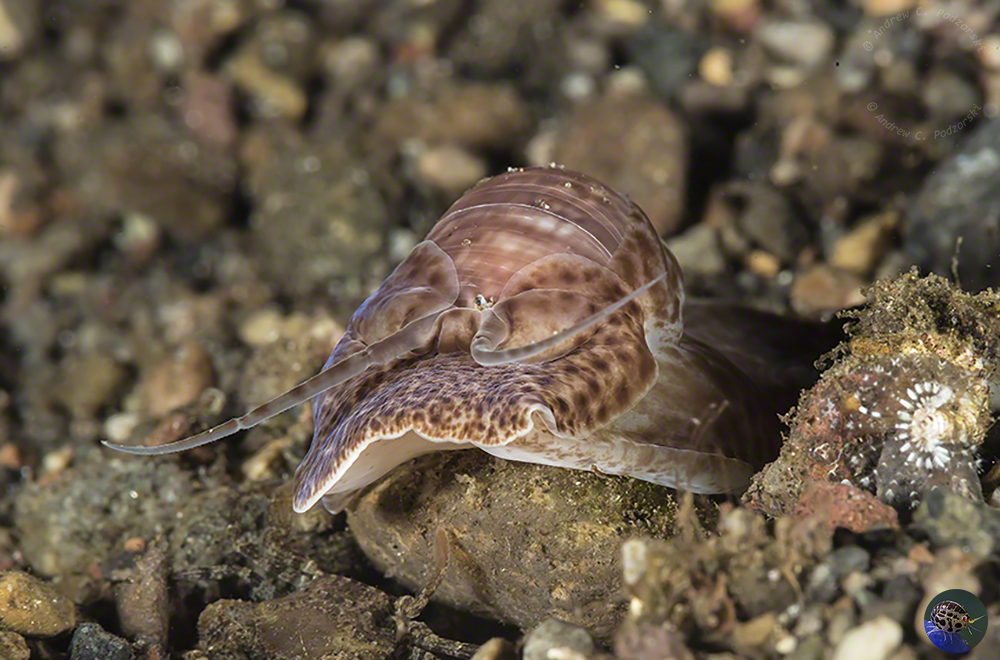
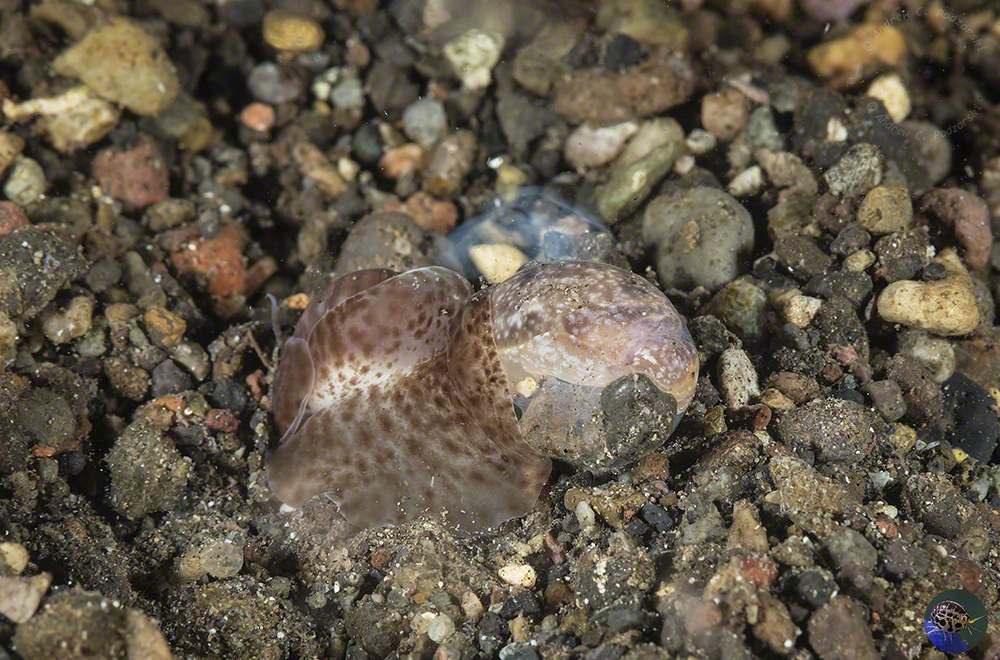
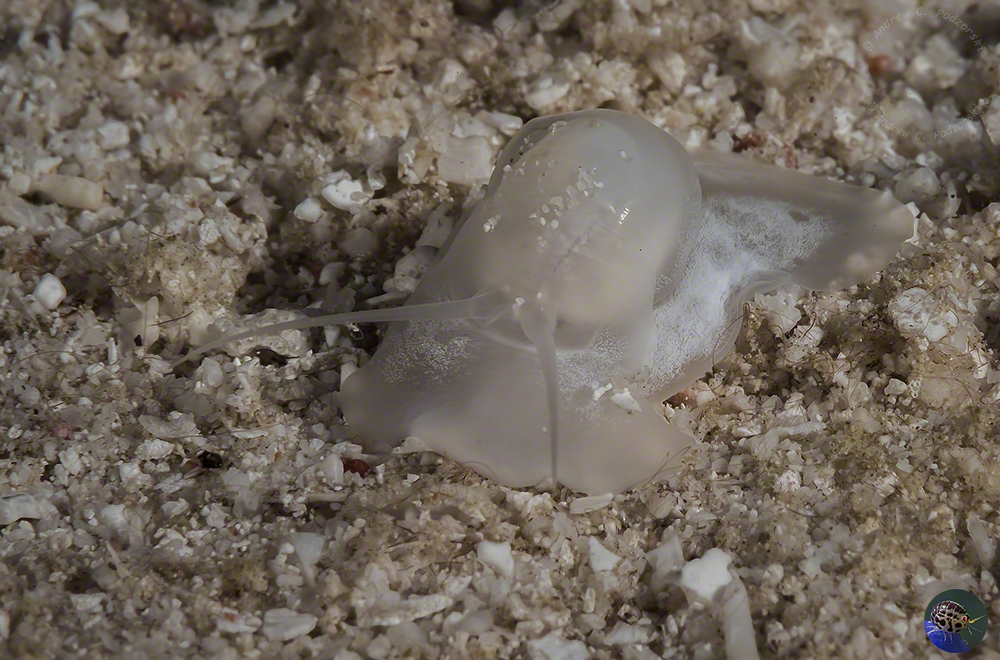
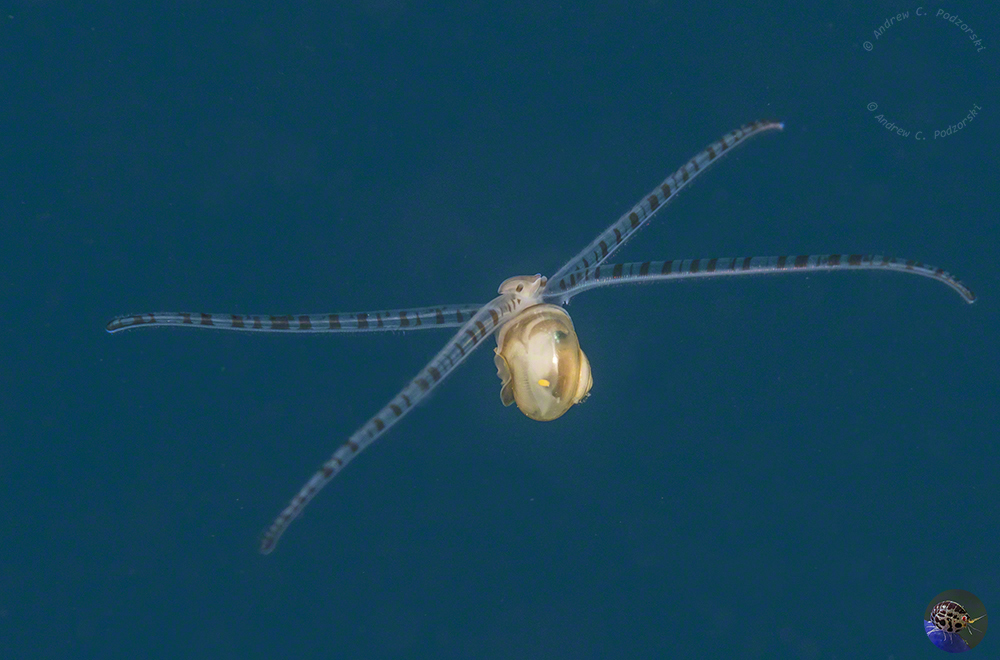
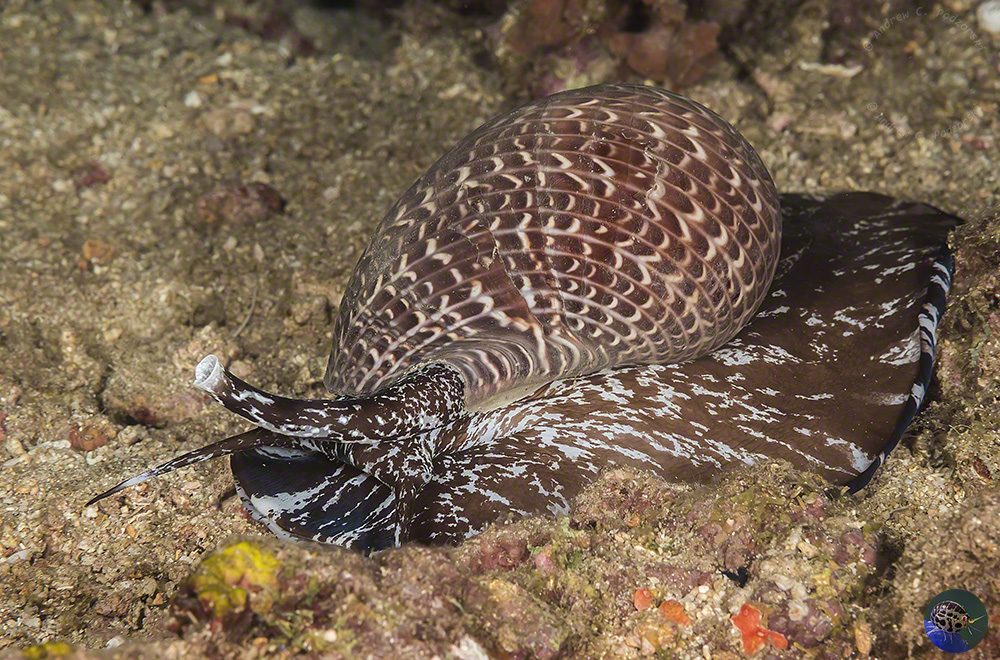
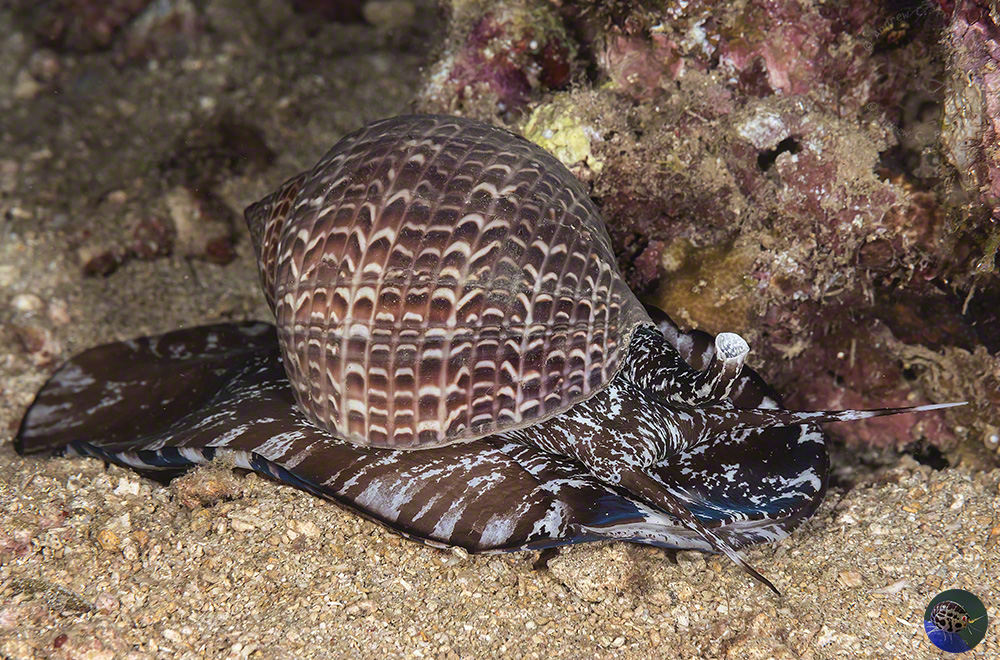
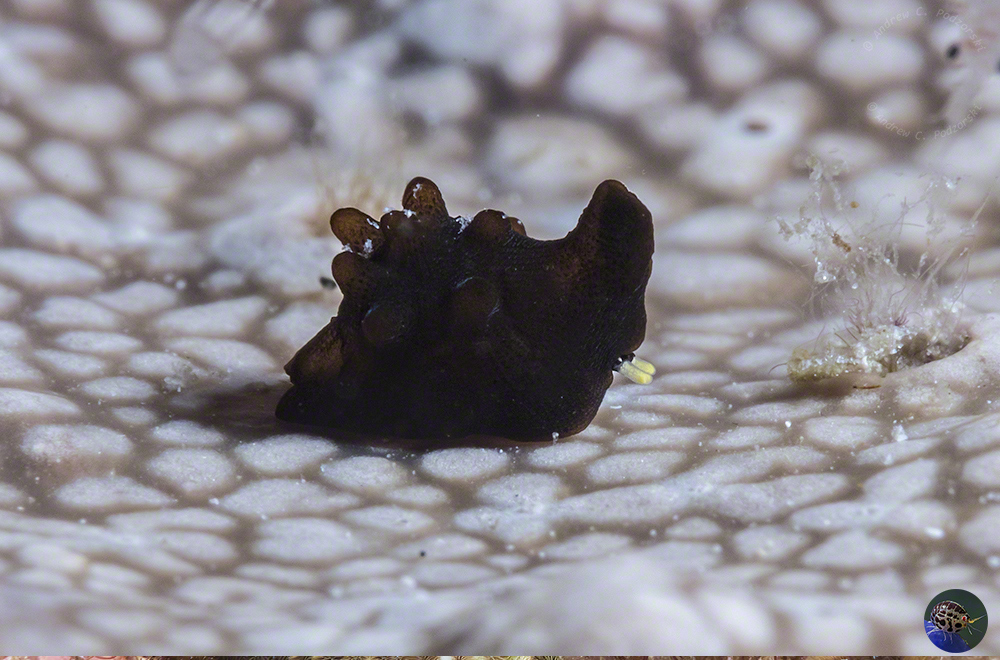
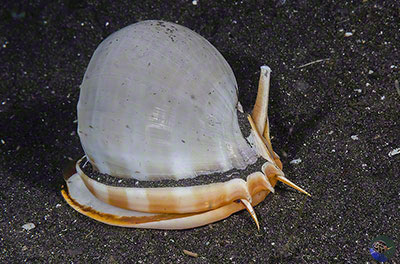
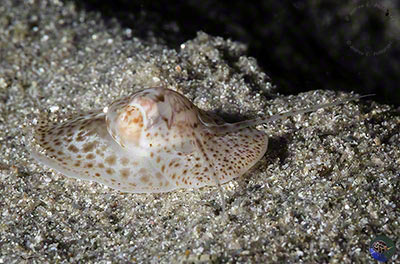
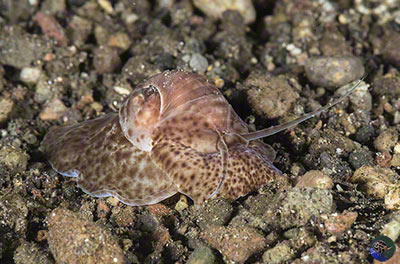
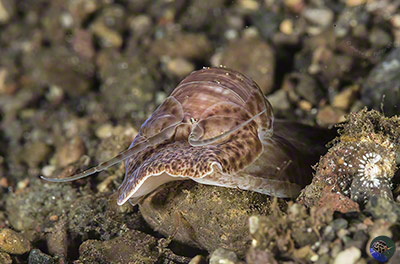
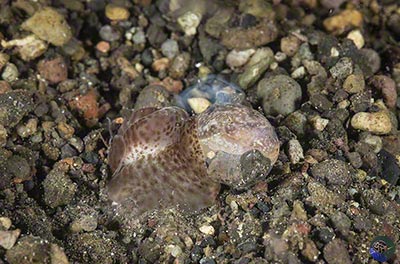
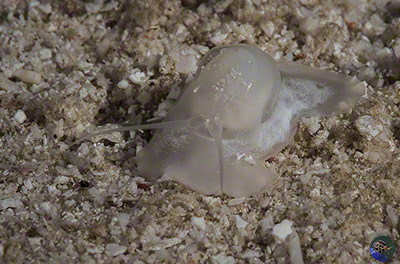
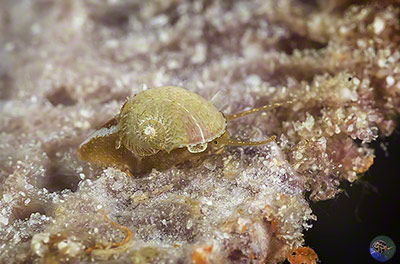
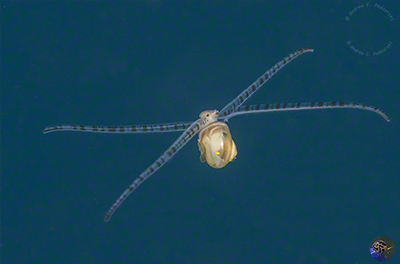
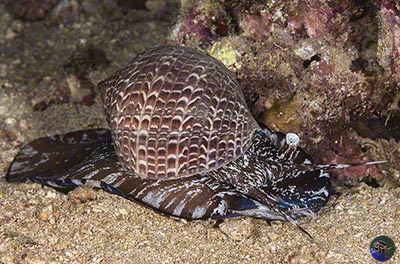
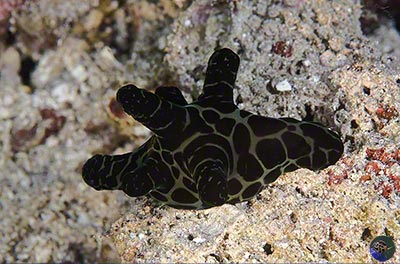
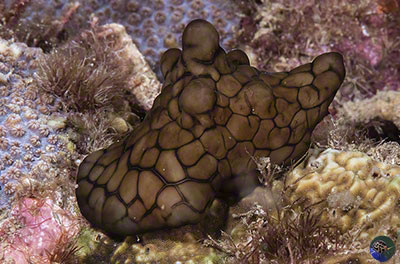
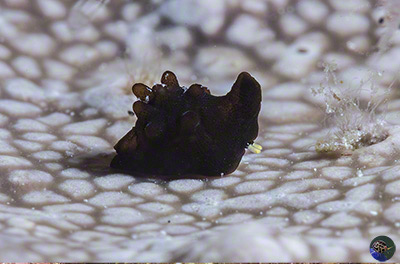
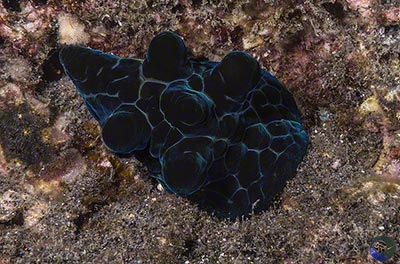
A thick mantle covers the very thin, flattened shell of these snails which causes many people to mistake them for sea slugs. They have a pair of head tentacles, as can be seen in the photo of the juvenile.
Colonial ascidians seem to be their main food.
Worm Shells
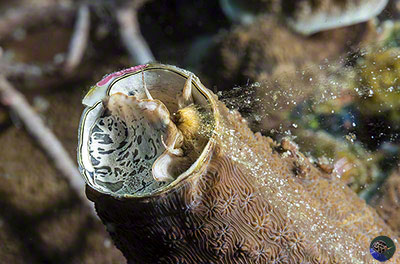
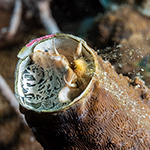
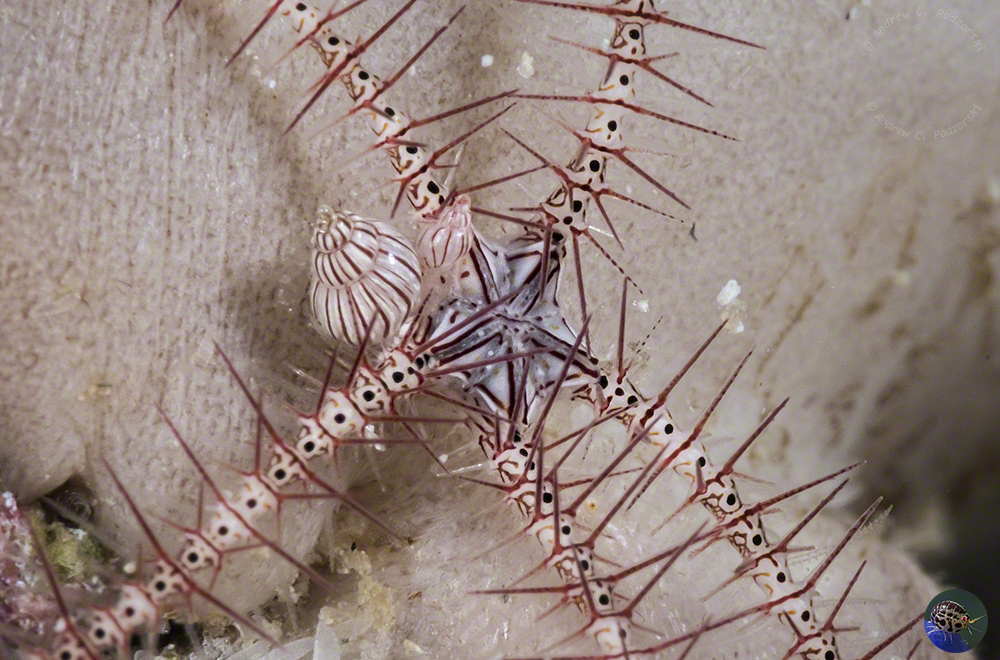
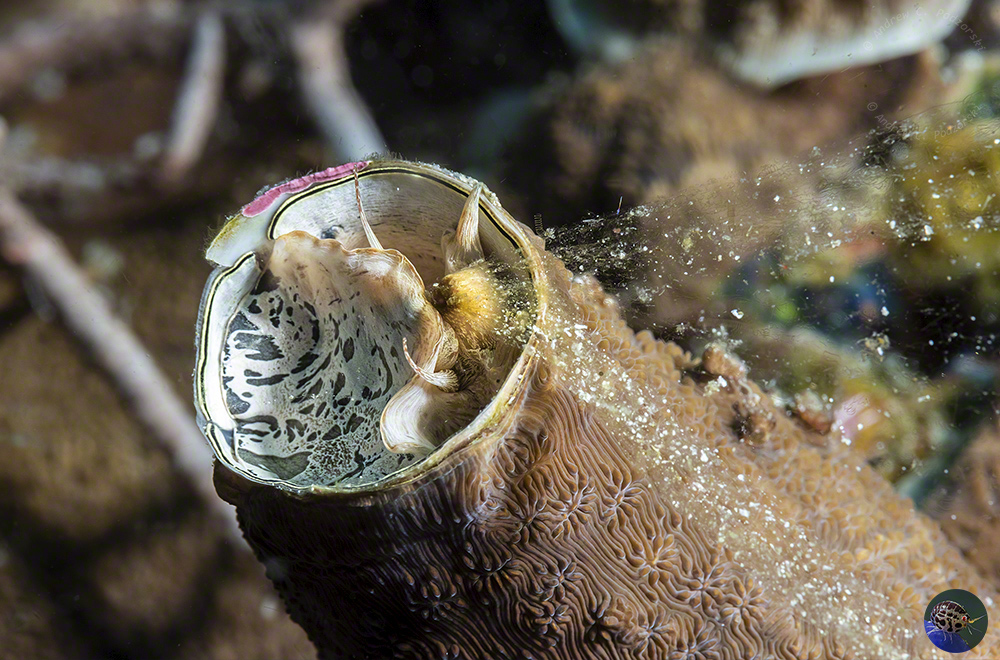
These snails have an irregularly shaped tubular tubelike shell either cemented to the substrate or embedded in a sponge. They secrete a sheet of mucus into the current which traps food items that pass by. Every few minutes they withdraw the mucous sheet to harvest the catch. A new mucous sheet is then secreted.
Helfen Sie, die Riffe zu retten!
Die Organisationen, die sich für den Schutz der Korallenriffe und unserer Ozeane einsetzen, brauchen so viel Unterstützung, wie sie bekommen können. Eine Auswahl:
Wenn Sie Taucher sind, und vor allem, wenn Sie Unterwasserfotograf sind, spenden Sie. Wenn Sie nichts tun, wird es nichts zum Tauchen und nichts zum Fotografieren geben.
Es handelt sich hierbei um Vorschläge, nicht um Bevorzugung der vorgeschlagenen Organisationen. Es liegt in Ihrer Verantwortung, die Wohltätigkeitsorganisationen, an die Sie spenden möchten, zu überprüfen und zu kontrollieren.
Conchs
Conchs
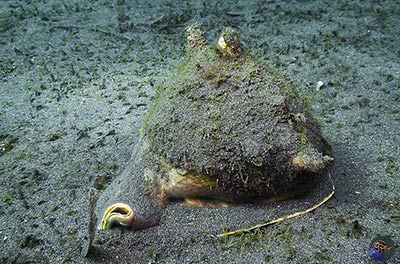
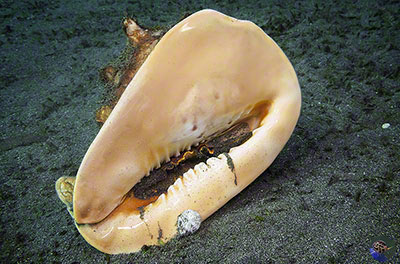
The huge Queen Conchs of the Caribbean are highly regarded as food, which has had a drastic impact in many areas. In SE Asia the species are smaller and very well camoflaged. They are also edible but there appears to be no commercial fishery.
Conchs graze on algae and detritus films on plants and stones. This makes them of prime importantance in shallow water ecosystems.
One characteristic feature is a notch in the outer lip that enables the conch to stick out its' right eye above its' upper surface without exposing the rest of the body. Males and females are separate. 100 000 to 500 000 eggs are laid in a gelatinous tube and generally held under the lip of the shell until hatching.
Helmets
Helmets
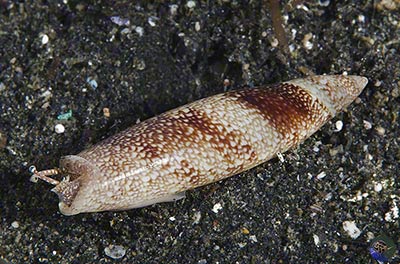
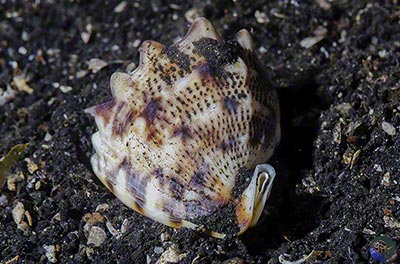
The heavy-shelled helmets and thinner shelled Cassids are active hunters of sea urchins, sand dollars, and sand dollars. I have personally seen a Phallium in hot persuit of a heart urchin (Lovinia), finally overwhelming and consuming it.
Parasitic Shells
Parasitic Shells
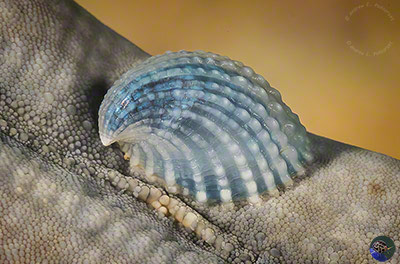
The majority of Eulimid snails are parasites on starfish and sea urchins. Thyca crystallina is most commonly seen in SE Asia. They feed on the body fluids of their host, and some become embedded in the host body as the starfish grows. Echineulima asthenosomae seems to feed on the spines of Fire Urchins, but appears to do no harm.
Moon Shells
Moon Shells
Moon shells are quite fast moving predators on molluscs, particularly bivalves. When they find a mollusc, they drill a hole through the shell with their radula, softening the shell with acid as they go. Their probosis is then inserted through the hole and their prey eaten from the inside!
The round sand-impregnated "collars" that are often seen on sand and reefs are the egg cases of moon shells. Some species produce sausage-like egg masses.
Tritons
Tritons
The Triton Trumpet is a large predatory shell (the second largest in the world) best known as the main predator of the Crown of Thorns (COT) starfish, though it does eat e.g. Linkia as well. Over-collecting by shell hunters in some areas greatly reduce numbers and the COT populations rise.
Tun Shells
Tun Shells
Tun shells are large and thin with a very large body. They are active at night is sandy/silty areas, actively hunting sea cucumbers, which they seem to swallow whole.

Velutinids
Velutinids
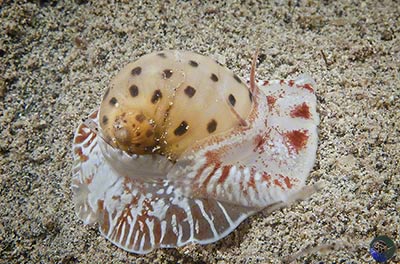
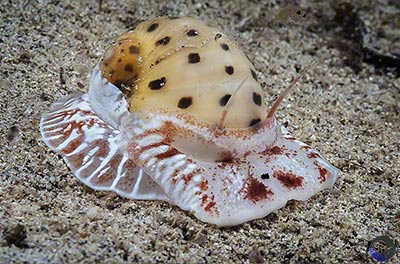
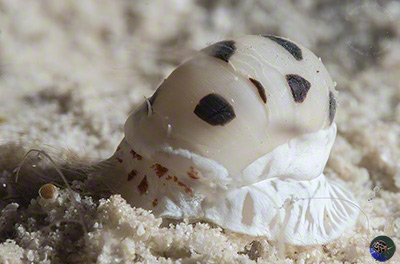
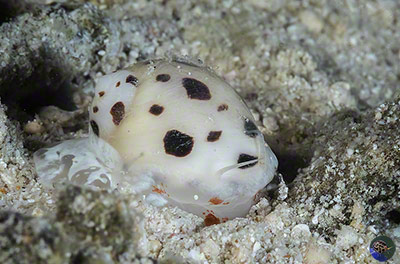
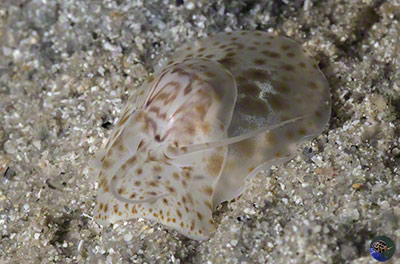
A thick mantle covers the very thin, flattened shell of these snails which causes many people to mistake them for sea slugs. They have a pair of head tentacles, as can be seen in the photo of the juvenile.
Colonial ascidians seem to be their main food.
Worm Shells
Worm Shells
These snails have an irregularly shaped tubular tubelike shell either cemented to the substrate or embedded in a sponge. They secrete a sheet of mucus into the current which traps food items that pass by. Every few minutes they withdraw the mucous sheet to harvest the catch. A new mucous sheet is then secreted.