Reef Stories

Fan Worms
Feather Dusters & Christmas Trees!
Feather Dusters & Christmas Trees!
Worm Index
Worm
Bobbit Worms
Bristle Worms
Christmas Tree
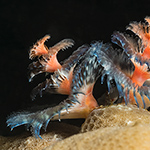
Feather-Duster Worms
Flatworms
Myzostomid Worms
Horseshoe Worms
Ribbon Worms
Scale Worms
Colonial Tube-Builders
Anyone who has seen the film Avatar will recognise these worms! They were the models behind some of the wierd and wonderful plants in the forest.
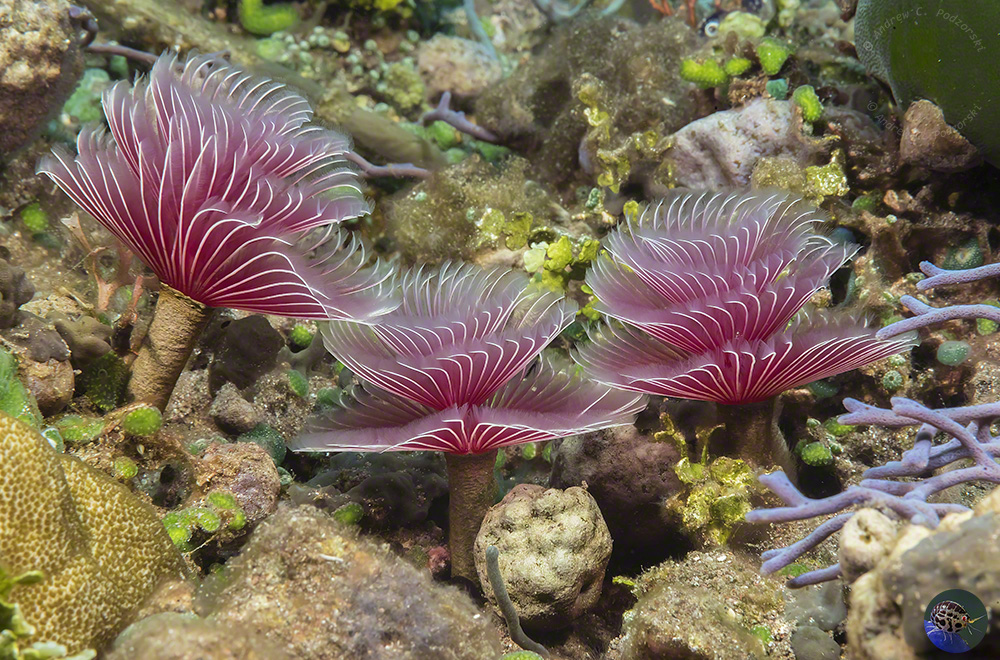
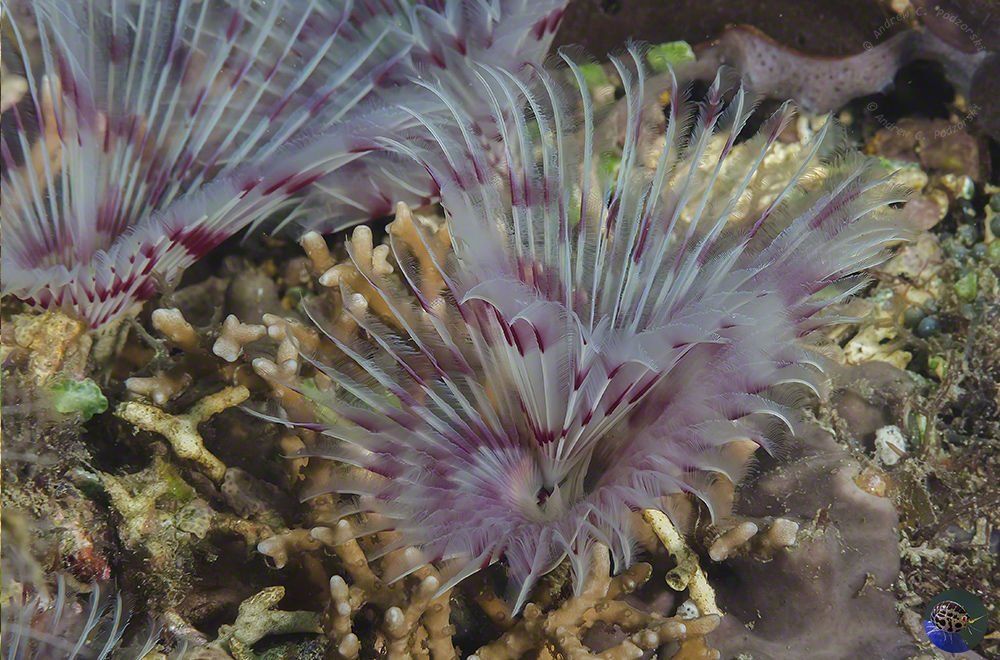
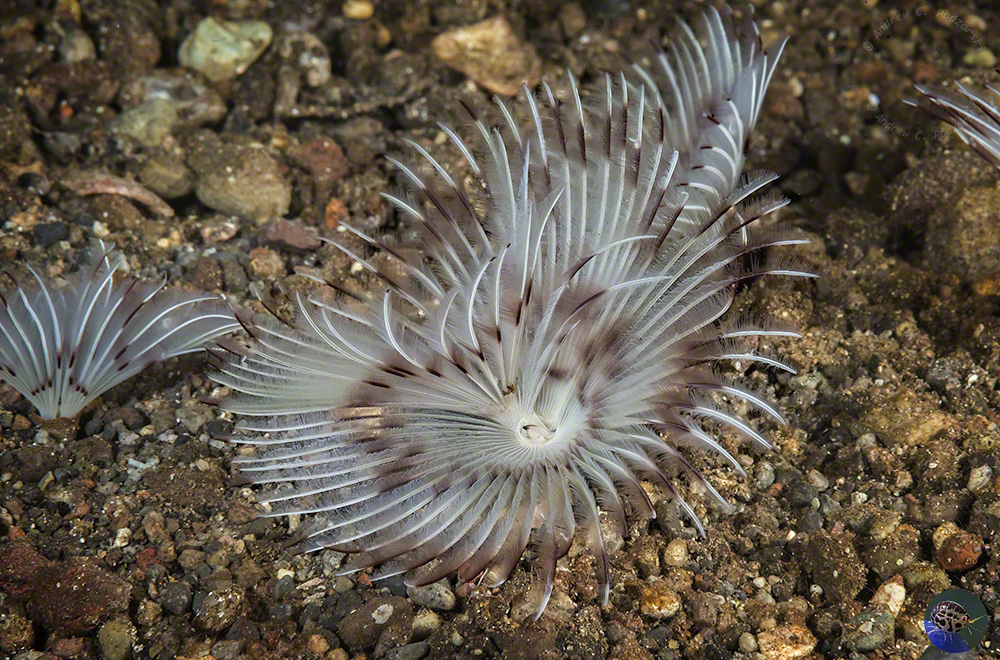
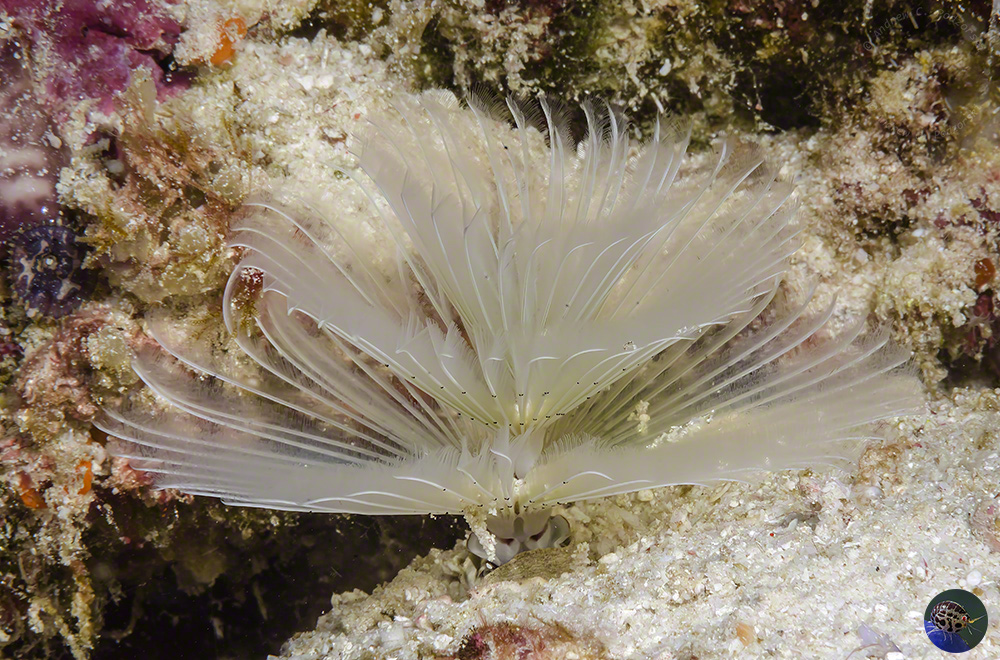
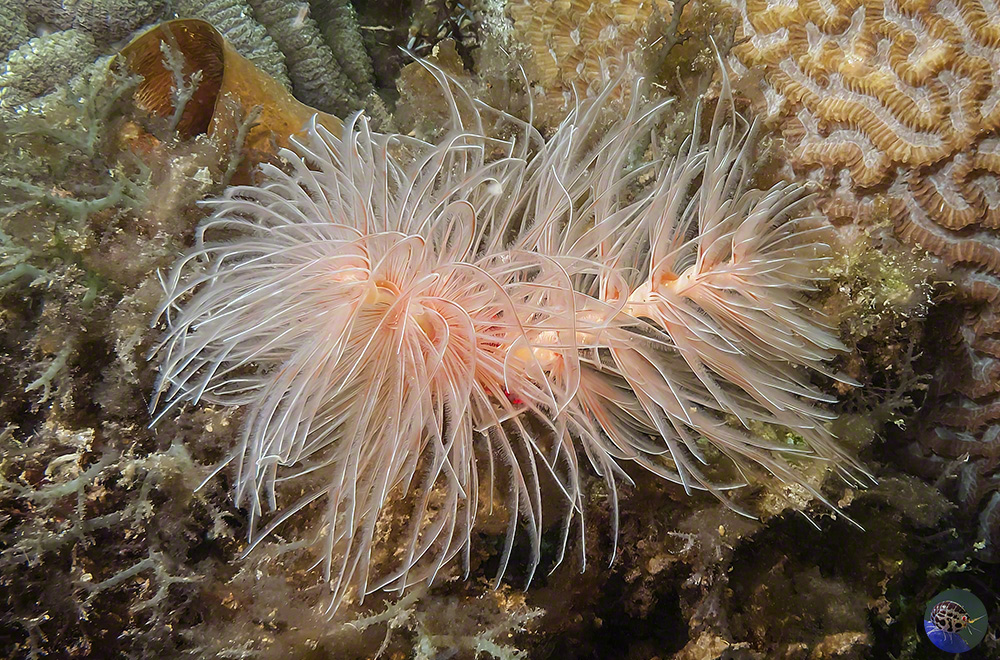
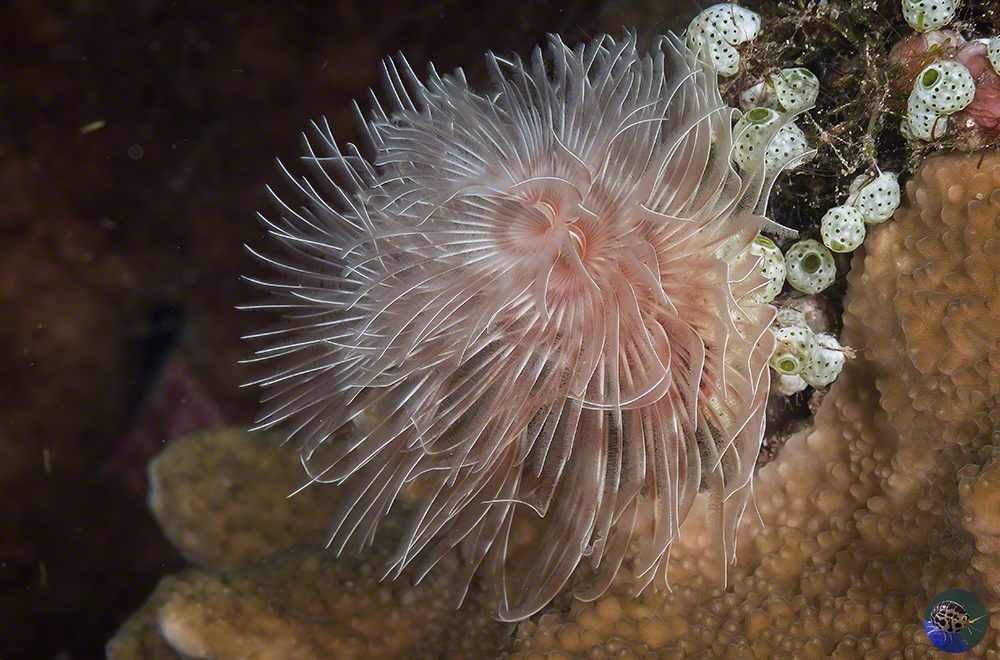
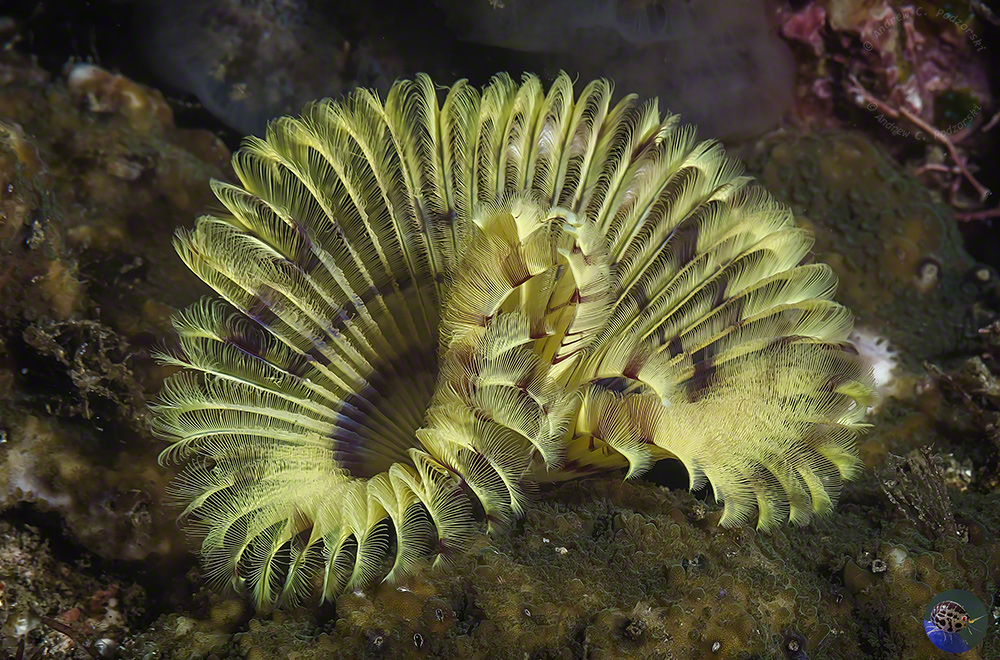
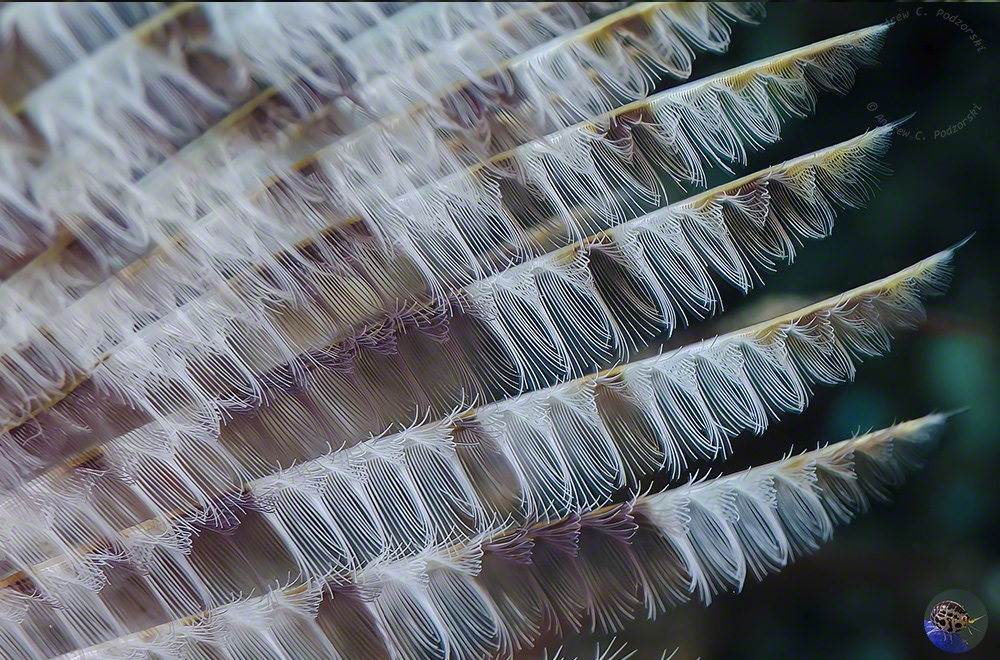
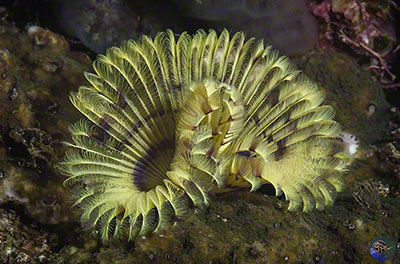
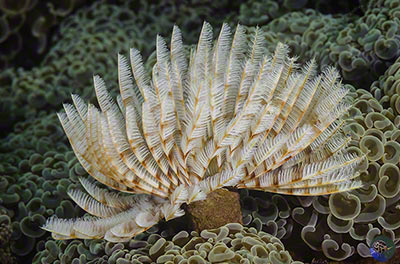
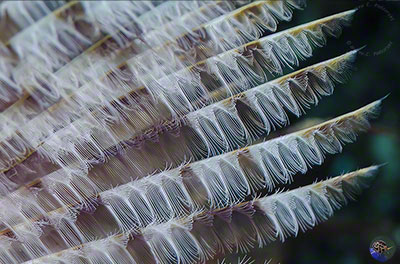
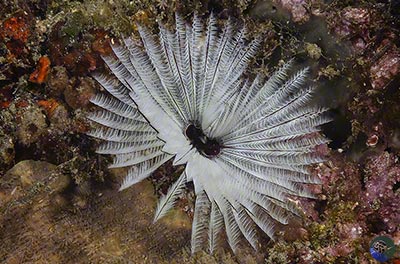
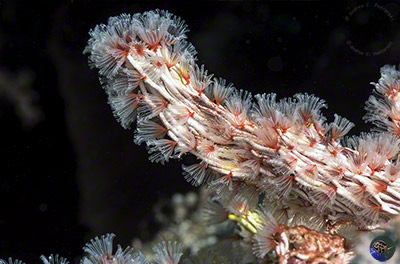
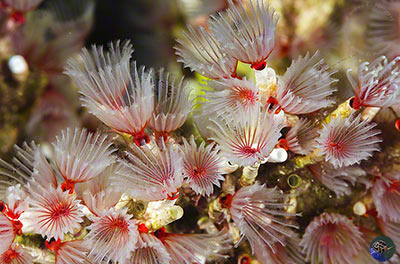
All the amazing coloured species here filter their food from the water with a complex network of cilia on their finely branched "Christmas Trees" or "Feather Dusters". Their fossils are the earliest known from the Jurassic.
Suchen
Zeige Ergebnisse für
1 Ergebnis
Ergebnisse
nichts gefunden
Gängige Wörter werden weitgehend ignoriert
1 Suchbegriff zu kurz
Sollte 3 Zeichen oder mehr sein
Christmas Tree Worms
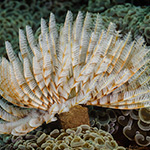
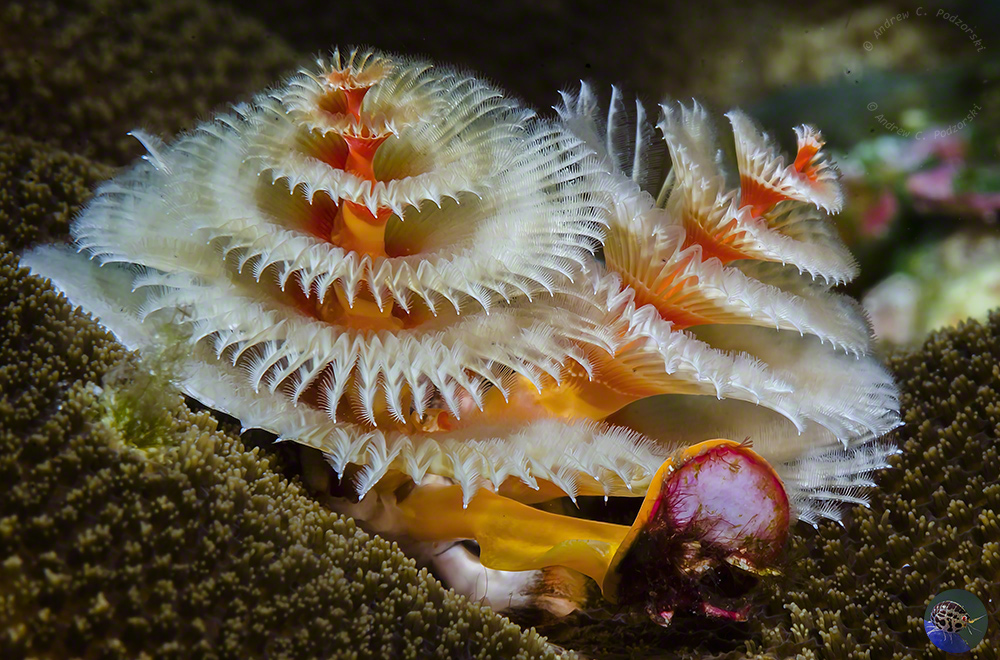
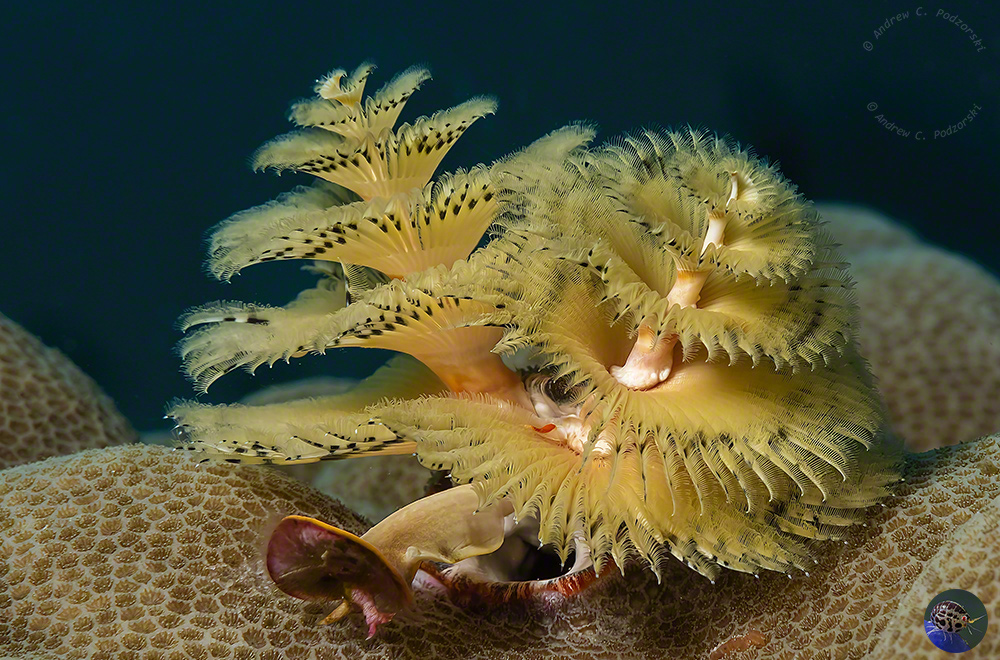
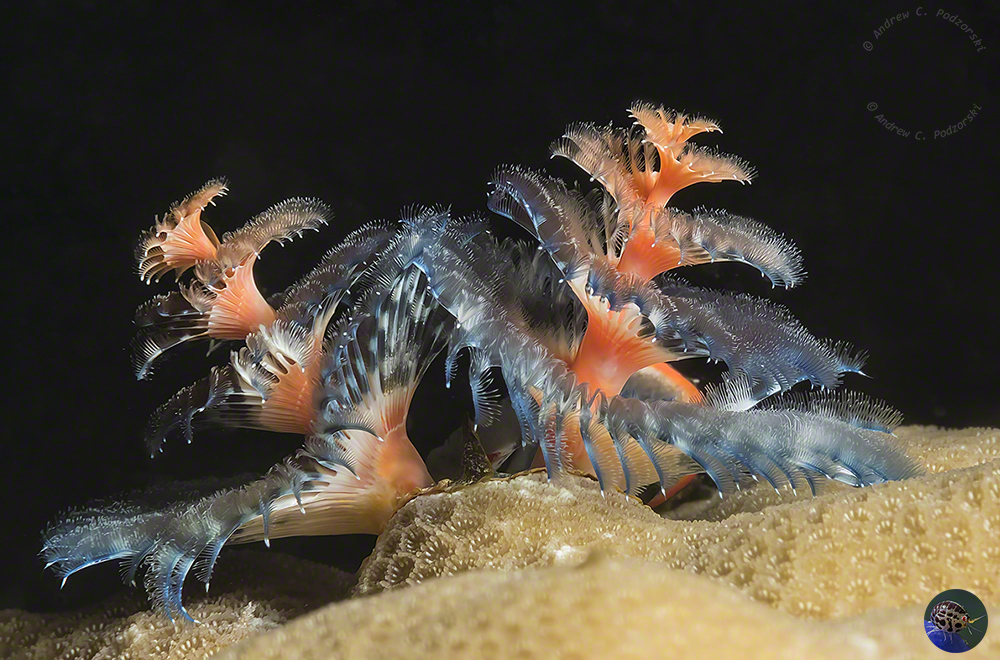
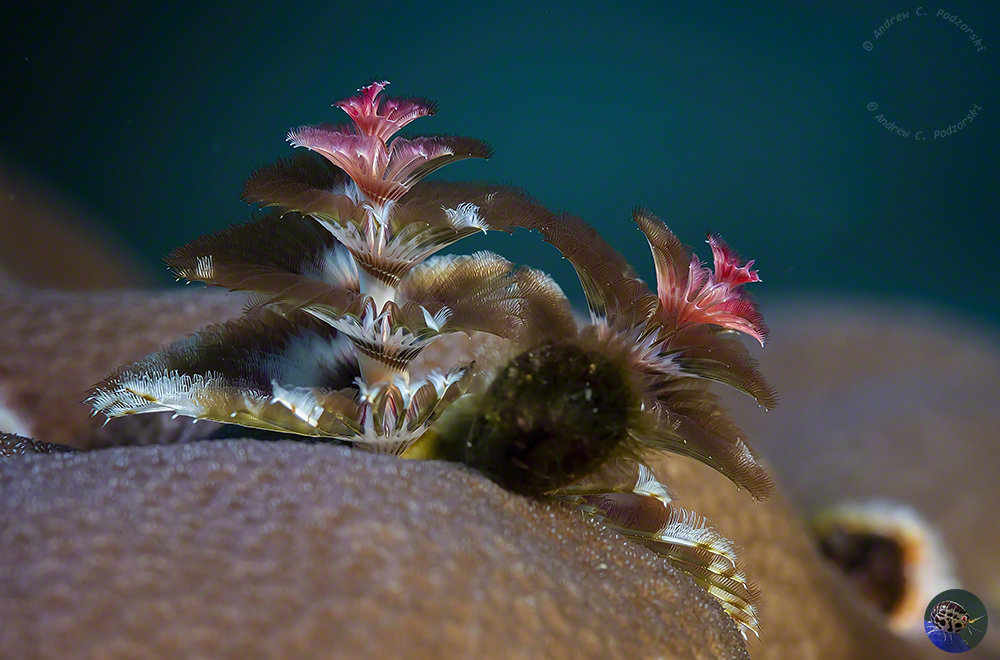
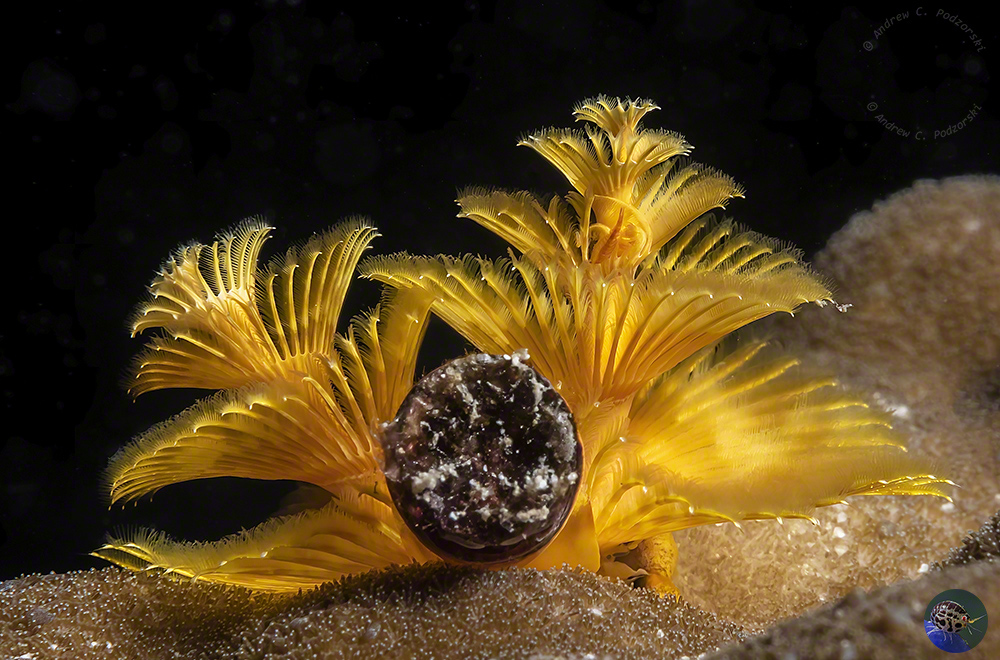
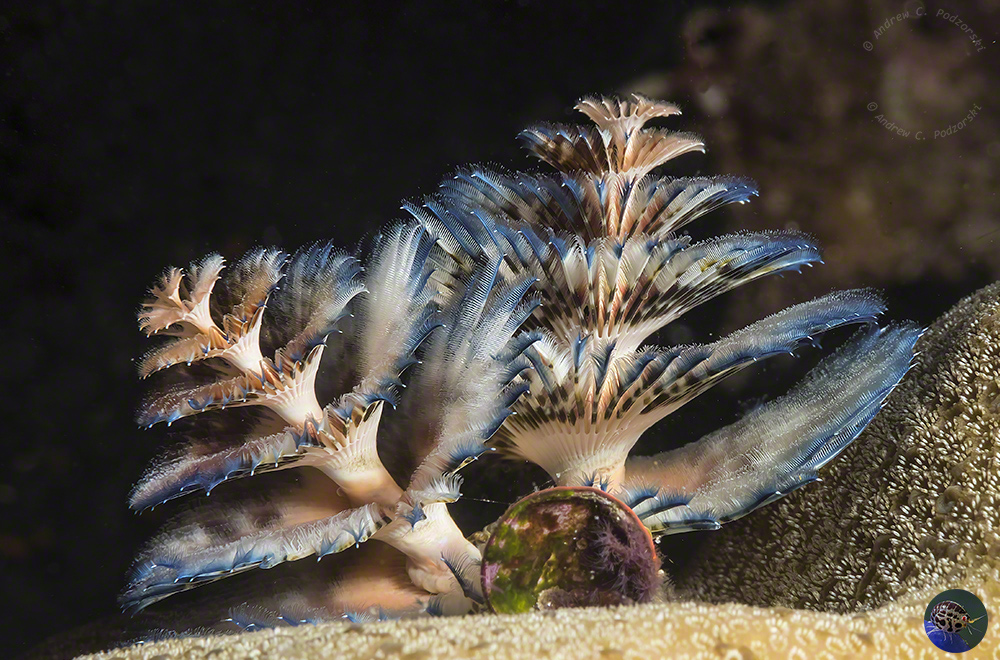
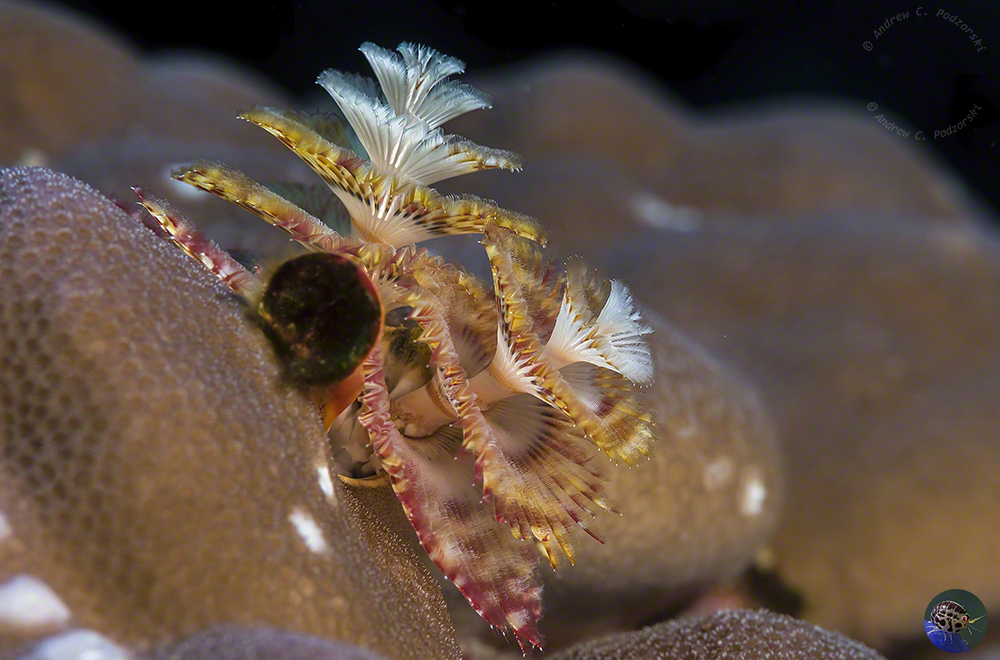
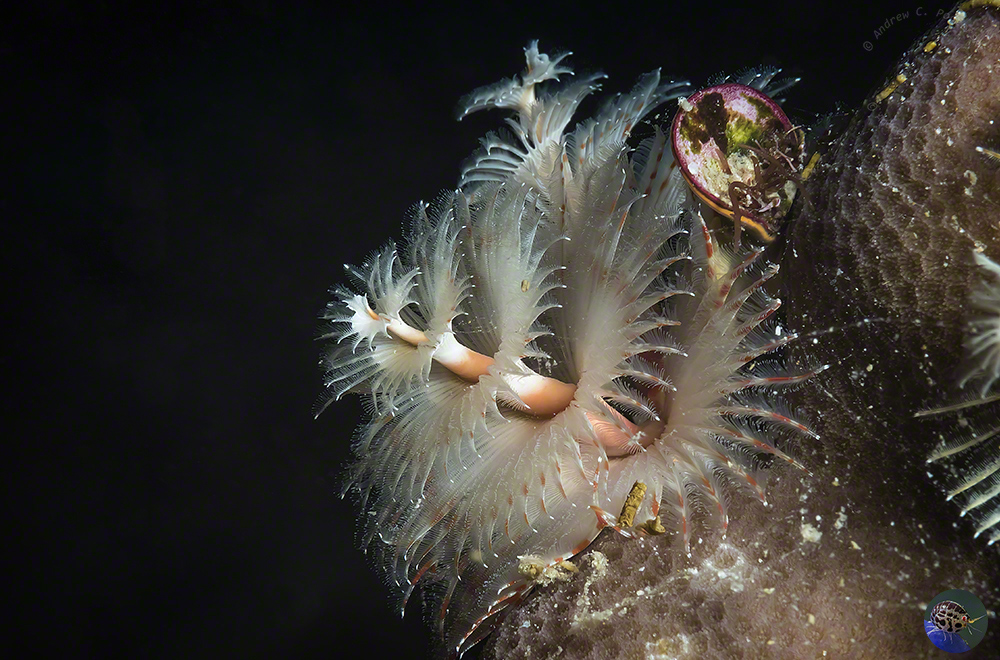
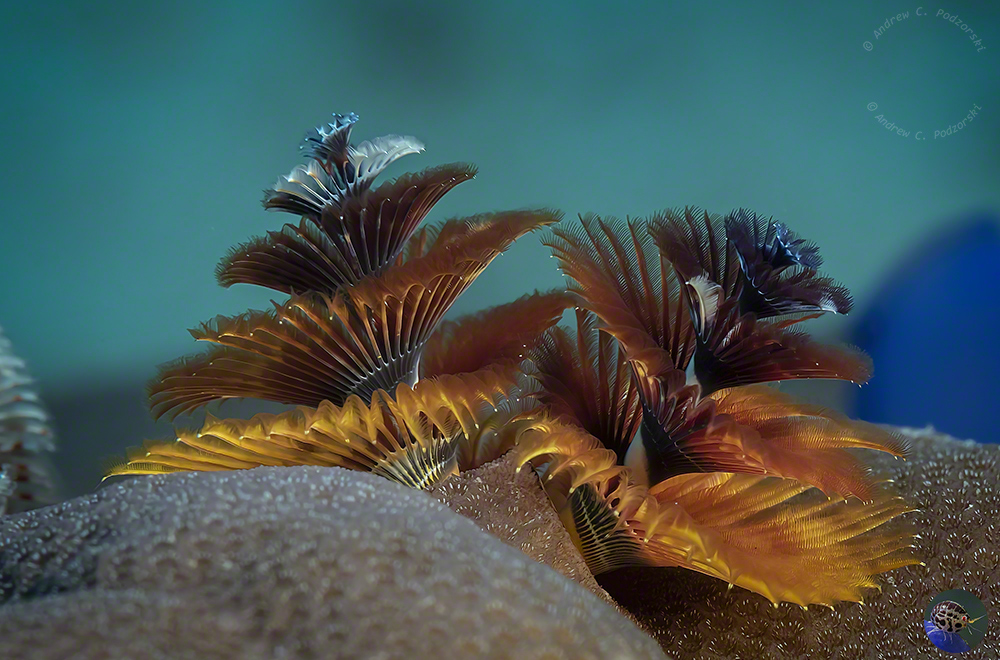
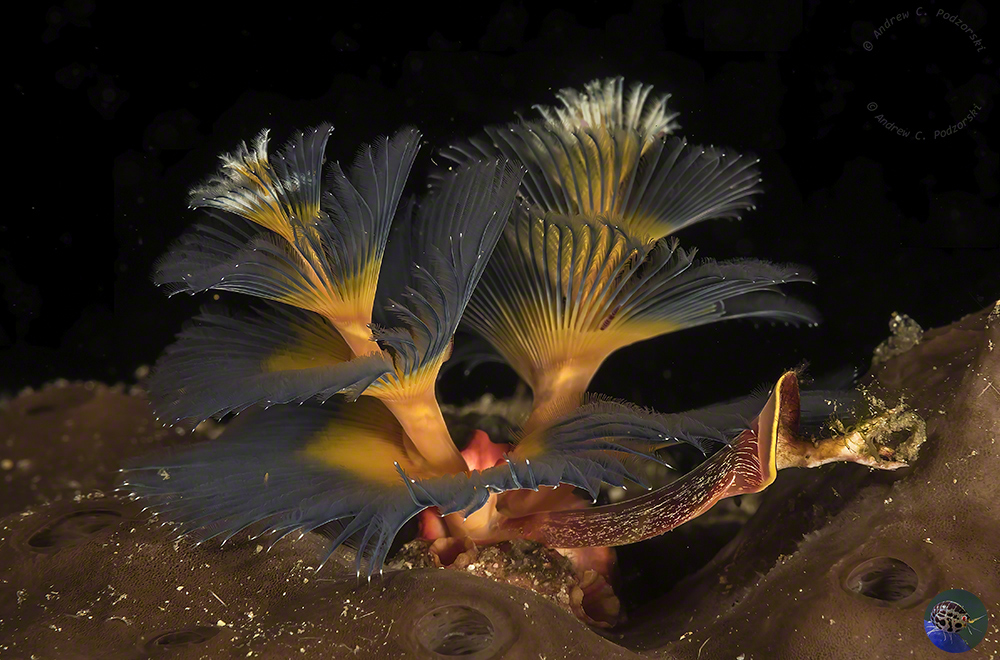
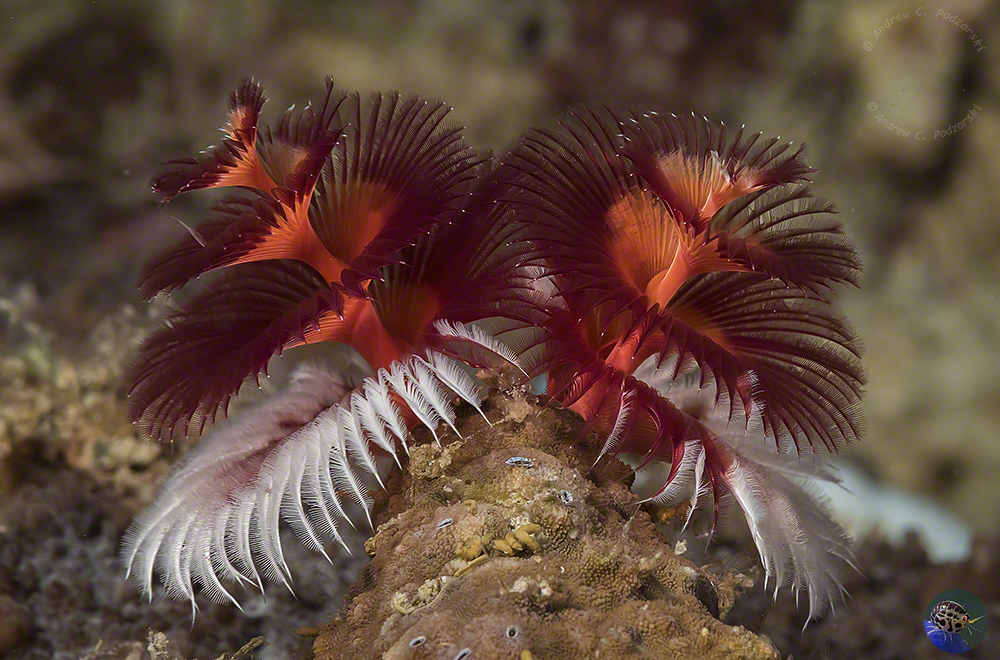
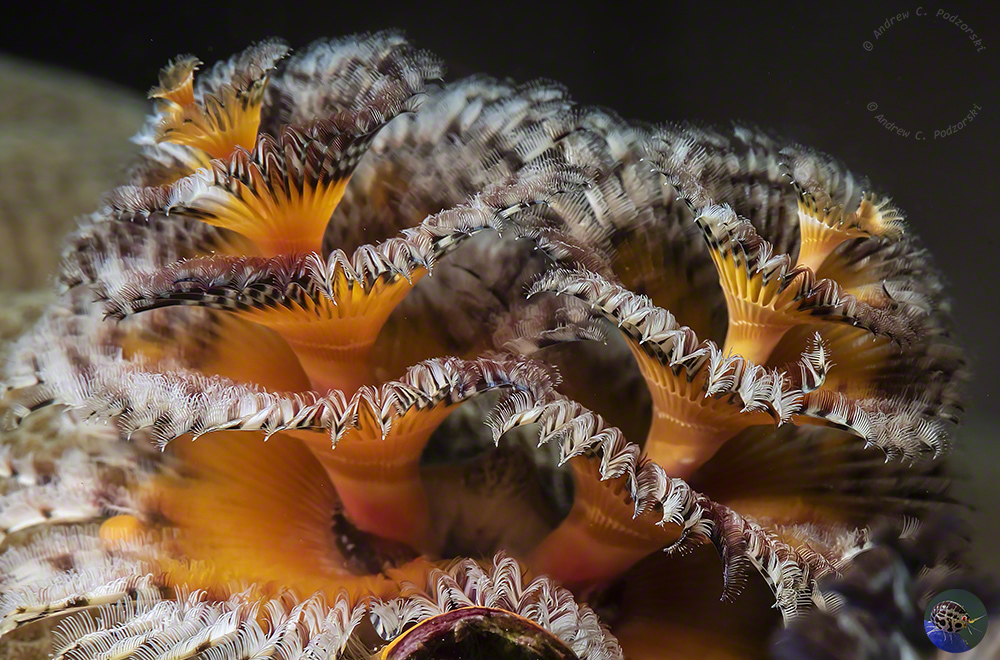
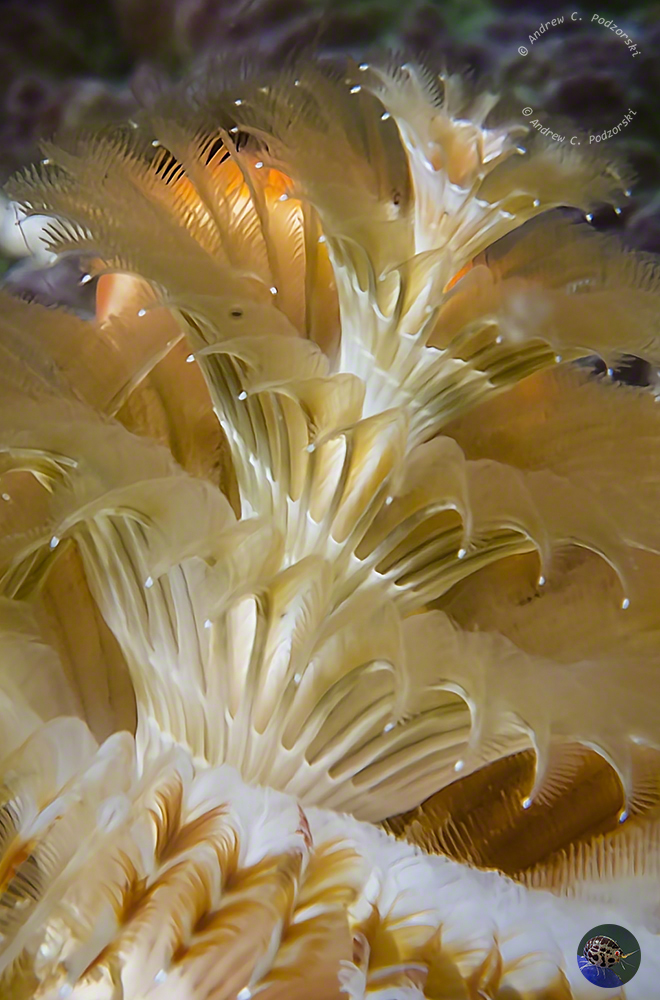
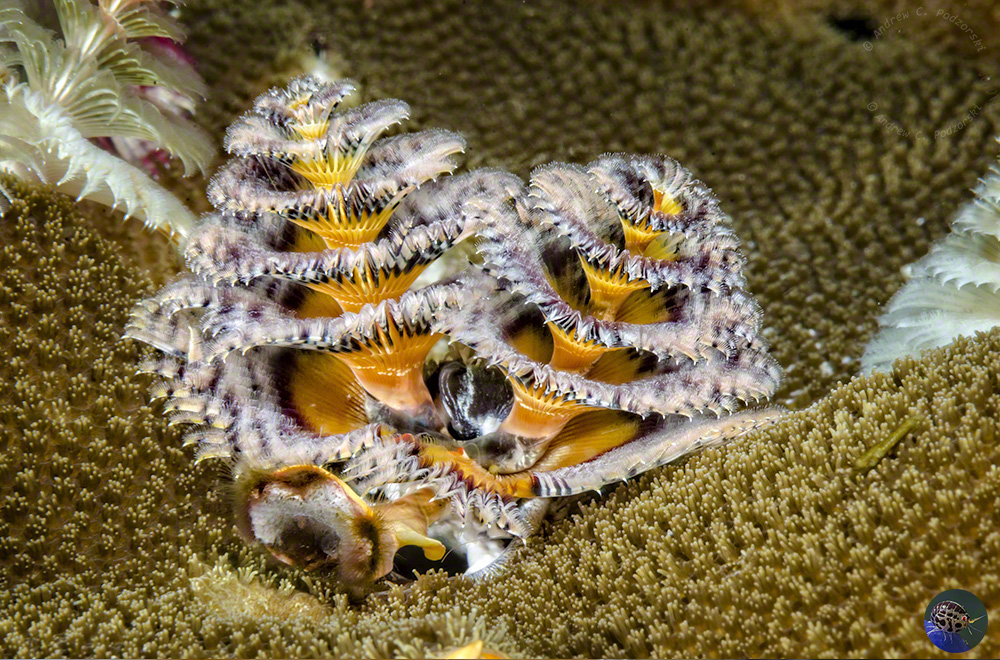
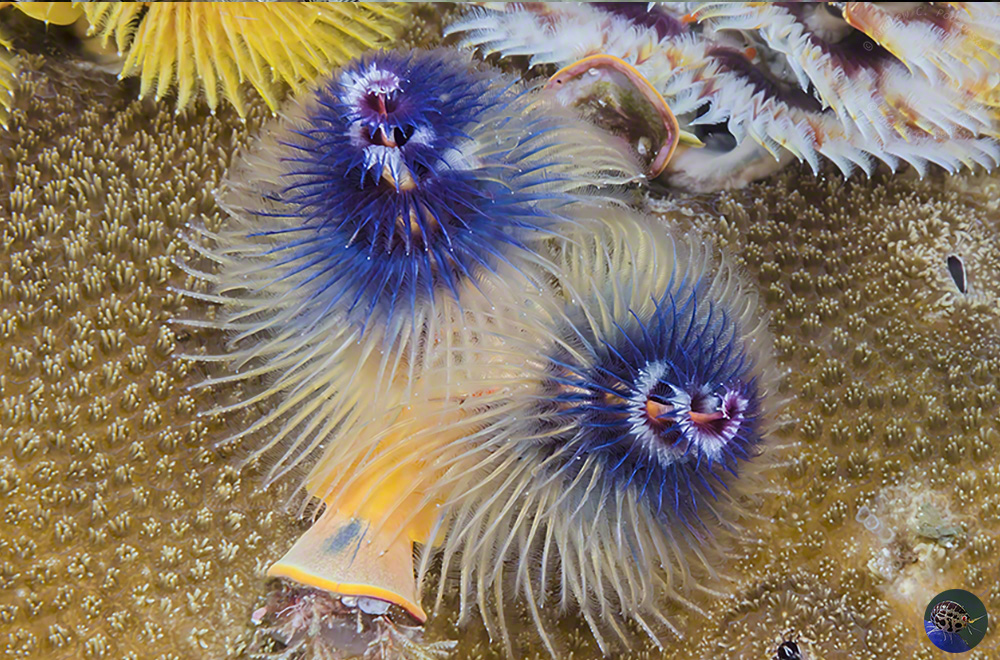
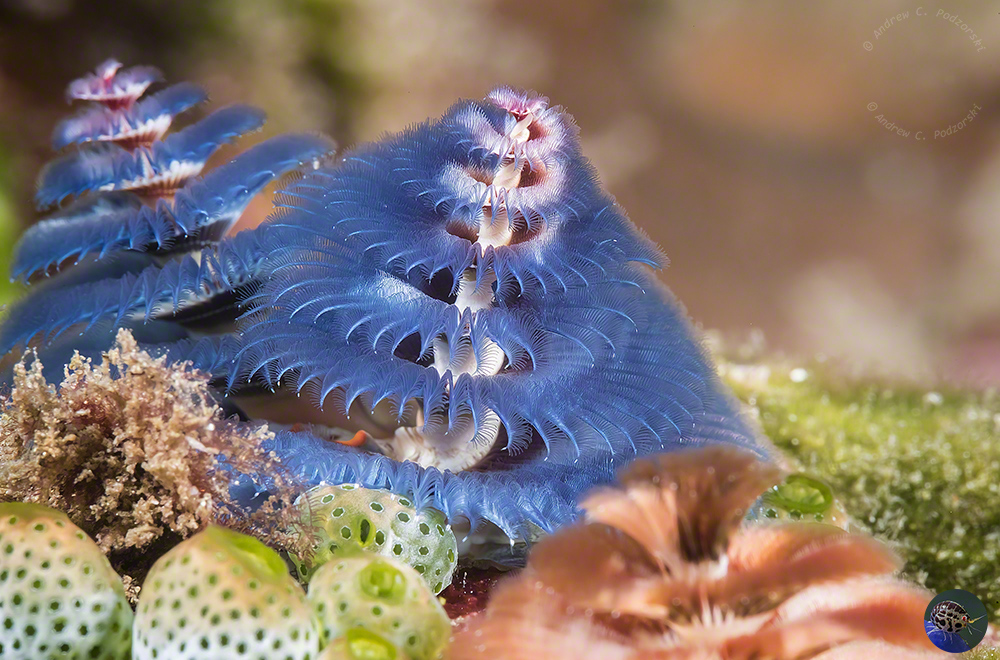
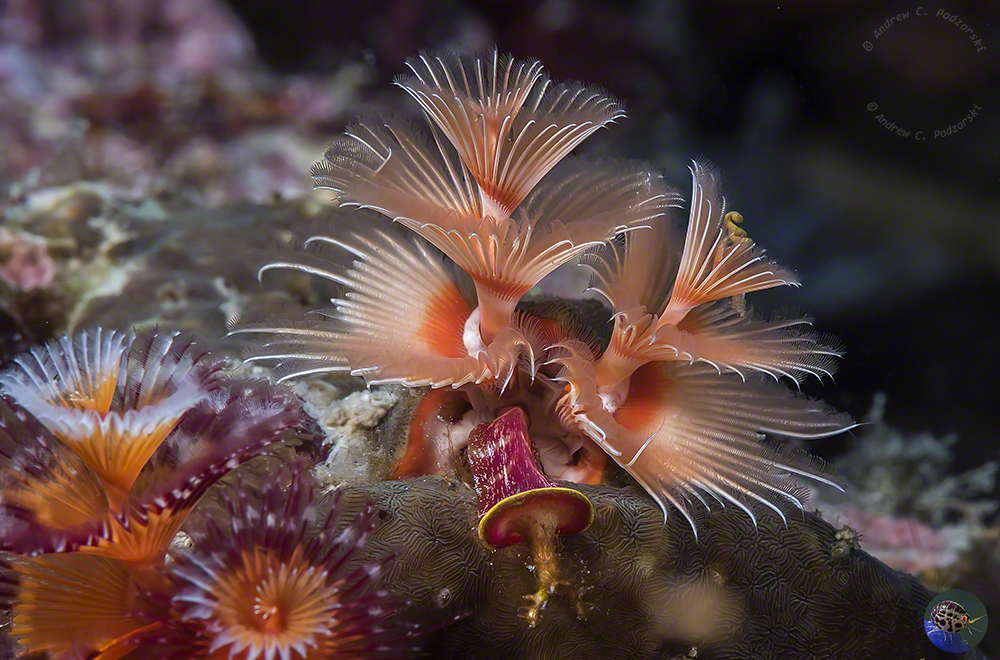
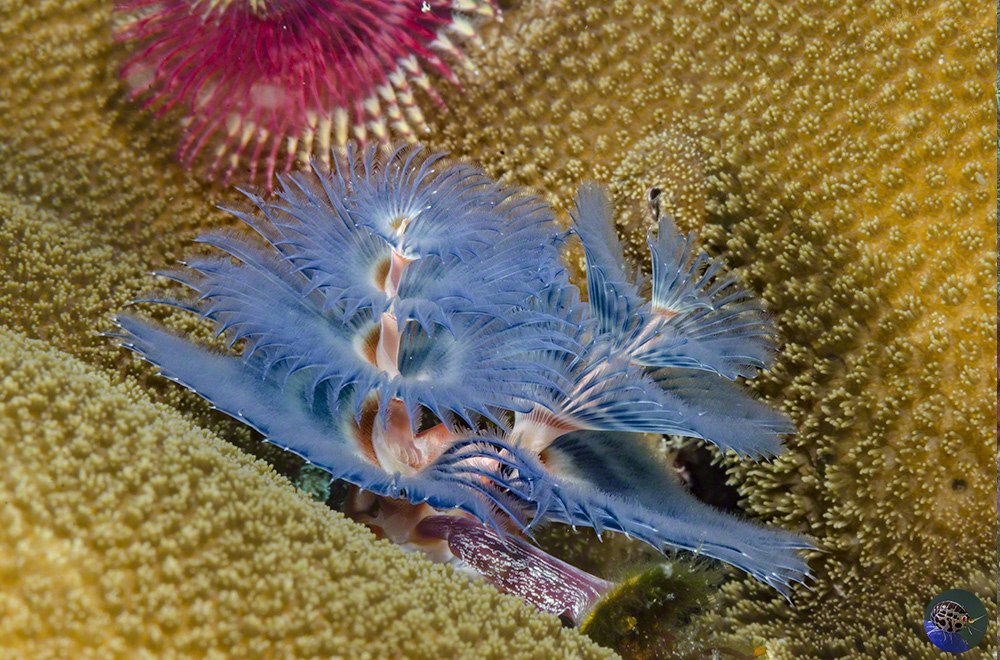
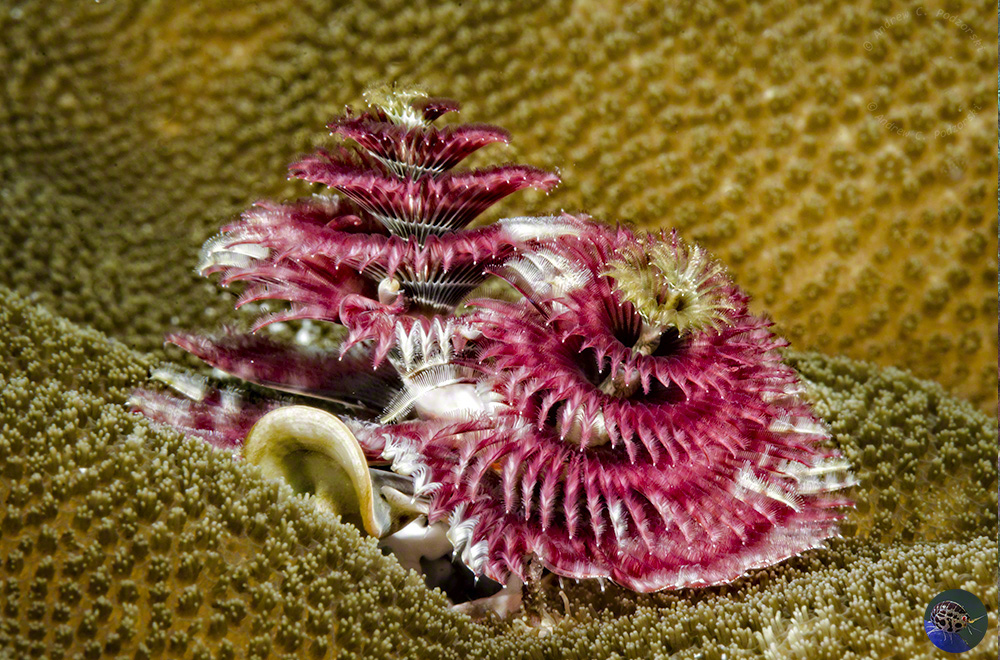
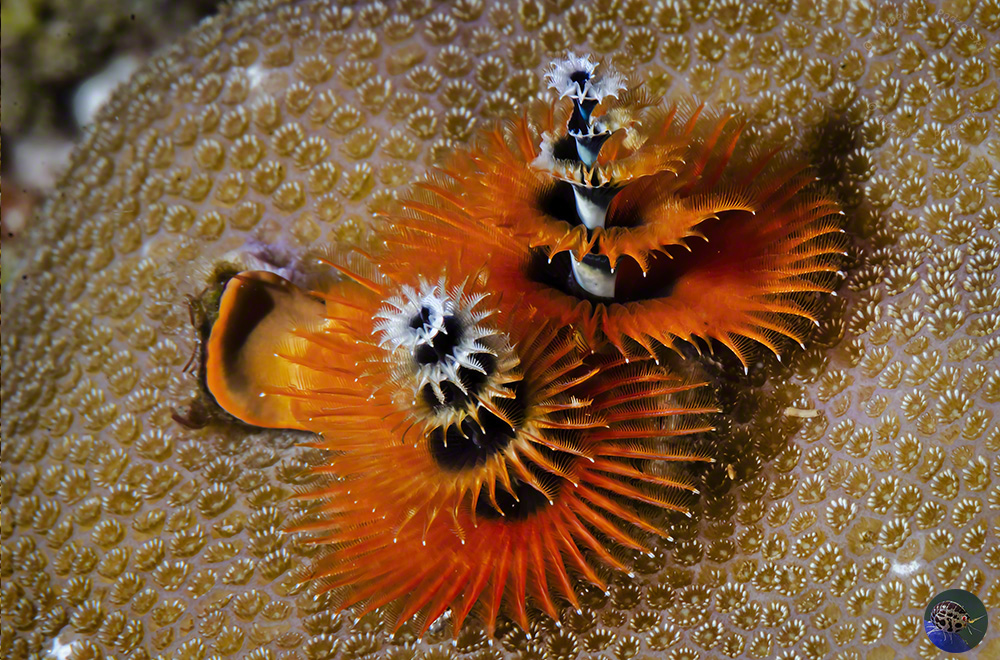
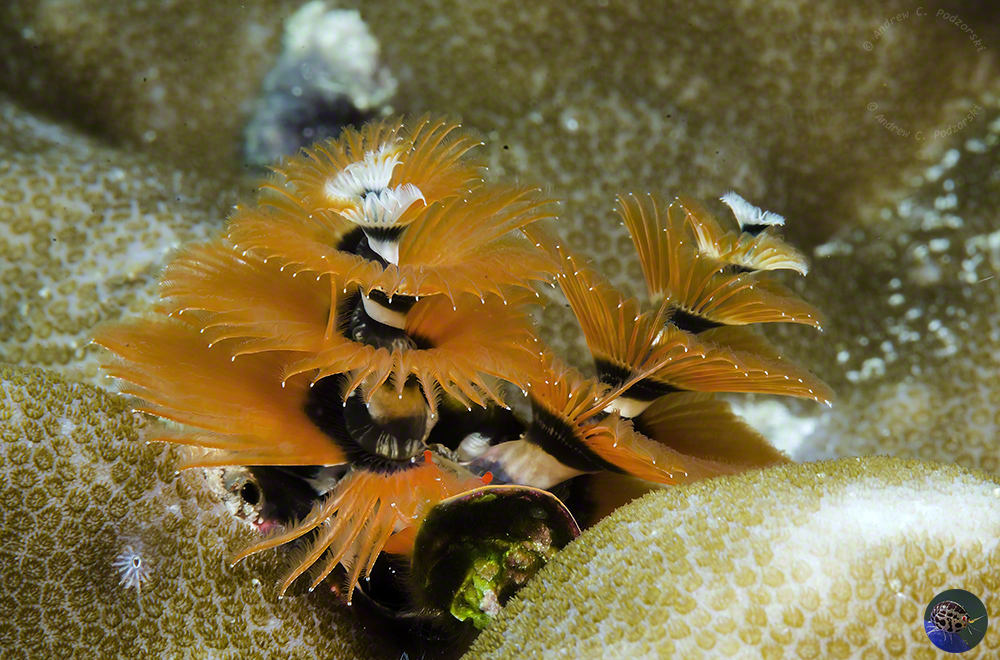
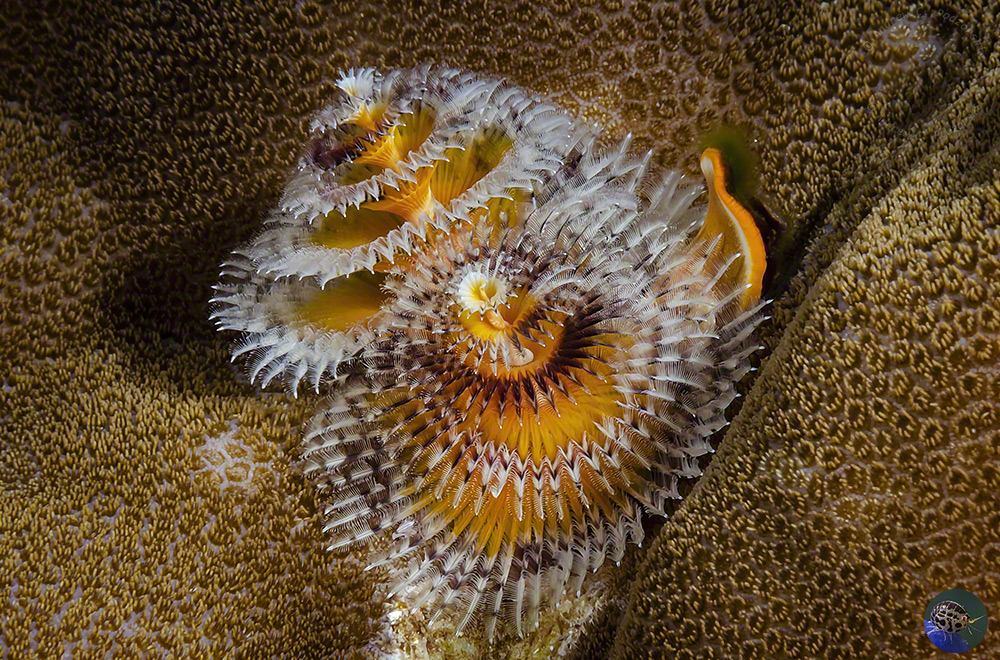
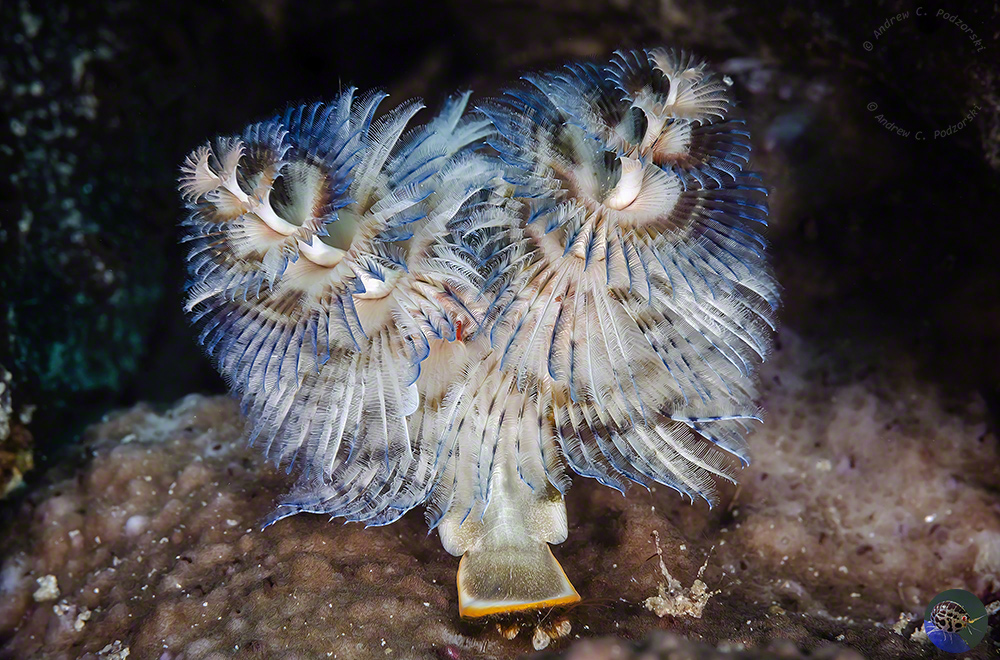
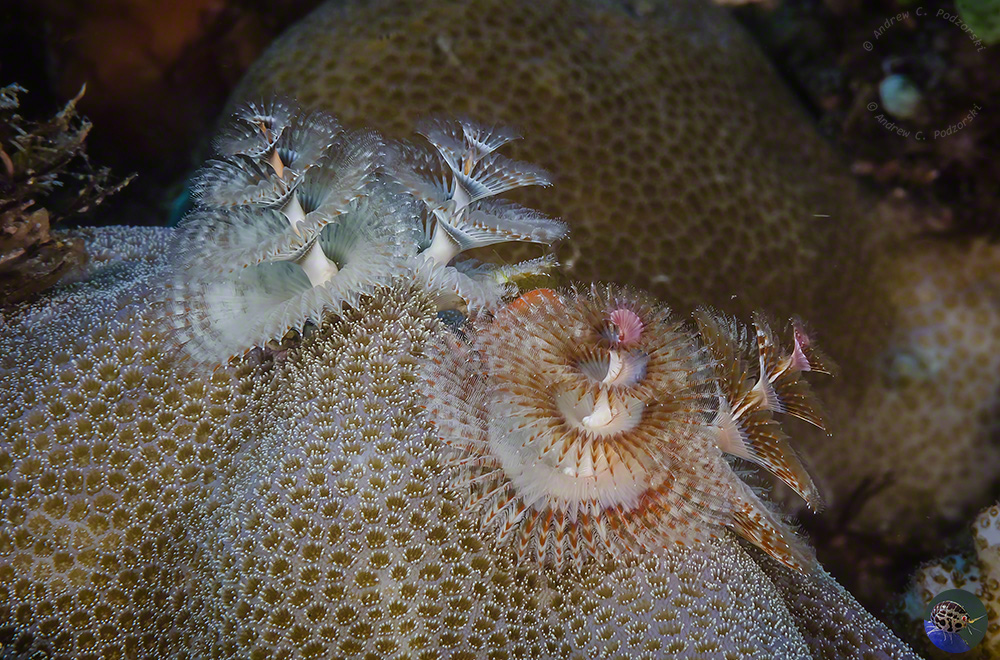
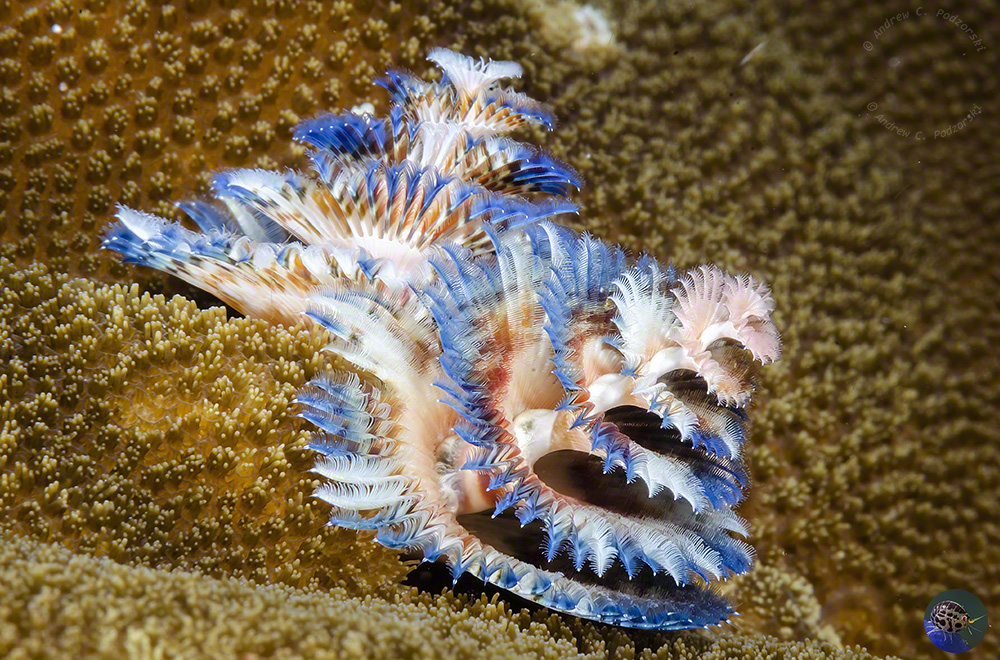
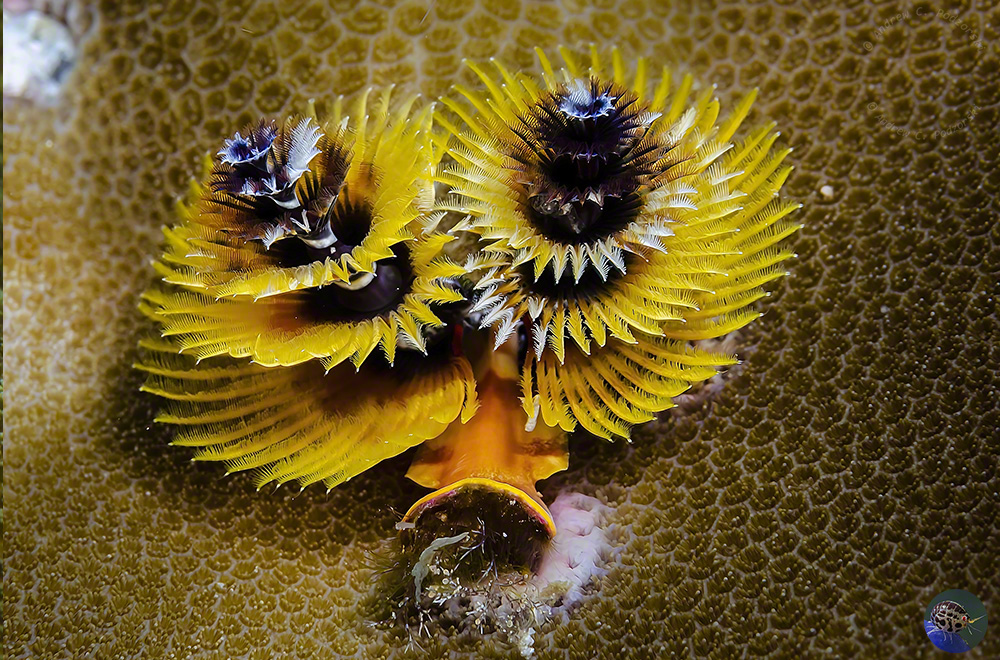
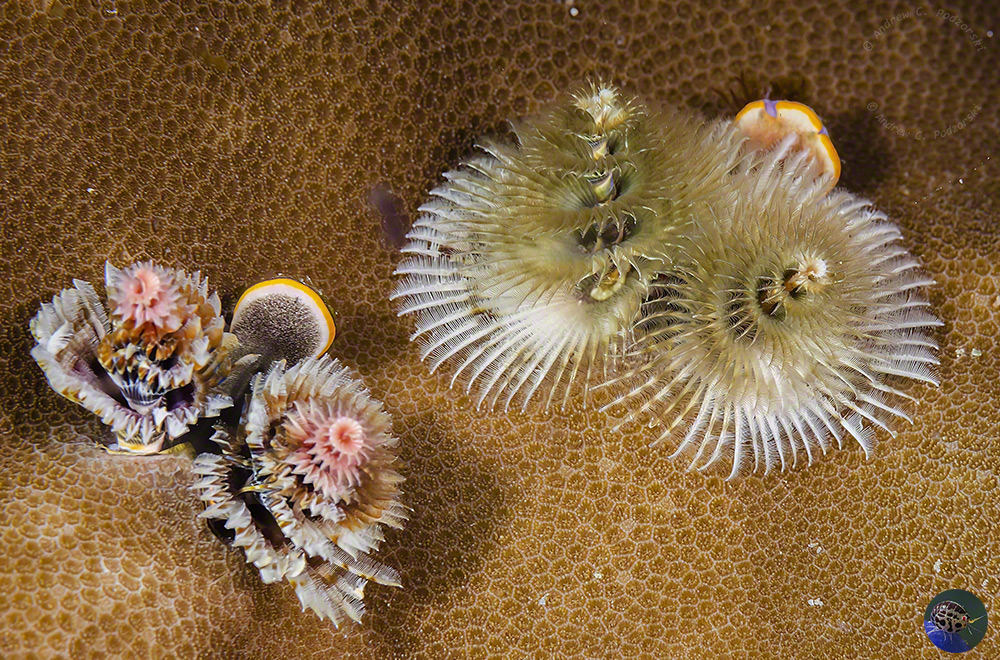
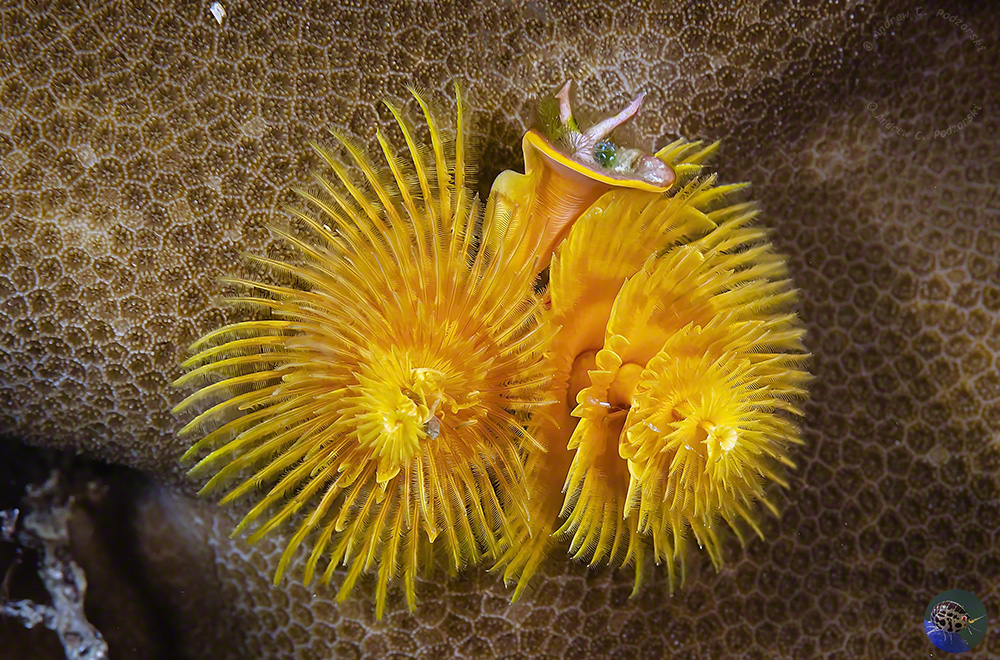
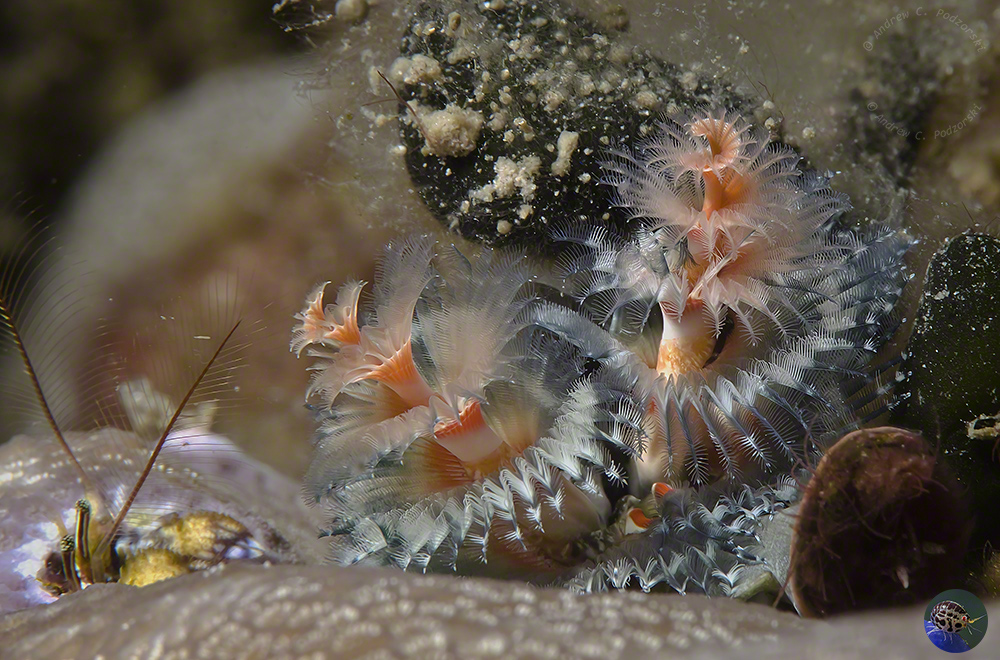
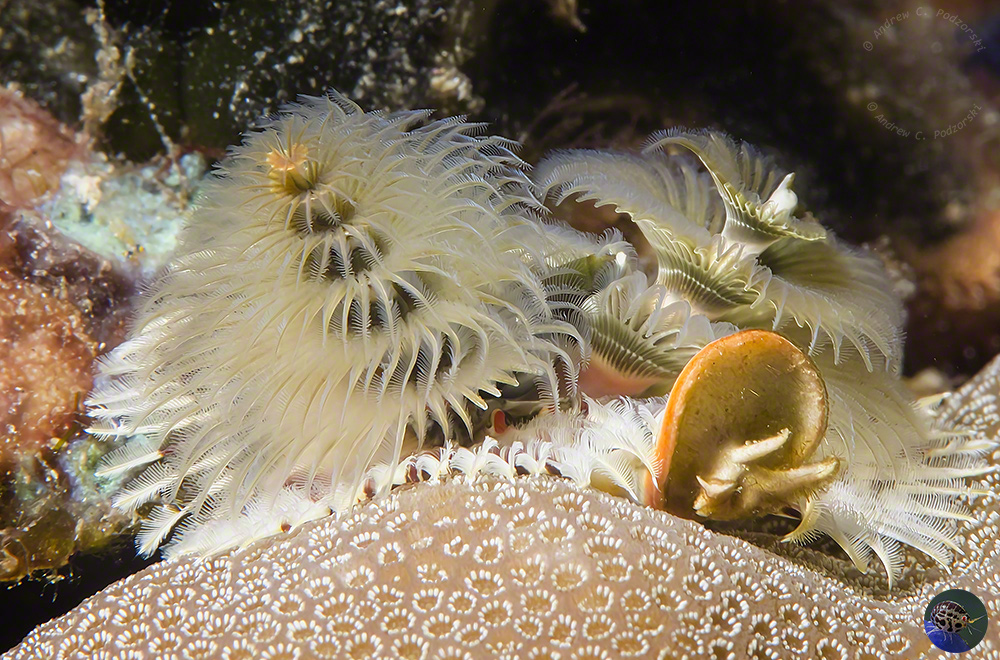
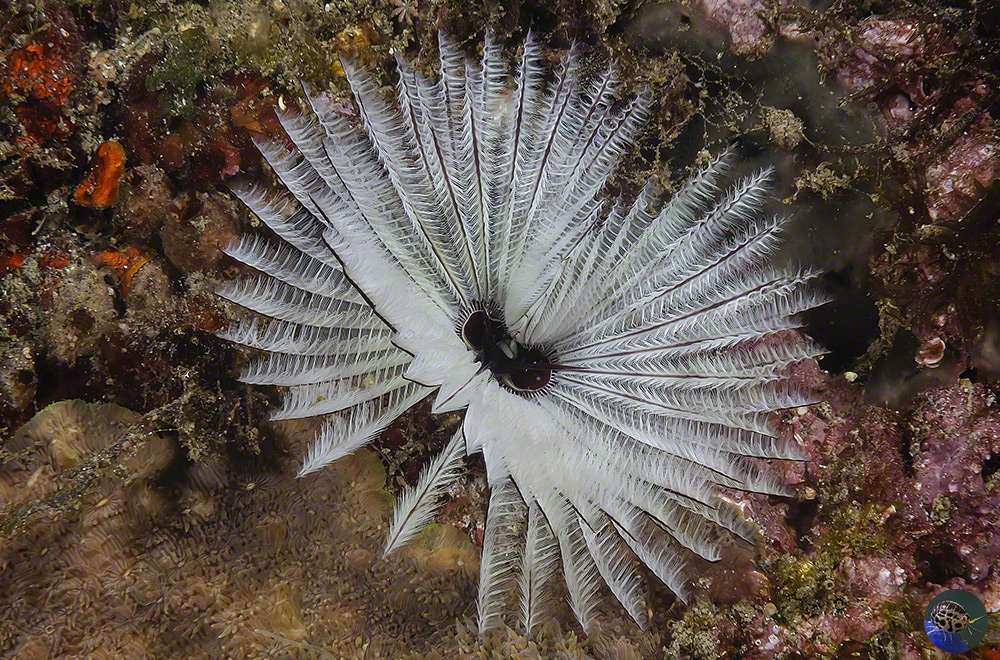
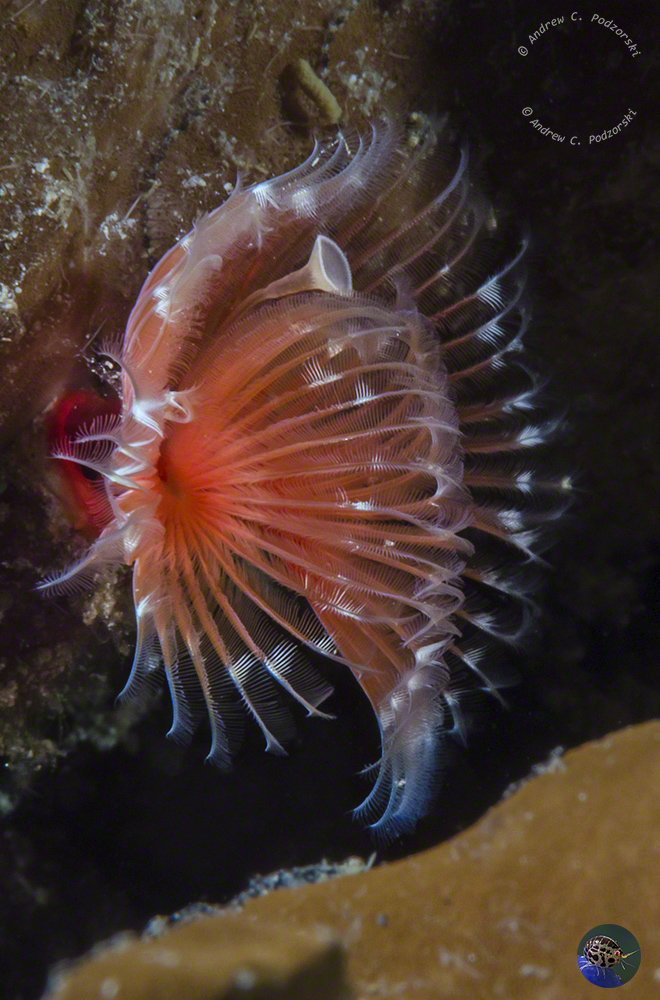
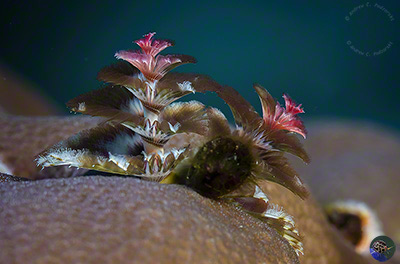
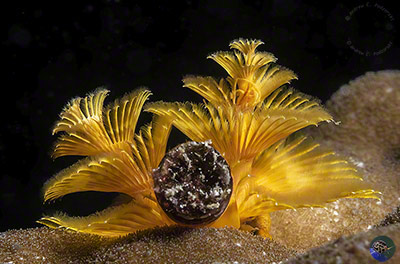
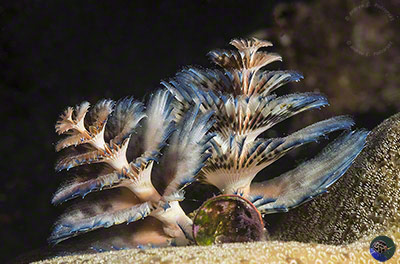
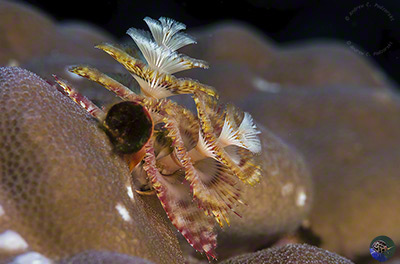
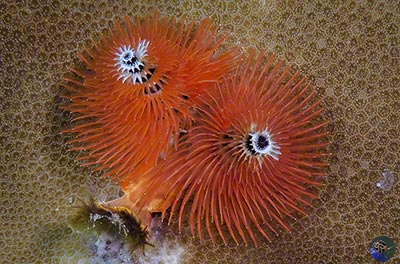
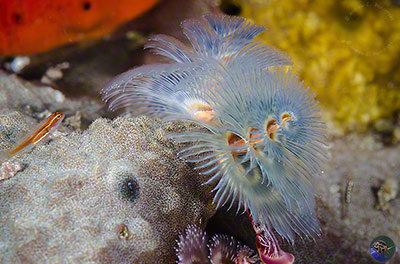
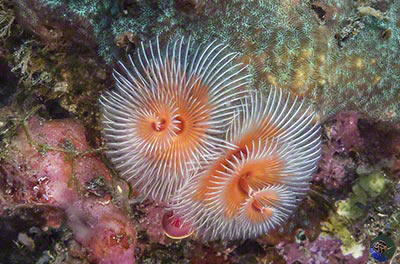
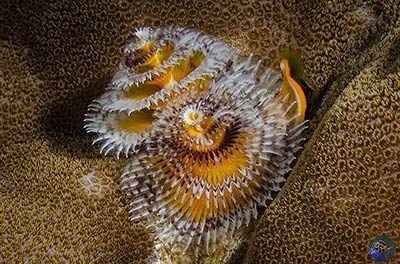
The tremendously colourful "christmas trees" of these worms are both complex feeding and breathing organs. The body of the worm itself is protected by the massive skeleton of the coral that it grew up in.
What sets this genus apart from the other fan worms is that they have a "chalk" cap to their tube. When danger treatens, the worms instantly retract and seal the tube with the cap, which is has a forked sharp spine.
Devil Worms
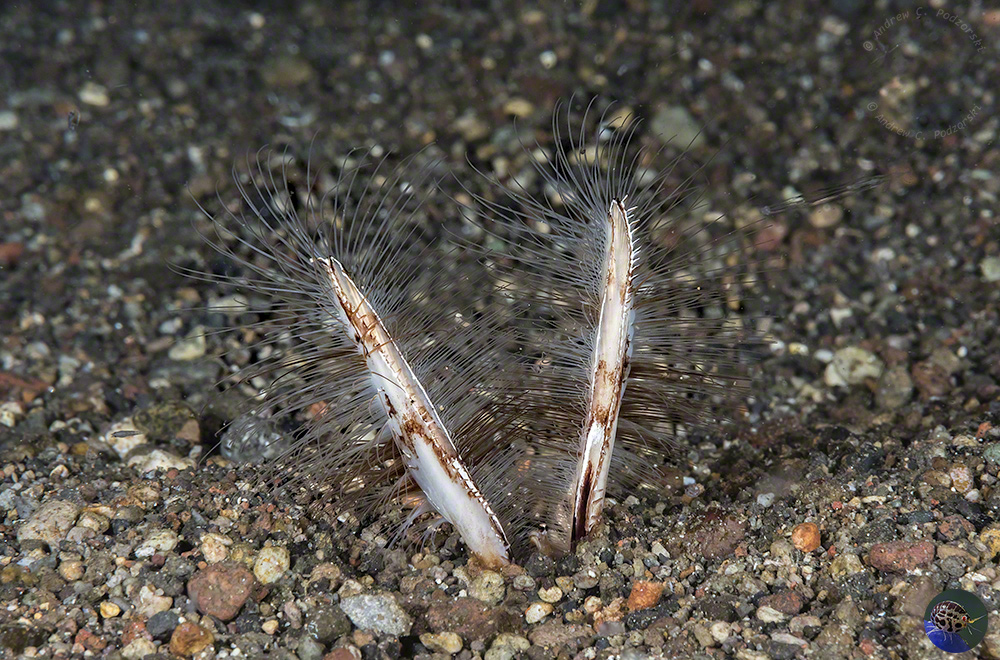
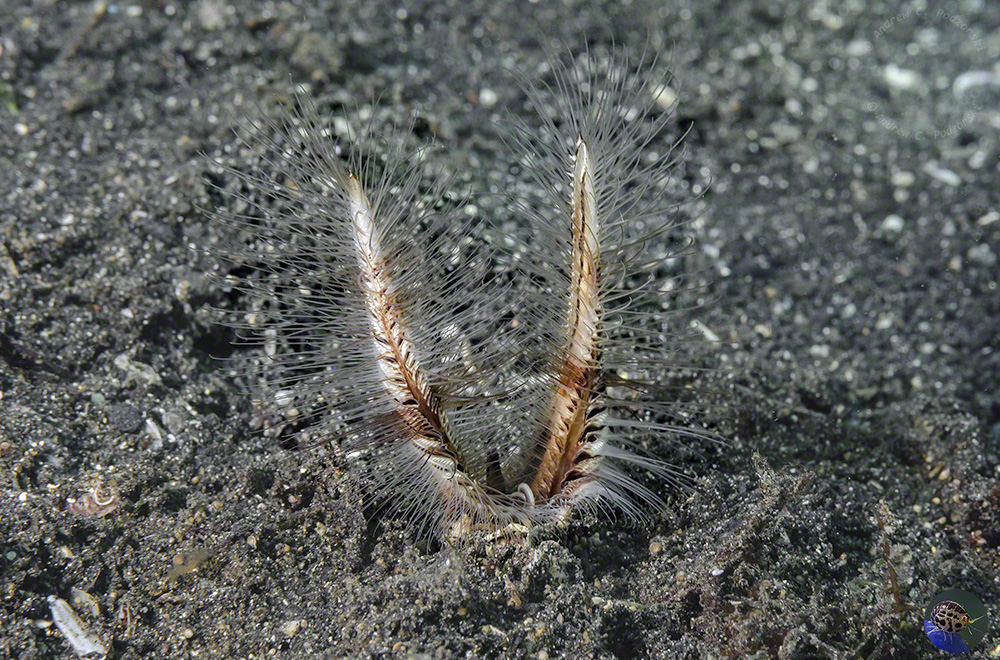
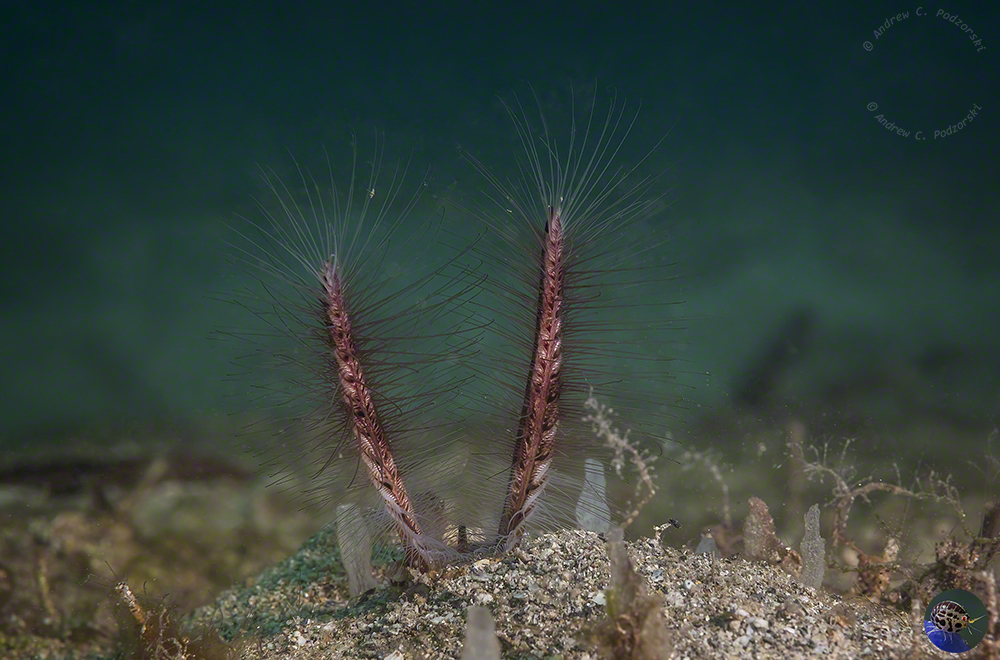
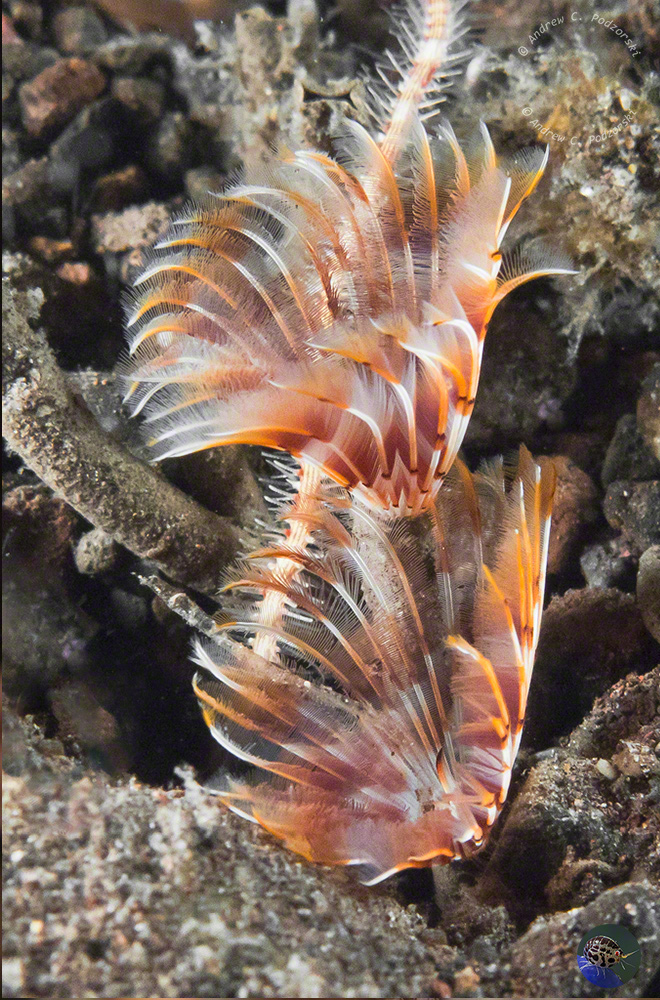
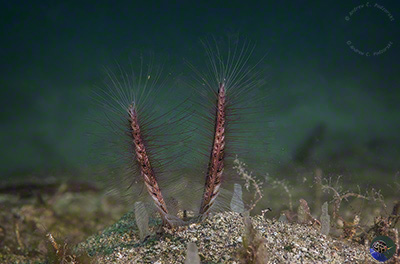
Taking their name from the two "horns" of plankton-filtering hairs, they build their tubes in the same way as Feather-Duster Worms. They are even more sensitive to changes in light intensity, usually disappearing long before you can get close to them.
Feather Duster or Fan Worms
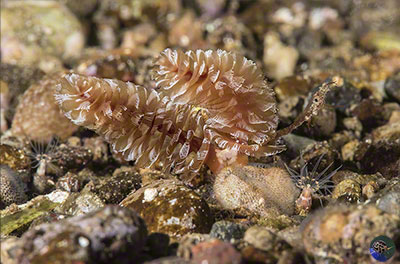
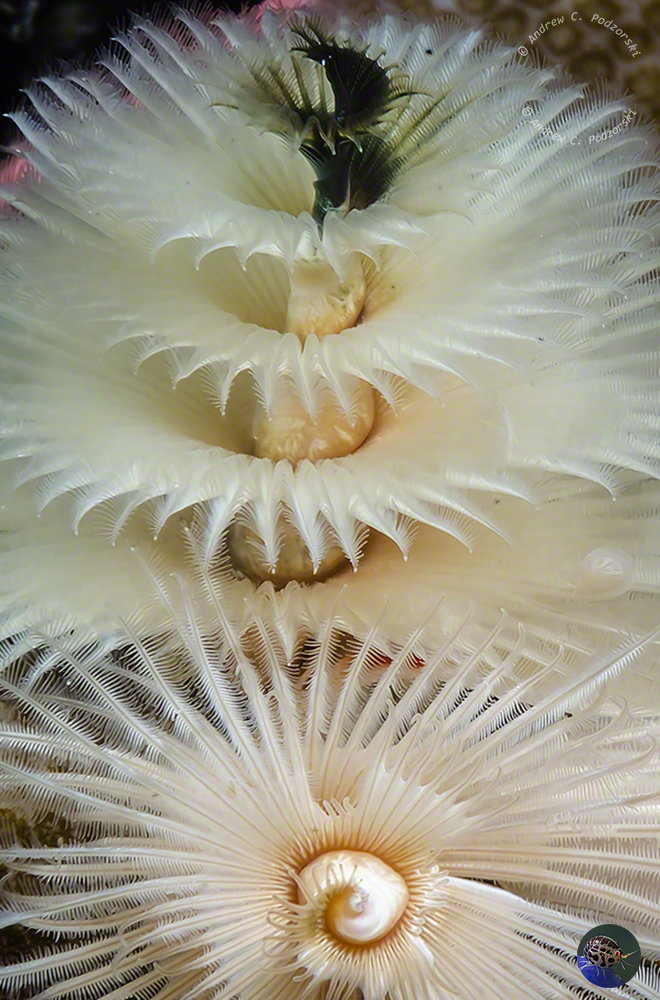
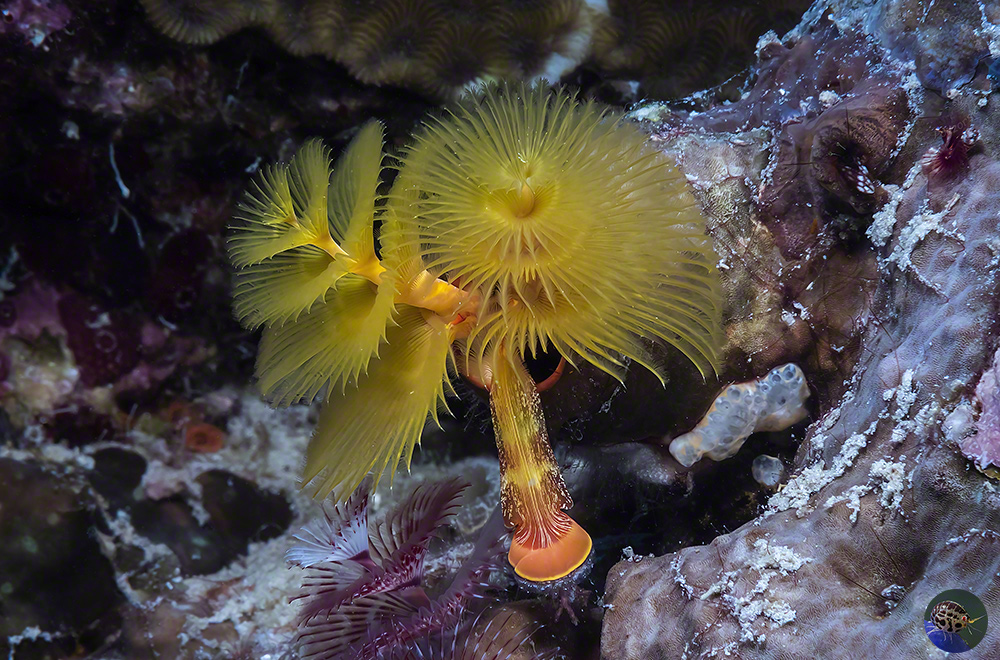
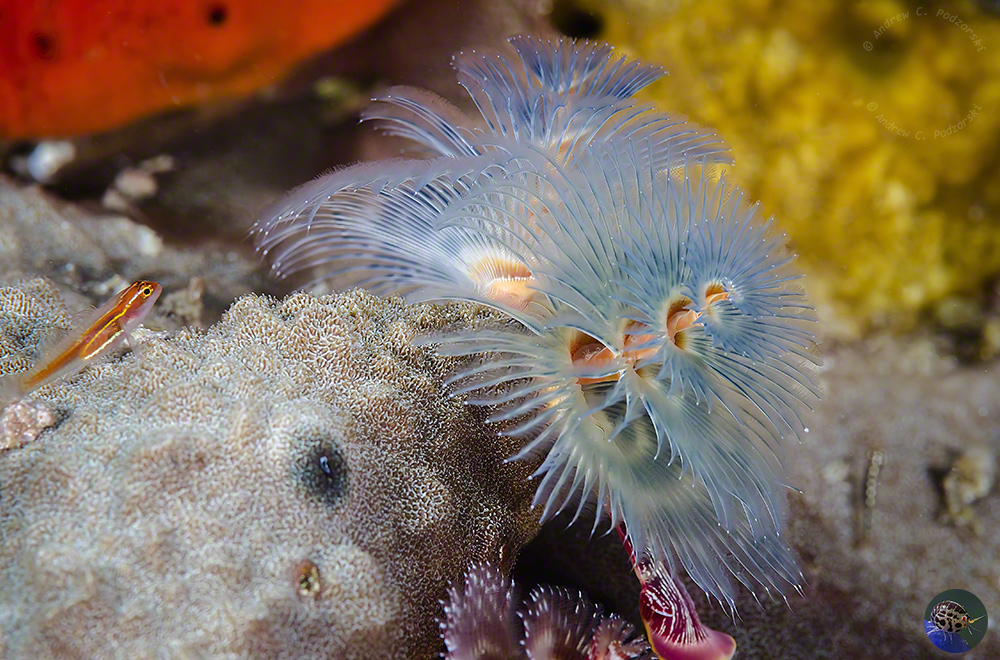
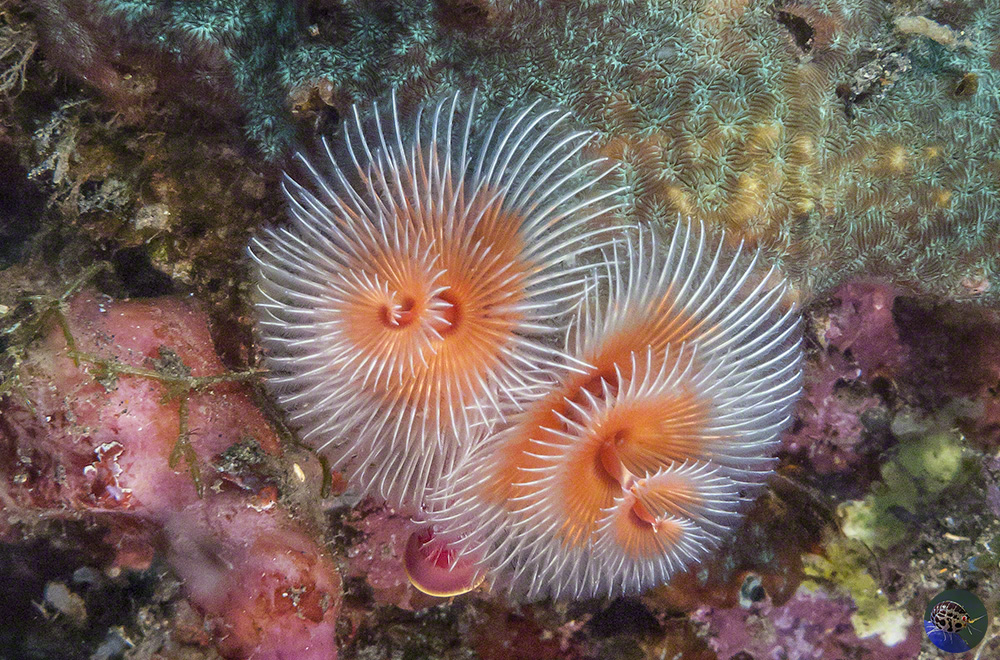
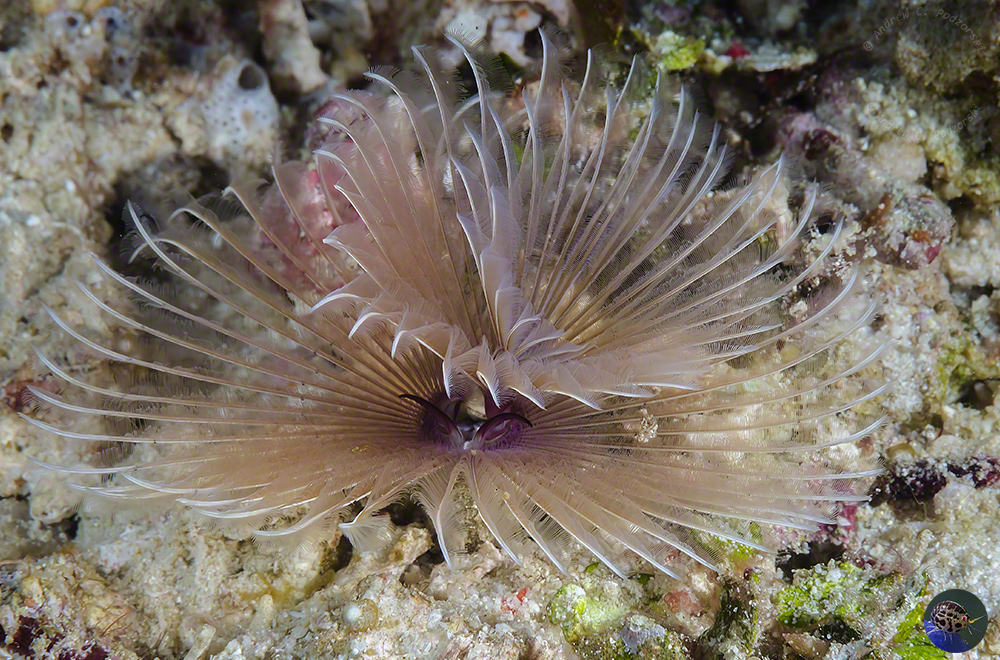
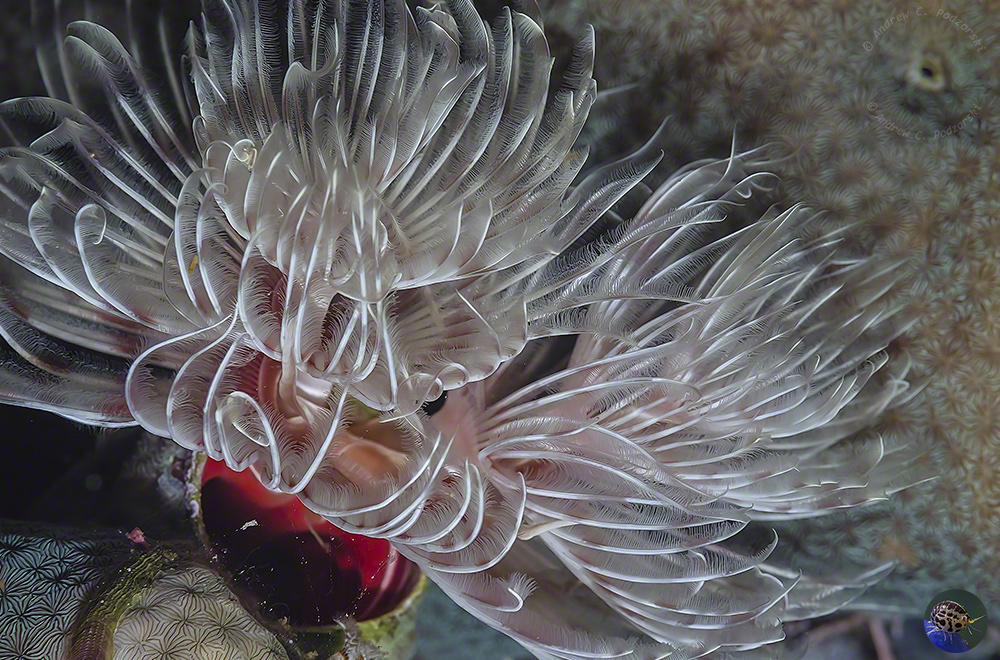
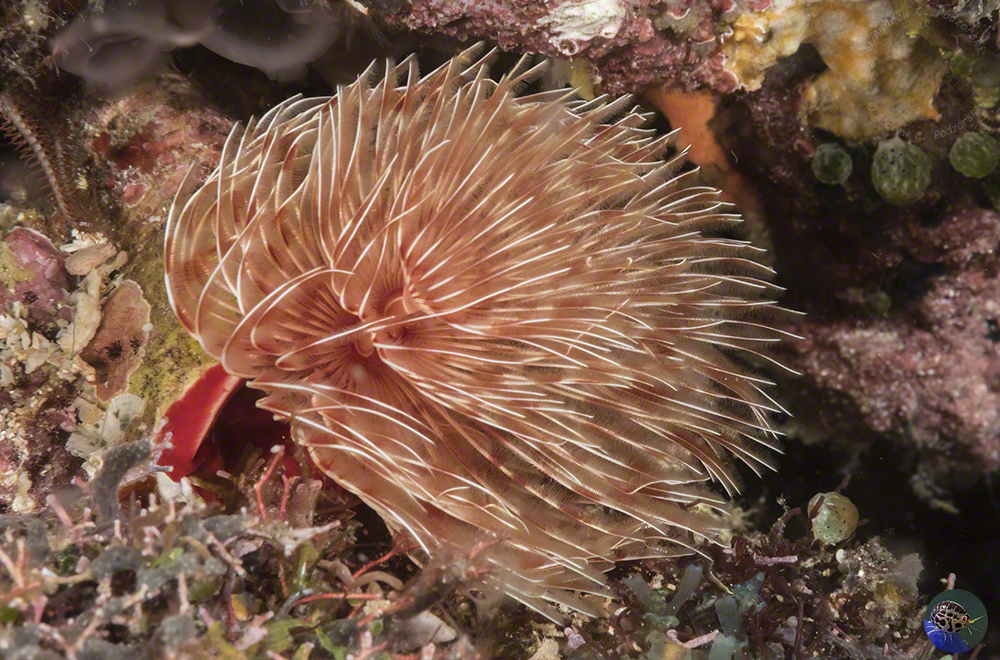
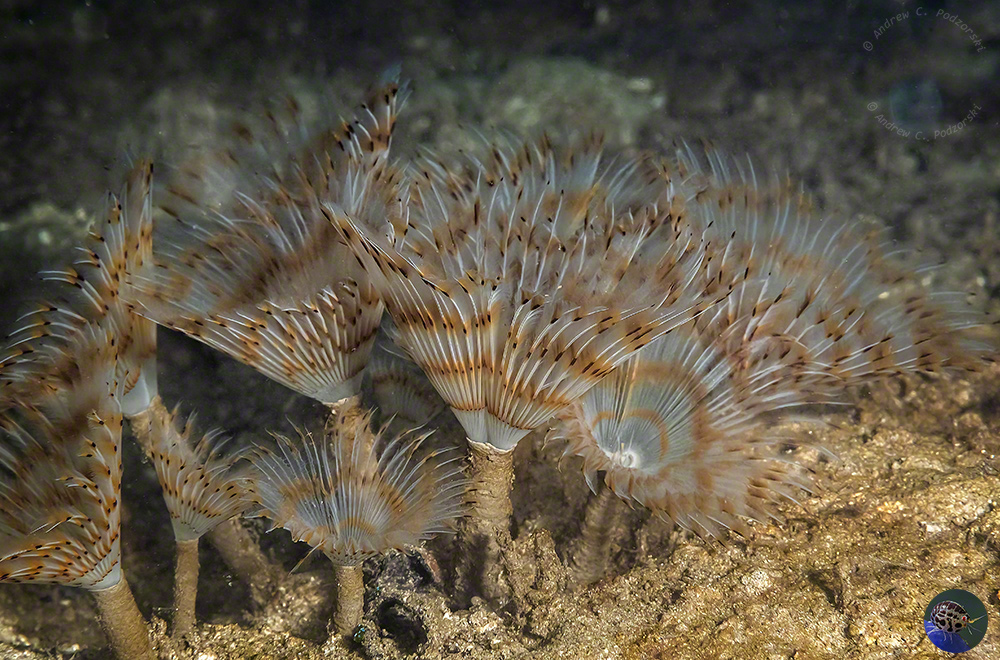
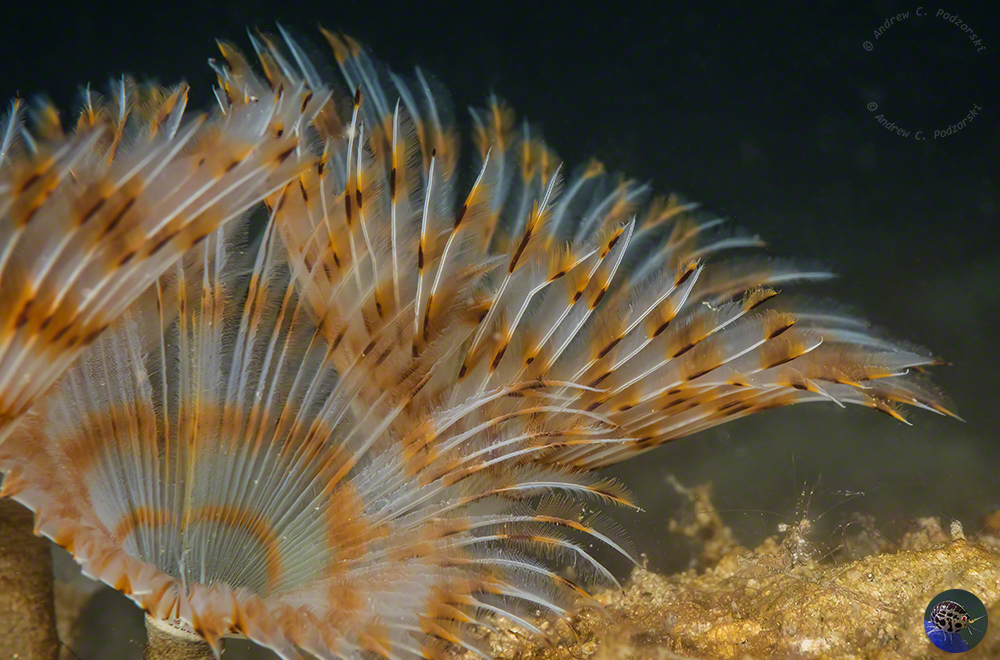
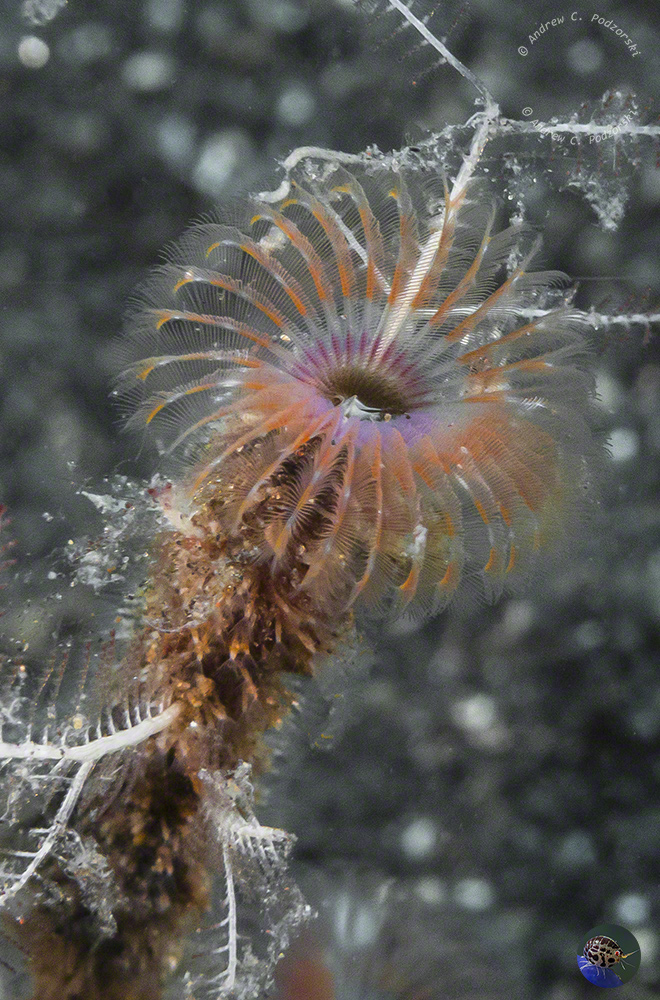
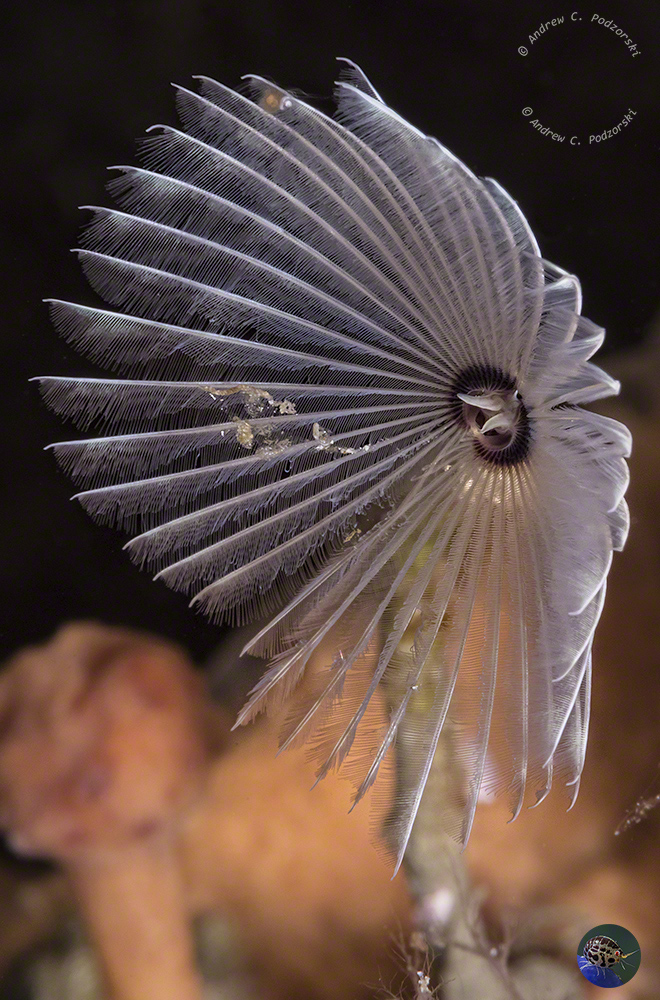
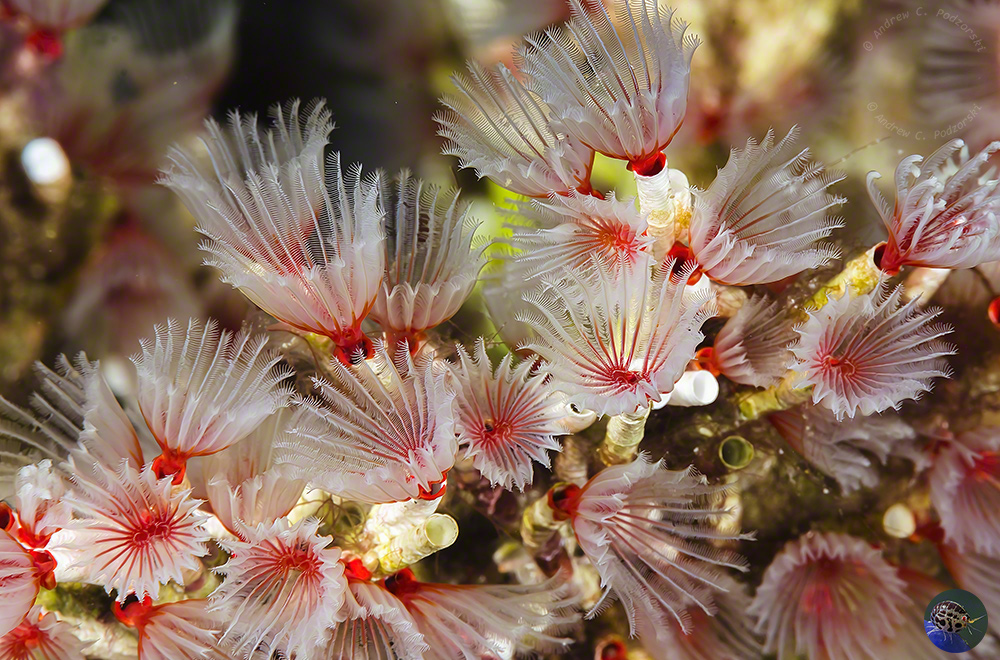
The bodies of these worms are hidden inside tubes built from mud or sandgrains held together with mucous, or as in Pomatostegus, a chalk-like tube in a massive coral colony (though without a protective cap as in the Christmas-tree Worms). They are all colourful, but within a species, not as variable as the Christmas-tree Worms. Very sensitive to changes in light intensity, they retract instantly to light changes.
They are all filter-feeders, capturing plankton from the current-swept habitats they prefer. Their "feather-dusters" also serve as gills.
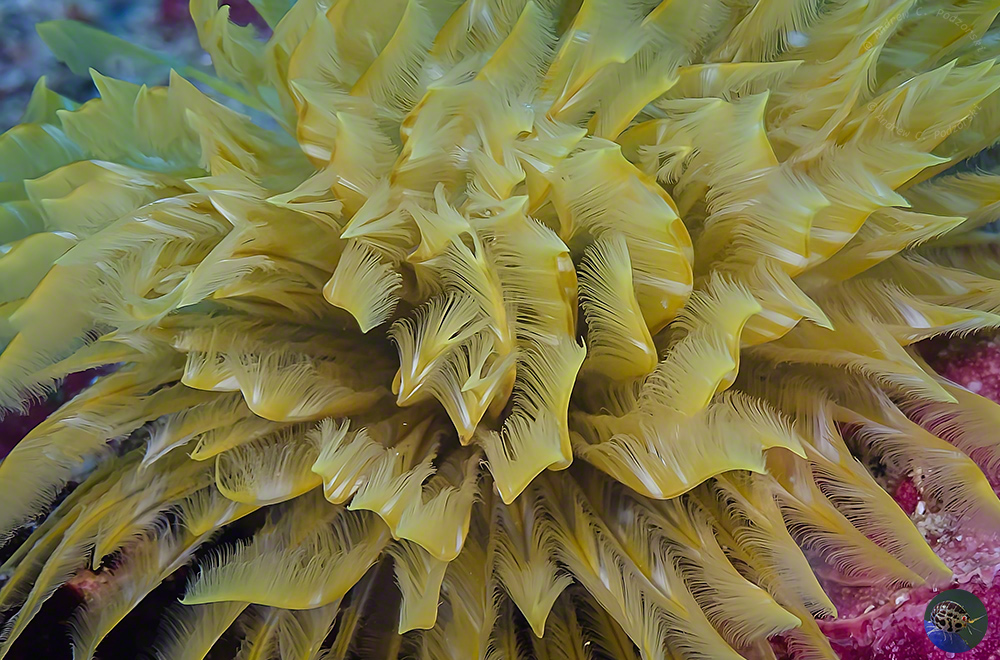
Colony Builders
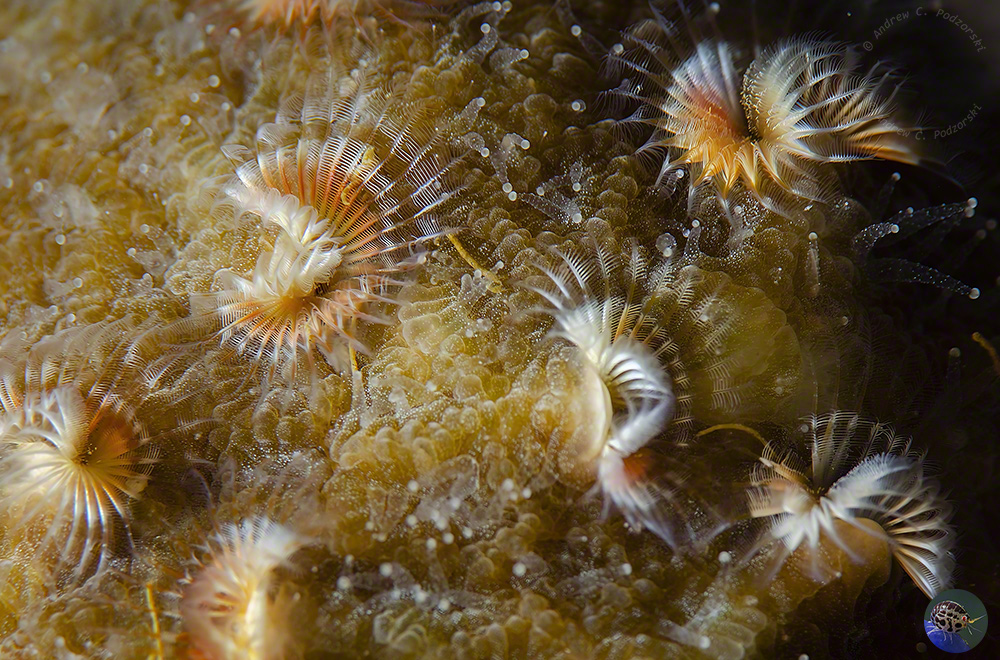
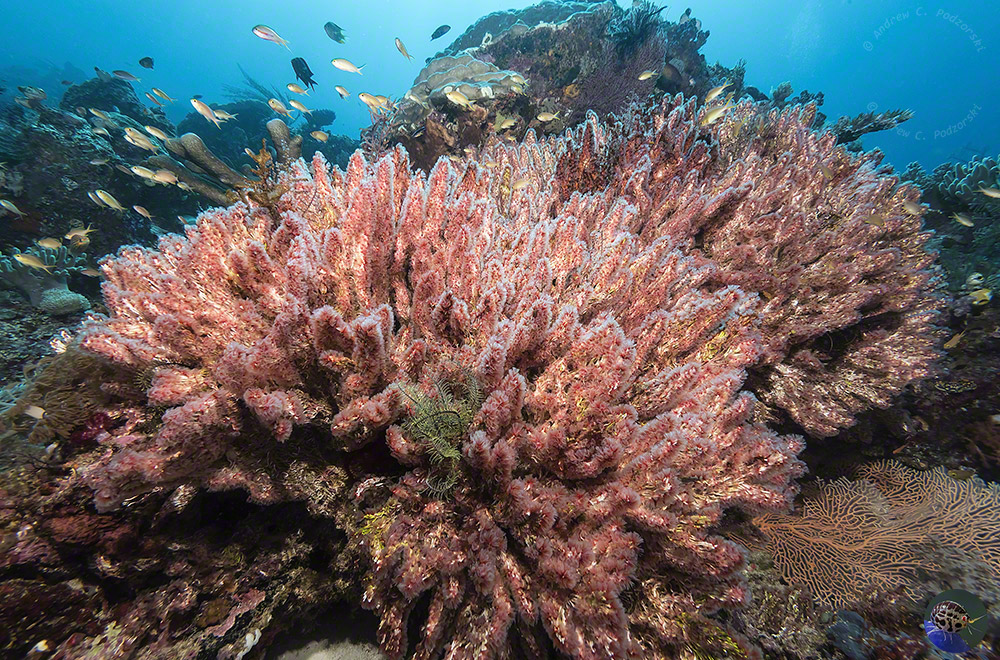
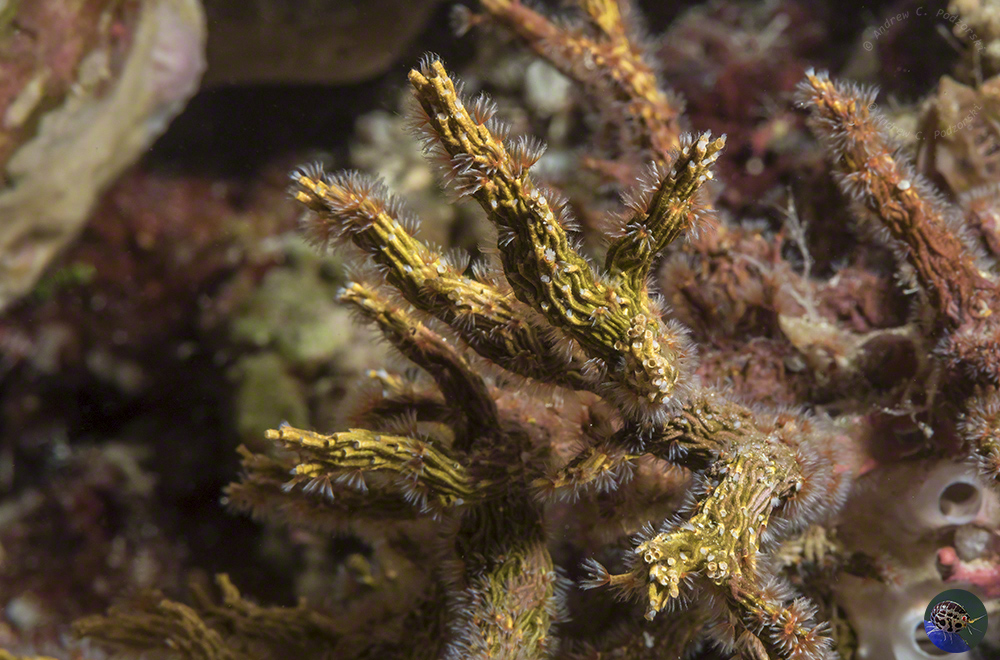
These Feather-Duster Worms are individually rather small, but cement their calcareous tubes together to form branching colonies that can reach a substancial size. They are filter feeders like the other Feather-Duster Worms.
Relatives of these genera live on volcanic deep-sea vents.
Horseshoe Worms
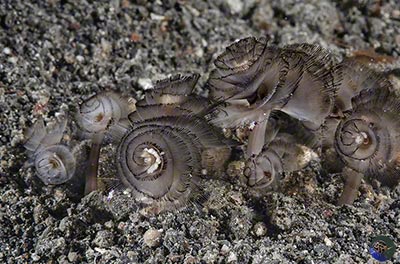
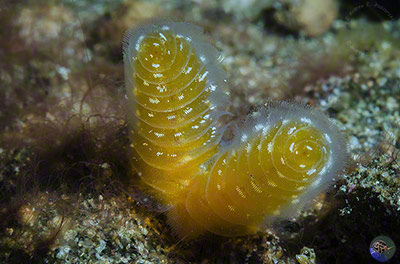
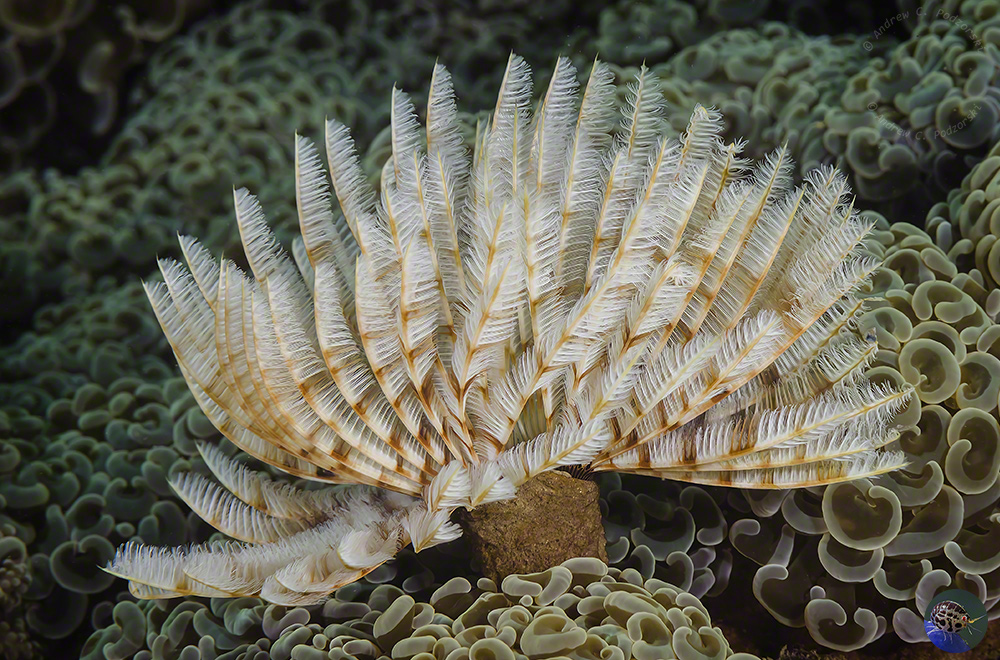
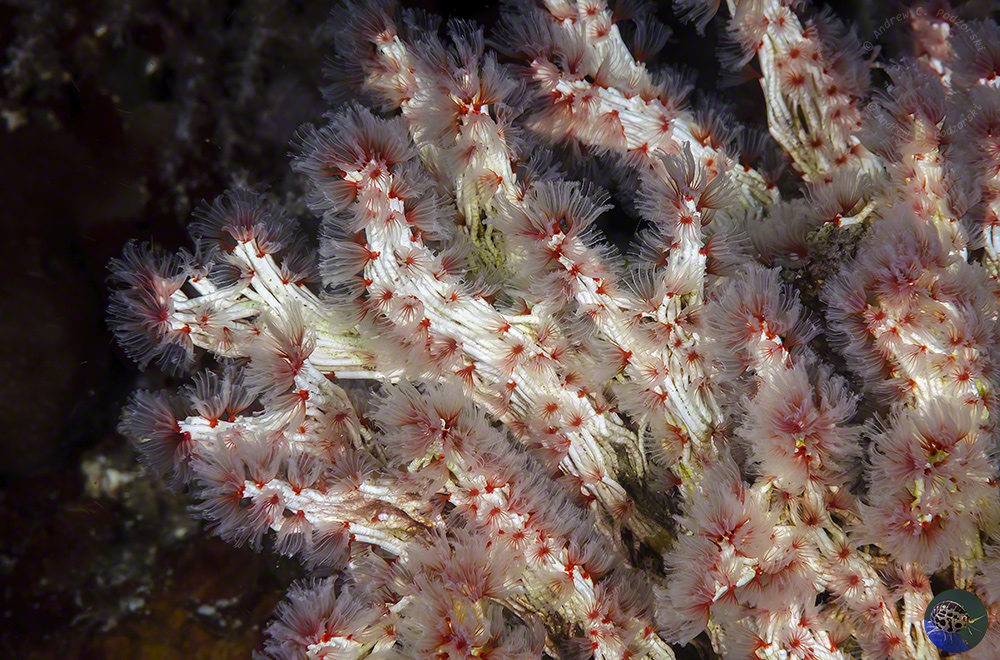
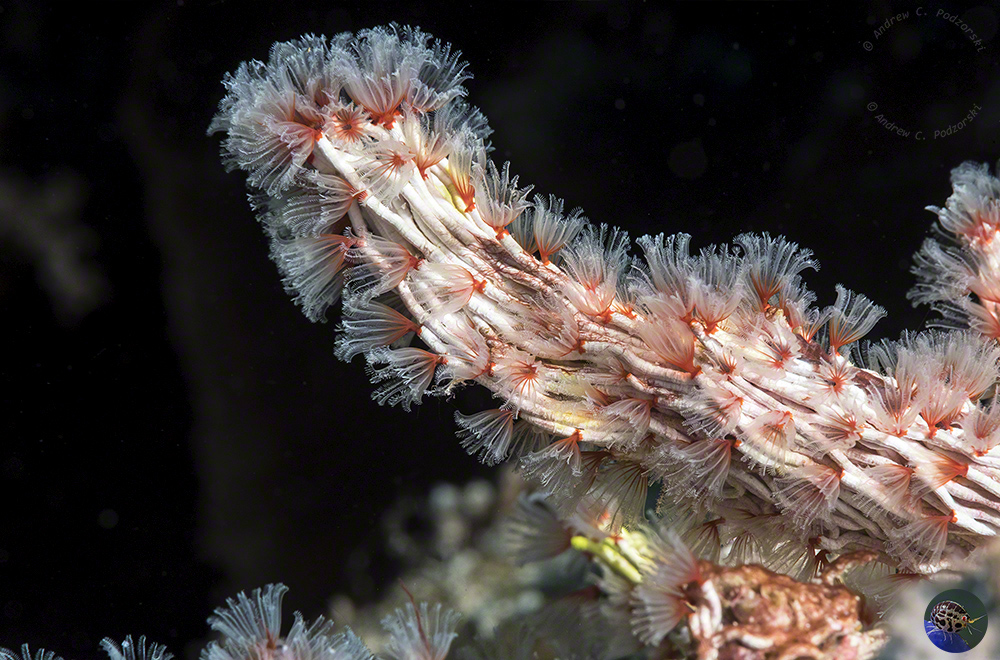
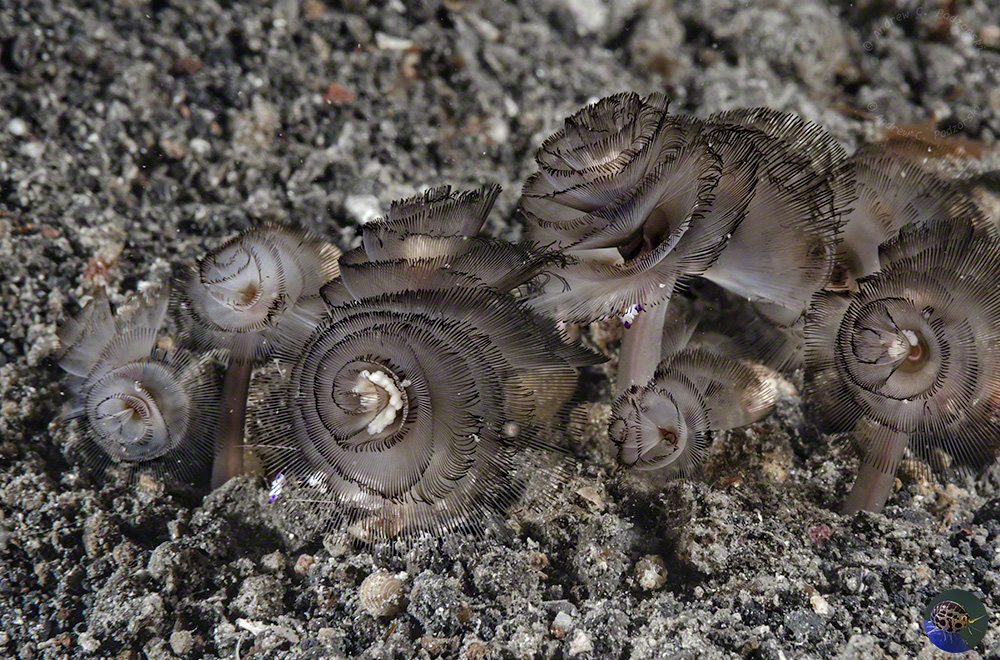
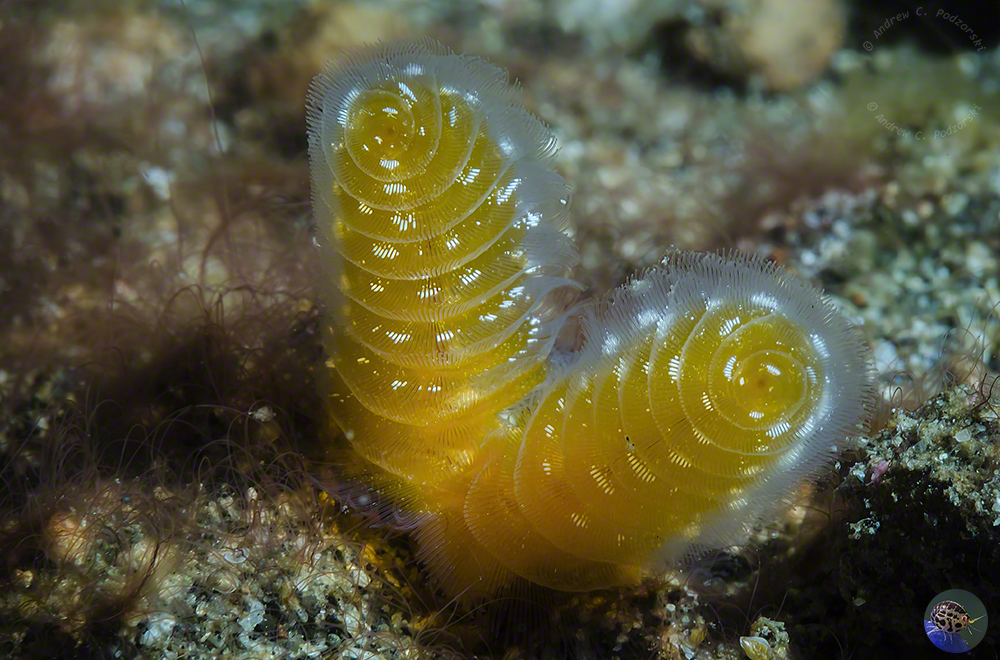
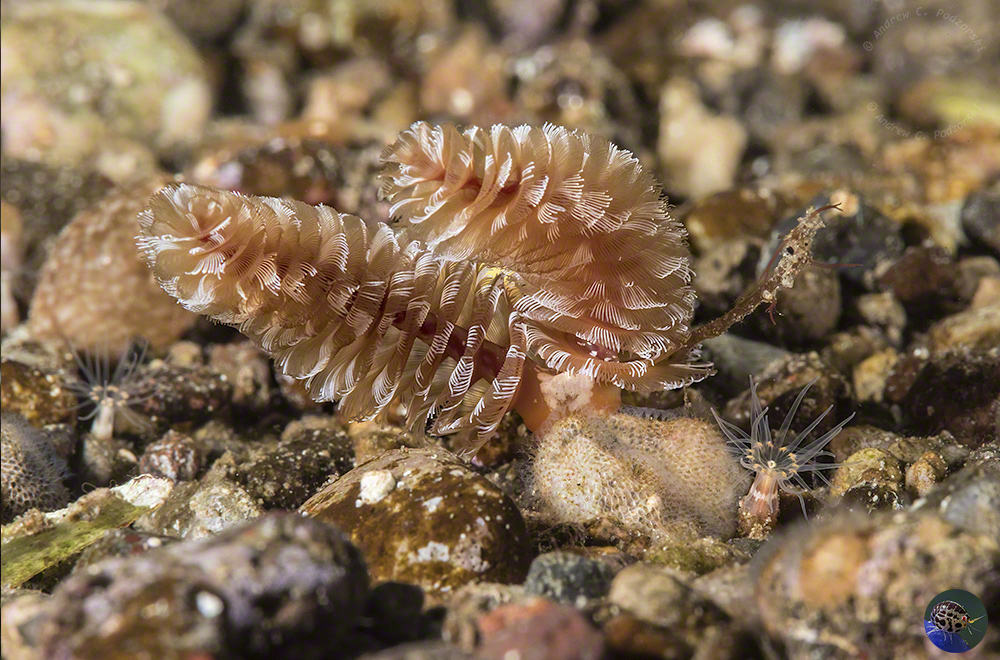
Horseshoe Worms look vers similar to Feather-Duster Worms, but are in fact only remotely related to worms. Their closest relatives are brachiopods! The body has a "bulb" at the base of the tube. This is where the stomach is and is the centre of the circulatory system. Their blood contains haemoglobin, as in mammals, though there are no red blood cells. Haemoglobins' ability to stongly bind oxygen enables Horseshoe Worms to inhabit areas with poor water circulation and low dissolved oxygen levels.
The "fan" is a single structure called a lophophore. Each side is curled into a whorl giving the appearance of two "feather dusters". Blood is pumped through these to pick up oxygen. Minute beating hairs propel any captured food into the stomach. To excrete, the hairs beat in the other direction to bring waste products to the edge of the lophophore.
Helfen Sie, die Riffe zu retten!
Die Organisationen, die sich für den Schutz der Korallenriffe und unserer Ozeane einsetzen, brauchen so viel Unterstützung, wie sie bekommen können. Eine Auswahl:
Wenn Sie Taucher sind, und vor allem, wenn Sie Unterwasserfotograf sind, spenden Sie. Wenn Sie nichts tun, wird es nichts zum Tauchen und nichts zum Fotografieren geben.
Es handelt sich hierbei um Vorschläge, nicht um Bevorzugung der vorgeschlagenen Organisationen. Es liegt in Ihrer Verantwortung, die Wohltätigkeitsorganisationen, an die Sie spenden möchten, zu überprüfen und zu kontrollieren.
Christmas Tree
Christmas Tree Worms
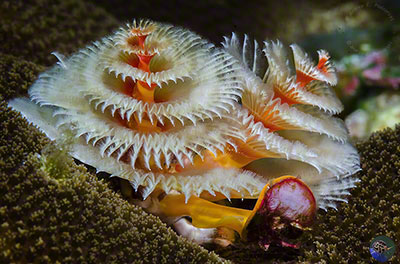
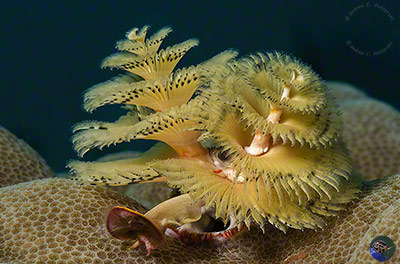
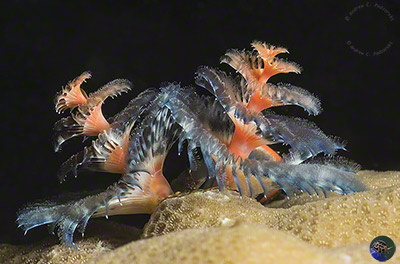
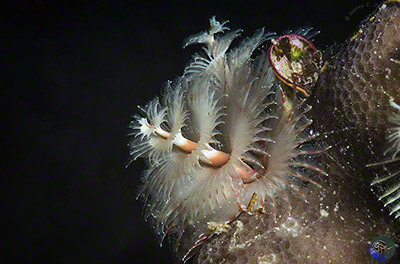
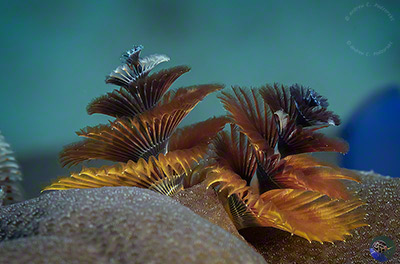
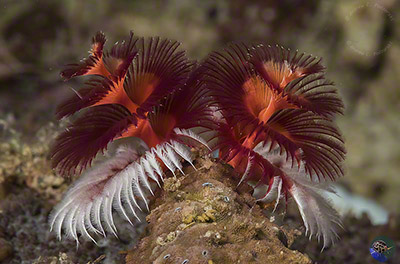
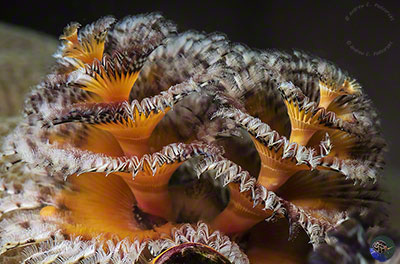
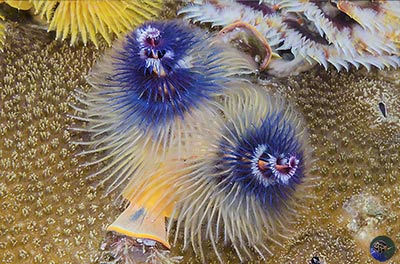
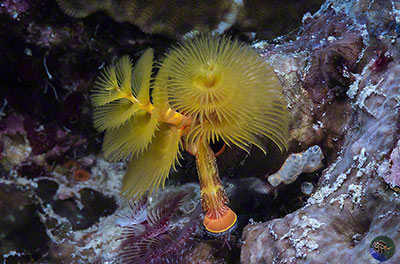
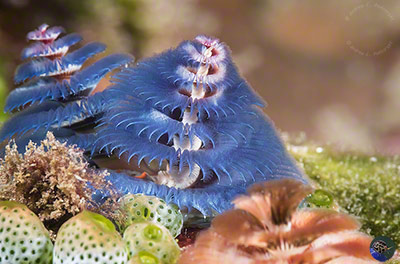
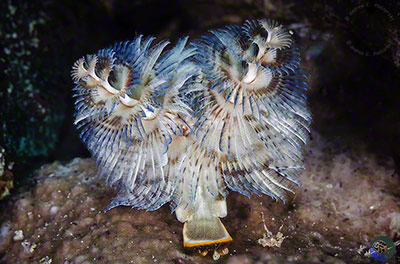
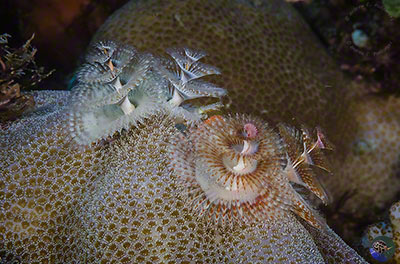
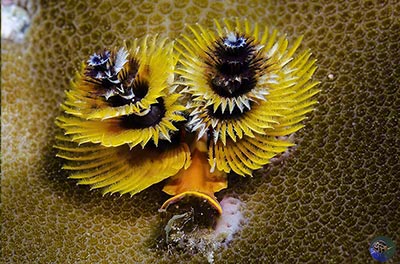
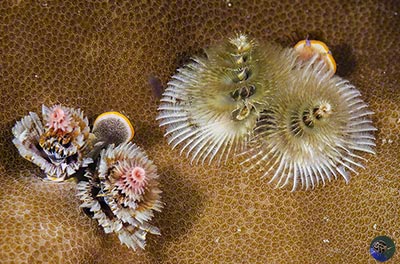
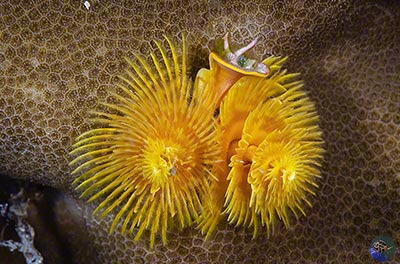
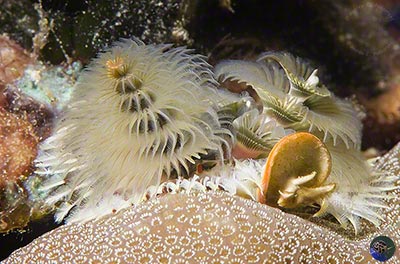
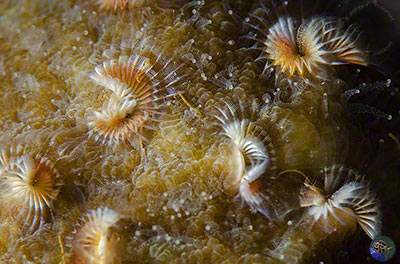
The tremendously colourful "christmas trees" of these worms are both complex feeding and breathing organs. The body of the worm itself is protected by the massive skeleton of the coral that it grew up in.
What sets this genus apart from the other fan worms is that they have a "chalk" cap to their tube. When danger treatens, the worms instantly retract and seal the tube with the cap, which is has a forked sharp spine.
Devil Worms
Devil Worms
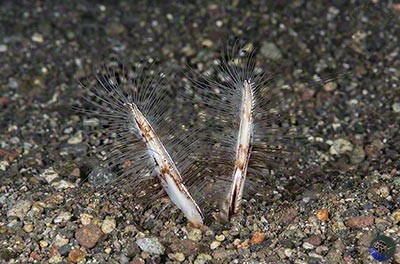
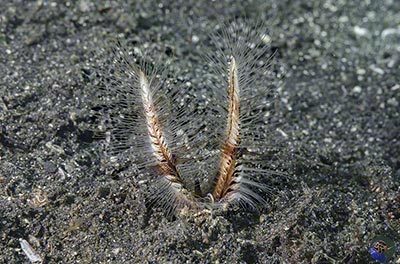
Taking their name from the two "horns" of plankton-filtering hairs, they build their tubes in the same way as Feather-Duster Worms. They are even more sensitive to changes in light intensity, usually disappearing long before you can get close to them.
Feather Duster Worms
Feather Duster Worms
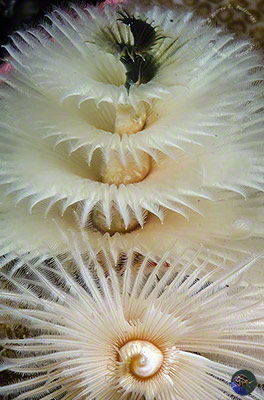
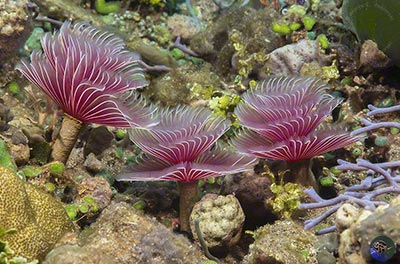
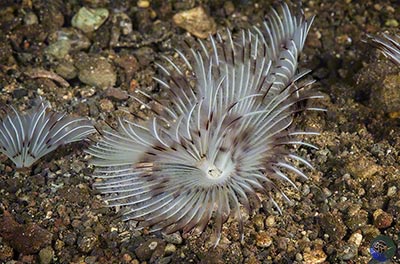
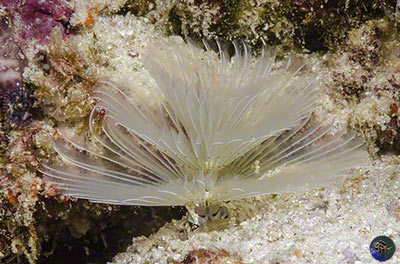
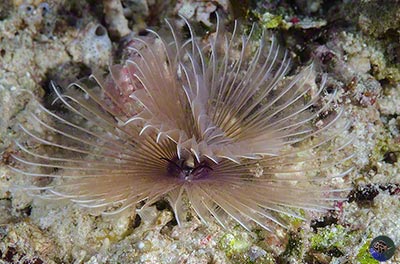
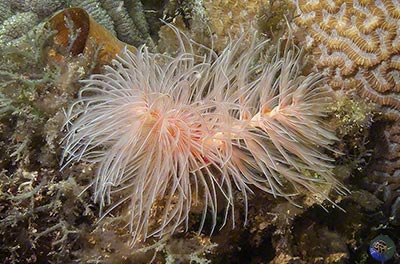
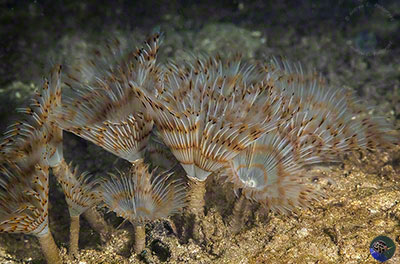
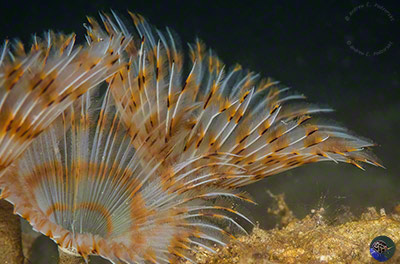
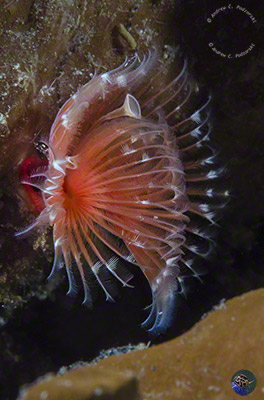
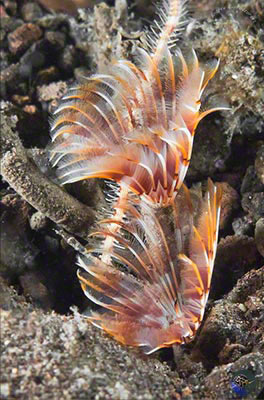
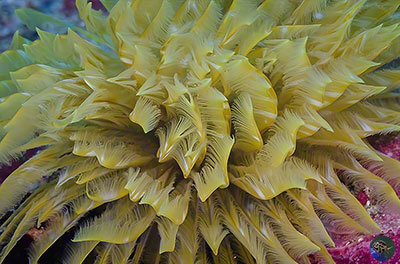
The bodies of these worms are hidden inside tubes built from mud or sandgrains held together with mucous, or as in Pomatostegus, a chalk-like tube in a massive coral colony (though without a protective cap as in the Christmas-tree Worms). They are all colourful, but within a species, not as variable as the Christmas-tree Worms. Very sensitive to changes in light intensity, they retract instantly to light changes.
They are all filter-feeders, capturing plankton from the current-swept habitats they prefer. Their "feather-dusters" also serve as gills.
Colony Builders
Colony Builders
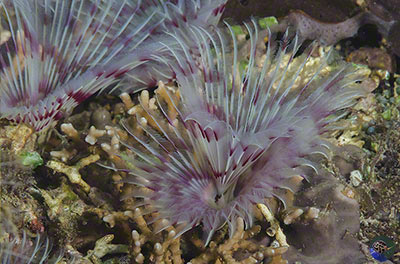
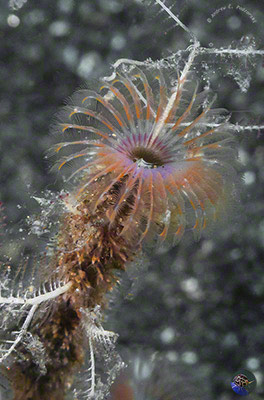
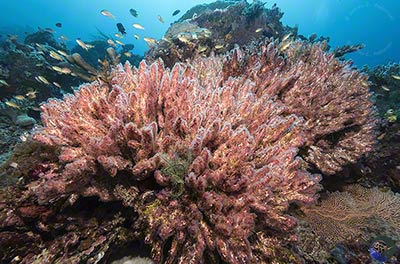
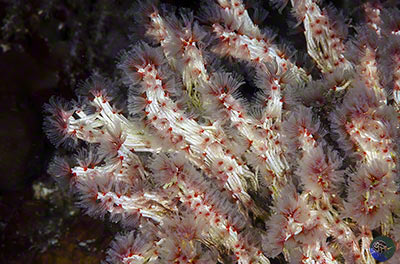
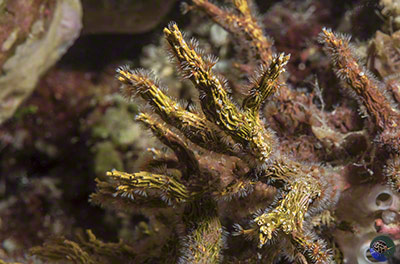
These Feather-Duster Worms are individually rather small, but cement their calcareous tubes together to form branching colonies that can reach a substancial size. They are filter feeders like the other Feather-Duster Worms.
Relatives of these genera live on volcanic deep-sea vents.
Horseshoe Worms
Horseshoe Worms
Horseshoe Worms look vers similar to Feather-Duster Worms, but are in fact only remotely related to worms. Their closest relatives are brachiopods! The body has a "bulb" at the base of the tube. This is where the stomach is and is the centre of the circulatory system. Their blood contains haemoglobin, as in mammals, though there are no red blood cells. Haemoglobins' ability to stongly bind oxygen enables Horseshoe Worms to inhabit areas with poor water circulation and low dissolved oxygen levels.
The "fan" is a single structure called a lophophore. Each side is curled into a whorl giving the appearance of two "feather dusters". Blood is pumped through these to pick up oxygen. Minute beating hairs propel any captured food into the stomach. To excrete, the hairs beat in the other direction to bring waste products to the edge of the lophophore.