Reef Stories

Hunting Worms
Voracious & aggressive!
Hunting Worms
Worm Index
Worm
Bobbit Worms
Bristle Worms
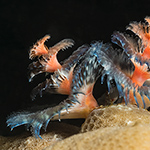
Christmas Tree
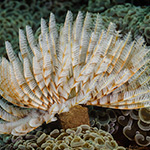
Feather-Duster Worms
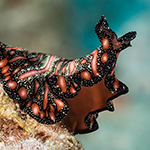
Flatworms
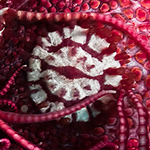
Myzostomid Worms
Horseshoe Worms
Ribbon Worms
Scale Worms
Colonial Tube-Builders
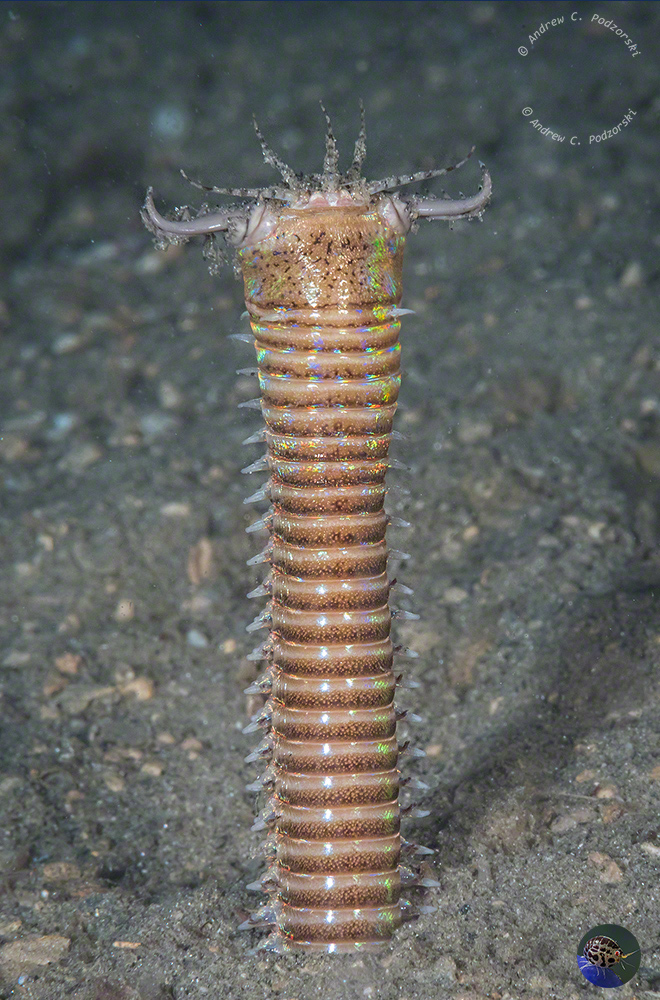
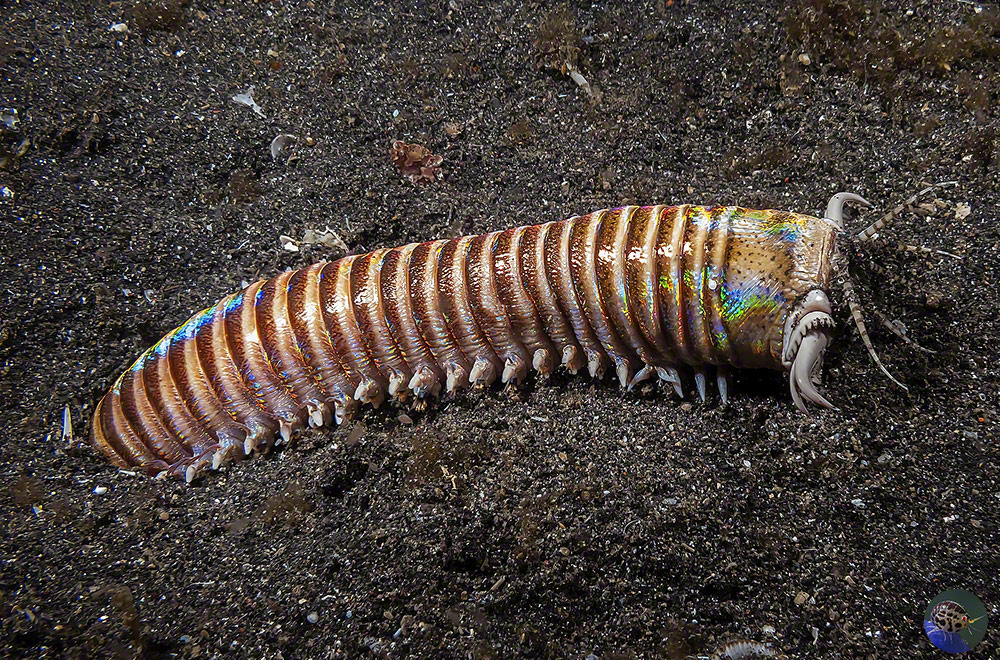
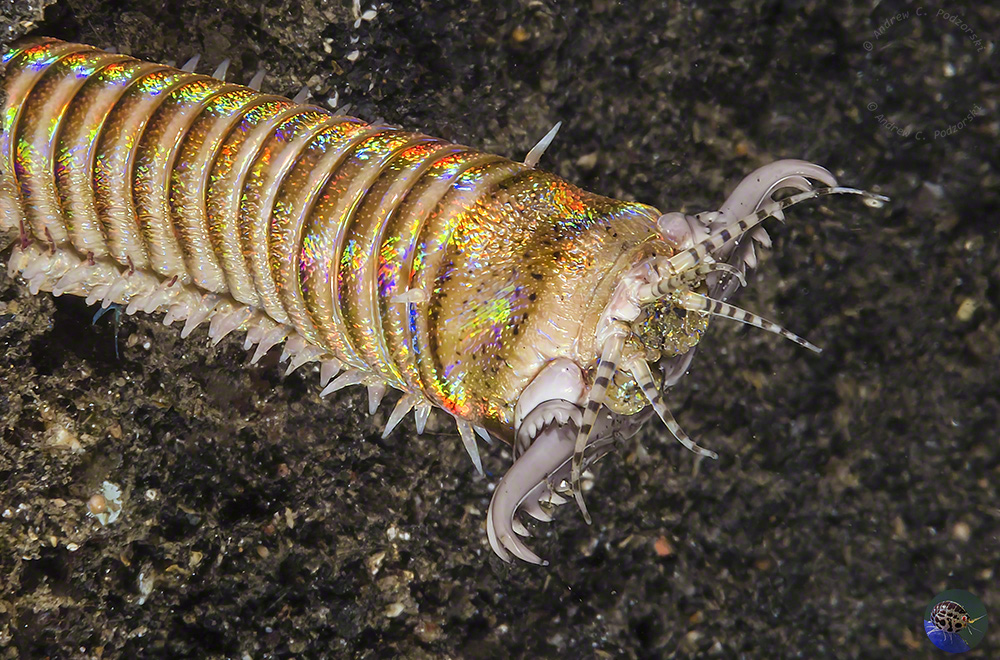
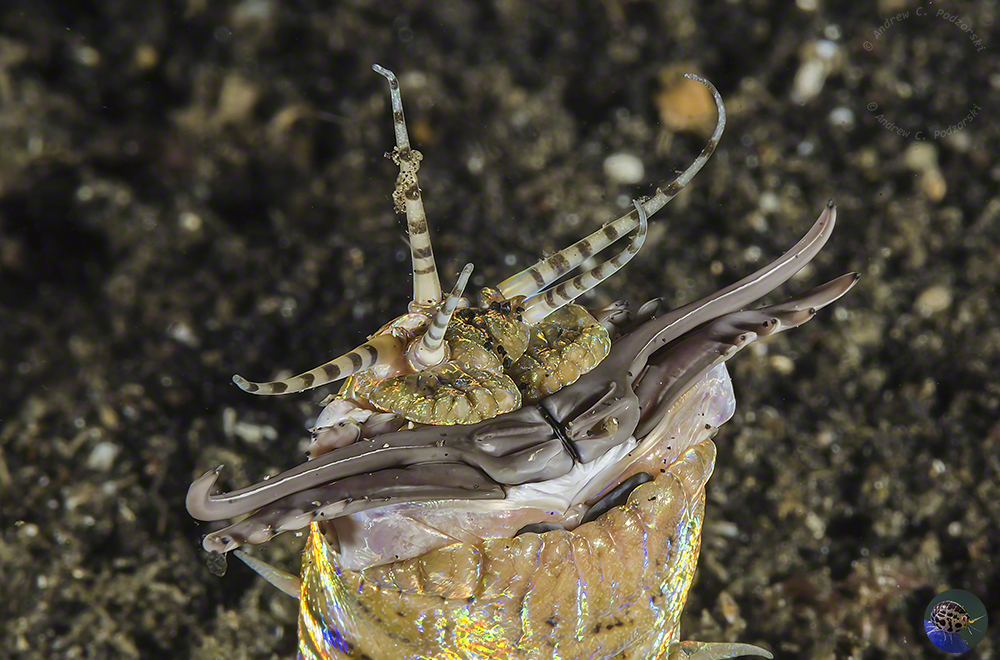
The worms shown here all actively hunt for food. They range from the benign Spaghetti Worms (Terebellidae) whose tentacles creep over the surface gathering detritus, to the two meter long monster Bobbit Worms that can shoot 30 cm out of their burrows to cartch fish in their 5cm wide jaws.
Submit
Showing results for
1 result
results
Nothing found
Common words are largely ignored
Search too short
Should be 3 characters or more
Bobbit Worms
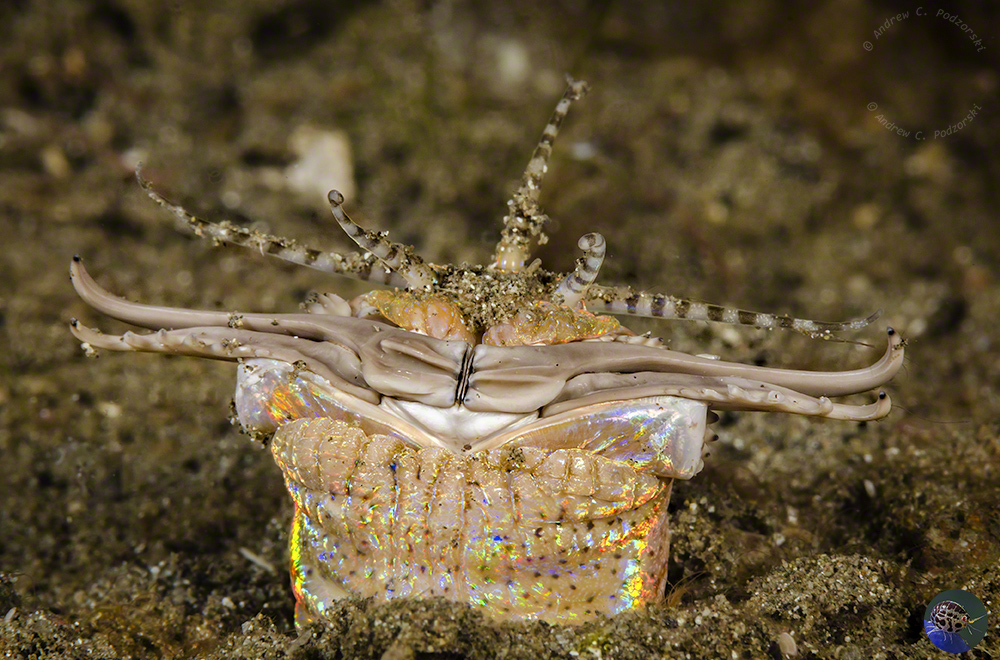
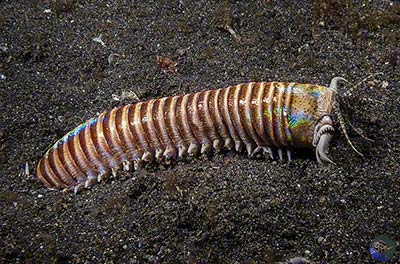
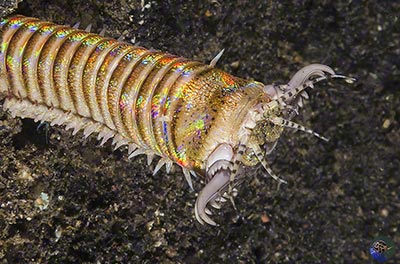
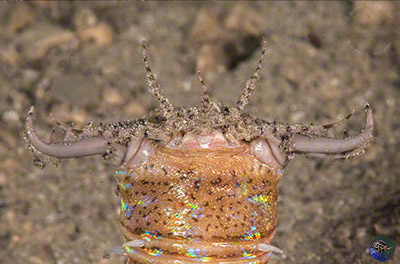
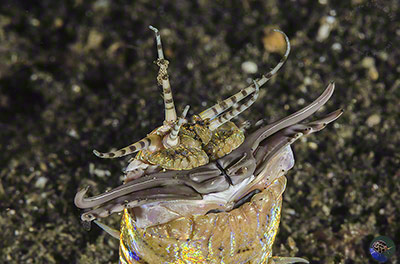
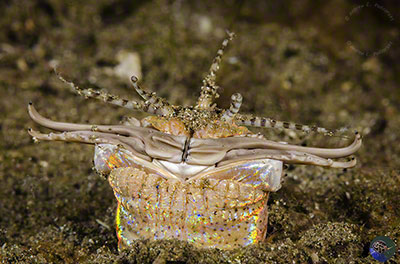
The huge Bobbit Worms with their powerful wide jaws and shimmering gold bodies could be the sandworms of Dune.
Detritis Feeders
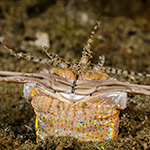
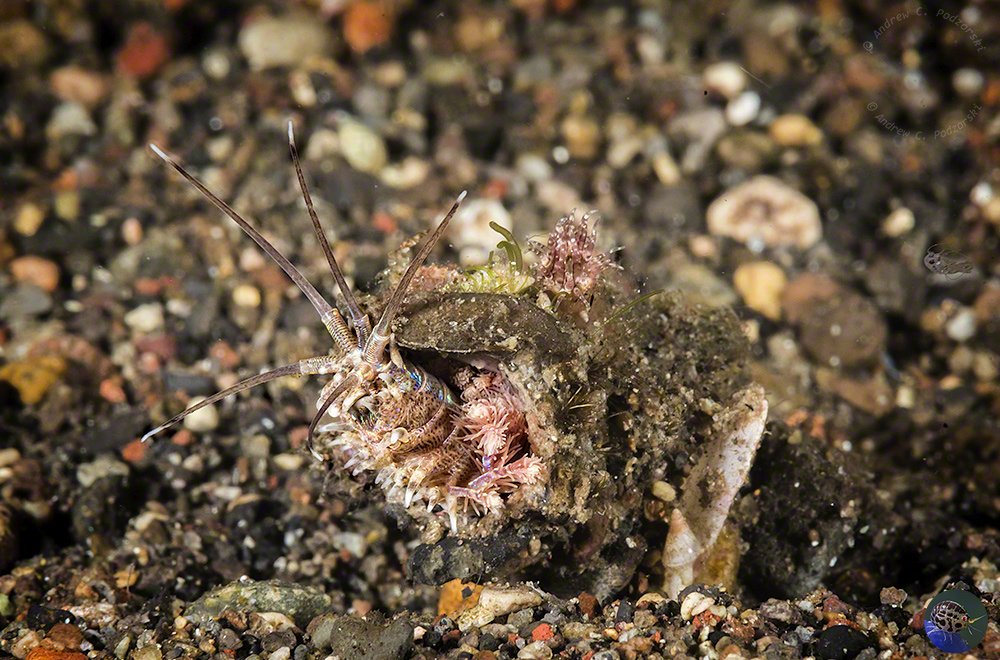
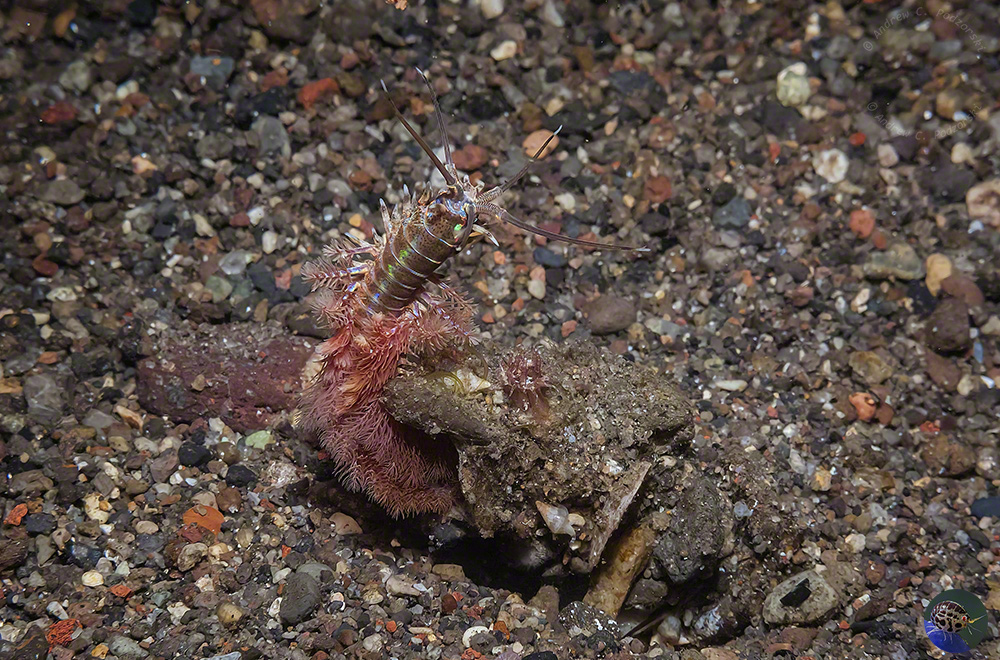
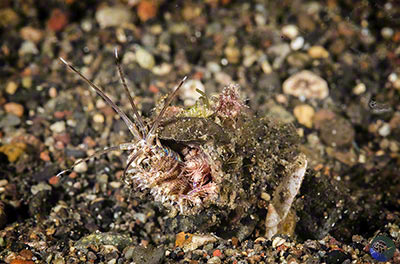
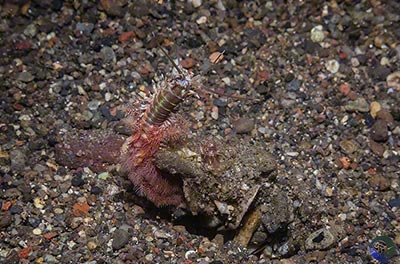
Diopatra has an irridescant gold front part of the body, while the rear part carries long arrays of bright pink gills. It makes a large tube of sediment, coarse sand, and shell fragments bound together with mucous. This mini-reef attracts small reef dwellers seeking protection, only to be engulfed by the worm dashing out and grabbing the hapless animal in ist jaws.
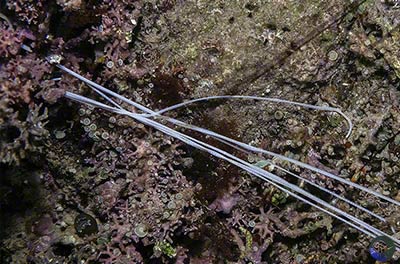
Spaghetti Worms (Terebella) hide their bodies in the reef and extend their long tentacles in all directions to gather detritus.
The strange Spoon Worms (Echiuroidea) have a similar feeding strategy, but they have a single proboscis with two branches for skimming the rubble and mud surface for food.
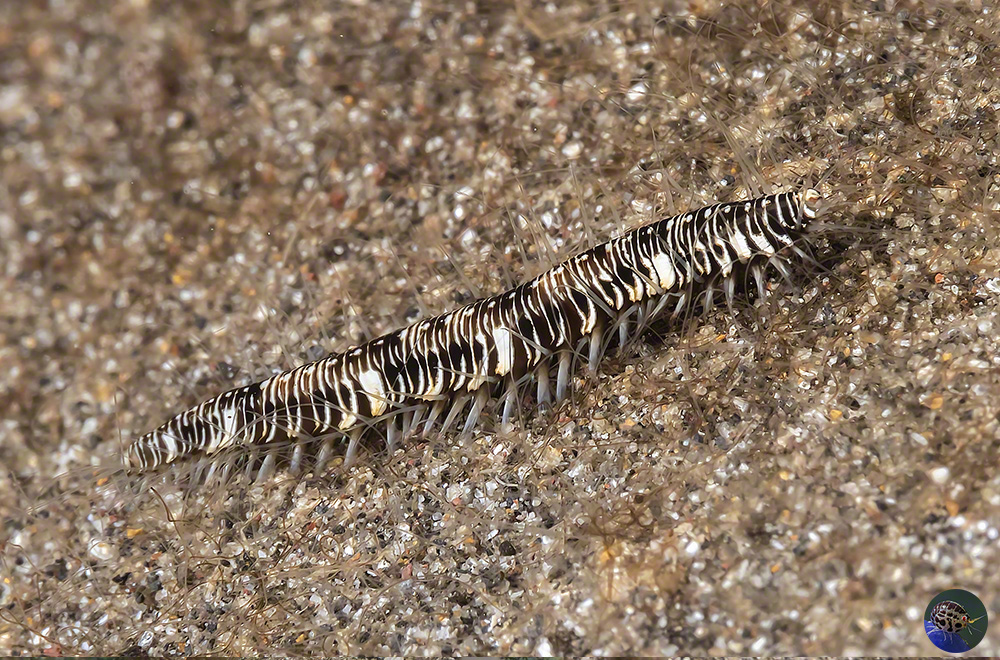
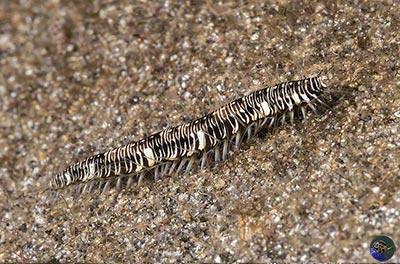
The small Ophiodromis worms are sometimes found in large numbers crawling over sediments. Little is known about their biology.
Fire Worms
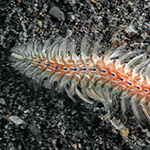
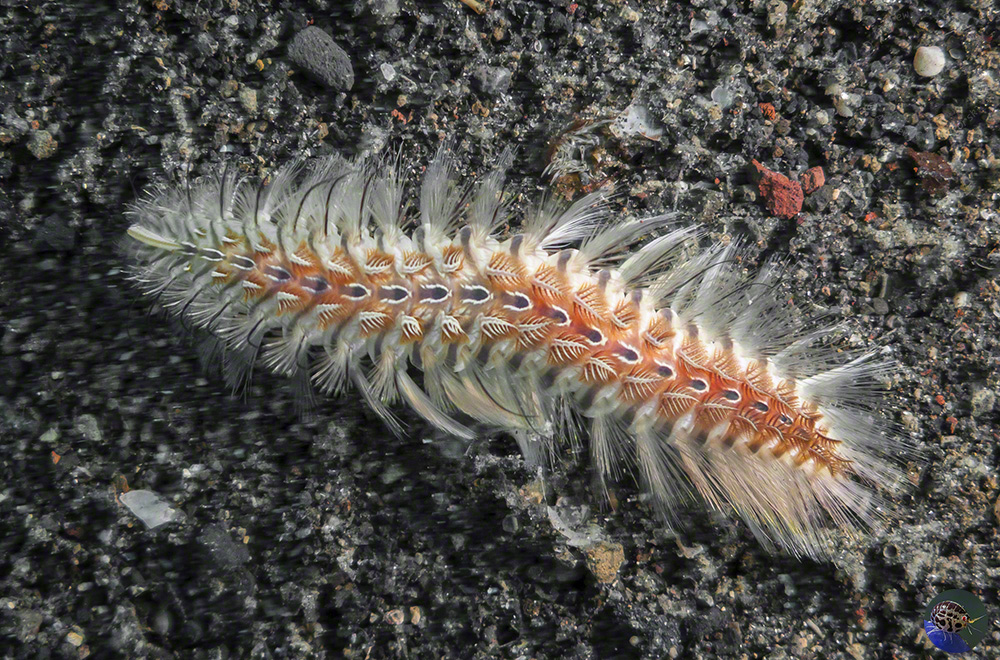
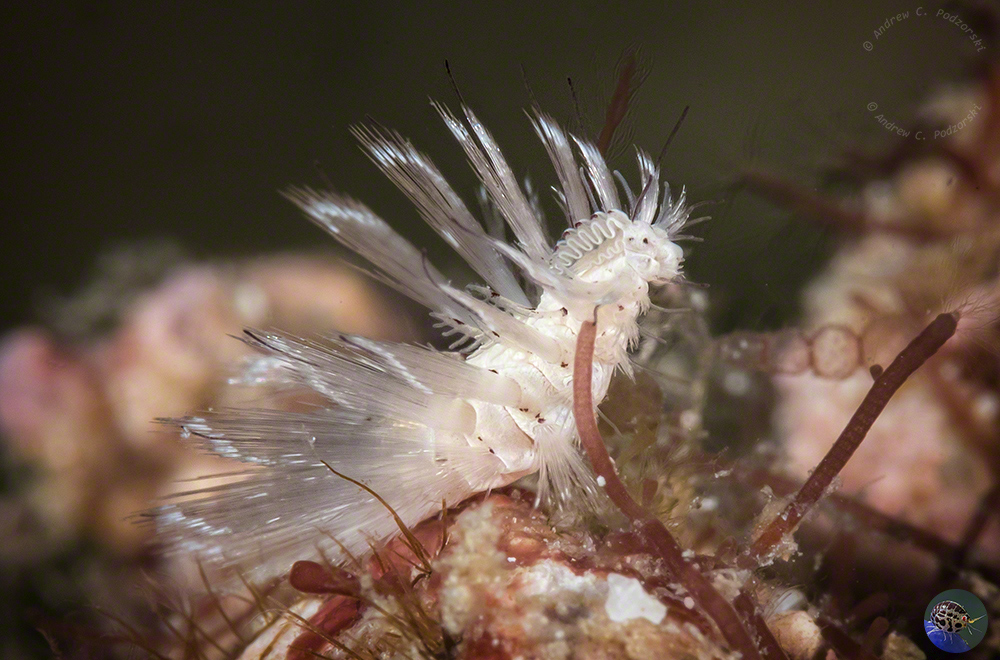
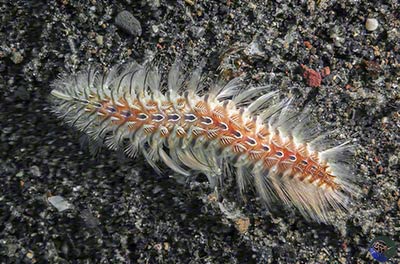
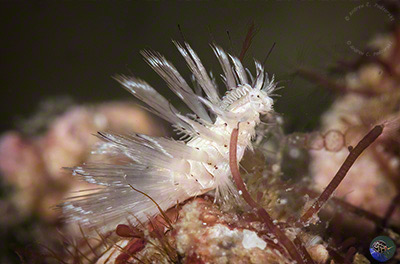
The name Fire Worm comes from the intense burning pain they inflict when touched. Their bodies are covered with tufts of razor-sharp calcium carbonate needles covered in a potent toxin. These form a very effective defense against predators. They actively scavenge on reefs at night.
Flying Saucer Worms
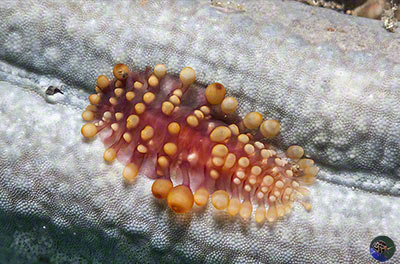
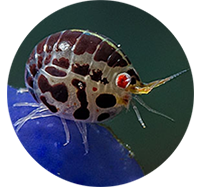
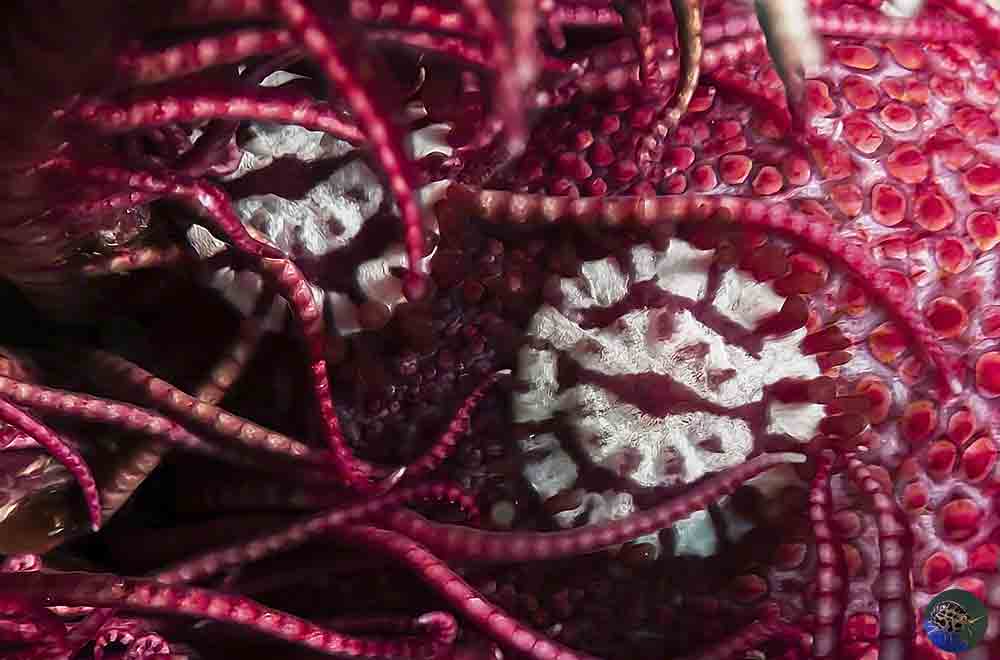
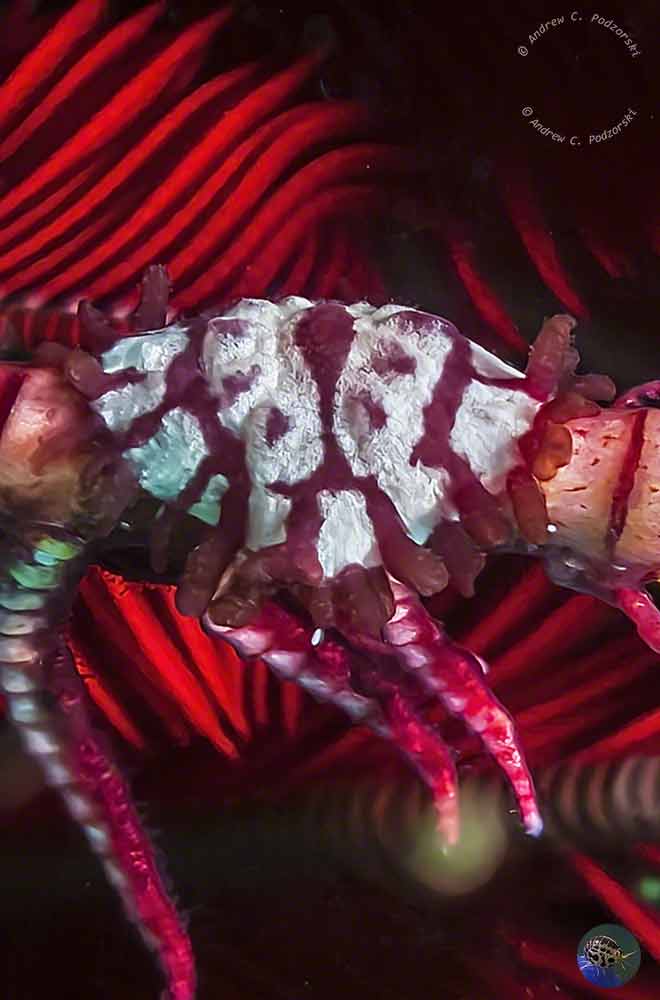
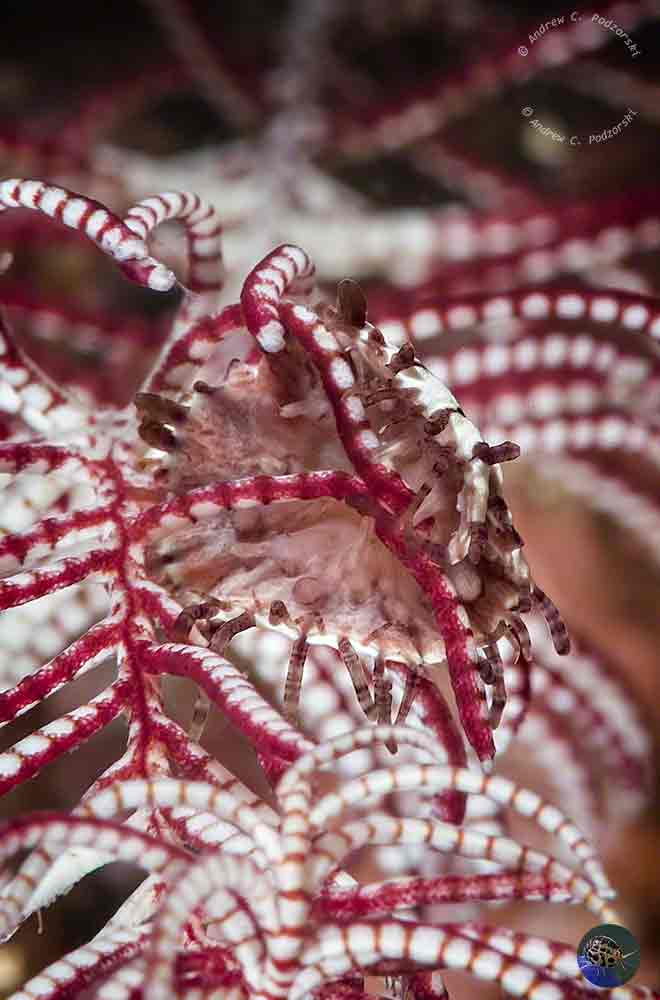
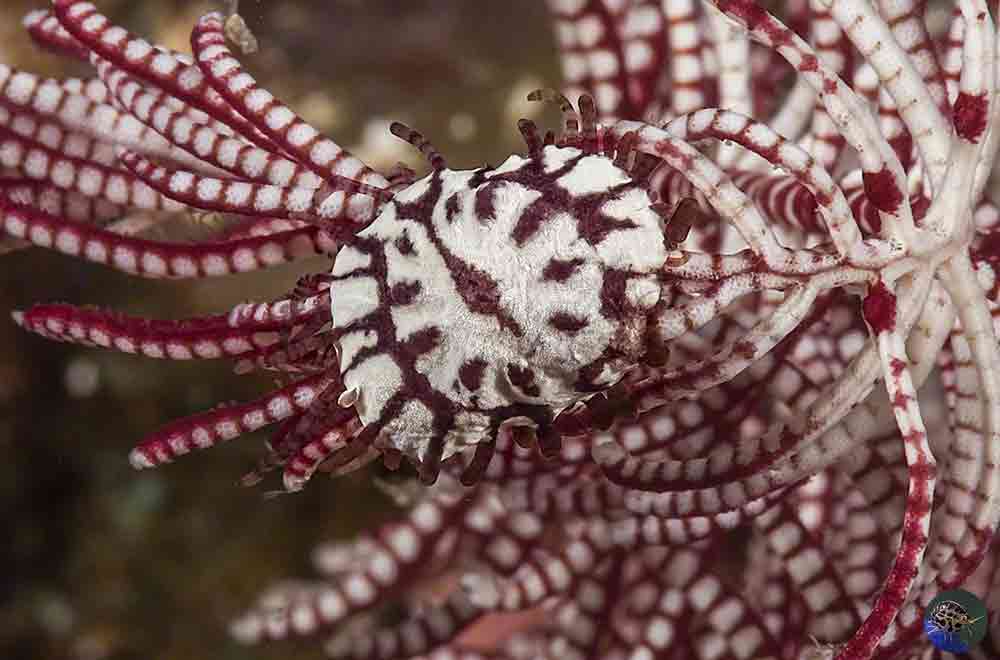
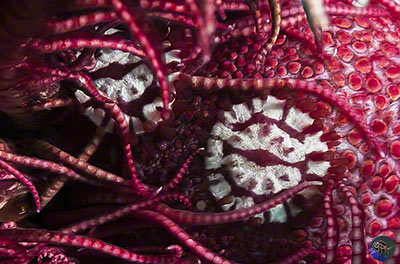
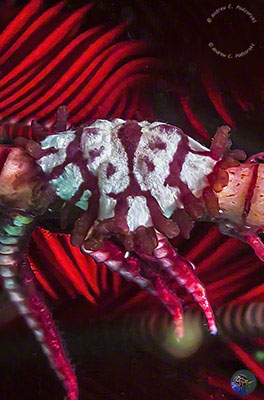
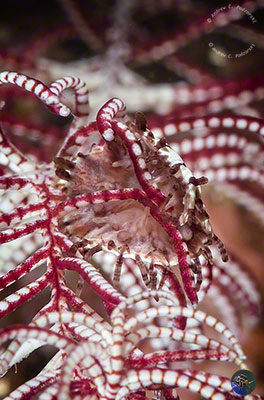
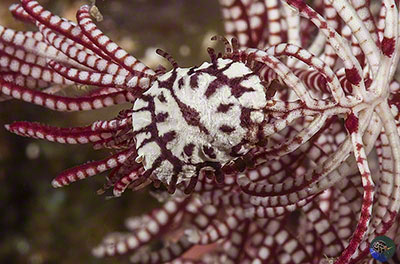
These curious, often flying-saucer shaped worms, are parasitic on feather stars. They are currently thought to be related to segmented worms (Annelida). The round species can move very quickly. Others insert their mouthparts into the host and are sessile.
Ribbon Worms
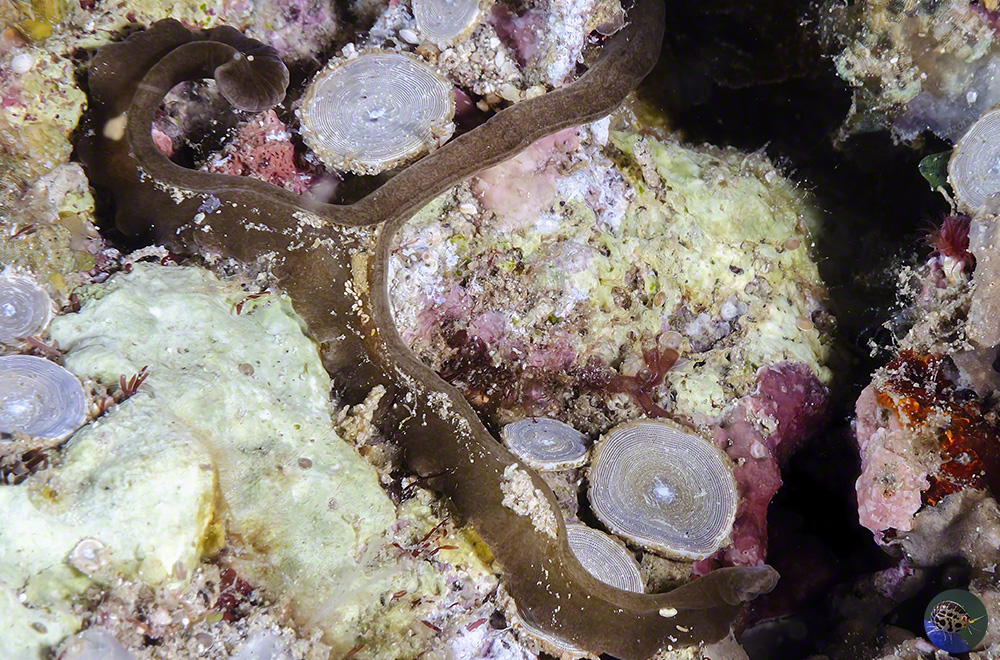
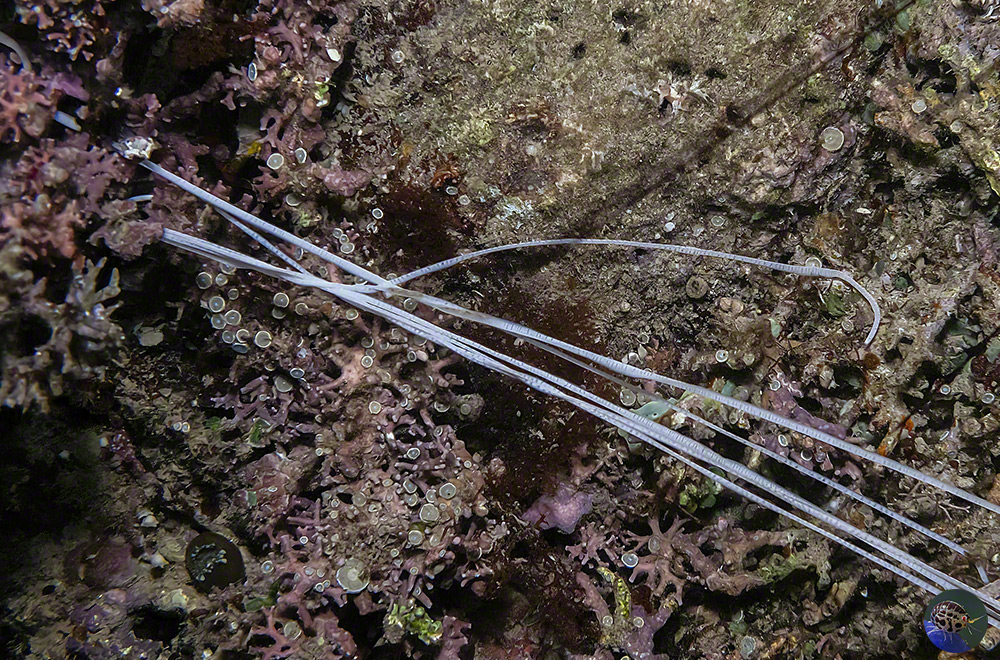
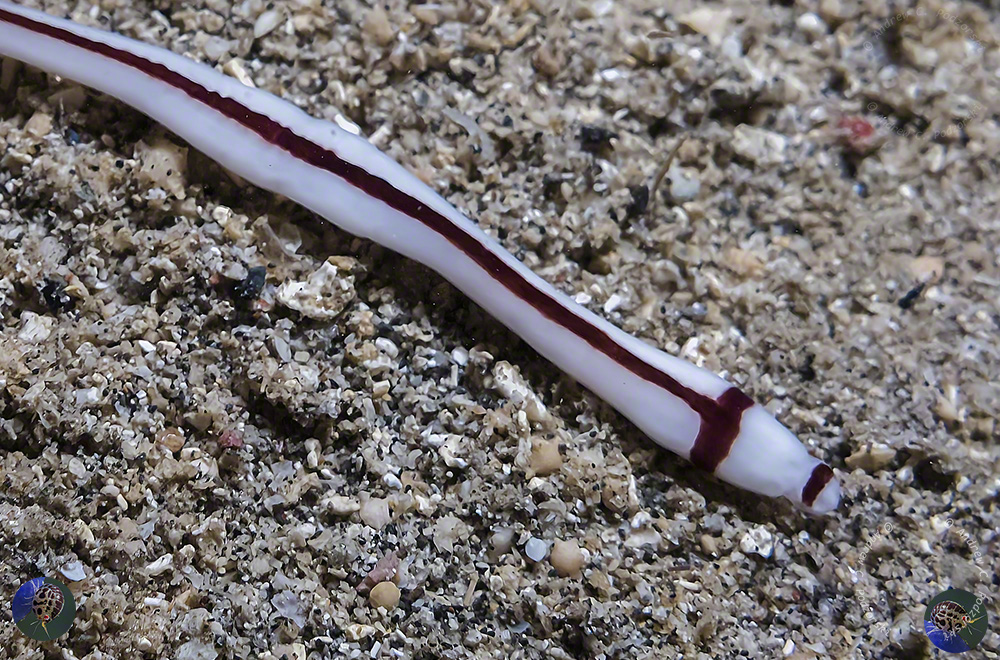
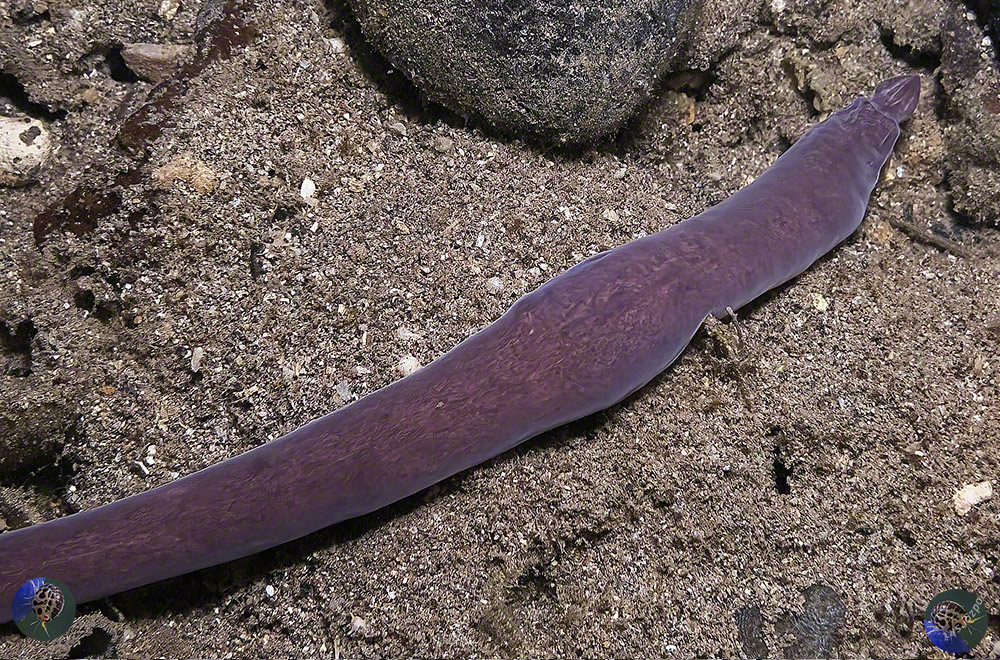
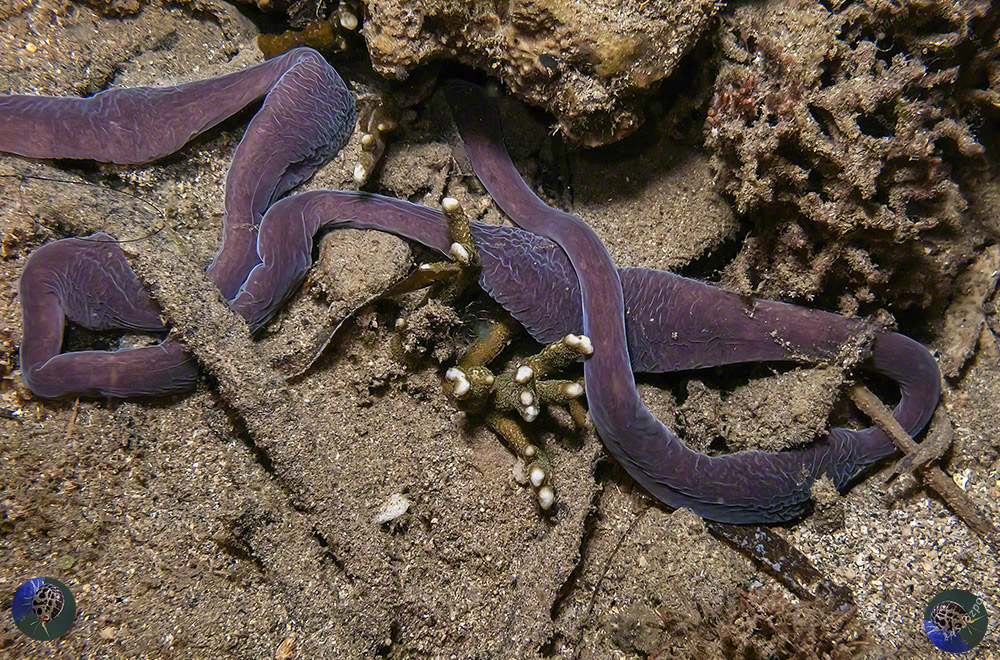
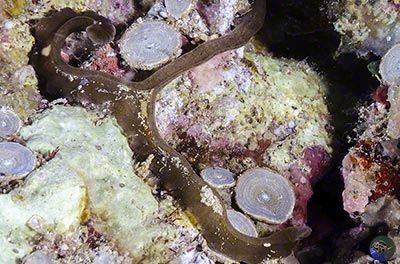
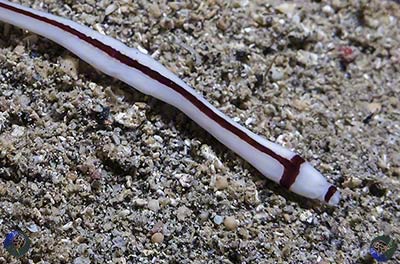
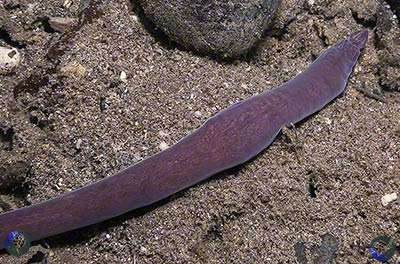
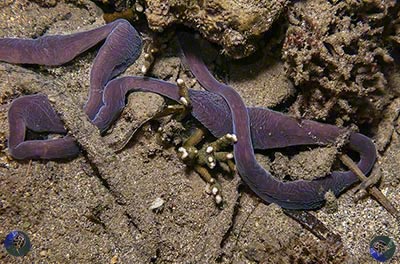
These extremely long active hunters catch their prey by stabbing them with a barb which injects toxins and digestive juices. Some species have a spaghetti-like proboscis which is also armed with toxins and digestive juices. Annelid worms, bivalves, crabs and even fish are on the menu. The prey is swallowed whole or digested outside their body and the resulting soup injested.
Movement is by the beating of tiny body hairs in the slime trail they produce. If attacked, a toxic mucous is secreted.
Scale Worms
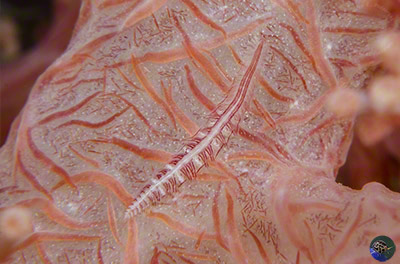
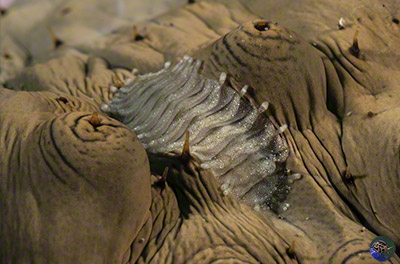
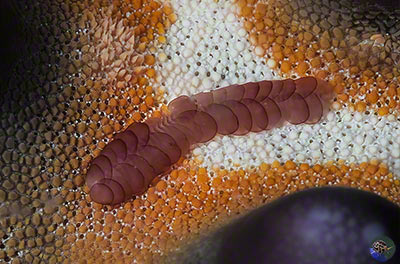
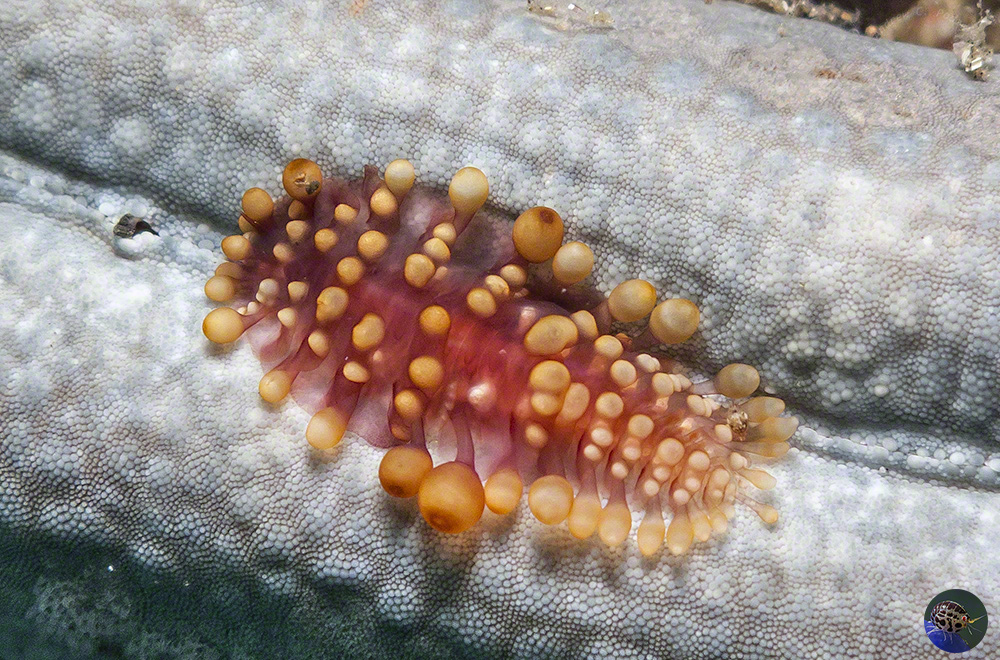
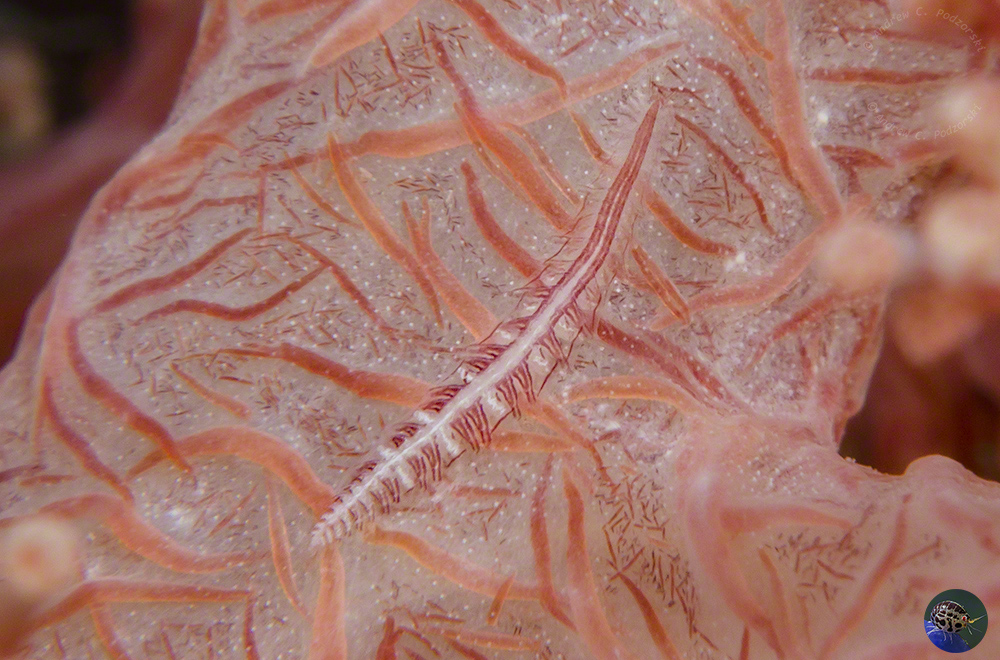
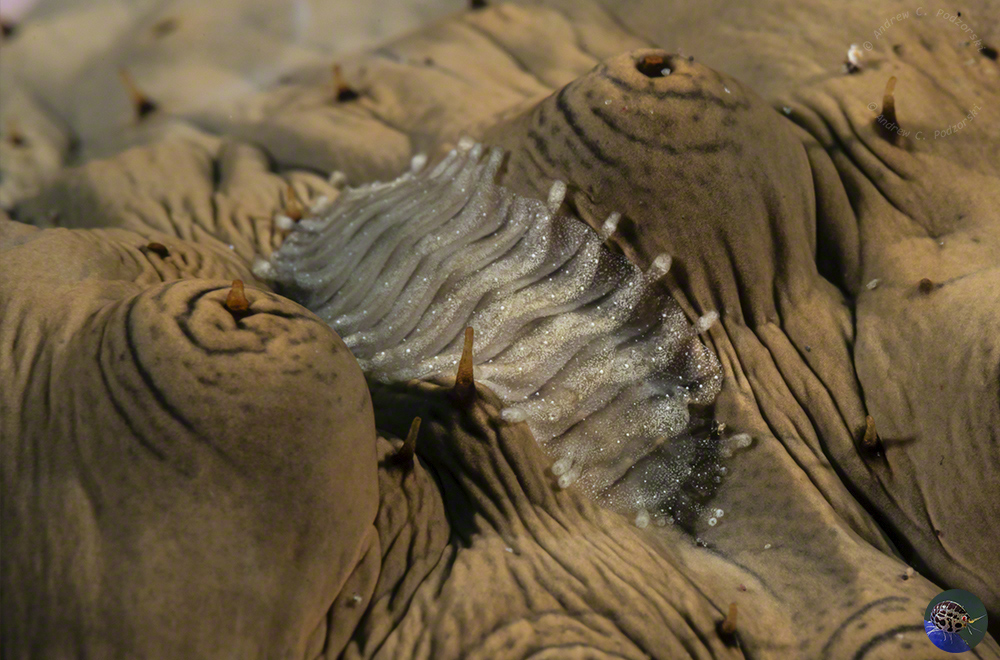
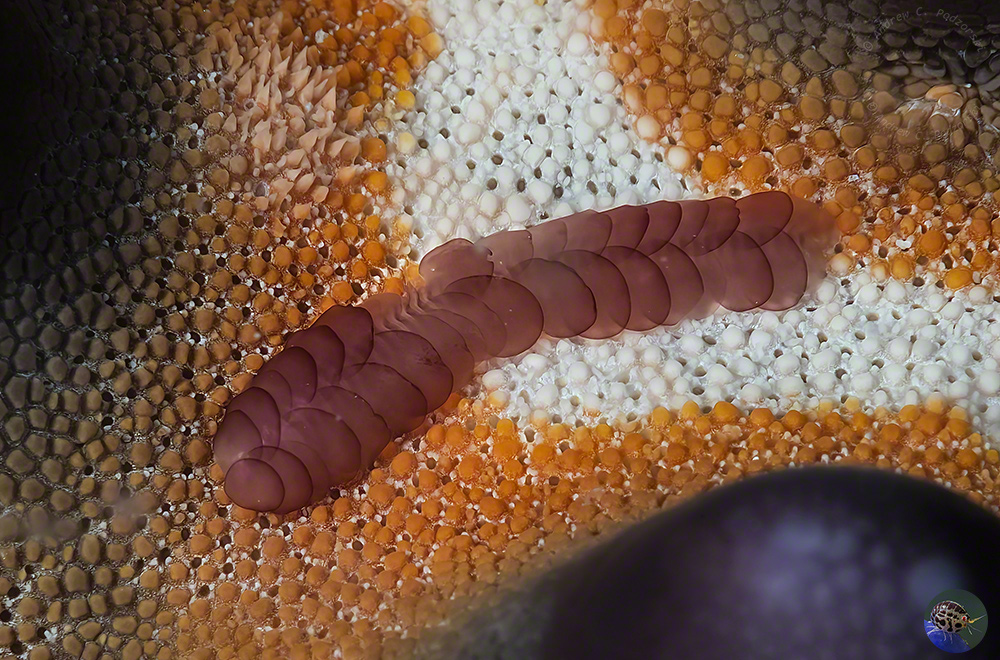
Scale worms don't look like the worms most people think of. They are short, flattened and as their name suggests, covered in scales. The reef species are often commensal with sea cucumbers, soft corals and starfish.
Help Save Reefs!
The organisations that work to protect coral reefs and our oceans need as much support as they can get. Check out:
If you are a diver, and especially if you are an underwater photographer, donate. If you do nothing, there will be nothing to dive on and nothing to photograph.
These are suggestions, but not endorsements of the suggested organisations. It is your responsibility to review and check the charities you wish to donate to.
Bobbit Worms
Bobbit Worms
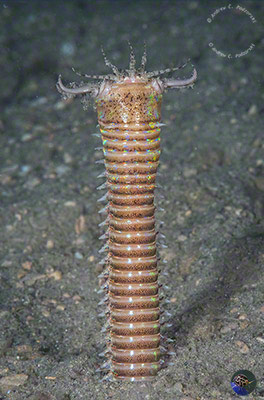
The huge Bobbit Worms with their powerful wide jaws and shimmering gold bodies could be the sandworms of Dune.
Detritis Feeders
Detritis Feeders
Diopatra has an irridescant gold front part of the body, while the rear part carries long arrays of bright pink gills. It makes a large tube of sediment, coarse sand, and shell fragments bound together with mucous. This mini-reef attracts small reef dwellers seeking protection, only to be engulfed by the worm dashing out and grabbing the hapless animal in ist jaws.
Spaghetti Worms (Terebella) hide their bodies in the reef and extend their long tentacles in all directions to gather detritus.
The strange Spoon Worms (Echiuroidea) have a similar feeding strategy, but they have a single proboscis with two branches for skimming the rubble and mud surface for food.
The small Ophiodromis worms are sometimes found in large numbers crawling over sediments. Little is known about their biology.
Fire Worms
Fire Worms
The name Fire Worm comes from the intense burning pain they inflict when touched. Their bodies are covered with tufts of razor-sharp calcium carbonate needles covered in a potent toxin. These form a very effective defense against predators. They actively scavenge on reefs at night.
Flying Saucer Worms
Flying Saucer Worms
These curious, often flying-saucer shaped worms, are parasitic on feather stars. They are currently thought to be related to segmented worms (Annelida). The round species can move very quickly. Others insert their mouthparts into the host and are sessile.
Ribbon Worms
Ribbon Worms
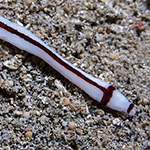
These extremely long active hunters catch their prey by stabbing them with a barb which injects toxins and digestive juices. Some species have a spaghetti-like proboscis which is also armed with toxins and digestive juices. Annelid worms, bivalves, crabs and even fish are on the menu. The prey is swallowed whole or digested outside their body and the resulting soup injested.
Movement is by the beating of tiny body hairs in the slime trail they produce. If attacked, a toxic mucous is secreted.
Scale Worms
Scale Worms
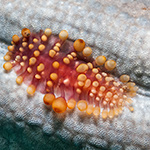
Scale worms don't look like the worms most people think of. They are short, flattened and as their name suggests, covered in scales. The reef species are often commensal with sea cucumbers, soft corals and starfish.